- Home|
- Advice|
- Bait
The best baits to catch big autumn roach
If you want to catch yourself a big roach this autumn, you need to use these baits...

by James Furness |
Updated on10th November 2025 at 11.37am
Follow Angling Times on Google
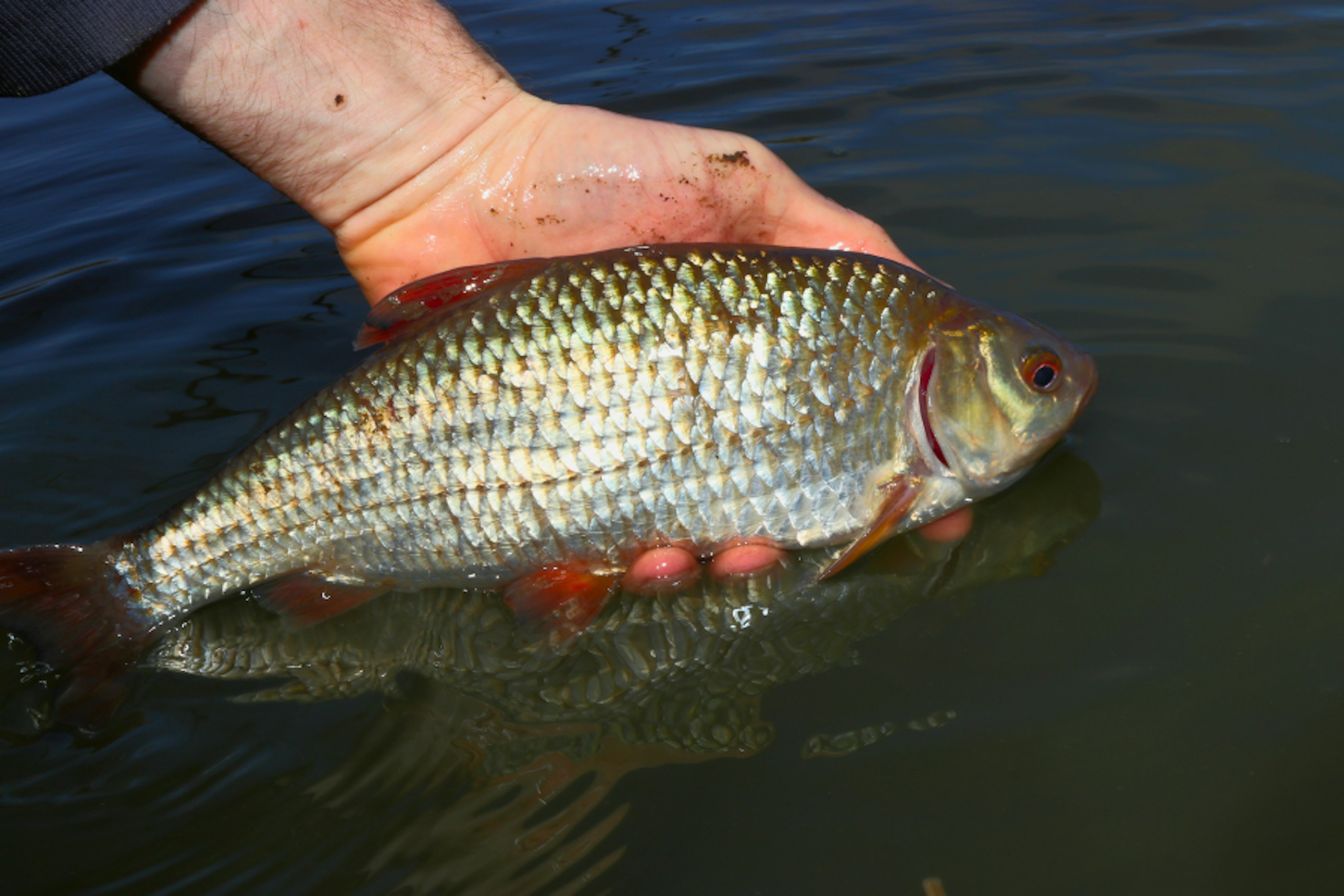
Specimen roach are enjoying a bit of a renaissance right now, especially in larger rivers.
The same is true of many carp fisheries, where the odd two, or even three-pound roach will fall to a boilie or a corn hookbait. With little competition for food, the roach have quietly made a comeback and are there for the taking.
The chances are that you can probably think of a venue close by that has the potential to produce a dream roach. But given the venues that they inhabit, and the baits that they see every day, how best do we target them? A mix of the old and the new can be the key to unlocking these secretive specimens.
HEAD TO ONE OF THESE VENUES IF YOU WANT TO CATCH A BIG ROACH.
Don't ignore fishmeal
Roach are well able to utilise a wide range of foods. They will quickly latch on to any readily available food supply, including baits meant for other species. Pellets are a good example. Highly nutritious, and often the right size to easily fit in the mouth of a reasonable roach, they have become a key component of modern autumn roach baits.
There’s something inherently attractive about fishmeal. Roach instinctively recognise it as food. So how do we incorporate this ingredient into our roach baits?
Perhaps we can add some fishmeal or ground pellets to a more traditional cereal-based groundbait, or feed micro or 4mm pellets to give a more substantial meal.
I haven’t used pellets or fishmeal for roach over the colder months, but right now, while water temperatures are still quite high, I wouldn’t leave home without them.
Hemp is a key attractors
Having observed roach feeding on hemp underwater it’s apparent that, while super-attractive, it is actually quite tricky to eat. Roach pick up and spit out the grains, often many times, before eating them. The hard shells take some crunching.
The fish will pick up grains off the bottom and reject them higher in the water, so a constant stream of hemp falls through the lower levels of the swim, making it a more active bait than we might imagine.
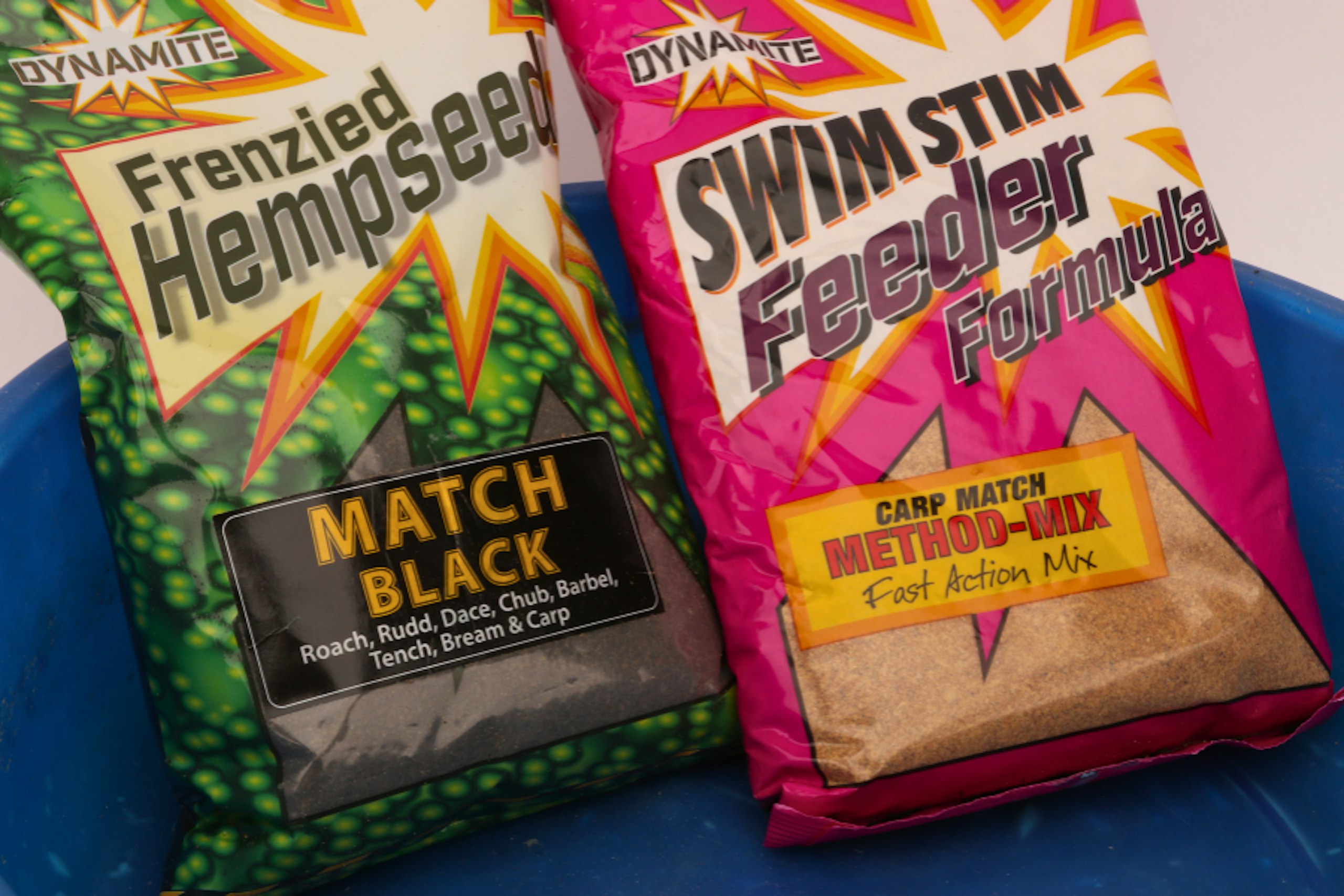
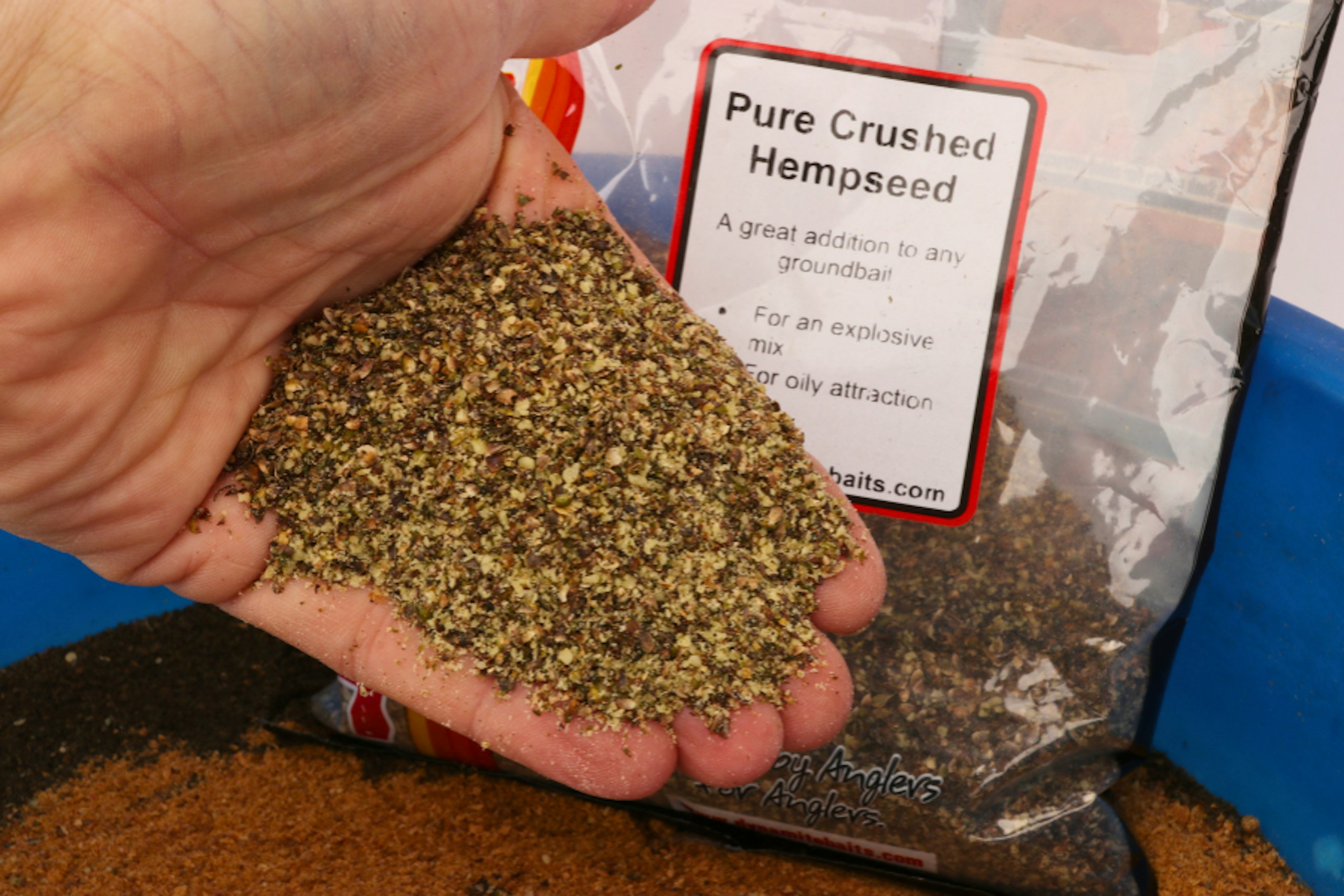
For attraction alone, crushed hemp takes some beating when added to groundbait. Hemp oil and the liquid from cooked hemp are wonderful attractors when added to groundbaits and pellets too.
Hempseed will hold roach in the swim, and a small amount goes a very long way. In rivers, keep in mind that the fish will disturb the seeds and send them drifting downstream, so top up regularly.
FEEDER FISHING CAN BE AN EXCELLENT WAY TO CATCH BIG ROACH AS THIS ARTICLE EXPLAINS.
Groundbait or particles?
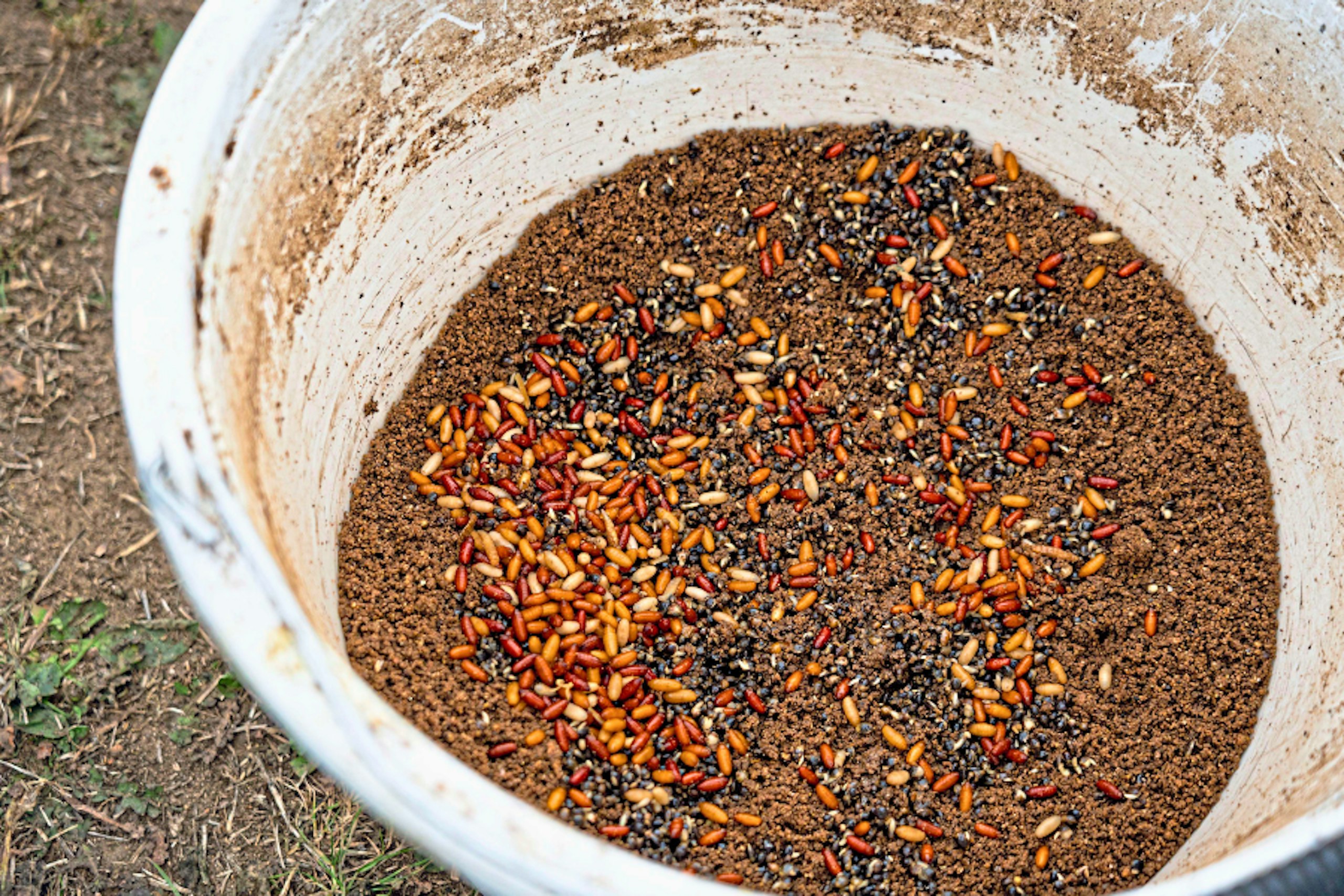
Is a groundbait or a particle approach better? Why not use both! Most great river roach anglers will create a target area with an initial bombardment of groundbait balls, designed to get to the bottom before breaking up. The concentrated area of feed produced, and the trail that forms downstream, will focus shoals of fish on a single line.
Active fish are easier to catch, because they are thinking about getting to the next morsel, irrespective of whether it behaves naturally. Loosefeeding creates this competition and the ‘grab it or it’s gone’ response.
A regular pinch of hemp, 4mm pellets, casters or maggots falling through the water fires up the fish. You can achieve something similar by feeding the same baits through a blockend feeder.
Selective hookbaits
A final point to mention is that larger-than-normal hookbaits can help select only the biggest roach. It’s no coincidence that barbel and carp anglers inadvertently catch specimen roach, although with less efficiency than we would like.
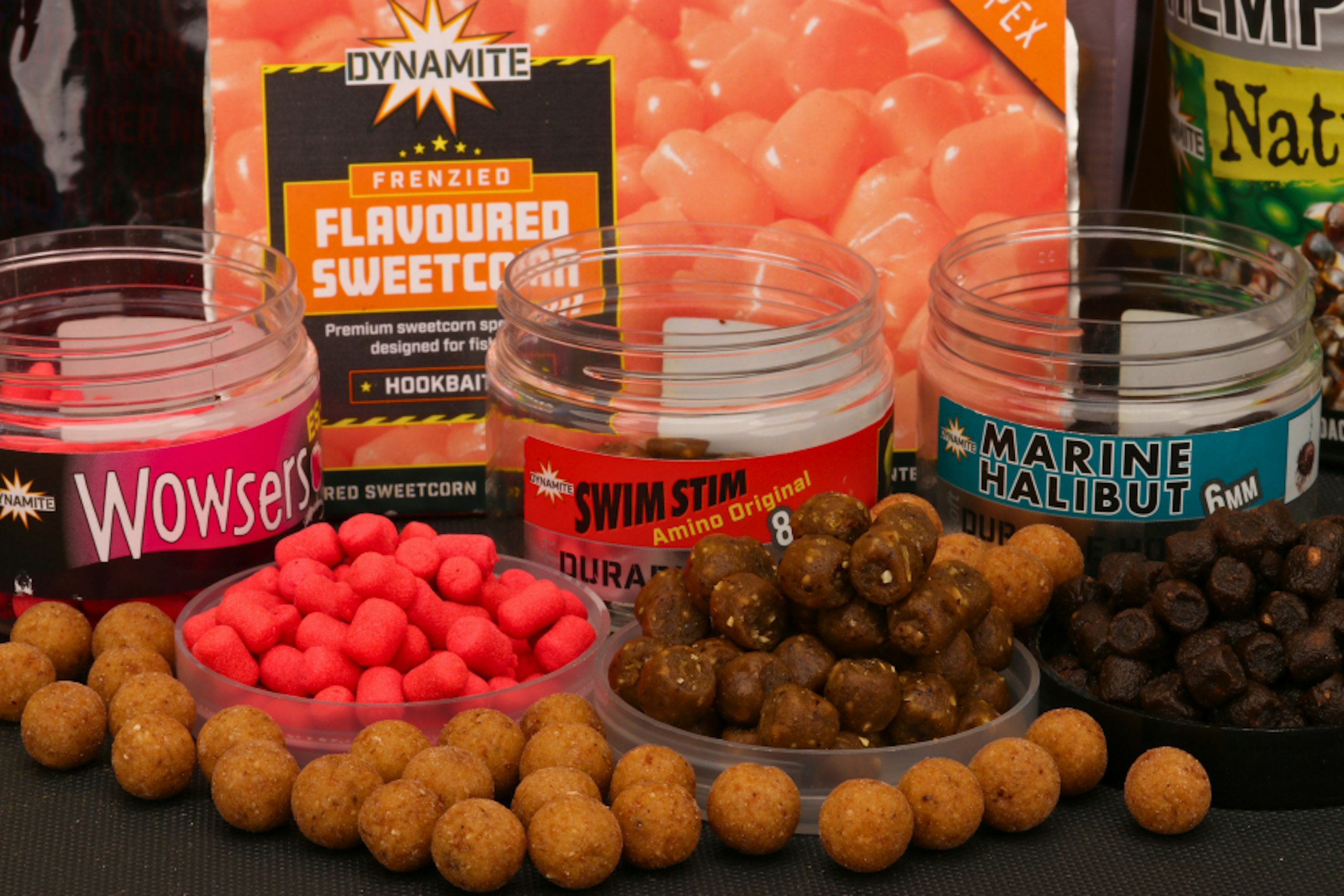
As a compromise, a 10mm boilie, an 8mm pellet, or double sweetcorn are ideally sized for a 2lb-plus roach. To get lots of bites, use maggots and casters, but for big fish, larger baits can be the key.
Right now is a prime time for big roach. Short evening sessions are perfect for this approach, because the fish will come on the feed as the light levels drop.
Just so you know, we may receive a commission or other compensation from the links on this website - read why you should trust us