- Home|
- Advice|
- Bait
Bait tips and tactics to catch specimen tench
Big fish expert gives us a masterclass in tench baits.

by James Furness |
Updated on20th May 2026 at 12.56pm
Follow Angling Times on Google
When it comes to tench fishing, you have a myriad of baiting options. You can go down the ‘natural’ route of maggots, casters and worms, or you can choose to put your faith in pellets and boilies.
Watch tench feed and you’ll see they often gently pick their way around a swim, barely moving in between mouthfuls. That can leave you in a tricky place when trying to work out how best to catch them, but if there’s one angler whose advice is worth listening to on the species, it’s two-time Drennan Cup winner Dai Gribble.
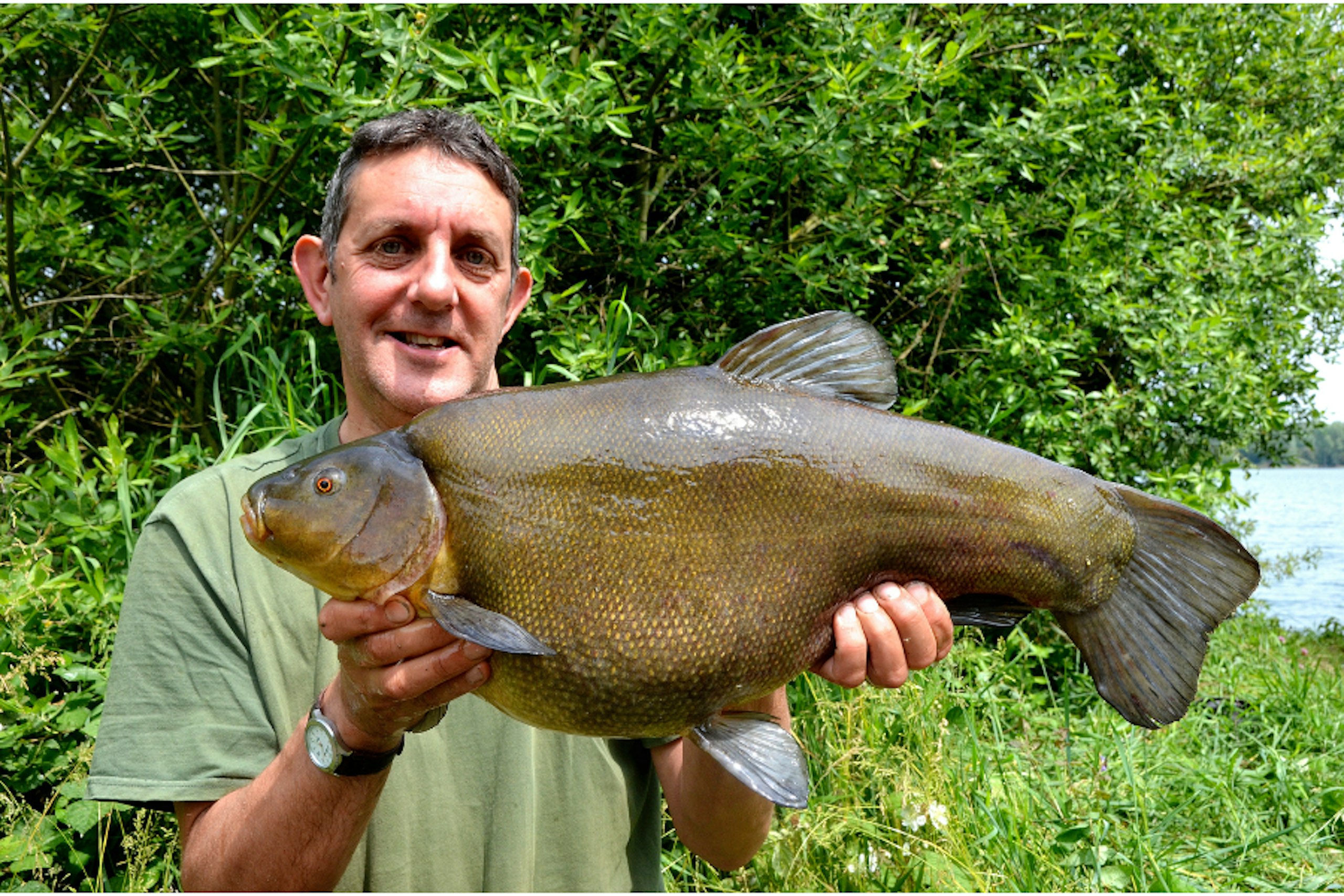
With a spectacular PB of 14lb 13oz and over 60 doubles to his name, the Staffordshire angler is an all-time great tench angler. Here, Dai explains how you should think about feeding for big tincas, as well as the hookbaits worth considering.
CHECK OUT OUR PICK OF THE BEST TENCH FISHING RODS.
Why use small baits
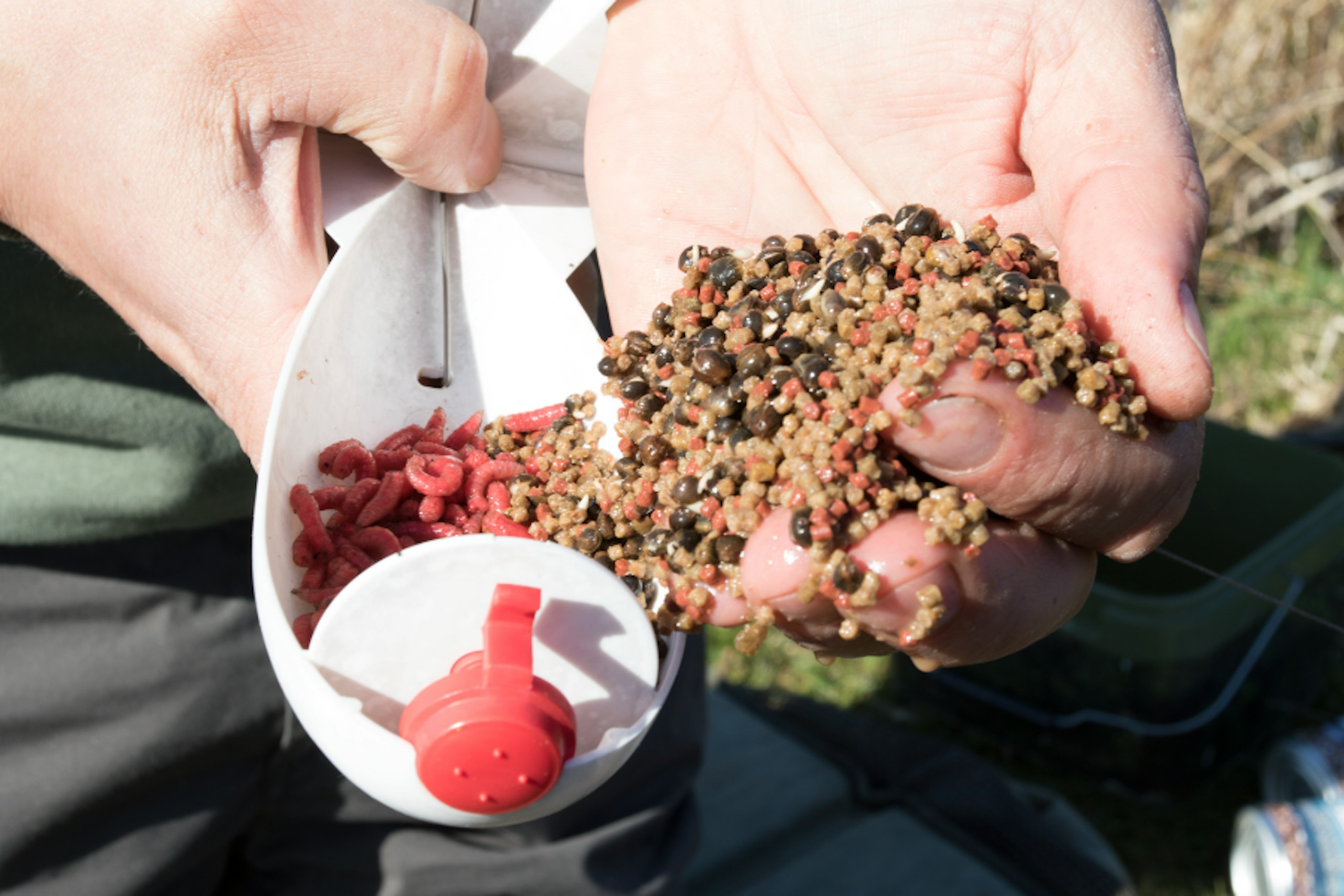
Tiny pellets and hemp will keep fish in your swim. They fall between the gravels and offer some form of food for a long time. If you feed 4mm pellets, they may not seem much larger, but you need eight 2mms to make one, so smaller options give the fish much more to search for.
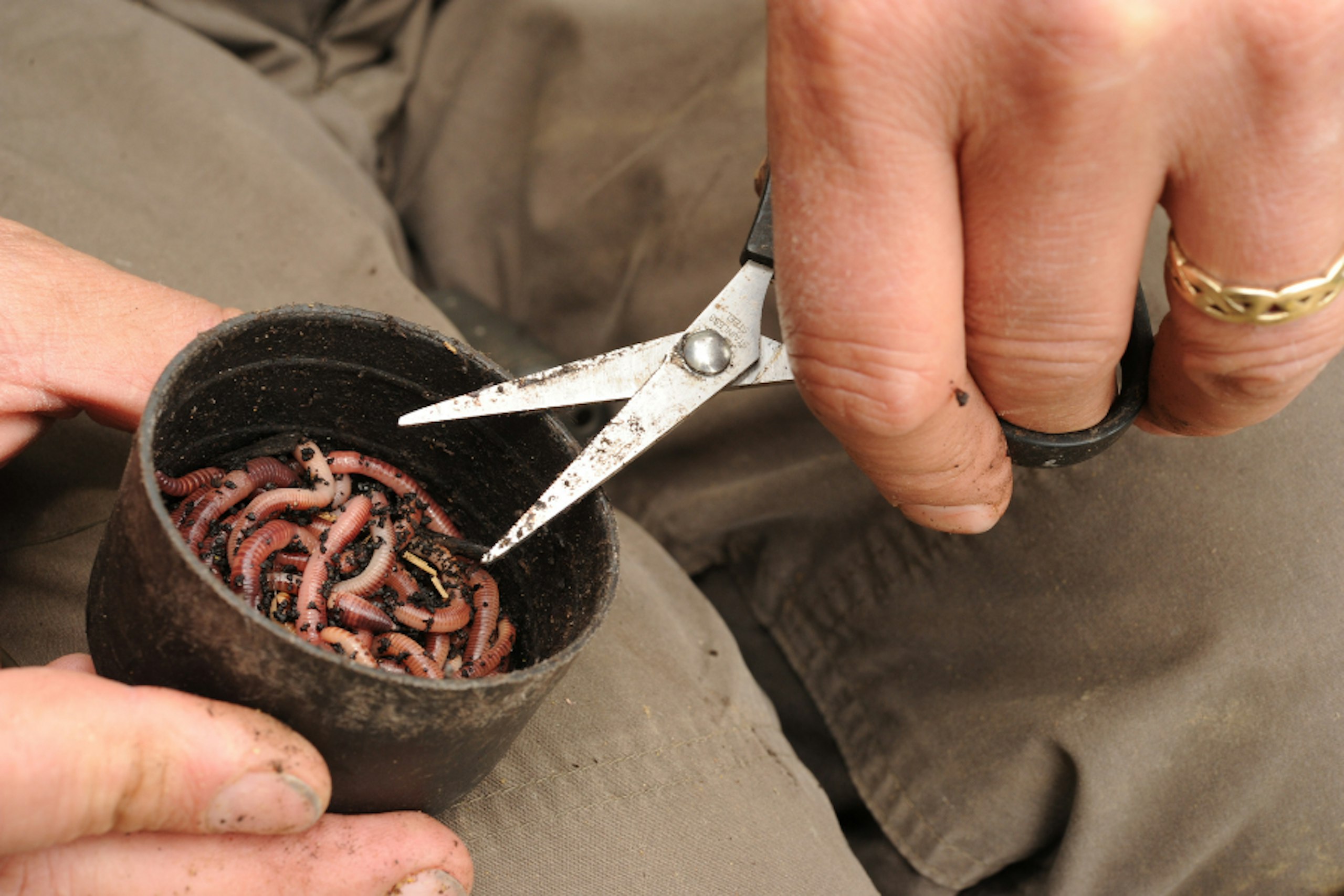
If a carp comes into your swim and mops up a load of bait, there should still be a few pellets and grains of hemp left for the tench. You can also introduce maggots or a bit of chopped worm, but not much. Think half-a-pint of maggots with your initial feed, or a quarter-of-a-pint of chopped worm.
IF YOU WANT TO CATCH BIG FISH, CHECK OUT THE BEST SPECIMEN RODS TO USE.
What baits to use
Groundbait is a staple for many tench anglers, but Dai only tends to use it on silty venues, where it will sit on top of the soft substrate and attract fish. Smaller particles can get lost in the silt.
On gravel pits, your feed can be built around hemp and pellets. Dai uses SonuBaits hemp and a mixture of 2mm pellets, with Krill, F1, Bloodworm and Marine Green among his preferred flavours.
A mixture of colours helps break up the outline of the bait on the bottom. If it is all the same colour, it can look like a more blatant patch, so a more subtle mix can be better.
The blend of flavours also gives the fish options. Think of it like a buffet. One bloke might fill his plate with 10 sausage rolls, but most of us prefer a mix of things.
GET THE BAIT ON THE SPOT EFFECTIVELY WITH THE BEST SPOD RODS.
Feeding when fishing
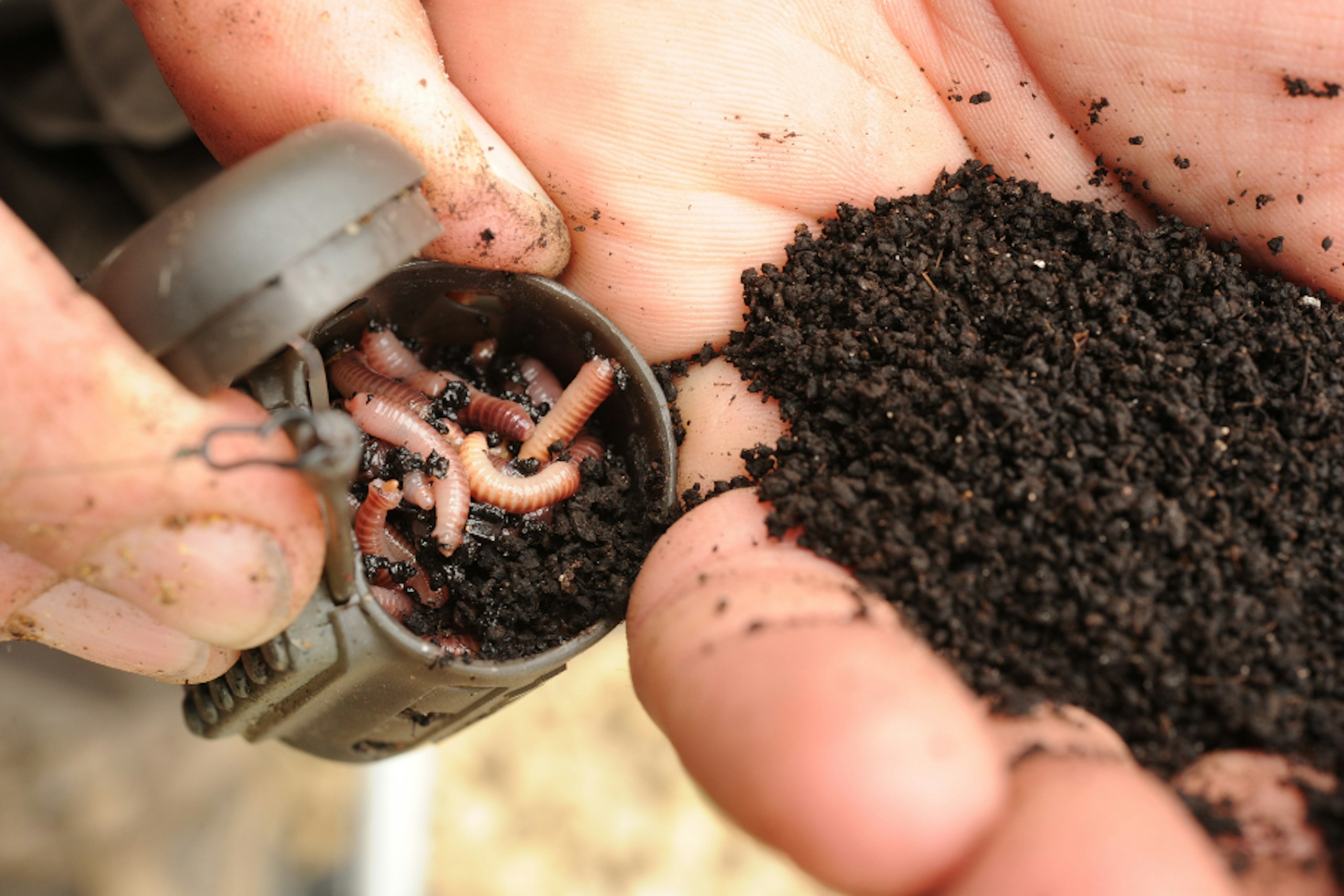
Feeders are a strong option, generally on a heli-rig, and you can feed either maggots or chopped worm through them, depending on your hookbait. Avoid introducing loads, bait with a Spomb, because you want the fish to pick out the bait on your hook, or at least the bait near it in the feeder.
If you are using maggots, recast quite regularly, usually every half-hour. By then, the maggots will have crawled out of the feeder and moved well away from your hookbait, so recasting lets you focus the freebies where you want them.
Chopped worm can be left out for three hours or more. Conditions also affect recasting. Strong winds can cause a feeder to veer off, especially at range, so if you land it exactly where you want it, it can pay to sit it out.
IF YOU WANT TO CATCH A TENCH, HEAD TO ONE OF THESE AWESOME VENUES!
Favoured hookbaits
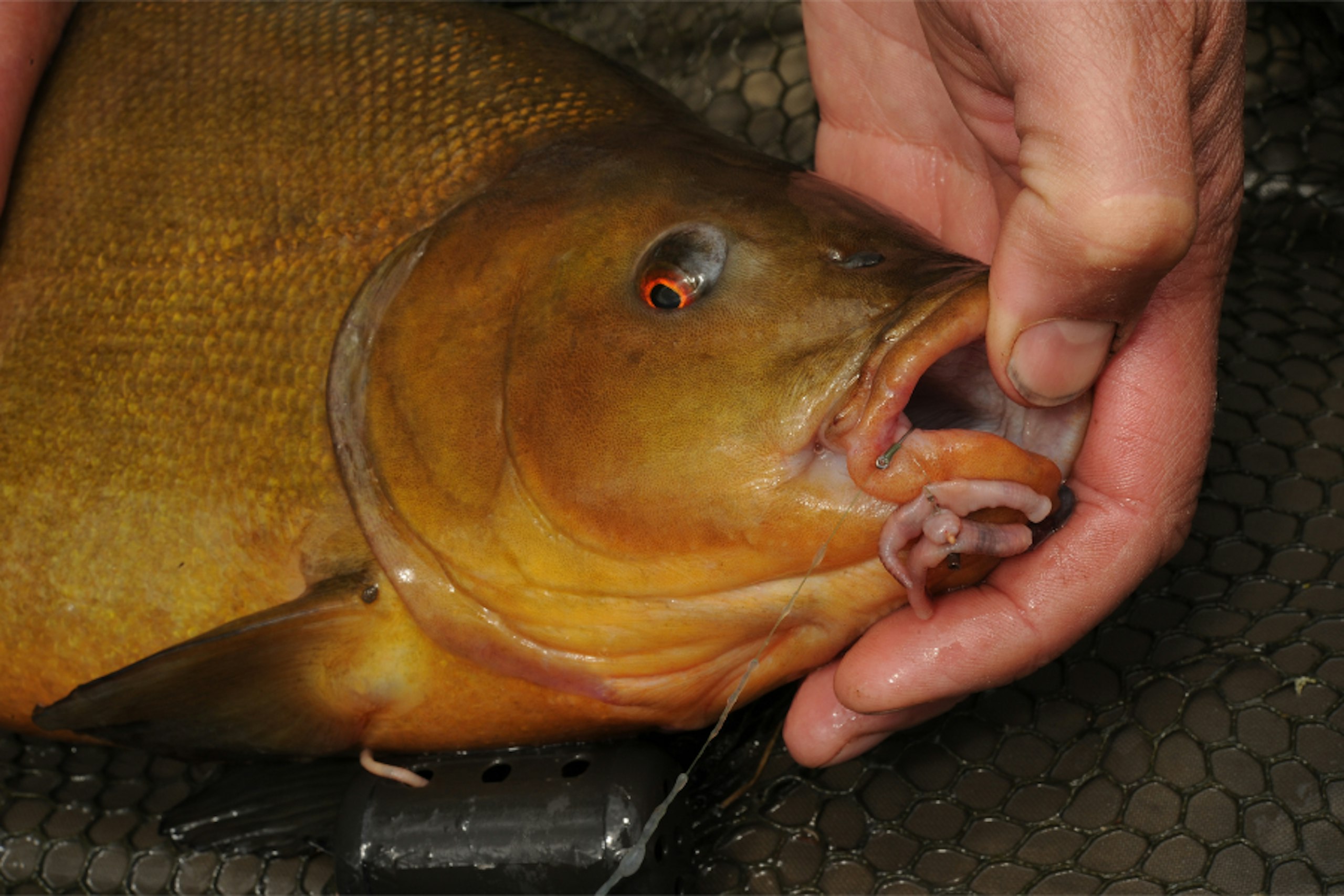
A worm kebab is one of Dai’s favourites, made by hair-rigging segments of worm on a quickstop, but maggots are also worth using.
On some waters, if you are using three rods, you might fish worms on two and maggots on the other.
Casters are popular with tench anglers and they can work, but they are expensive and do not last long.
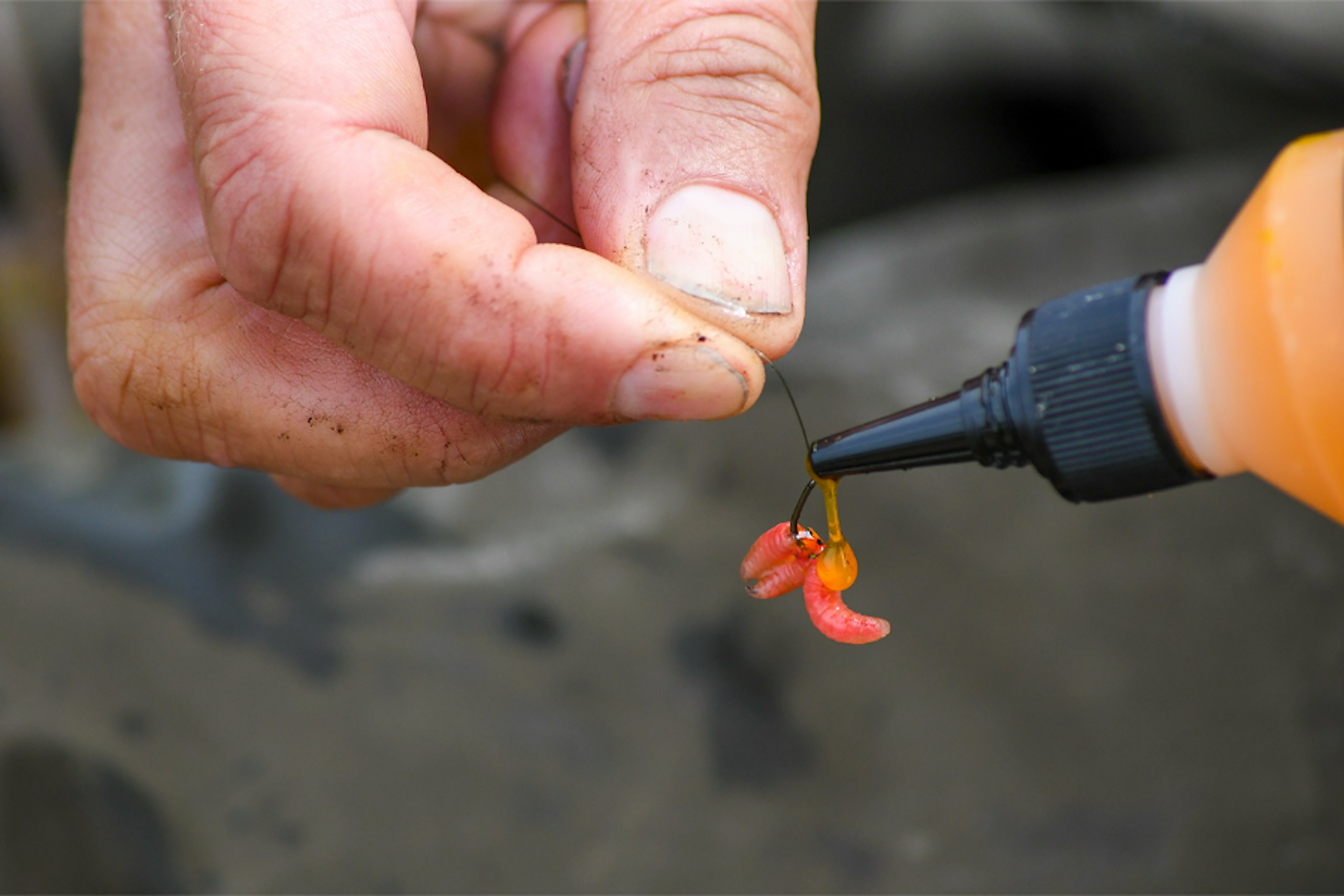
You can hook maggots directly if you can get away with a finer or smaller hook in less weedy situations. If you need to use something bigger or heavier gauge, then hair-rig them and superglue them to fine mono or braid.
Fish them a bit like a wafter, sat just above the hook, popped-up slightly with a tiny bit of foam or a cut-down pop-up boilie, depending on fishery rules.
At night, avoid maggots or worms if eels are likely to be a problem. A boilie or artificial bait, where allowed, can be a better choice.
With hookbaits, stick with something you have confidence in. It is easy to worry and keep changing during quiet spells, when the fish may simply not be feeding.
IF YOU SPEND A LOT OF TIME ON THE BANK, THE BEST FISHING BIVVIES ARE ESSENTIAL!
How much to feed and when to top up
This is the golden question, and it is tricky because it varies depending on range, depth and conditions. As a general rule, start with six to 12 Spombs. If your spot is close-in, shallow, and conditions are calm, you may be able to put down more of a carpet because you can be accurate. Even so, it is usually better to start lightly. You can put more in, but you cannot take it out.
When topping up, do not rush to do it immediately after a bite. Put around four more Spombs out if you have had a few fish, or if you are seeing lots of activity in the area.
Some anglers bait up at last light before going to bed, but Dai is not a fan. You do not know what has come over your spot overnight, so you could be fishing over nothing by morning. Instead, top up at first light, which makes sure there is bait out there during what is often prime bite time.
When topping up, add a few samples of either maggots or worms alongside your hemp and pellet mix, depending on what you are fishing. But do not overdo it. A few pieces of chopped worm or a pinch of maggots is enough.
TENCH FISHING CAN BE A WAITING GAME, SIT COMFORTABLY IN ONE OF THE BEST FISHING CHAIRS.
Just so you know, we may receive a commission or other compensation from the links on this website - read why you should trust us