- Home|
- Advice|
- Bait
How to use groundbait for bigger autumn commercial catches
Parkdean Masters champion John Harvey reveals why you shouldn't ditch groundbait when temperatures drop. Discover his 60/40 mix, pole rig setups, and feeding strategy for big autumn carp and skimmers.

© Tony Grigorjevs
by Angling Times |
Published on11th November 2026 at 3.00pm
Follow Angling Times on Google
Commercial fishery anglers rightly view groundbait as a risky option when targeting mixed bags in autumn.
The confidence they had using it while priming the margins or moulding it around a Method feeder during the warmer months vanishes, and most prefer to loosefeed a few morsels if carp or F1s are in the mix.
The latter way of working won’t fall flat on its face, but could you be getting more bites from big fish by having more faith in groundbait right now? John Harvey is adamant that it will boost your catches.
© Tony Grigorjevs
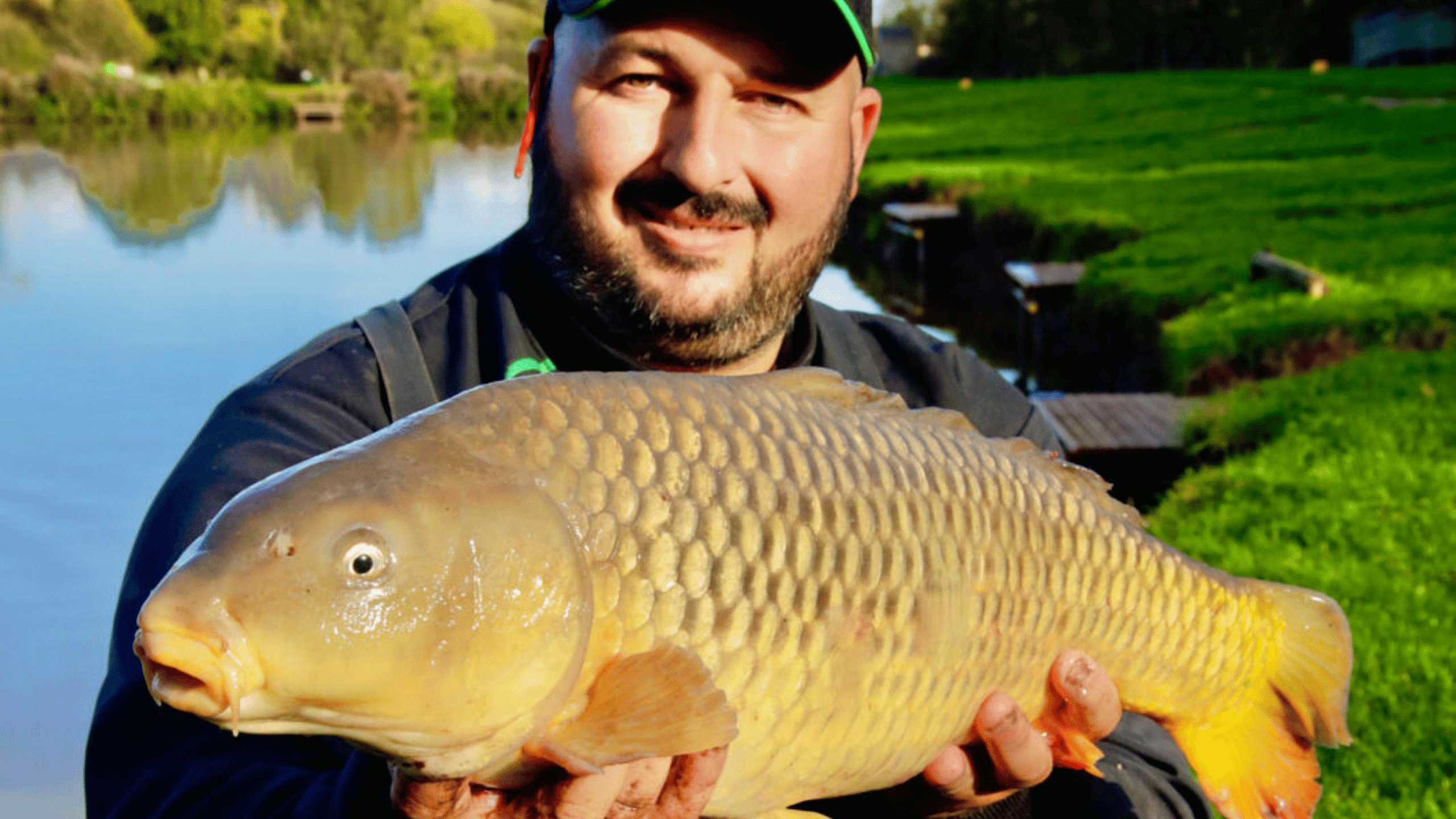
The current Parkdean Masters champion and Welsh international is fully aware that targeting everything that swims is essential to staying busy once the temperatures drop, and he’d never travel without groundbait when a hand-sized skimmer could come on one drop, shortly followed by a big carp.
“There appears to be a myth that groundbait harms your chances of a great day out in autumn on a commercial, but that couldn’t be any further from the truth,” explained John.
“It needs to be used in the appropriate way, but if you think about the way you’re feeding it and what you are trying to achieve, then groundbait is something that can transform your results as the water starts to clear.”
Stage 1: Pick a suitable mix
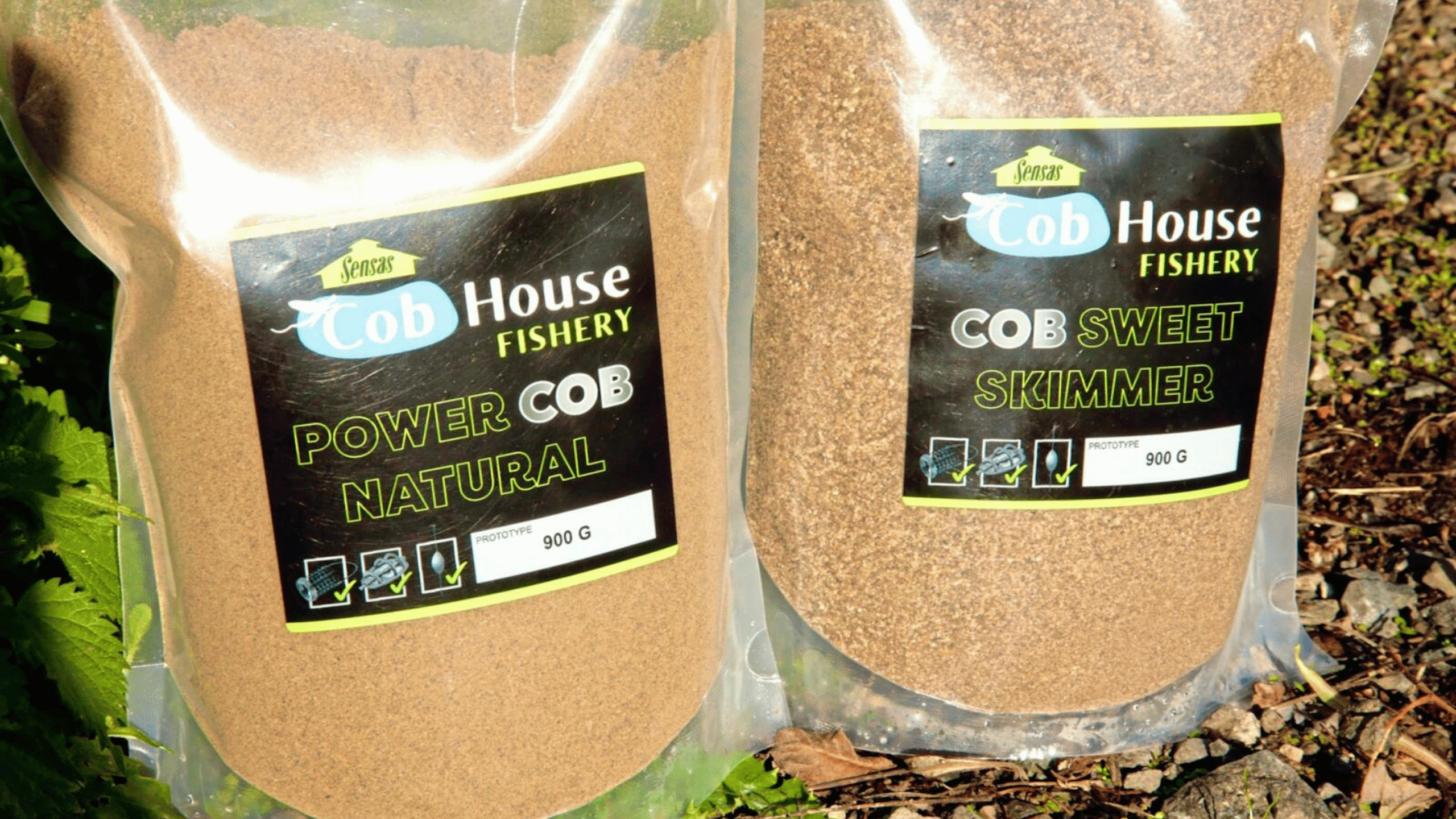
A blend of fishmeal and sweet ingredients will produce results © Tony Grigorjevs
“There are hundreds of different groundbaits on the market, and you must put the right mix together if you want to get fish interested.
“Pellets that are fed in copious amounts on commercials are packed with fishmeal, and this means the fish view this ingredient as a primary food source.
“During the height of summer, a groundbait that has a lot of fishmeal in it will work wonders, with its unmissable scent helping fish to find it.
© Tony Grigorjevs
“But at this time of year, that level of potency can prove off-putting when the fish’s appetites are on the slide.
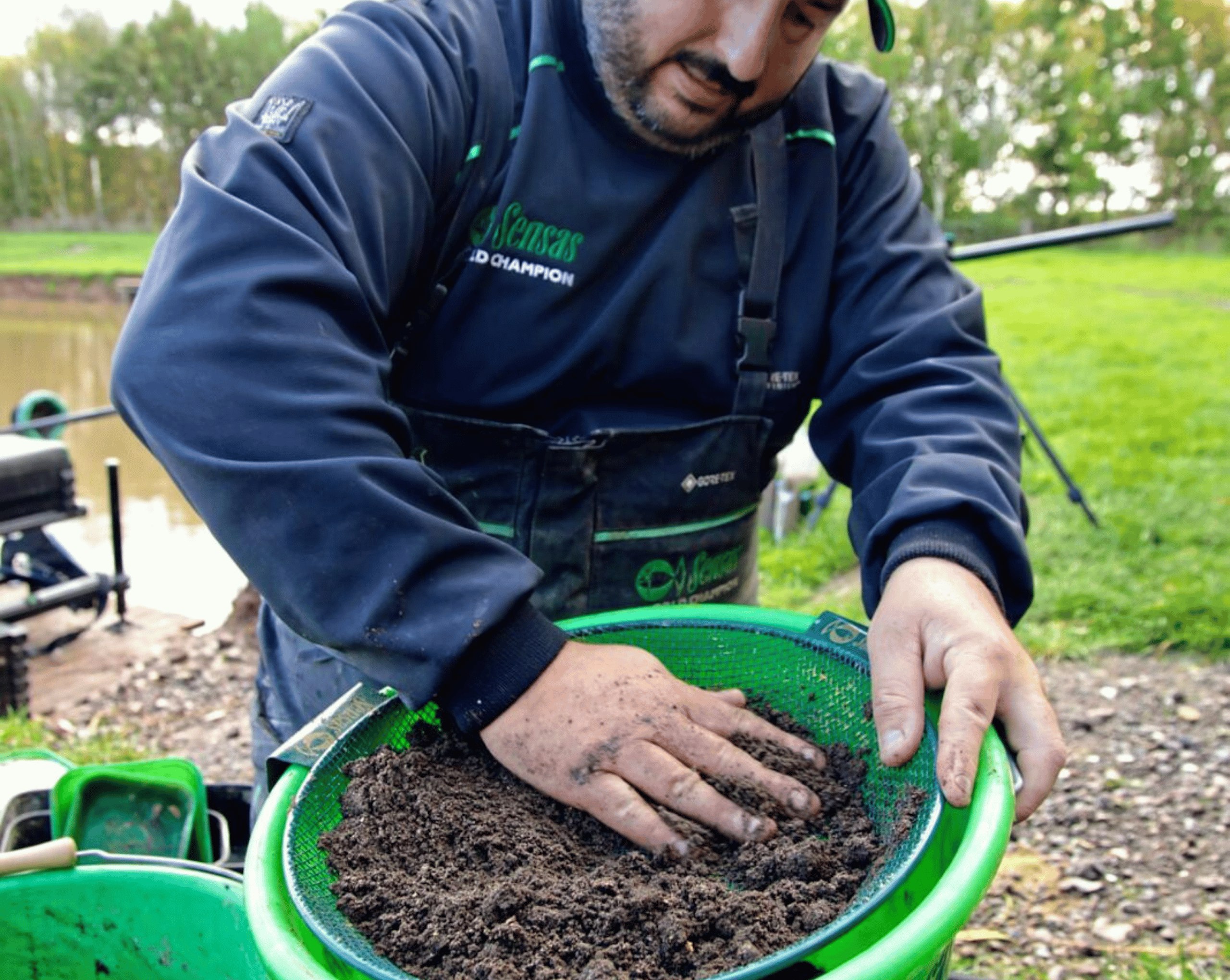
“The answer is to make your finished mix just 60 per cent of a fishmeal blend, making up the other 40 per cent with a sweeter, more biscuity mix that tones it down.
“This creates a meal that still has plenty of attraction, while not being so overpowering that the fish soon tire of it and move off elsewhere.”
Stage 2: Find the perfect target zones
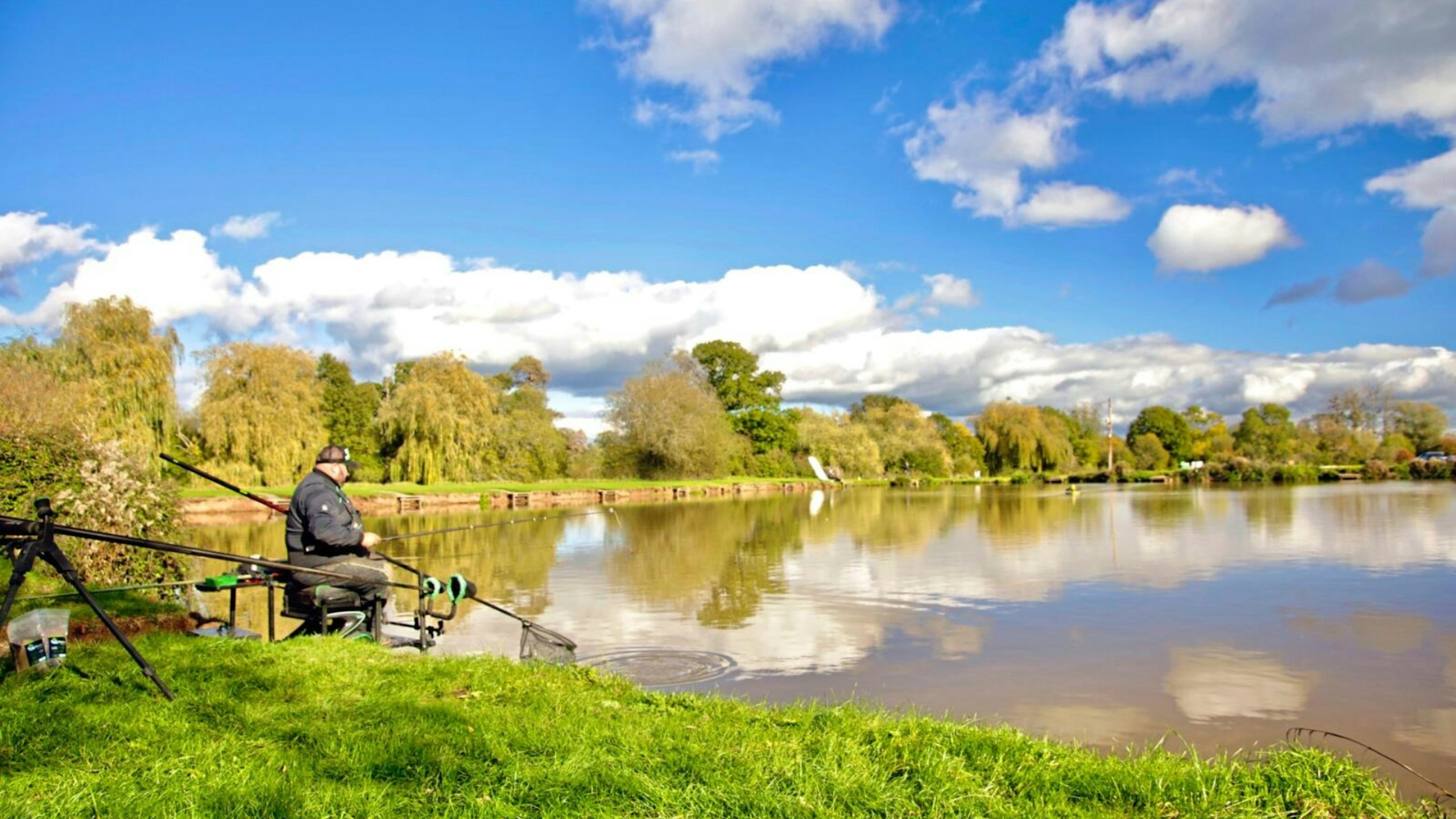
Rotate two short pole lines throughout the session © Tony Grigorjevs
“Fishing close to the bottom of the marginal shelf is reliable, and also provides options.
"I spend a while plumbing up, allowing the plummet to touch bottom, lifting it 6ins and then allowing it to drop again quickly.
"If it sticks, it tells me I’m fishing on silt, but if it lifts easily, I’m on a hard bottom. I then plumb slightly to either side to make sure the contours remain similar.
“Today I plumbed up and found a hard bottom just before where the silt started. It produced bites, but I hadn’t been able to string a run of action together. Pushing just half a section further out found water that was 6ins deeper.
"Incredibly, that transformed my session, but it wasn’t the distance or depth – it was the fact that I’d gone from fishing on a hard bottom to over silt and, on the day, the fish preferred the latter. Fishing on the slope allowed me to stay in the vicinity of where I’d fed, meaning fish were already in the area.”
Stage 3: Set up two rigs
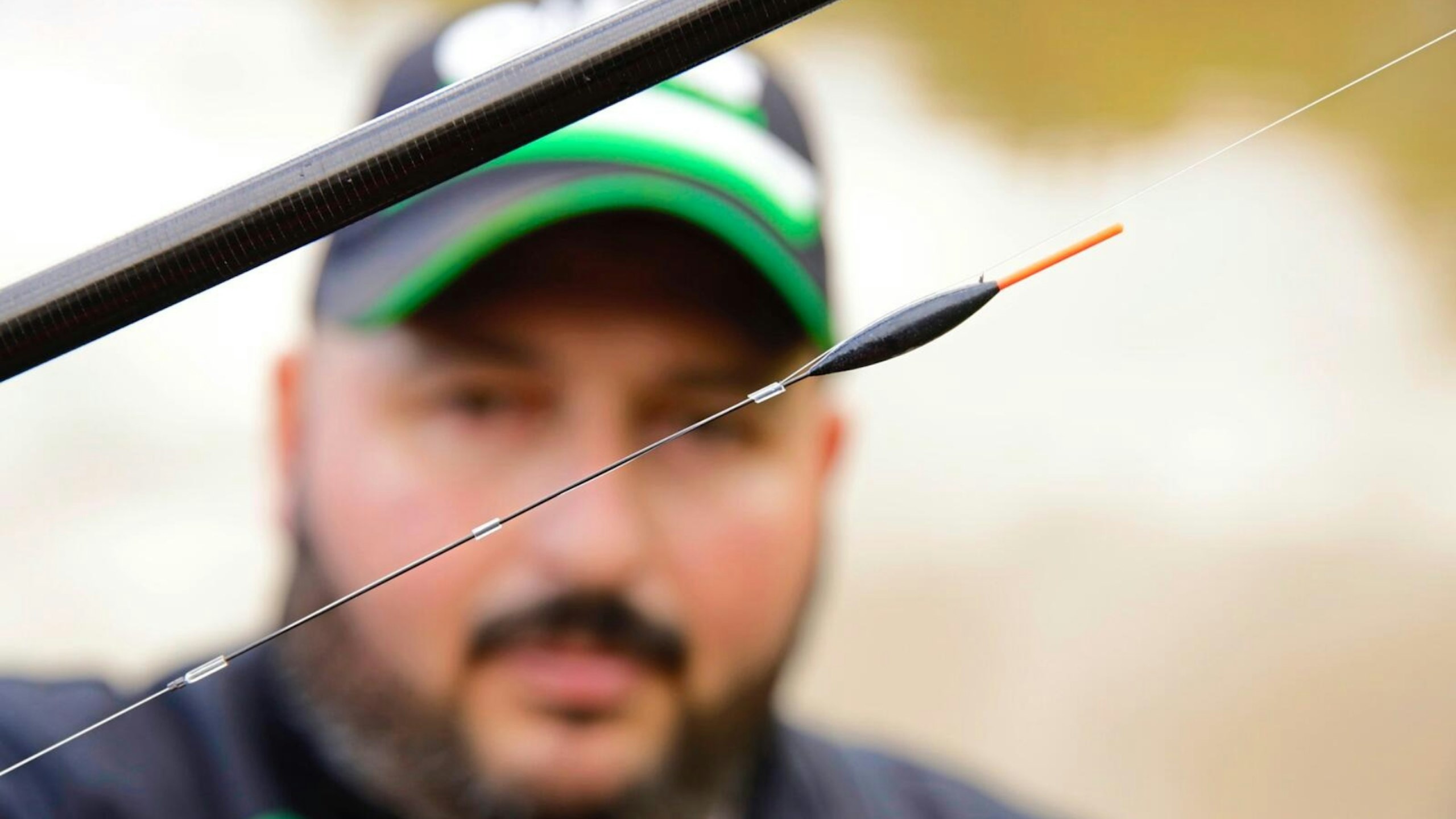
Slimline floats are ultra-sensitive © Tony Grigorjevs
“I set up two rigs, the first being a slimline 0.6g float with a tightly strung bulk and a single dropper just above the hooklength. The final shot of the bulk is 2cm from the nearest shot (the gaps between the rest are 1cm) and this acts as a kicker, preventing tangles.
“If bites are scarce, I’ll switch to a 0.4g float, stringing my shot in a reverse taper over the bottom 18ins to get a slower fall of the hookbait and create less resistance when a fish picks the hookbait up.
"Both rigs feature a grade 10-12 elastic and 0.16mm mainline, a 0.12mm hooklength and size 16 Guru SLWG hook.”
Stage 4: Feed in three different ways

Start with one big cup of bait in your left-hand swim © Tony Grigorjevs
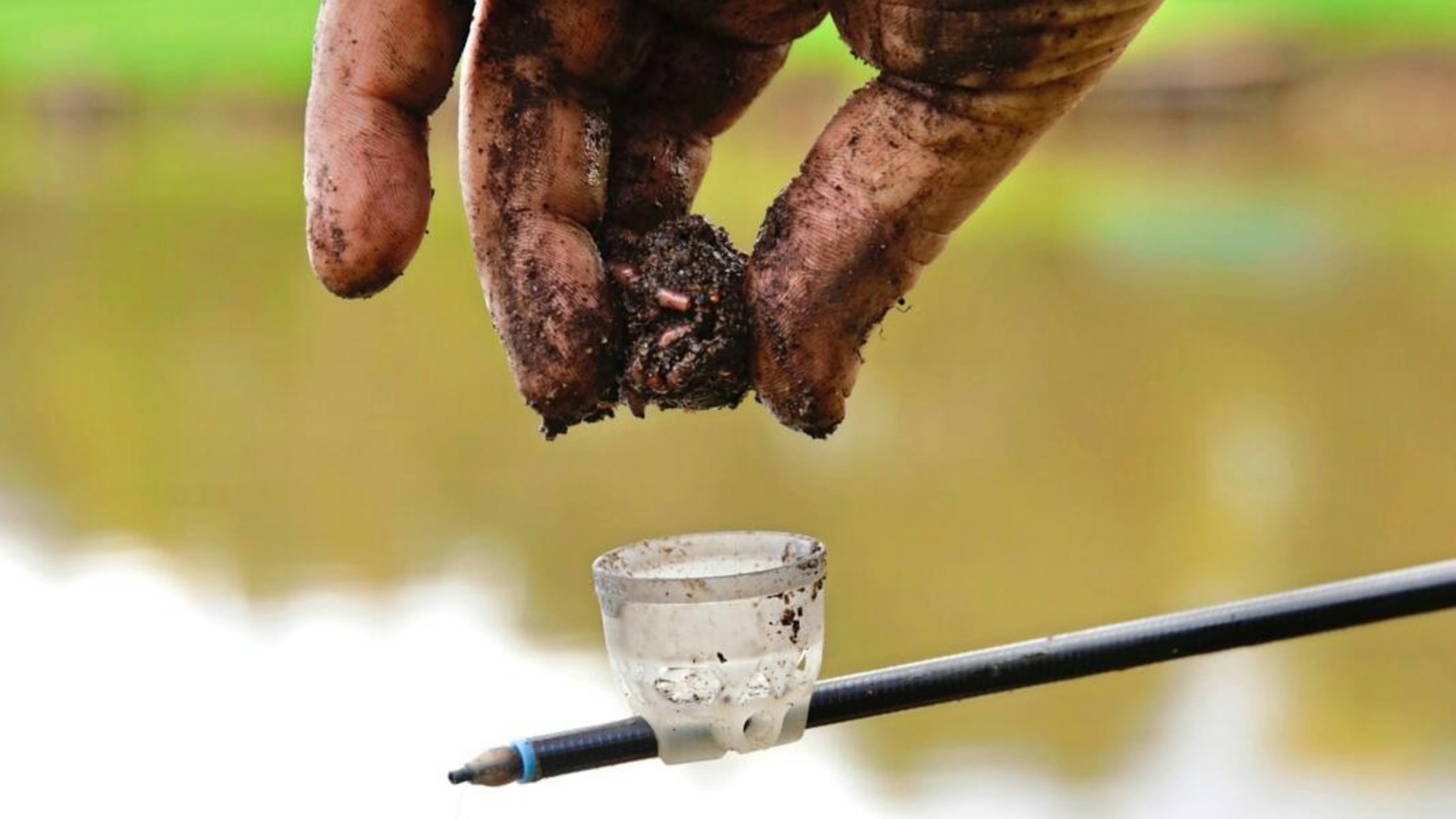
“I feed my swims differently, and the one to my left receives a big cup of loose groundbait. I fill the cup, pat it in gently and it then releases in a clump, leaving lots of attraction in the water while spreading over quite a large area. I’ll also include some dead maggots in this mix.
"This line takes a while to settle, and I won’t touch it for at least 30-45 minutes.
© Tony Grigorjevs
“The area to my right is fed on a little and often basis, with a small nugget going in regularly via a small cup. I start by making the nuggets with the groundbait at its normal consistency, but if I am getting line bites and sense the fish are off the deck, I’ll form them out of a tub of slightly over-wetted groundbait. These bomb down to the deck a lot quicker, taking the fish with it.
“Today, adding finely chopped worms to my groundbait was the trigger, and switching between lines and varying the consistency of the nuggets kept me on track.”
Stage 5: Vary your presentation
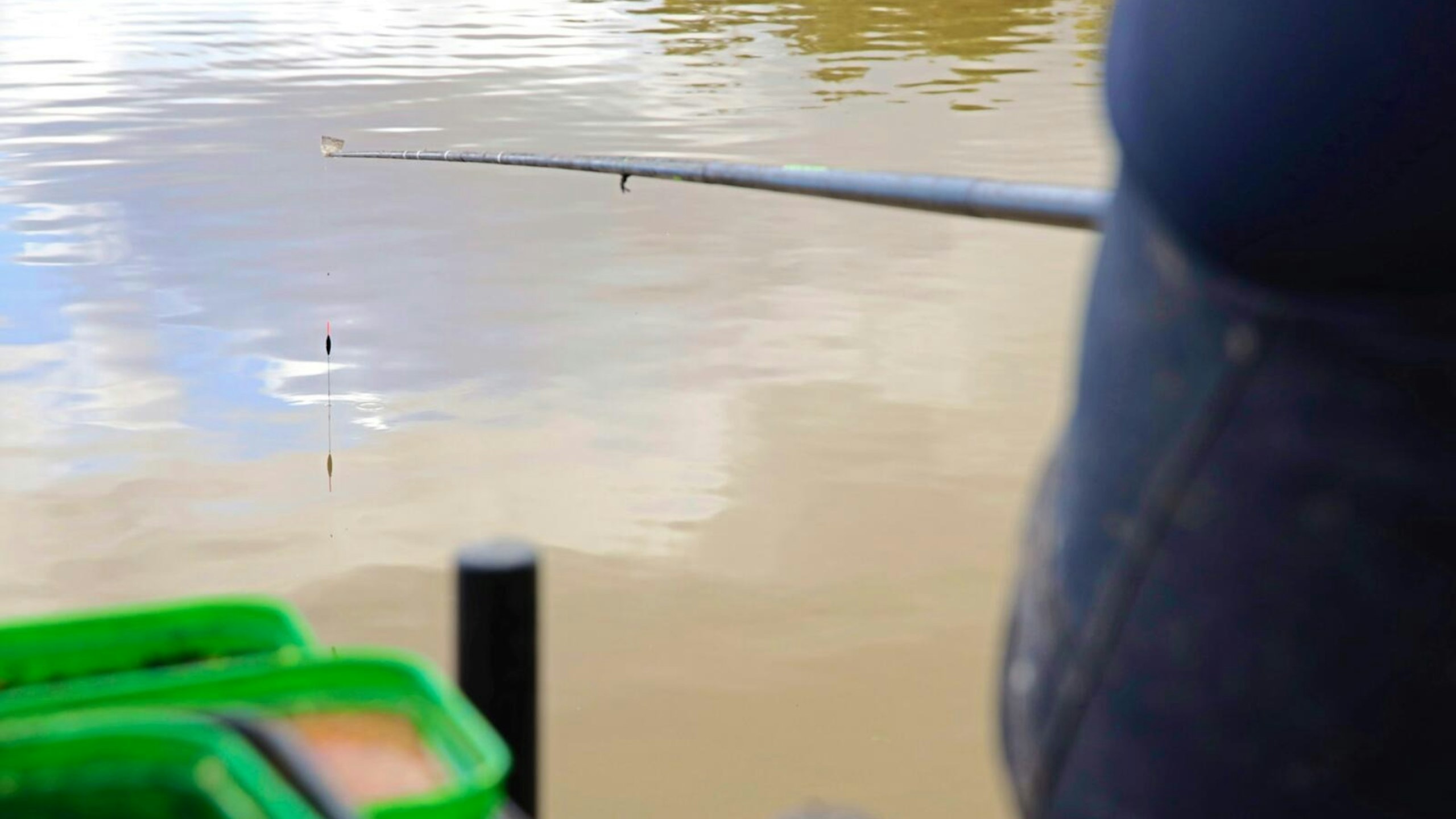
Lower your heavier rig directly over the bed of bait. © Tony Grigorjevs
“How your rig enters the swim may seem insignificant, but it can play a big part in how successful your session is.
“I aim to be extremely accurate with my heavier rig, especially when fishing on the line fed with small nuggets, and I always lower the float in very slowly.
“This pins the hookbait exactly where it needs to be, and I line up with a far-bank marker to ensure I achieve this accuracy.
“If I am using the lighter rig, I’ll flick it in, and this allows it to cover a slightly bigger area as the hookbait sinks. I’ll fish around the baited area, too, as fish that aren’t really in the mood for feeding often come into the swim and then sit on the periphery of where the carpet has been laid.”
Just so you know, we may receive a commission or other compensation from the links on this website - read why you should trust us