- Home|
- Advice|
- Beginners
A beginner’s guide to lure fishing for perch
Lure fishing for perch is a really exciting way to fish, find out how to do it here...

@Thom Hunt
by James Furness |
Updated on5th February 2026 at 10.19am
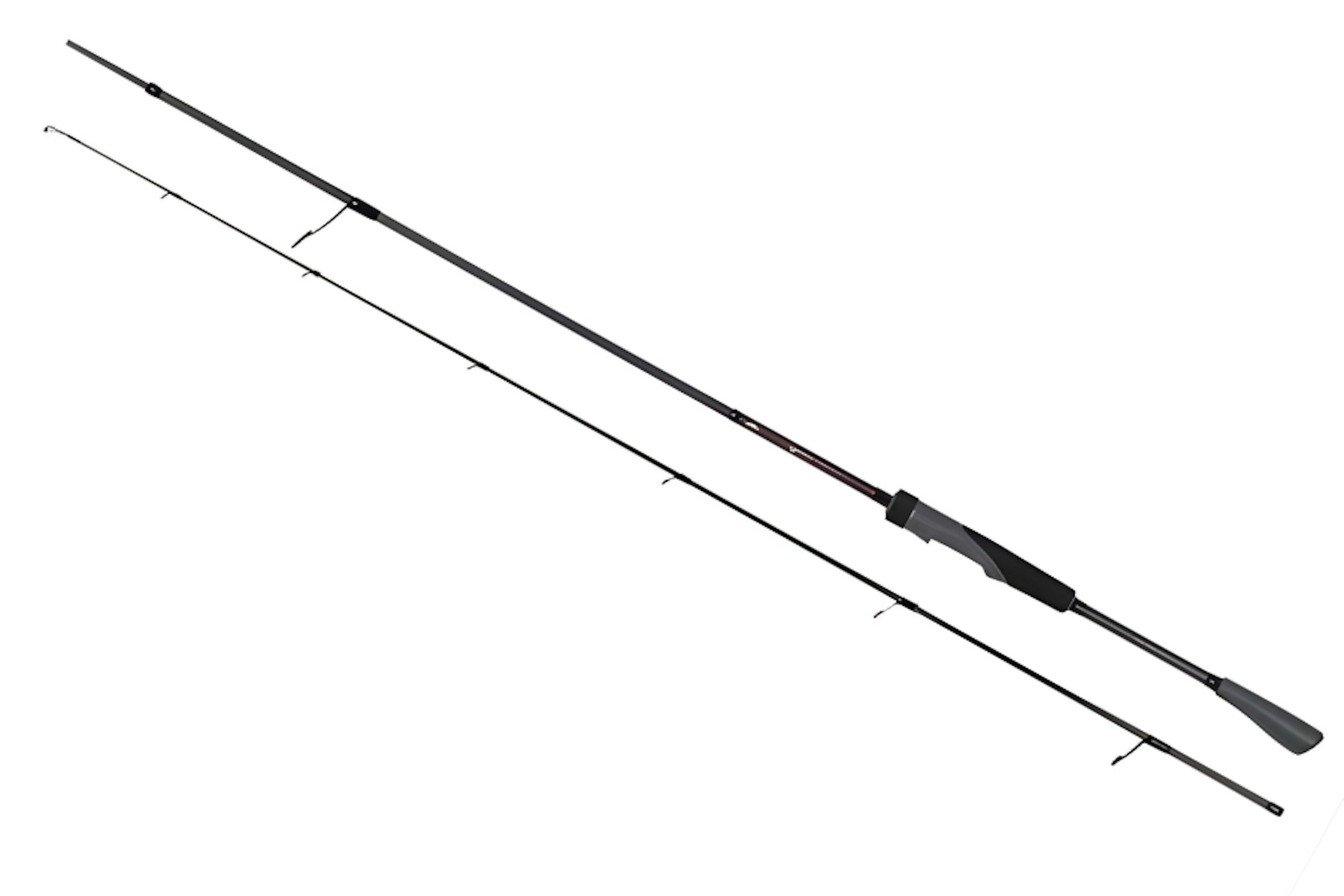
Fox Warrior Light Spin
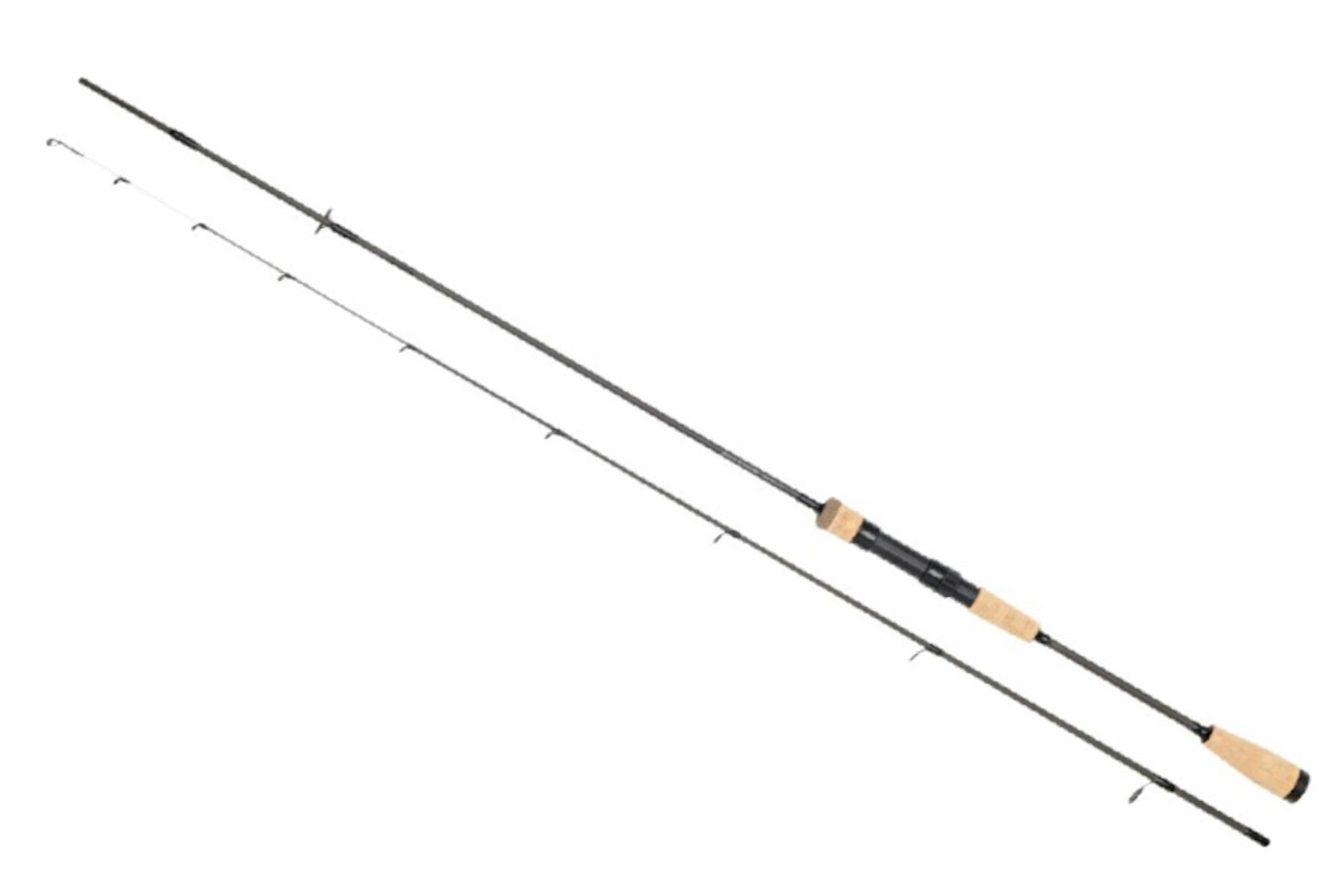
Daiwa Black Widow Dropshot rod
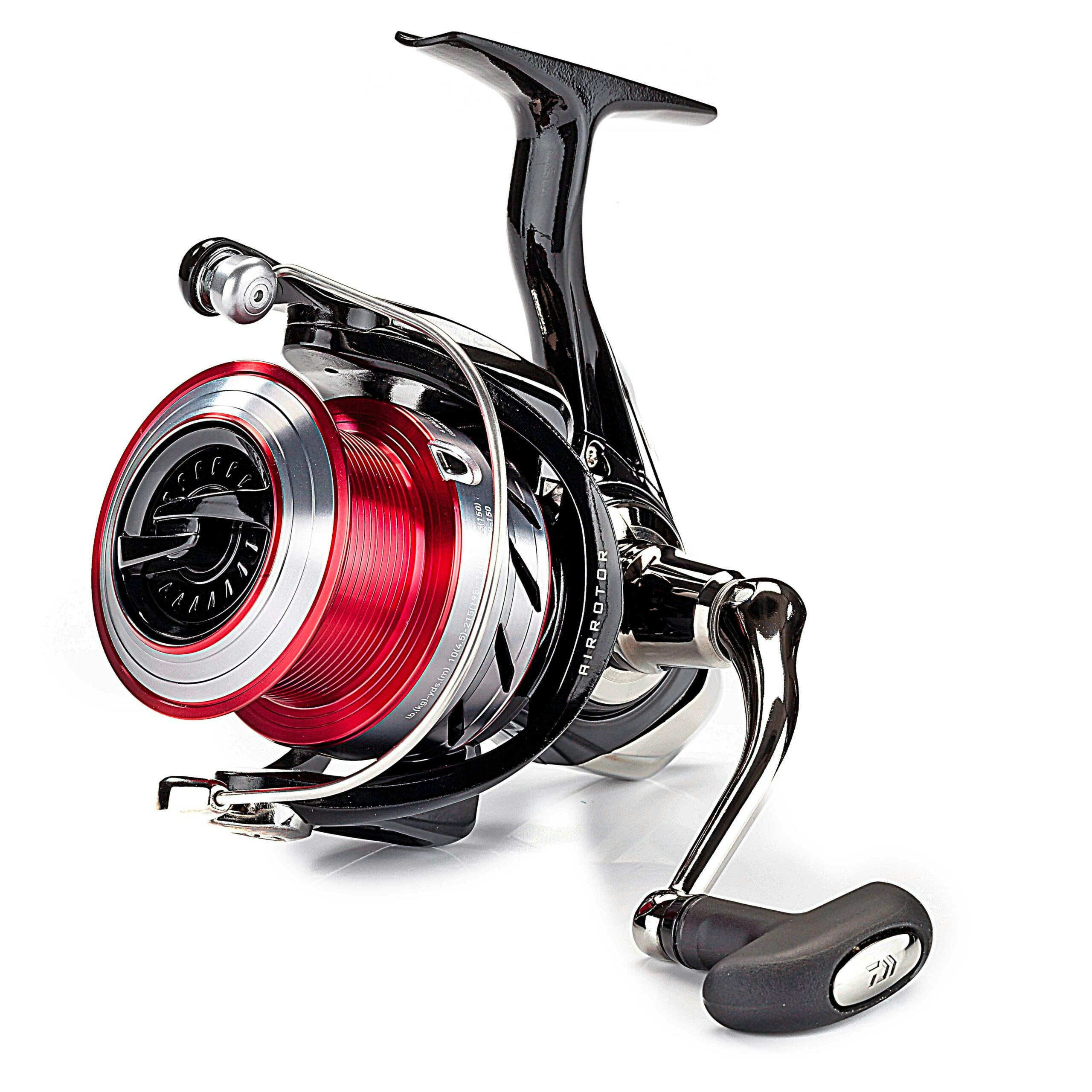
Daiwa Ninja Spinning Reel
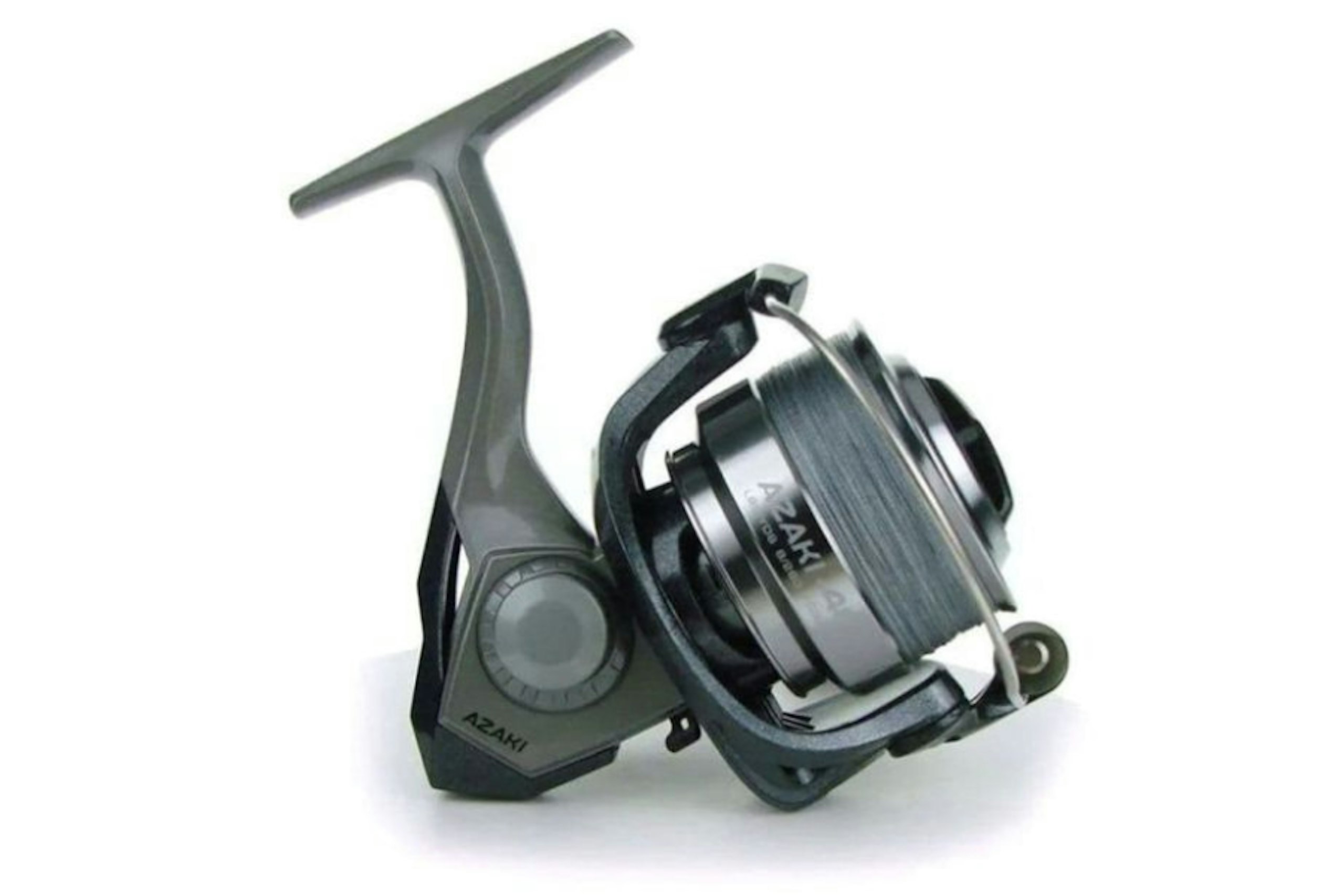
Okuma Azaki Spinning Reel
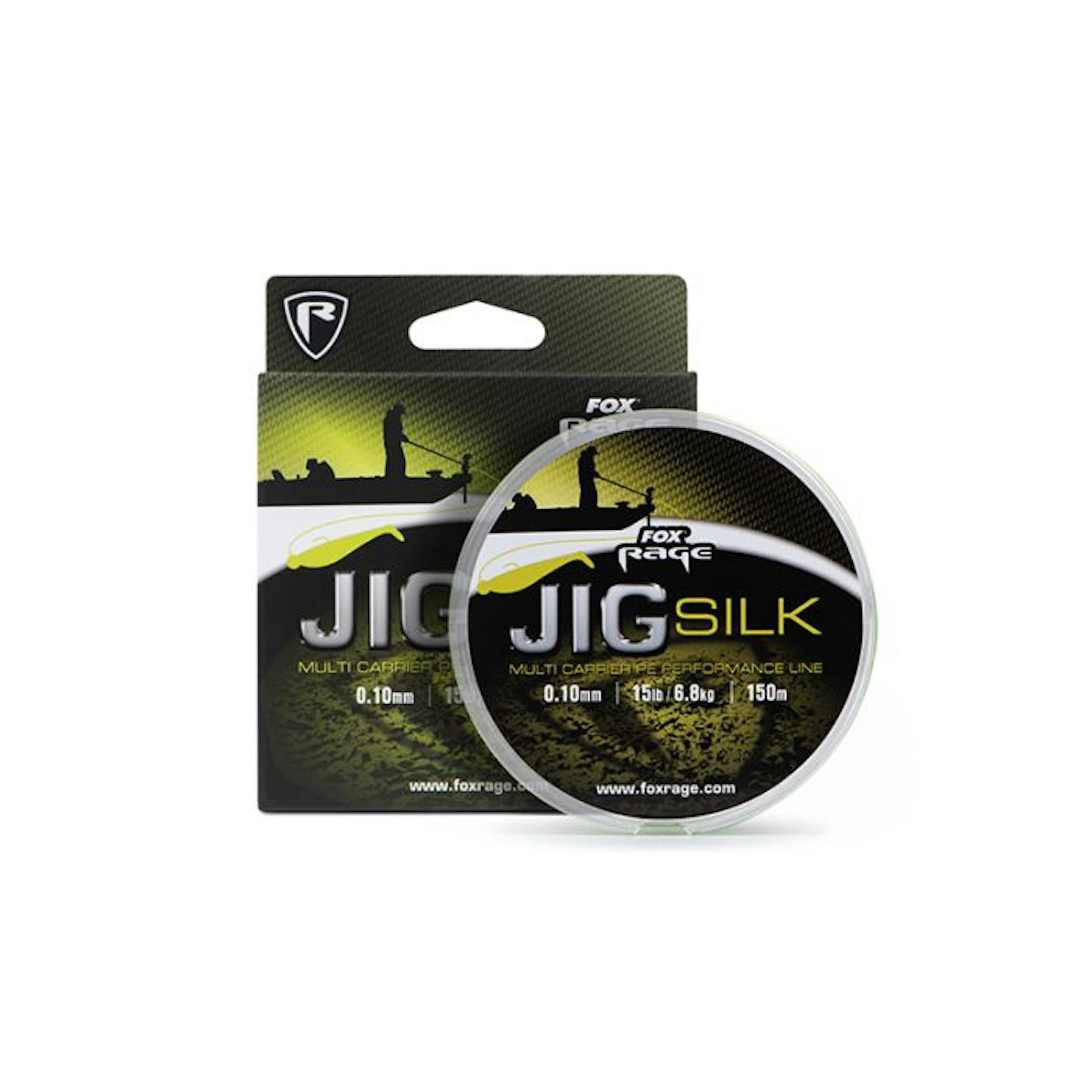
Fox Rage Jig Silk Braid
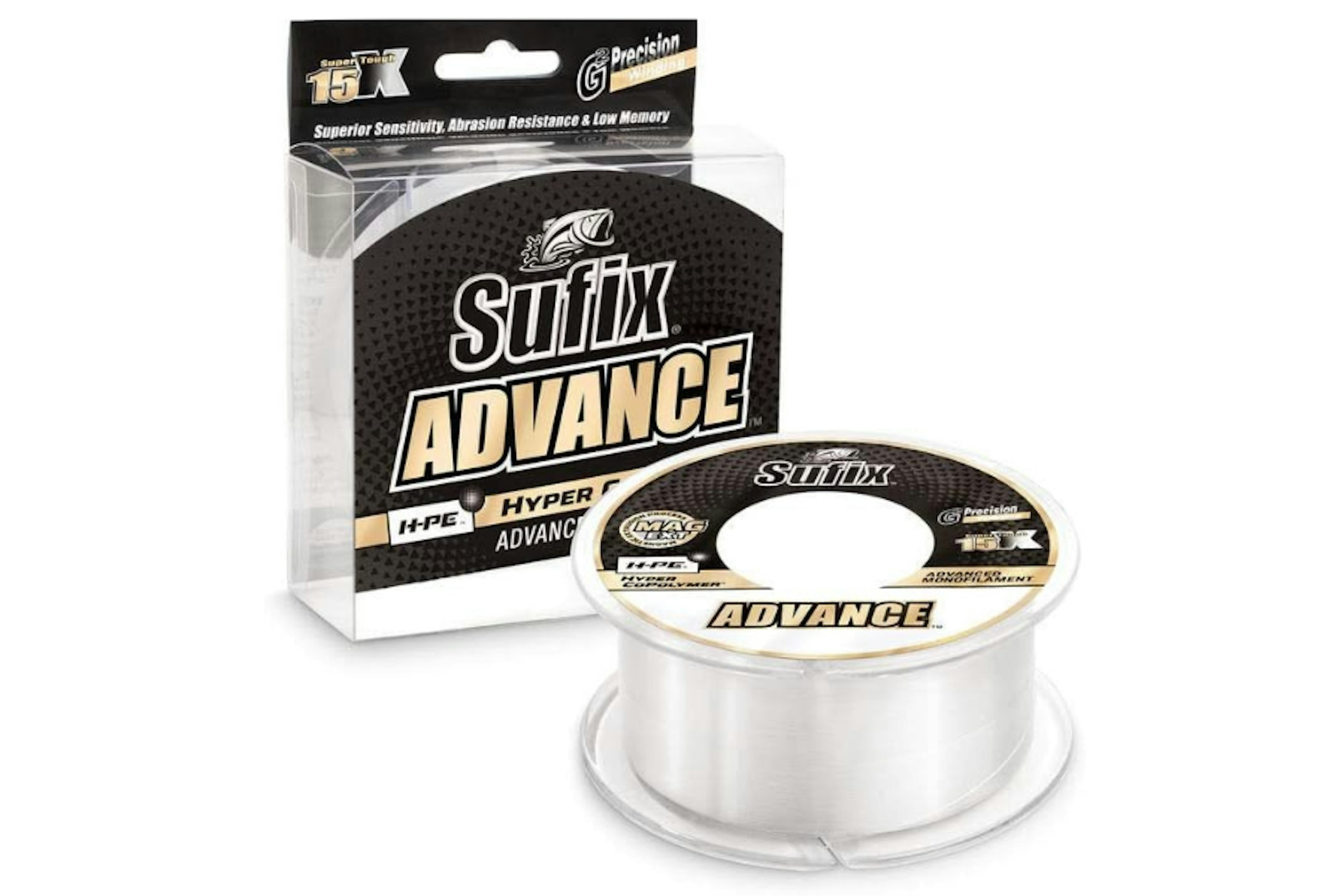
Sufix Advance Mono
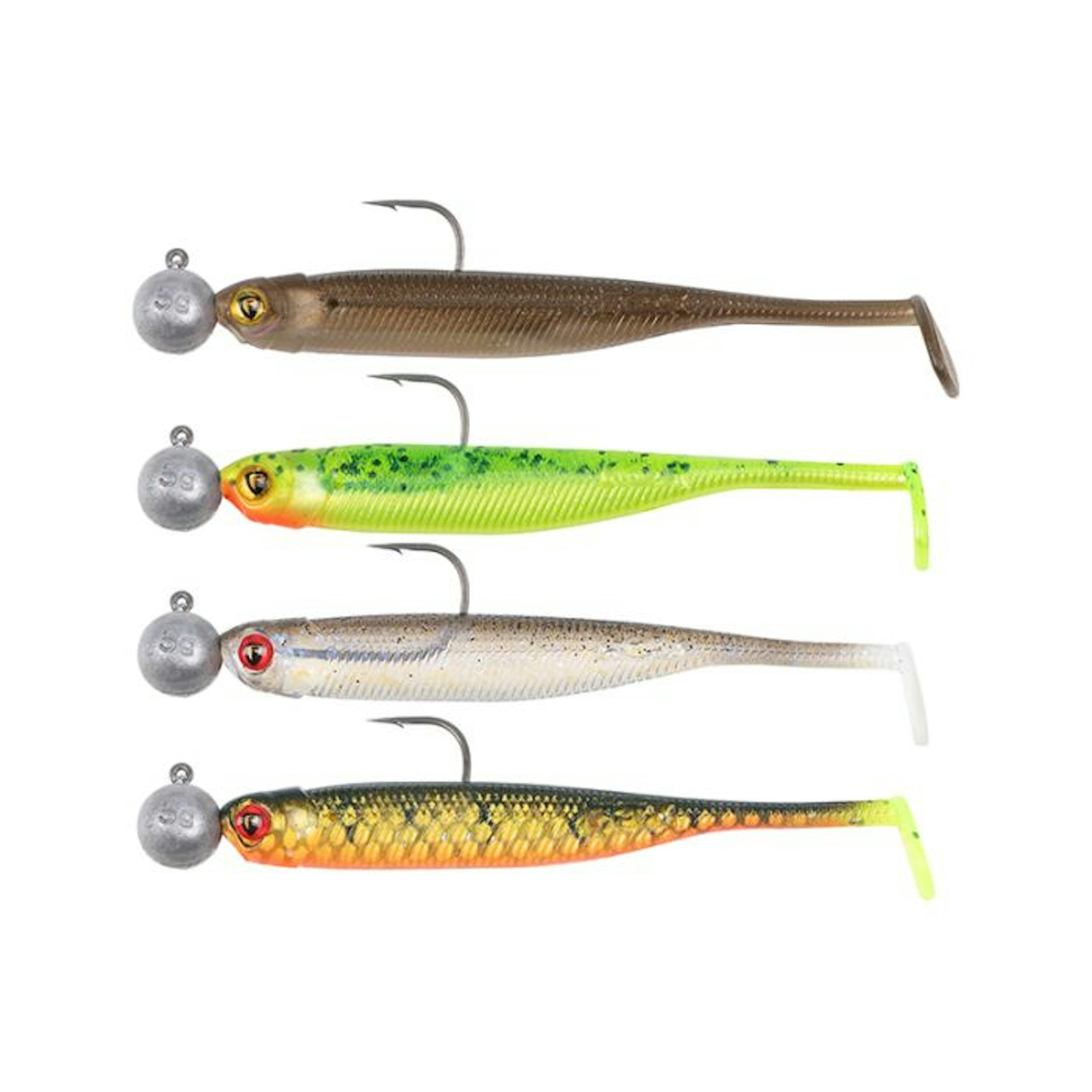
Fox Rage Mini Tiddler Soft Lures
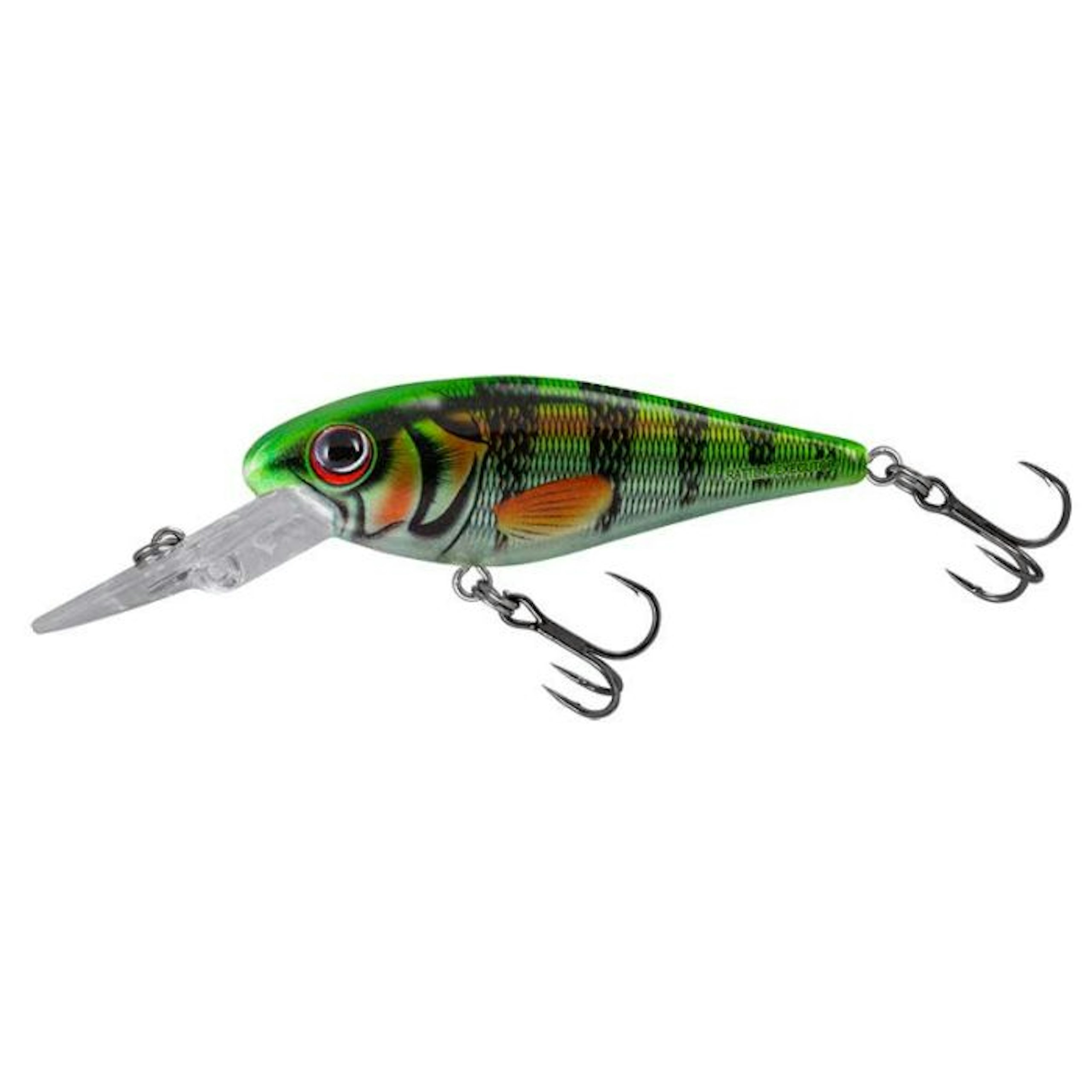
Salmo Rattlin' Executor SDR Hard Crankbait
Westin CreCrea Creature Bait
Blue Fox Vibrax Hot Pepper Spinner
If you have ever fancied giving lure fishing a go, perch are the ideal place to start. They are widespread, often hungry, and they live in the kind of waters most of us can access easily, canals, rivers, park lakes and small stillwaters. You don’t need a mountain of kit, or a full weekend to yourself. A simple setup and the confidence to keep moving and casting is enough to put you in the game.
With those bold black stripes and that spiky dorsal fin, perch are proper little predators and they fight harder than their size suggests. Catch a few and you will quickly see why lure fishing becomes addictive. Connect with one over 2lb and it makes even more sense, because big perch are formidable to look at, and lures are one of the most effective ways to hunt them.
THE BEST SPINNING REELS ARE SUITED FOR LURE FISHING FOR PERCH.
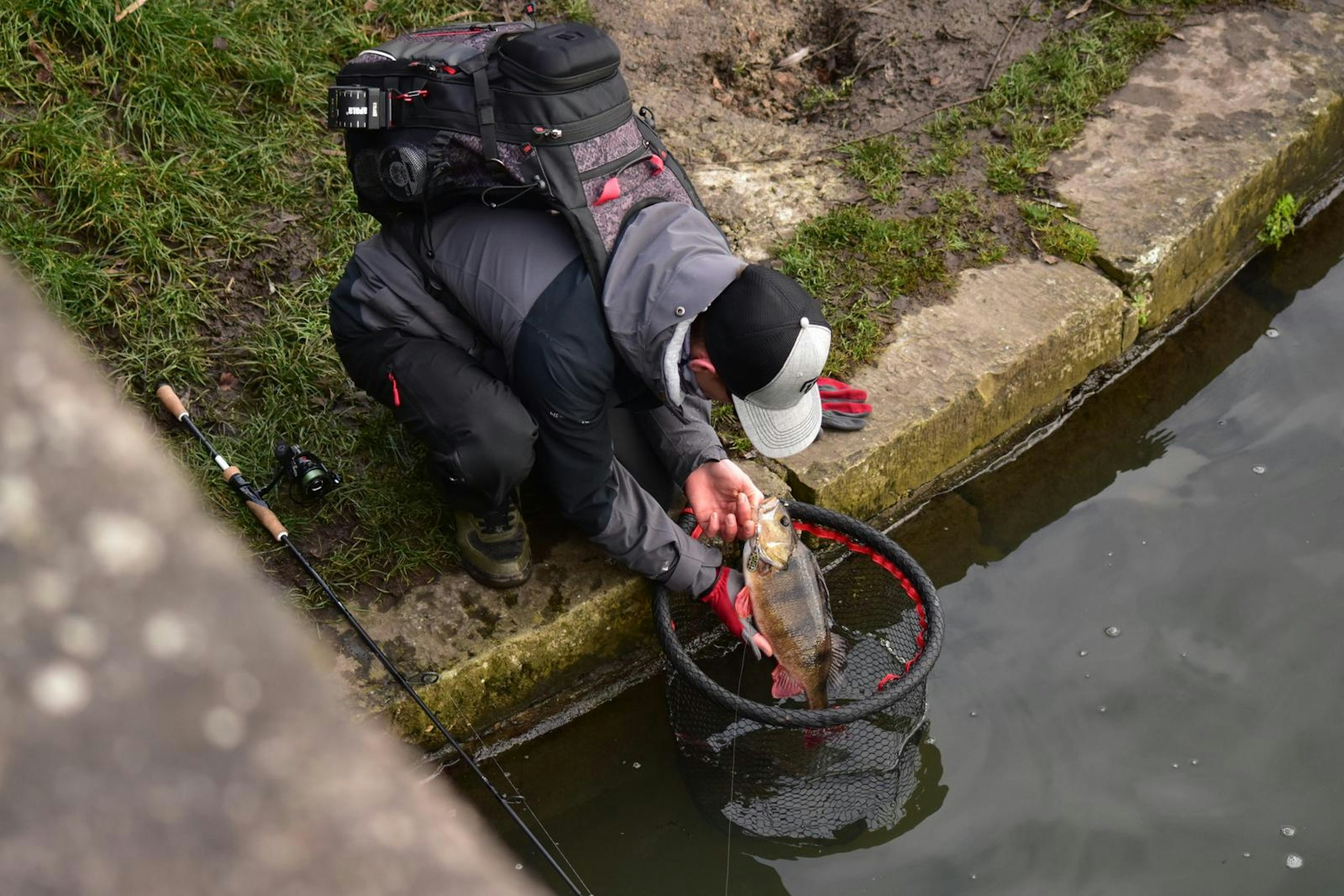
Autumn and winter are brilliant times to start targeting perch, especially if you have dreams of catching a proper stripey. Yes, traditional tactics like lobworms still catch plenty, but more and more anglers are picking up a lure rod because it is a quicker, more hands-on way to find fish and learn what is happening in the swim.
The big appeal of lure fishing is how simple it can be. You do not need loads of bait, a mountain of kit, or a complicated setup. With a rod, a reel, a small box of lures and a pair of forceps, you can get to the bank and start searching. That mobility is important because perch are not always in front of you. If you can move, cast, and cover water, you will find them far more often.
If you are new to it, do not overthink it. Start with a basic, balanced setup, choose a few proven lure styles, and focus on getting your casts accurate and your retrieves consistent. Once you have a couple of perch under your belt, everything starts to click. To help you get going, here are the key essentials that will put you on the right track and cut out the guesswork.
THIS GUIDE WILL HELP YOU CHOOSE THE RIGHT LURES FOR PERCH...
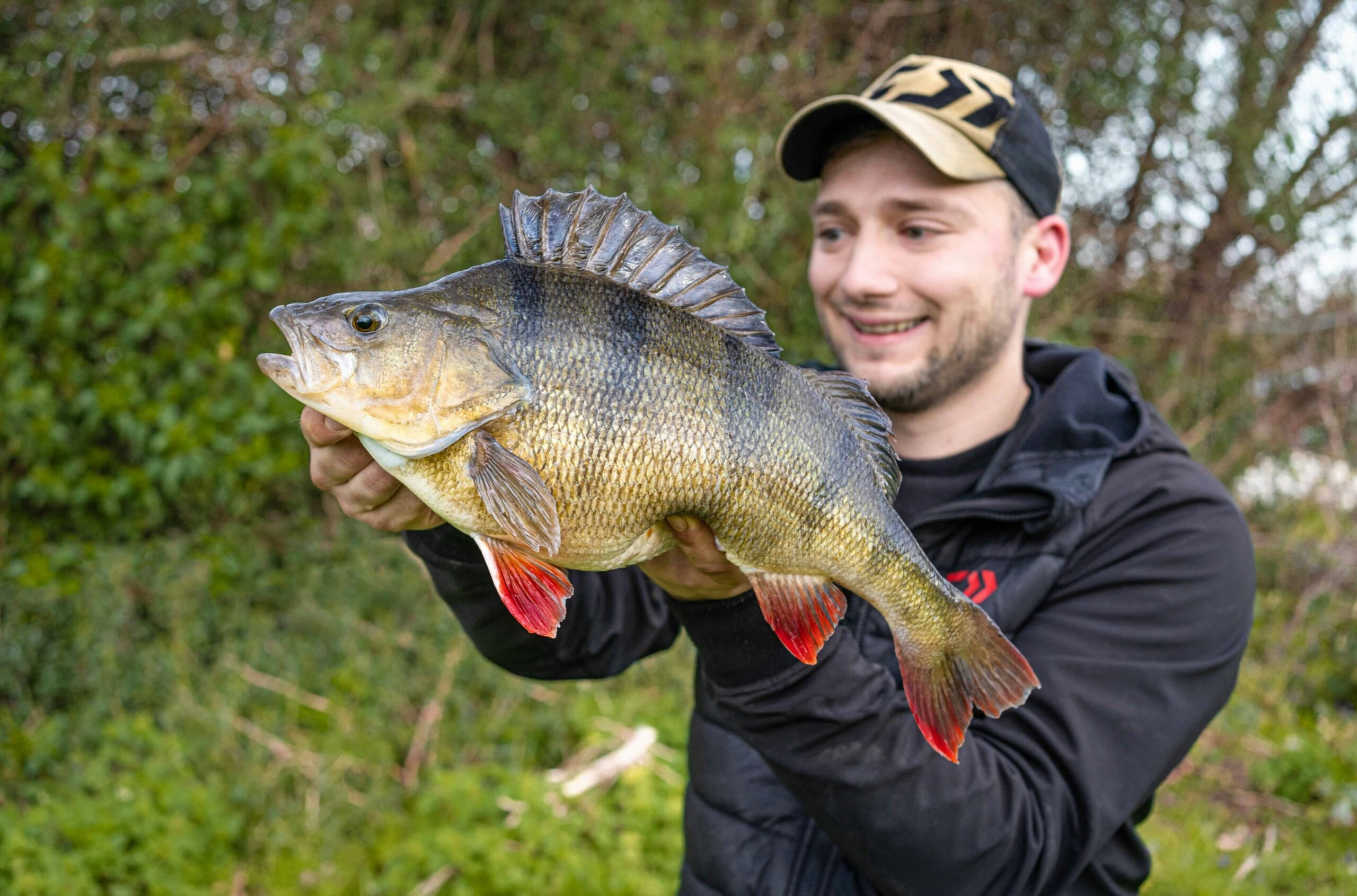
Get it right and you can land a PB perch
Beginner perch fishing rods
When targeting perch on lures, you want a rod that makes casting and working light lures easy, not something that feels like a hard work. A length around 7–8ft is a good all-rounder for canals, drains and small rivers because it gives you casting control without becoming awkward around cover.
Look for a rating that matches what weight jigs and lures you will cast most days, usually 3–15g or 5–15g for small jigheads and compact hardbaits and avoid going too heavy “just in case” because it dulls bite detection.
A responsive tip helps you work soft plastics and read subtle takes, while a blank with a fast tip but progressive midsection this gives you enough cushioning to avoid hook pulls and enough backbone to steer fish away from snags or if you snare a pike.
1. Fox Warrior Light Spin
Best beginner perch lure rod
Price: $39.99
If you are just starting out perch fishing with lures, the Fox Rage Warrior Light Spin is the perfect entry point. It feels light and modern in the hand, but it is not so stiff that it punishes any mistakes. For a first perch rod, that's important as you are still learning what a bite feels like, what weed feels like, and what happens when your lure bumps over rocks or obstacles.
It’s long enough to cast properly on canals, drains and small rivers, but short enough to keep things accurate when fishing close in features, moored boats, overhanging trees and gaps in reeds. With a 5–15g rating and you have a tool that suits the lures most beginners actually use, like small jigheads with 2–3inch soft plastics, little spinners, and compact crankbaits.
The action gives you a bit of cushion, which helps reduce hook pulls when you strike too early or play fish too hard. It still has enough feedback for working soft plastics with confidence, and it loads nicely on the cast, so you are not fighting the blank.
Pros & Cons
Pros
- Soft forgiving action
- Paired with braid you get excellent feedback
Cons
- A little light for bigger lures
Price: $39.99
2. Daiwa Black Widow Dropshot rod
Best budget perch lure rod
Price: $26.57
Dropshotting is perfect for catching perch of all sizes, no matter what venue you are fishing, from the biggest reservoirs to the smallest ponds. Due to the tiny lures and sensitive nature of the method, you need a rod that relays everything going on below the surface.
The Daiwa Black Widow Dropshot rod is the perfect rod for beginners, which won't break the bank either.
It has a light 1-7g rating, making it perfect for working micro jigs and feeling any of the subtle taps and plucks you can often experience when fishing this way, which as a result, will help you catch more fish.
Pros & Cons
Pros
- Perfect dropshot rod for beginners
- Soft tippy action
- white tip helps you see bites easier
Cons
- Is a light rod so will struggle with bigger pike of you hook one
Price: $26.57
Beginner perch fishing reels
A spinning reel perfect for lure fishing for perch should feel smooth and balanced, because you are fishing light and relying on feel. A 2000 or 2500 size is the sweet spot for most perch work, giving you enough line capacity without adding unnecessary weight. Prioritise a consistent front drag that releases line smoothly, as that matters more than the number of bearing when you are playing fish on light tackle.
A solid anti-reverse is a must as you don’t want the reel to move backwards when setting the hooks, a spool that lays line neatly, and a handle that feels solid even under load, because all this helps with lure control and will reduces tangles. As a beginner, a reel that behaves well with braid and does not punish imperfect technique is worth more than flashy livery or spec.
3. Daiwa Ninja Spinning Reel
Best beginner perch lure fishing reel
Price: $54.99
The Daiwa Ninja spinning reel has proven itself for years because it nails the basics, and it does it at a price that makes sense for your first proper lure setup. The range is broad enough to cover almost every path a new lure angler takes, from a 1500 size for micro lures and dropshot, right through to a 4000 for bigger baits and heavier work.
What beginners notice straight away is how easy it is to fish with. The graphite body and Air Rotor keep the weight sensible, and the rotor design helps it feel more stable when you are retrieving under load, which is exactly when cheaper reels can feel vague or clunky. The front drag is predictable and braid-friendly, winding feels smooth enough that you can focus on lure control and varying retrieve to get the most action out of the lure.
The spare spool is a winner It lets you run braid on one and mono on the other or two different breaking strains, which is ideal when you are experimenting and you do not yet know what you prefer.
Pros & Cons
Pros
- Typical daiwa quality
- Spare spool provided
Cons
- Range of sizes can make it difficult for a beginner to choose the right one
Price: $54.99
4. Okuma Azaki Spinning Reel
Best budget perch lure fishing reel
Price: $29.99
The Okuma Azaki is a proper beginner-friendly lure reel because it removes the two things most newcomers mess up first, line choice and spooling. The 30 and 40 models come pre-loaded with braid from the factory, so you can tie on a leader, clip on a lure, and get fishing without starting your lure journey with wind knots and frustration.
The reel gets the basics right. The anti-reverse is solid with no handle back-play important when setting the hook. The drag is smooth, which is useful when you are playing fish on braid and still getting to grips with the drag and a gear ratio that suits steady retrieves for soft plastics, spinners and small crankbaits.
With two models to choose from the Azaki 30 is pre-spooled with 20lb braid, which is a good starting point for perch and general canal work. The Azaki 40 comes with 30lb braid, better if you fish snaggy venues or expect the occasional bonus pike while you are jigging for perch.
Pros & Cons
Pros
- Ready spooled with braid
- Smooth quick retrieve
Cons
- A waste if you intend to use mono
Price: $29.99
Best perch fishing lines
Line choice is crucial where lure fishing for perch is concerned. Braid gives you maximum sensitivity and virtually no stretch, so you feel every little tap, the lure ticking the bottom, and any takes on the drop, and you get much more direct connection at range. The trade-off is that braid is less forgiving, so it can be prone to tangles and punish poor casting technique, and you will usually want a short fluorocarbon leader for abrasion resistance and invisibility.
Mono is easier to manage and more forgiving, with better shock absorption and fewer wind-knot headaches, but it has more stretch, so you lose some feel and bite detection. For most perch anglers, braid plus a leader is the best 'proper' setup, but if you are brand new and want stress-free casting without the need for leaders while you learn, a high-quality low-memory mono can be the perfect place to start.
5. Fox Rage Jig Silk Braid
Best braid for lure fishing for perch
Price: $16.99
Fox Rage Jig Silk is an 8-strand water repellant braid, so it has a rounder, smoother profile than typical budget 4-strand lines. Will come off the spool more cleanly, cast more smoothly, and behave better through the guides, which means fewer annoying tangles essential for beginners just learning their craft.
The near-zero stretch is almost essential when fishing jigs and small soft plastics for perch, the bites can be tiny, and a decent braid helps you feel them. You pick up little taps, knocks and changes in vibration far more clearly, which speeds up that learning curve where you start to tell the difference between bottom, weed, and a fish actually having it. Setting the hooks feels more direct, even when fishing at range.
Jig Silk’s, coating and abrasion resistance make it stand out, perch often live around the rough stuff, natural and man-made structures. The bright green colour is practical for tracking your line to detect pick-ups as the lure sinks, available in 8 different breaking strains lets you choose something sensible for perch without feeling undergunned if a bonus pike turns up.
Pros & Cons
Pros
- 8 strand braid allows for smoother casting
- Water repellant so won't become water logged
Cons
- Quite expensive compared to some mono
Price: $16.99
6. Sufix Advance Mono
Best mono for lure fishing for perch
Price: $11.49
Sufix Advance Mono is a more manageable and user friendly alternative to braid. A good mono is often easier for beginners to live with than braid, as it behaves better on the spool, and is less prone to knots and tangles. Sufix Advance is low diameter and supple, which is far removed from the stereotypical ‘mono is too thick and like wire’ myth.
These attributes lend themselves to lure fishing for perch fishing because you are constantly working lures around snags, rock, metalwork, and sharp edges where standard mono can get damaged quickly. With around 50% lower stretch than standard monofilament, it helps bite detection and lure control without going full braid.
Pros & Cons
Pros
- Low stretch and diameter
- Supple and user-friendly
Cons
- Not as direct as braid
Price: $11.49
Best lures for perch fishing
Having a variety of lures is essential because perch do not typically respond to the same thing every day, even on the same venue. Water clarity, depth, temperature, light levels, wind, and how pressured the fish are can all influence what they will chase, and sometimes the difference between a blank and a busy session is as simple as switching from a shad to a spinner, or from a noisy crank to a subtle creature bait.
Once you start noticing those patterns, you stop carrying a random box of lures and begin curating a selection that suits the places you fish most, the depths you tend to work, and the type of cover you are targeting. There is a ridiculous variety of lure styles in every shape, size, colour and material, and that is exactly what makes lure fishing addictive. You are always trying to work out what will flick the switch, and when it does, you feel like you have earned the bite rather than just got lucky.
7. Fox Rage Mini Tiddler Soft Lures
Best soft lures of perch lure fishing
Price: $7.99
Fox Rage Mini Tiddlers in 8cm, especially in the loaded 5g jighead version, is one of the easiest ways get started perch fishing with soft plastics. The shape is a clean little baitfish profile and the paddle tail does the hard work for you, kicking out vibration even on a slow, steady retrieve. That is exactly what a beginner needs because you can cover water, keep the lure moving, and still trigger bites without having to master fancy rod work on day one.
The other win is convenience. With the loaded packs you are effectively buying a ready-made system, correct size lure, sensible weight, and a hook that matches the body. Clip it on and fish it.
Pros & Cons
Pros
- Ready to go lure and jog head
- Bright UV colours
Cons
- Soft baits can oftern get damaged if they attract toothy predators
Price: $7.99
8. Salmo Rattlin' Executor SDR Hard Crankbait
Best hard crankbait for perch lure fishing
Price: $10.99
The Salmo Rattlin’ Executor SDR (Super deep runner) leans into that noise factor, but it is not just noise for the sake of it. The built-in rattle combines visual movement and an audible signal that can pull fish in when they are spread out or sat a bit deeper.
For perch, the 5cm 5.5g is the sensible starting point, while the 7cm 8g version is there when you want a bigger specimen or you are expecting bonus fish. Patterns like Hot Perch and Brown Perch are great options.
Pros & Cons
Pros
- Dive vain will help you search deep canal basins and drop offs
- Rattle adds another level of attraction
Cons
- Aren't cheap so losing a few can get expensive
Price: $10.99
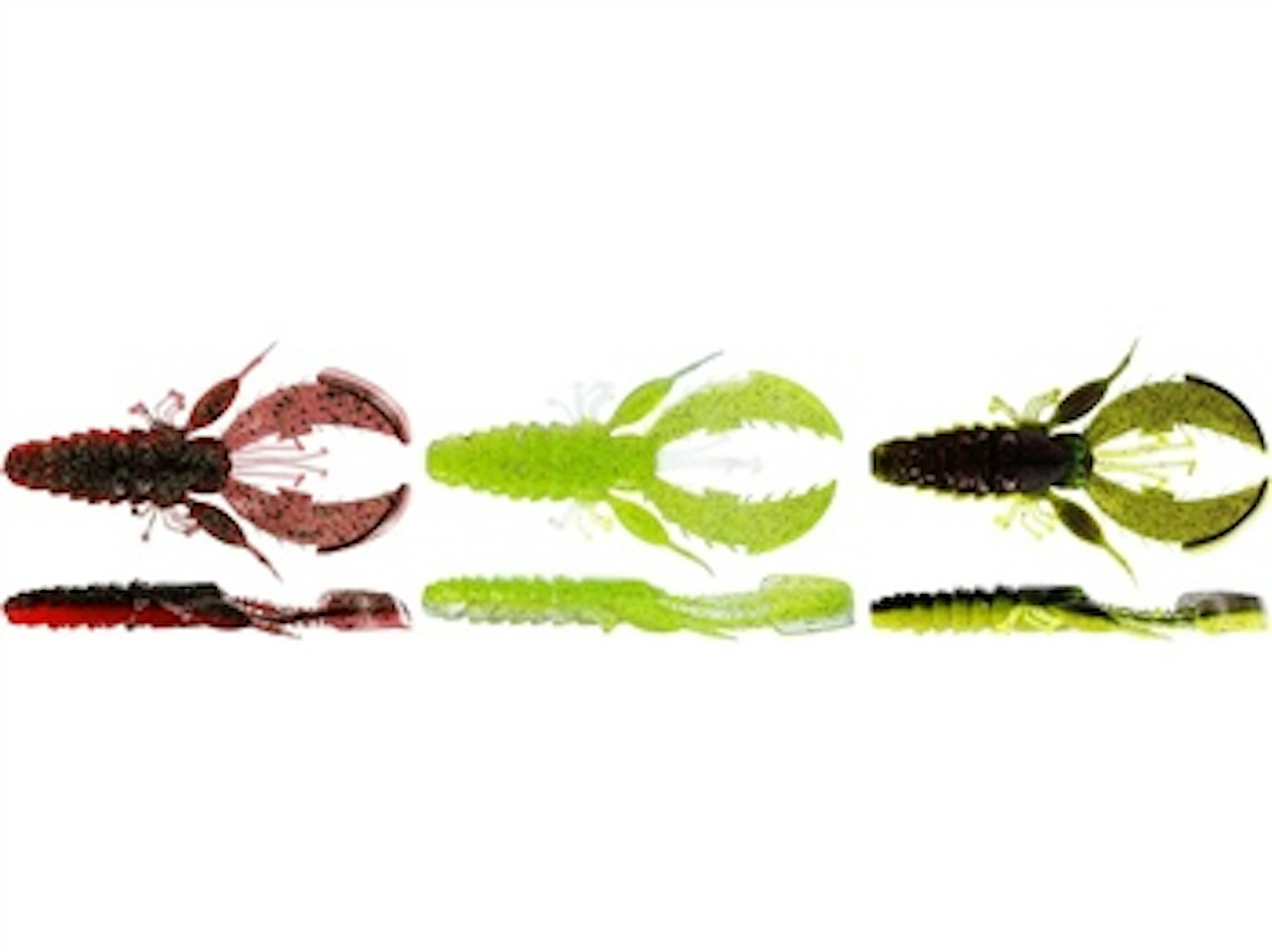
9. Westin CreCrea Creature Bait
Best creature bait for perch lure fishing
Price: $7.99
www.fishingtackleandbait.co.uk
The Westin CreCraw is a must-have perch lure, especially on venues with signal crayfish. Its claws work instantly on entry, with legs and tentacles adding lifelike movement even at slow speeds. The wide body gives excellent stability, preventing rolling and line twist on lift-and-drop retrieves.
Easy to rig on a jighead or weedless offset hook thanks to hook slots in the back and belly, it’s ideal for fishing snags, roots, reeds, and other crayfish hotspots where big perch hunt. Finished with an anise scent and made from non-toxic material, it’s a highly effective and versatile creature bait.
Pros & Cons
Pros
- Impregnated with anise scent
- Simple to rig on a jighead
Cons
- Pretty much useless in venues where crayfish aren't present
Price: $7.99
www.fishingtackleandbait.co.uk
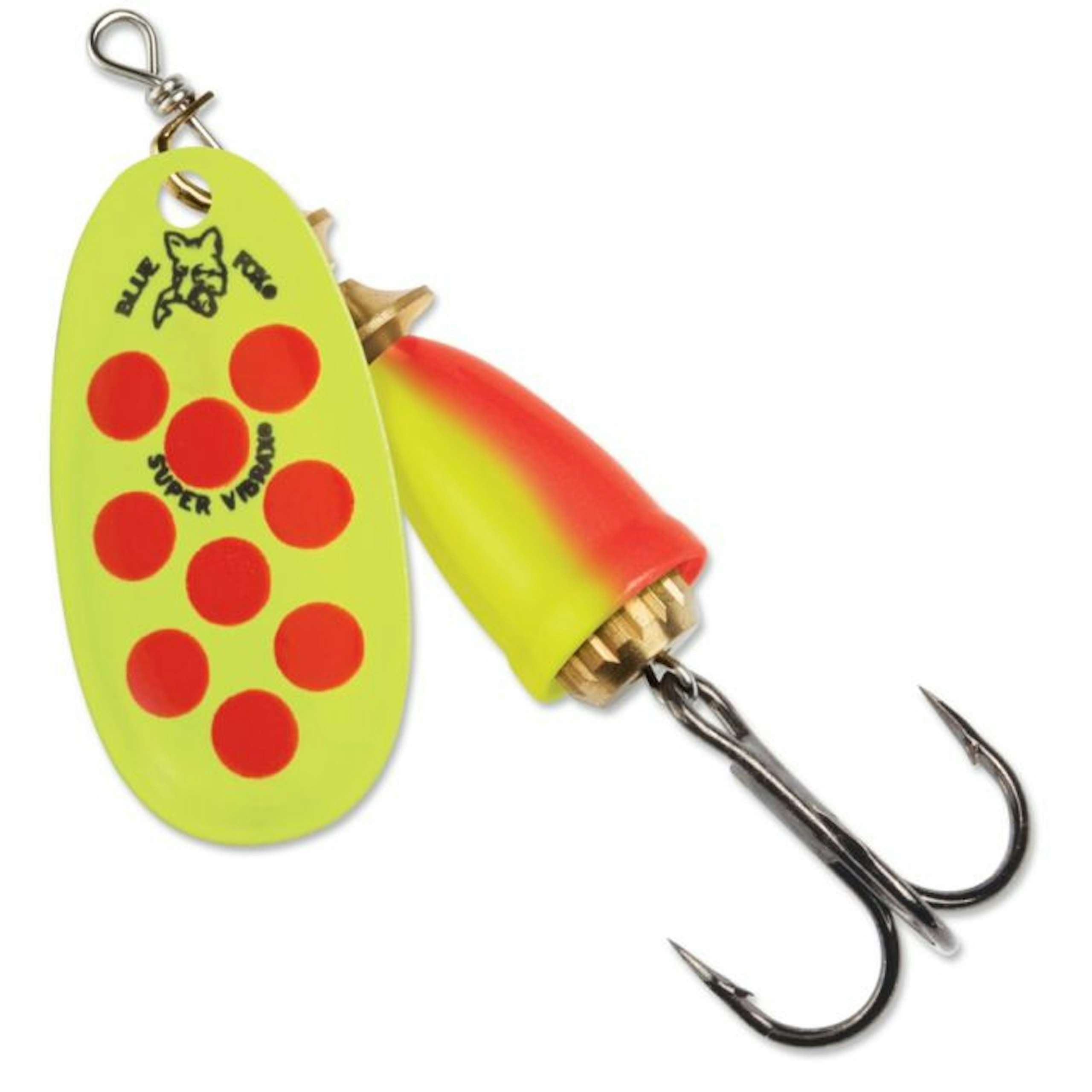
10. Blue Fox Vibrax Hot Pepper Spinner
Best spinner for perch lure fishing
Price: $4.59
The Blue Fox Vibrax Hot Pepper is popular because it’s simple to use and consistently catches fish. Its two-part body design greatly reduces line twist, making it ideal for beginners and hassle-free fishing on canals, rivers, and lakes.
The free-spinning blade runs the lure at mid-depth, right where perch often patrol, producing strong low-frequency vibration that works well in coloured water or flow. Hot Pepper finishes add high-contrast flash to trigger reaction bites from following fish.
Built with a machined brass body, stainless steel shaft, and fitted with a strong VMC treble, it’s a reliable, effective spinner for all levels of angler.
Pros & Cons
Pros
- High contrast and vibration emitting blade
- Anti-twist thanks to 2 piece contruction
Cons
- Trebles have a tendancy to pick up weed and debris
Price: $4.59
Frequently asked questions beginner lure fishing for perch
What is the best setup to start perch lure fishing?
A 7–8ft light or medium-light spinning rod matched to a 2000 or 2500 size reel is the easiest place to begin.
What lures should I buy first for perch?
Start with three types that cover most situations. A small paddle-tail shad on a jighead for working the bottom, a spinner for searching and triggering reaction bites, and a small crankbait for covering water at a set depth.
What size and weight lures are right for perch?
Start with 5–10cm lures and weights around 3–7g, depending on depth and wind. In shallow canals you might fish lighter, in deeper rivers or when it is breezy you go heavier to stay in contact. If you cannot feel the lure, you are too light. If it is constantly snagging or crashing into the bottom, you are too heavy.
Braid or mono for beginners, which is better?
Braid plus a short fluorocarbon leader is usually best for perch because you feel more and strike more effectively. Mono is easier to manage and more forgiving, so it is a good option if you are new and want fewer tangles while you learn casting and lure control. If you start with mono, you can always move to braid later once you are confident.
Glossary of terms
Action: How a rod bends under load. Fast actions bend mostly in the tip, progressive actions bend through more of the blank.
Braid: Woven, low-stretch line with high sensitivity. Usually fished with a fluorocarbon leader.
Breaking strain: The stated strength of a line, usually in pounds (lb).
Casting weight: The lure weight range a rod is designed to cast effectively, shown as grams (g).
Crankbait: A hard-bodied lure with a diving lip that wobbles as it is retrieved.
Drop shot: A rig where the weight sits below the hook, keeping the lure hovering above the bottom.
Drag: The clutch on a reel that lets line slip under pressure to prevent break-offs.
Fluorocarbon leader: A short length of fluorocarbon tied to braid for abrasion resistance and reduced visibility.
Front drag: A drag system adjusted at the front of the spool. Common on spinning reels.
Jighead: A weighted hook, usually with a lead head, used to rig soft plastics.
Line twist: Twisting of line caused by spinning lures or poor rigging, leading to tangles.
Micro lures: Small, light lures designed for shy fish or clear water, often 1–5g.
Mono: Monofilament line. More stretch than braid, often easier for beginners to manage.
Paddle tail: A soft plastic tail design that creates vibration when retrieved.
Progressive action: A rod action that bends smoothly from tip into midsection as pressure increases.
Retrieve: The act of winding the lure back.
Rod rating: The lure weight range a rod is designed for, shown in grams.
Sensitive tip: A rod tip that transmits bite information clearly.
Shad: A soft plastic lure, often with a paddle tail, used for jigging or steady retrieves.
Snag: Underwater obstruction like weed, rocks, branches or shopping trolleys.
Spinner: A lure with a rotating blade that creates flash and vibration.
Structure: Underwater features like shelves, drop-offs, bridges, rocks or man-made edges.
UV colour: A finish designed to reflect ultraviolet light, sometimes improving visibility to fish.
Vibration: The thump or pulse a lure gives off, often important for perch in coloured water.
Weedless: A rigging method that hides the hook point to reduce snagging.
Wind knot: A tangle common with braid, often caused by slack line and poor line lay.
Author Jonathan Longden, is an experienced angler. With over 20 years experience in the tackle trade specialising in match and coarse fishing he has an extensive practical knowledge of the latest equipment and the specific needs of anglers. He currently occupies the role of digital content writer at Angling Times.
Just so you know, we may receive a commission or other compensation from the links on this website - read why you should trust us