- Home|
- Advice|
- Rigs
A simple feeder setup for commercial bream and skimmers
A simple, effective feeder setup for catching skimmers and bream on commercial fisheries.

by Jonathan Longden |
Published on4th March 2026 at 1.07pm
Follow Angling Times on Google
More and more commercial venues now have proper stocks of bream and skimmers, and they can be the difference between a steady day’s fishing and a session that never really gets going.
A pole is highly effective if the wind, tow and your peg allow it, but on plenty of days the feeder is the easiest way to keep fish coming and control the pace. The key is not to simply scale down a big-water bream setup. On most commercials you are fishing shorter and tighter, with lighter gear, smaller feeders, and a more measured approach. Even the bait and feed choices often have a definite nod to carp fishing.
On places like Meadowlands Fishery in the West Midlands, skimmers live right amongst the carp. They will fill the gaps while you are waiting for bigger fish to turn up, and they can turn a slow session into a proper day’s sport if you treat them as a target rather than a bonus.
THE BEST MEDIUM FEEDER RODS ARE GREAT BREAM CATCHING TOOLS.
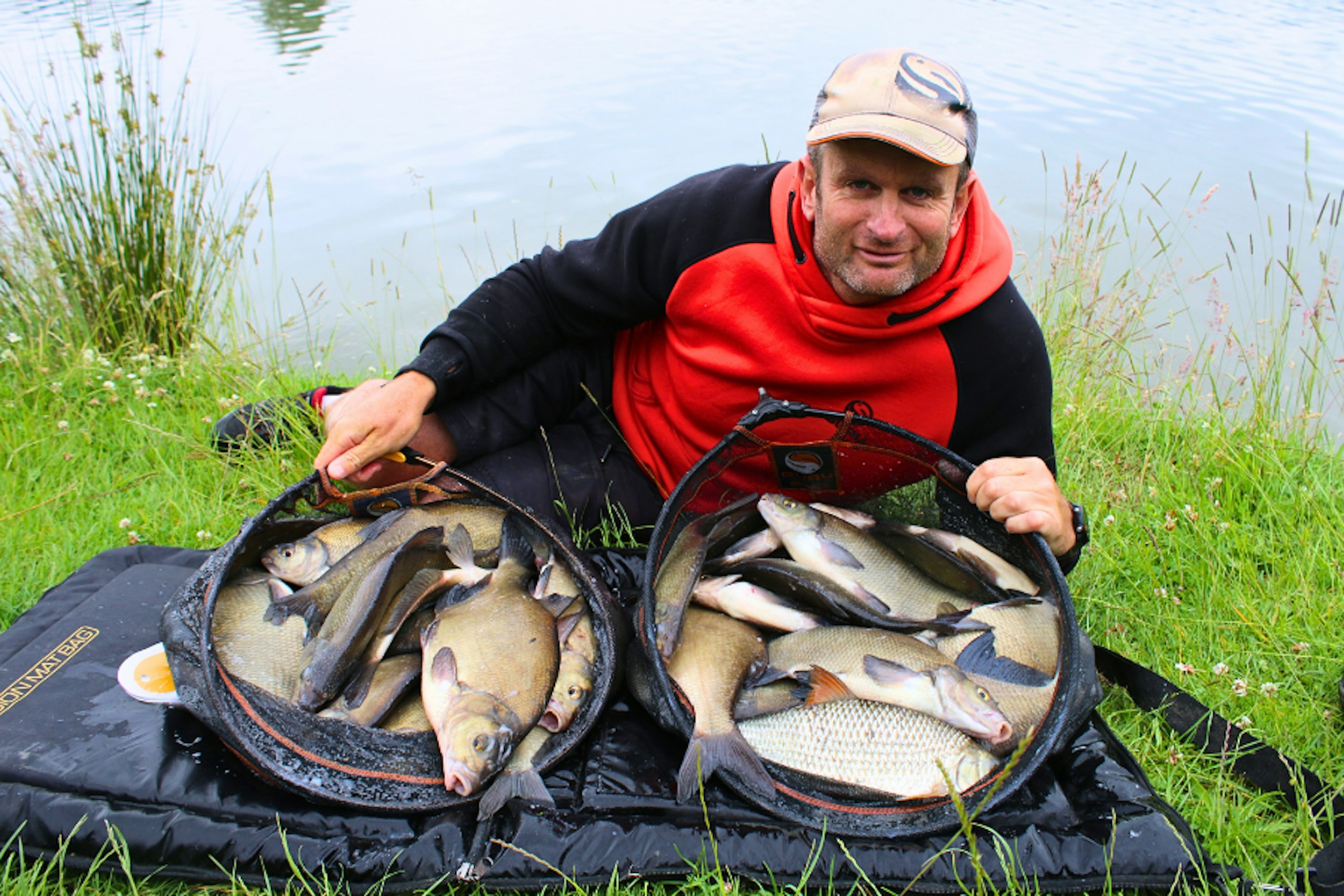
Running or fixed rig?
Rules come first, because some fisheries will not allow fixed feeder setups. If both are permitted, you are choosing between simplicity and bite conversion.
A running rig is the least hassle. The feeder runs straight on the mainline and is stopped just above the hooklength. It tangles less, it is forgiving, and it is ideal if you are casting regularly and want everything to reset cleanly.
A semi-fixed setup can nick you extra fish because it adds a little resistance when a bream picks up the bait and moves off. Traditionally that is done by trapping the feeder inside a short loop in the mainline, around 6 to 8 inches. The feeder still has a degree of movement, but only up to a point, and that is often enough to turn taps into hooked fish.
If you want a tidier alternative to a loop, a float stop above the feeder can act as a semi-fixed option while still allowing the feeder to slide and, importantly, fall away if the rig breaks. It is a small detail, but it is worth thinking about from both a tangle and safety point of view.
CRANKING IN FEEDERS ARE NO PROBLEM FOR THE BEST FEEDER FISHING REELS.
Choosing the right feeder
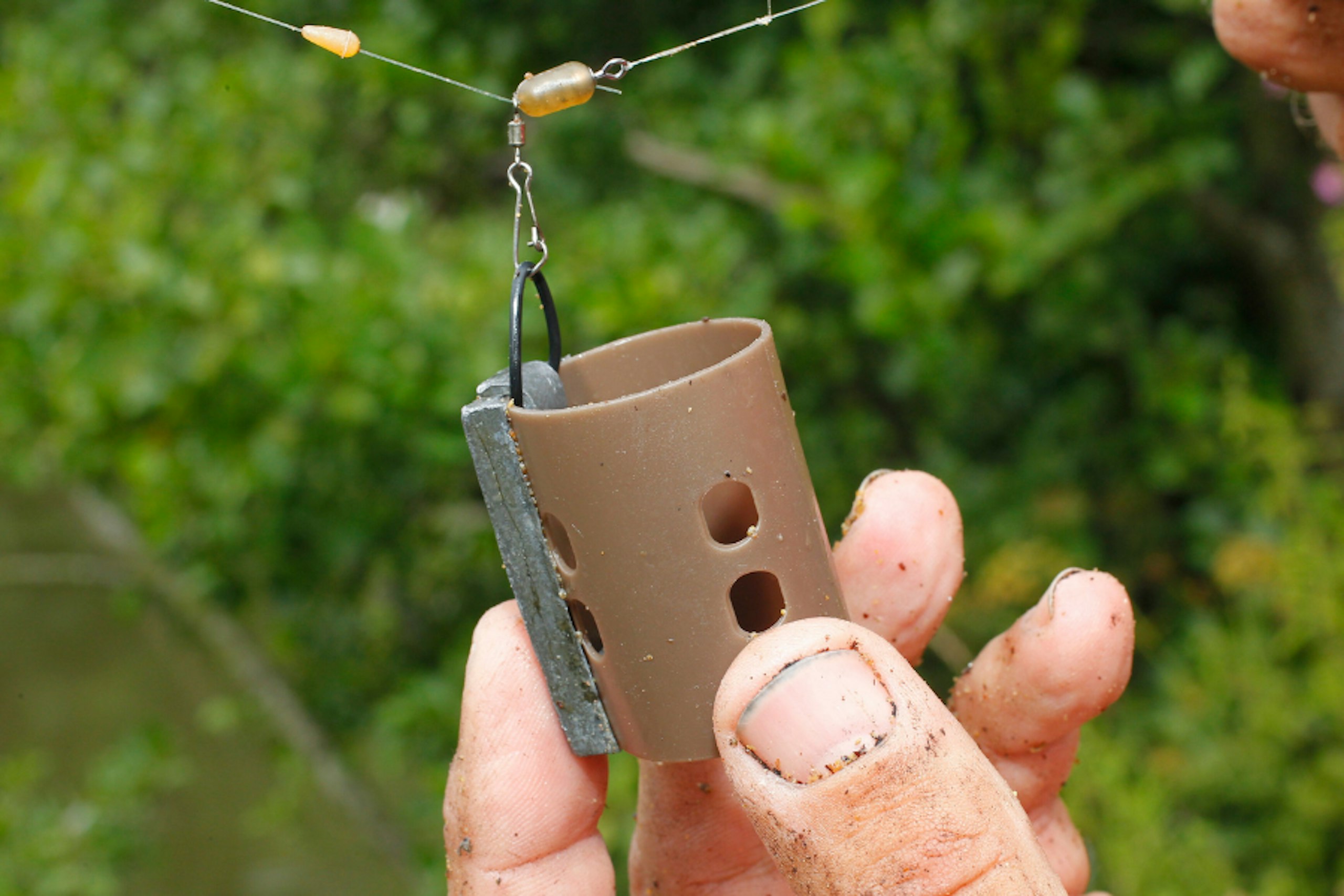
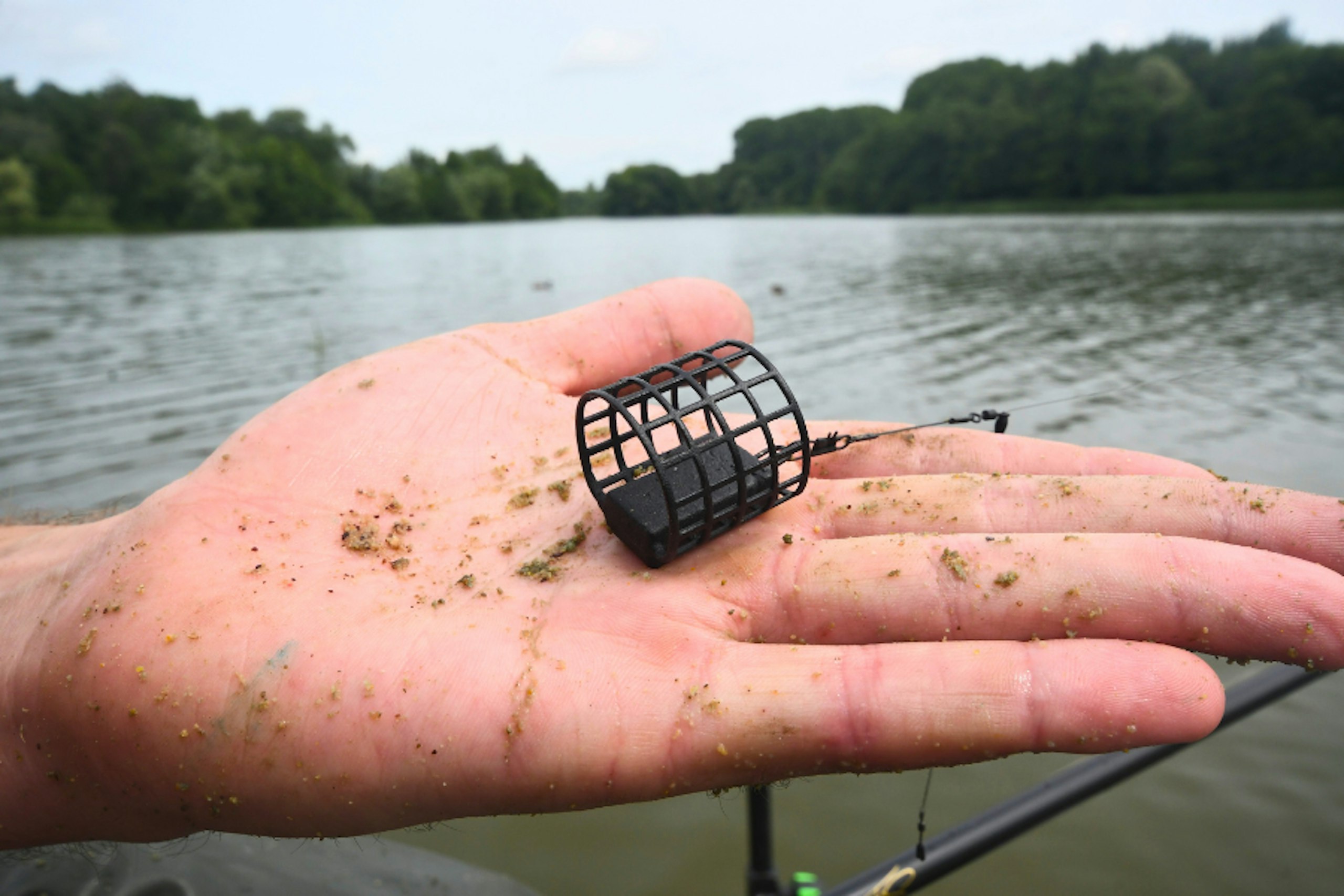
For most commercial bream work, a small cage feeder is a smart starting point. Metal cages carry weight naturally, fly straight, and let the mix break down quickly, which is useful on shallow venues where you want attraction as soon as the feeder settles.
If you are fishing deeper water, or you need the feed to hold in longer on the drop, a plastic open-end can be the better tool, especially one with fewer holes. Either way, start small. The quickest way to kill a swim is to introduce too much bait too early. Pick the lightest feeder that still lets you hit the distance comfortably and repeatedly.
GET SET UP PROPERLY FOR FEEDER FISHING THANKS TO THIS EXPERT GUIDE.
Add a boom to avoid tangles
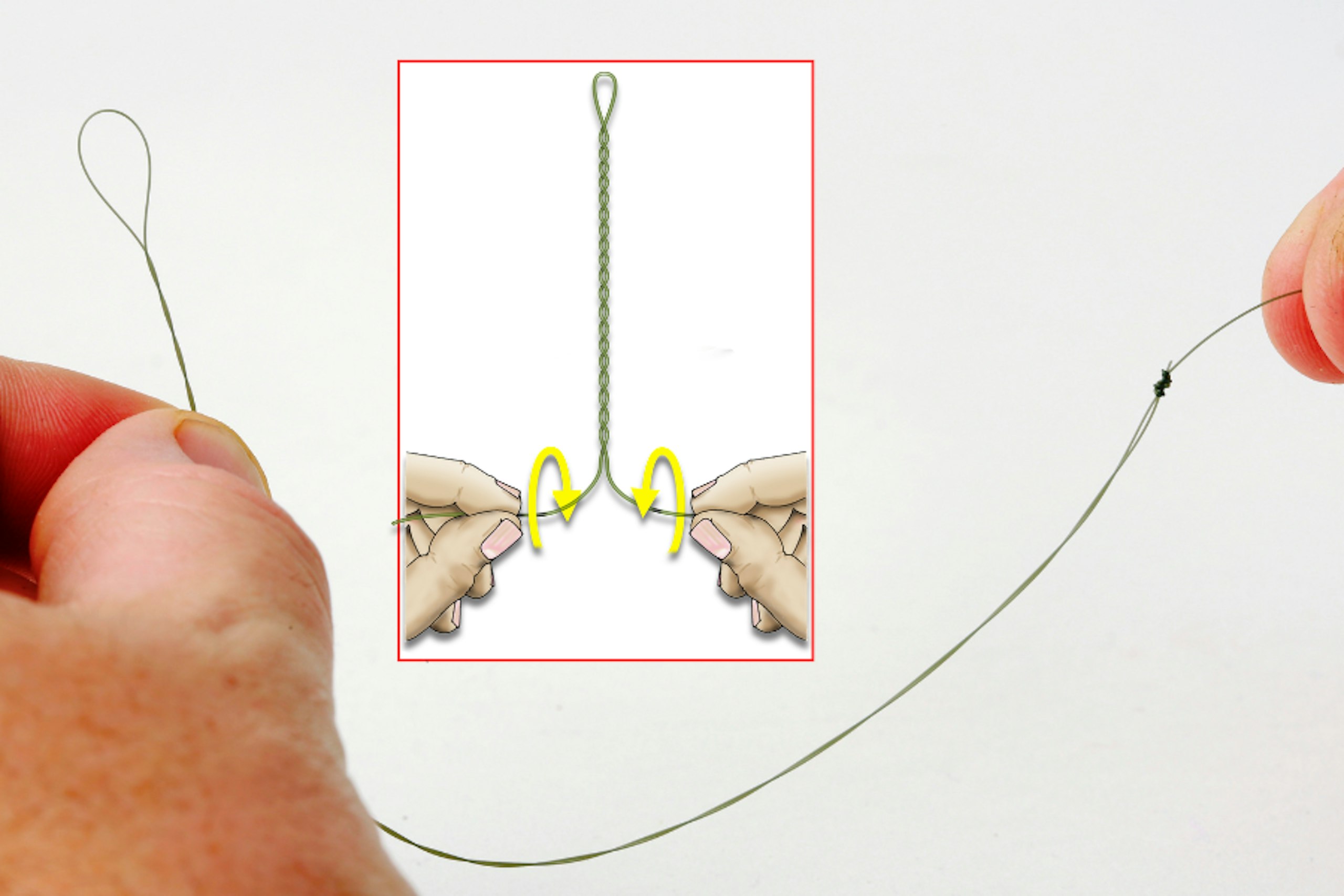
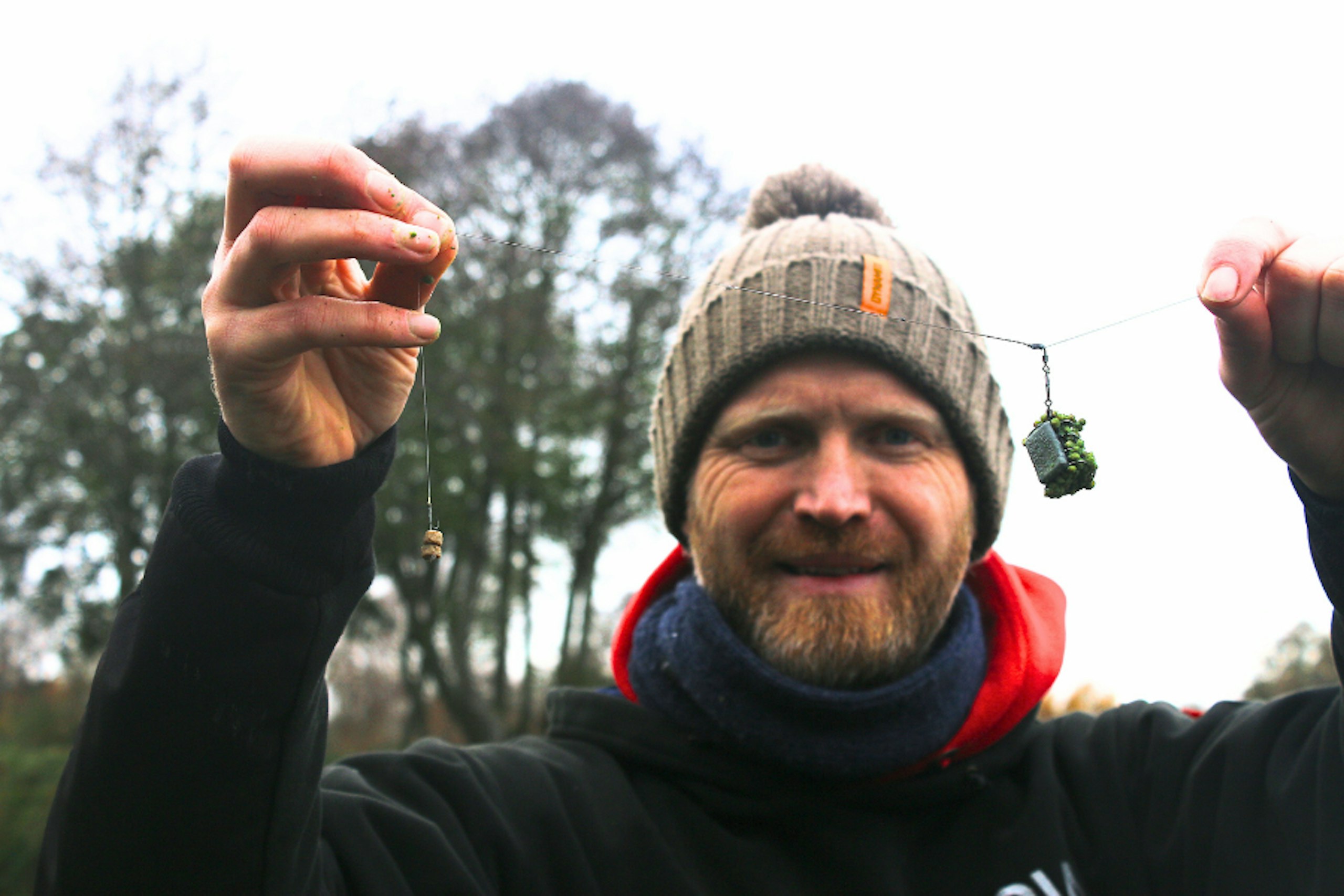
The best way to avoid tangles is to keep the hooklength kicking out straight from the feeder. A simple solution is a short, twizzled boom.
Fold the mainline over and twist it so it doubles up into a stiff section, then lock it with a knot. When the feeder butts up against that knot, the stiffness of the twizzled section helps kick the hooklength away from the feeder on the cast. It reduces wraps, keeps everything fishing neatly, and saves you wasting time re-tying when the bites are coming.
YOU CAN FISH IN COMFORT THANKS TO THE BEST FEEDER FISHING CHAIRS.
Hooklengths and bite indication
A hooklength around 50cm is a good starting point. If you are getting bites and not connecting, do not guess. Shorten the hooklength in steps of about 5cm until you start hooking fish. If the fishing is harder, or you suspect fish are hovering and intercepting the bait as it falls, a longer hooklength can be the better call.
A classic sign they are taking as the feeder settles is a sharp, positive tap on the tip just as everything lands and tightens. If you are seeing that, it is also worth slightly binding the mix so less feed comes off on the drop. The idea is to concentrate the fish on the bottom, right where the hookbait is, rather than drawing them up in the water.
PREFER A SEATBOX? THEN CHECK OUT OUR BUYERS GUIDE TO THE BEST FISHING SEATBOXES.
Baits that do the job
Start simple, then rotate your hookbaits with a purpose until you find what they want. Single or double red maggot is a reliable opener because it gets bites quickly and suits mixed shoals of fish.
When it is tricky, a redworm can be a real edge, especially if the fish have seen a lot of maggots and pellets. Dead maggots are another excellent option, particularly on silty bottoms where a subtler, static bait tends to sit and fish nicely.
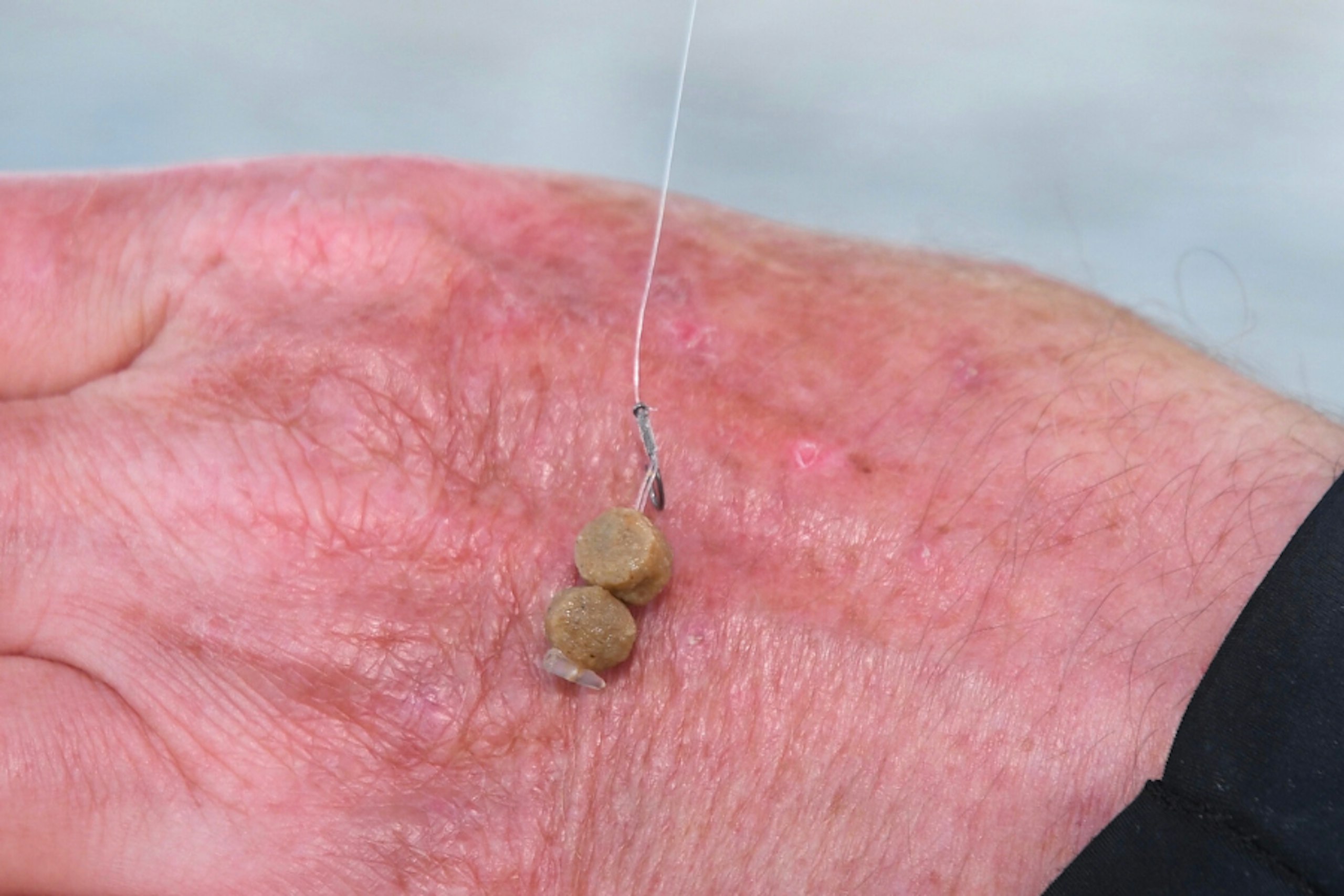
Do not ignore pellets just because you are 'bream fishing'. On commercials, two small expanders on a hair can be a very effective change bait, especially when fish are used to seeing pellet-based feed going in for the carp.
A GREAT COMMERCIAL FISHERY BAIT LEARN HOW TO PREPARE PELLETS FOR FISHING.
Just so you know, we may receive a commission or other compensation from the links on this website - read why you should trust us