- Home|
- Advice|
- Tackle
How to choose the right float for fishing
Choosing the right float shouldn’t be guesswork. Here’s what each pattern does and when to use it properly.
by Jonathan Longden |
Updated on6th May 2026 at 1.47pm
Follow Angling Times on Google
In any tackle shop and you will see rows of floats all promising to do something slightly different. To a beginner it can look needlessly confusing. Even to experienced anglers, it is easy to fall into the trap of using the same float out of habit rather than because it is the right one for the job.
Floats are not different for the sake of it. Every design exists because it solves a problem. One is built to cast further whereas another is made to show-up shy bites. One copes better with surface tow, whilst another gives you more control on a river. Pick the right float and the rest of the rig has a far better chance of doing what it should. Pick the wrong one and you can spend a whole session fighting the conditions, missing bites and using poor presentation.
Some float patterns have stood the test of time because they still do their job brilliantly. Others have evolved with commercial fisheries, modern materials and changing tactics. Either way, the principle stays the same. The float needs to suit the job in front of you, not just be the one you happened to catch on last week.
TAKE A LOOK AT OUR PICK OF THE BEST FLOAT FISHING RODS IN THIS BUYERS GUIDE.
Crystal wagglers
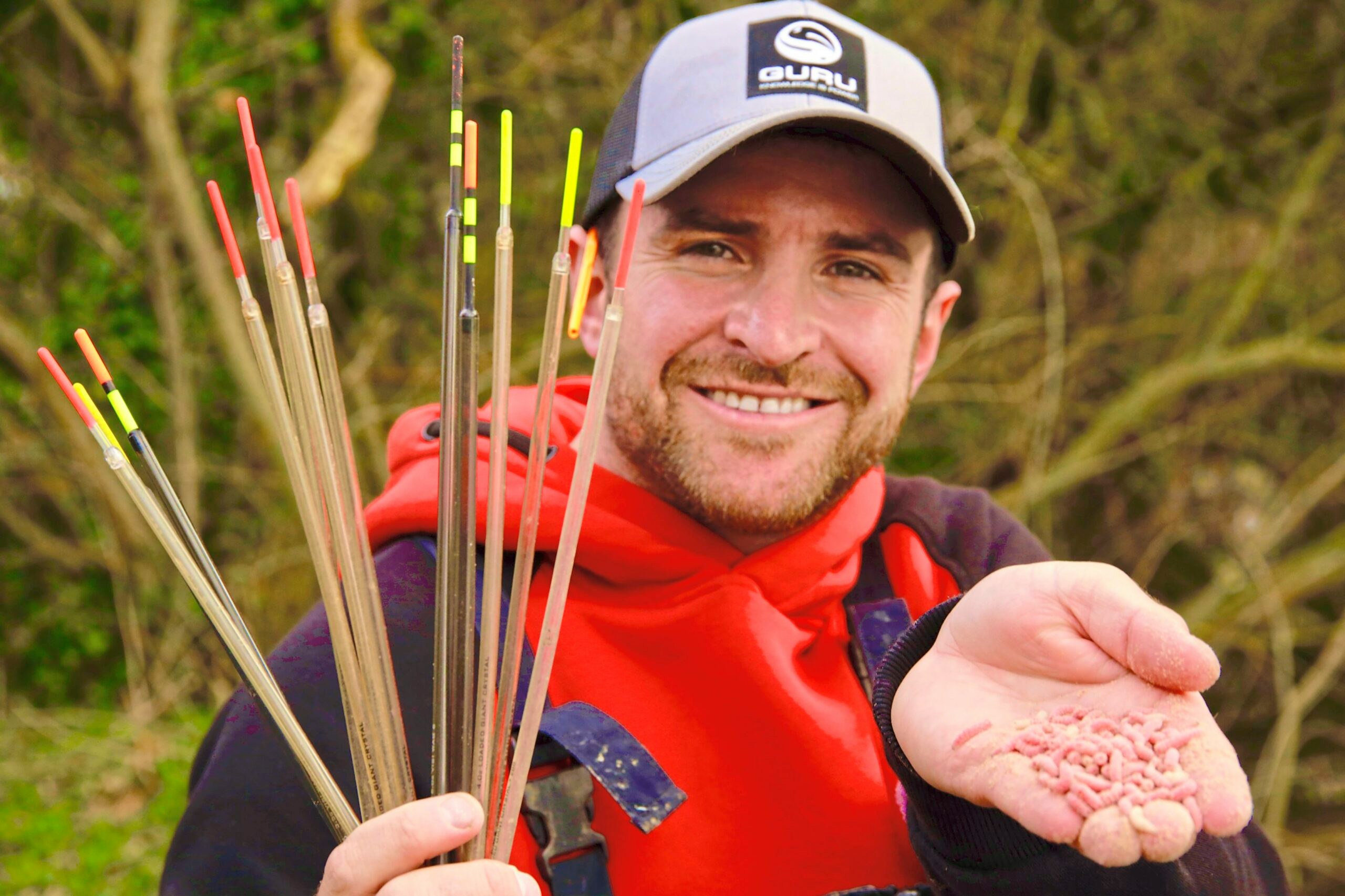
The Crystal Waggler is one of the best-known float ranges around, and that is no accident. These are attached bottom-end only, designed mainly for stillwaters and steadier river work, and they cover a lot of situations.
Drennan offer clear and tinted versions, along with solid and insert-tipped models, so there is plenty of scope to match the float to the conditions in front of you. The clear-bodied versions can be a real edge on clearer venues or where fish have seen plenty of rigs, while the tinted models, available in colours such as brown and green, can look a little less blatant in coloured water.
One of the biggest strengths of the Crystal range is that they’re adaptable with extra tips in different lengths and colours. A longer tip can increase sensitivity. A brighter or more suitable colour can make the float easier to pick out instantly.
Crystals are available in loaded and unloaded versions. A loaded float has weight built into the base, so you need fewer shot around the base and down the line to cock it properly. That makes the rig neater, more aerodynamic and usually less prone to tangles. It also means the float casts better, which is why loaded wagglers are so popular on stillwaters where distance and accuracy matters.
Unloaded versions still have their place, especially if you want more freedom with the shotting pattern or want the bait to fall through the water in a more natural way.
CAST A WAGGLER WITH EASE WITH THE HELP OF THE BEST FISHING REELS.
Straight and insert wagglers
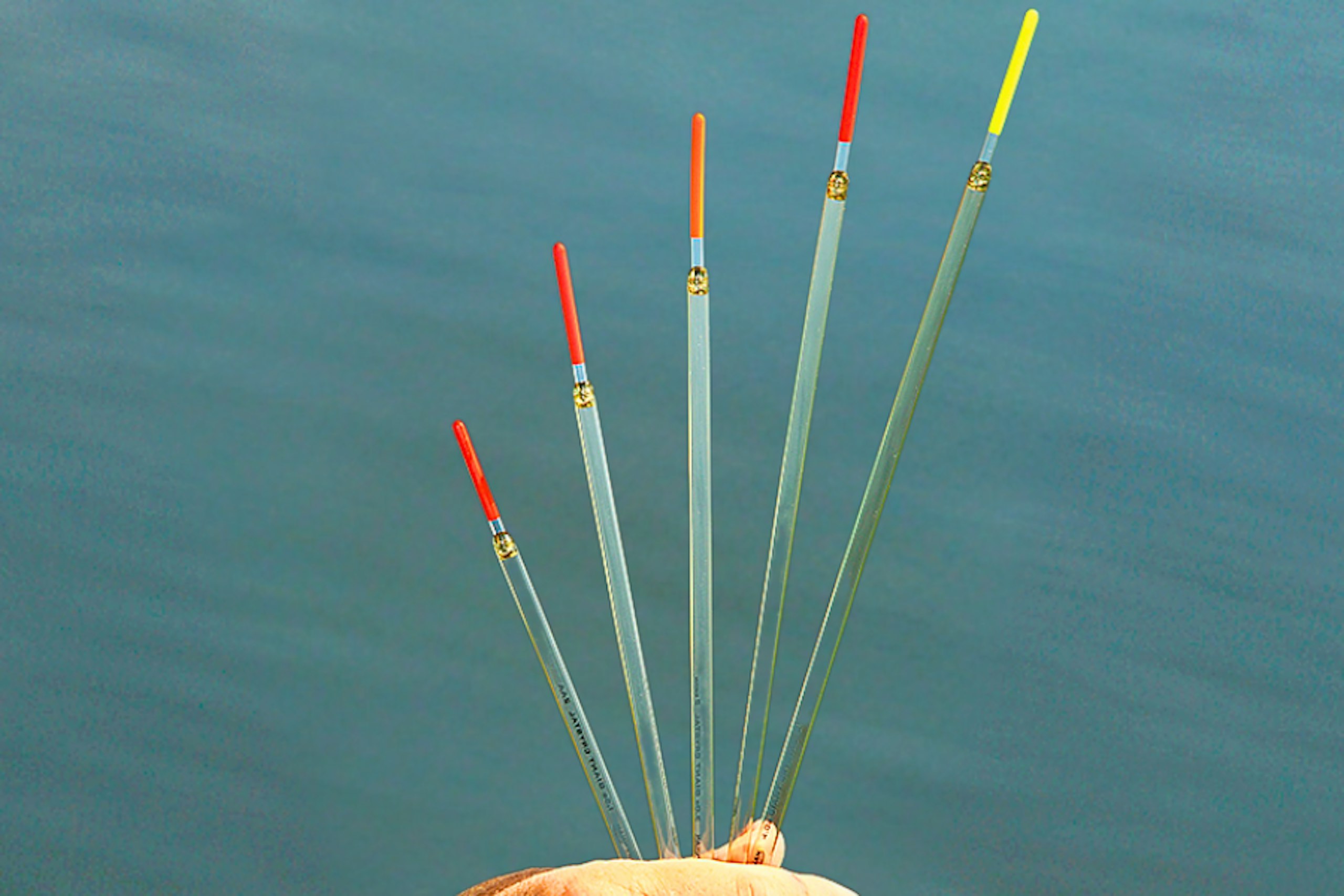
Most wagglers fall into two broad categories, straight or insert, and knowing the difference is important because they do not fish the same.
A straight waggler is usually the more practical option when there is a bit of surface movement, when you are fishing over depth, shallow, or when the rig needs more stability. The thicker top carries more buoyancy, so it is less likely to be dragged under or moved around by conditions. This makes it a better choice for bigger baits, larger fish, or awkward days when finesse can quickly become a liability rather than an advantage.
Insert wagglers are a finer option, more delicate and better suited to calmer conditions. Because the tip is slimmer, they can be dotted right down and will show very small indications. That is why they are such a good choice for silverfish and shy bites.
It’s easy to assume the finer float is automatically the better float. It is not. A slim insert looks lovely in flat calm conditions, but once the tow starts pulling at the surface it can become a nuisance. The best float is not the daintiest one in the box. It is the one that fishes properly in the conditions in front of you.
There are loads of options on the market now, from Drennan Visi Wags to Preston Dura Floats, along with plenty from specialist float makers who still put real thought into patterns, tips and finishes. That is no bad thing. It means anglers can build a proper selection rather than trying to force one float to cover every job.
USING THE BEST FLOAT FISHING LINES WILL HELP WITH CASTING AND PRESENTATION.
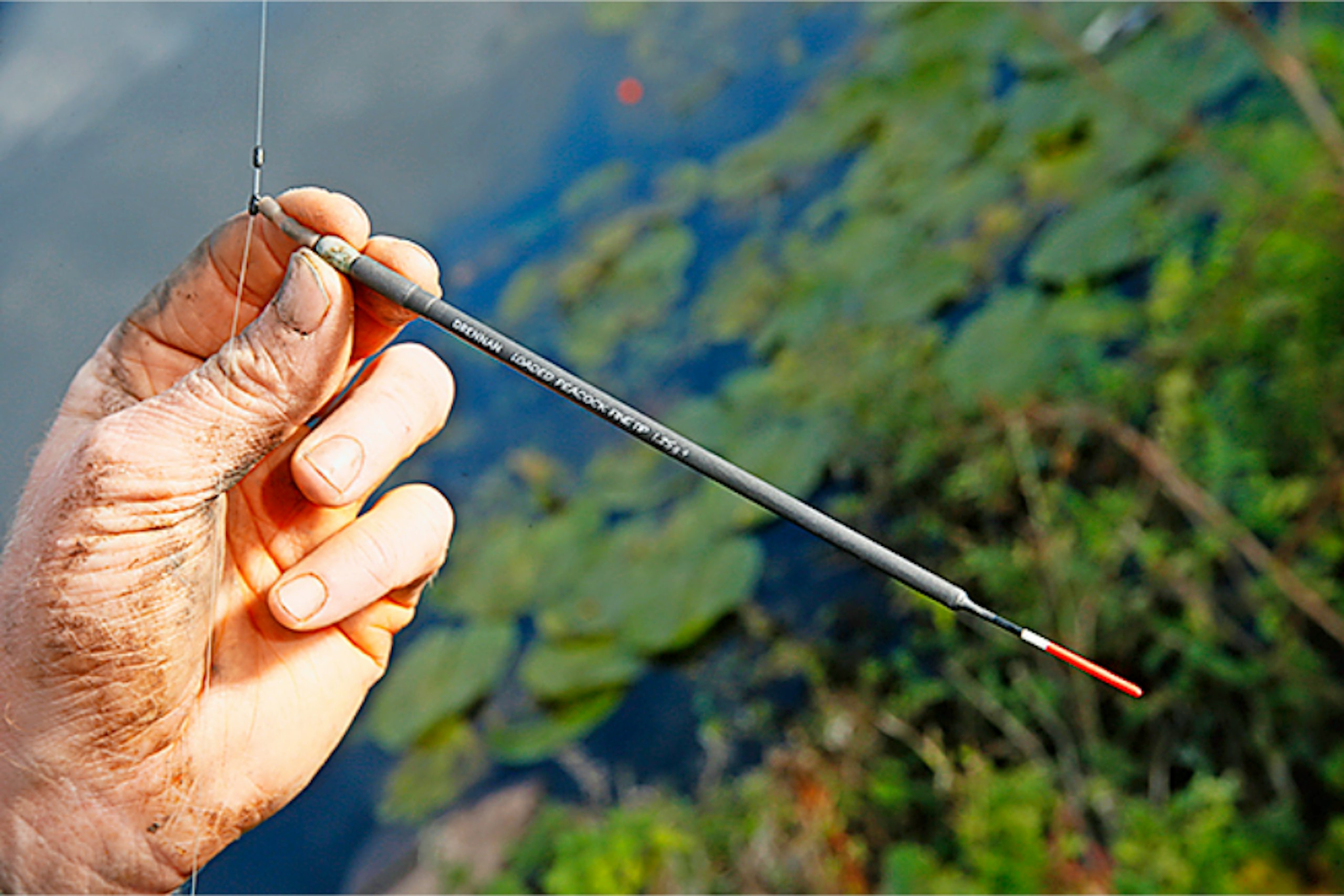
Peacock wagglers
Peacock wagglers have a long history and still represent, in many anglers’ eyes, one of the nicest floats to use.
Traditionally built from peacock quill, they offered a superb balance of buoyancy, sensitivity and casting stability, which is why they became such a staple of stillwater float fishing. A good peacock just behaves nicely. It sits right, flies straight and has a balance that a lot of cheaper, mass-produced floats never quite manage.
These days they are far more specialist than they once were. There are only a handful of production models about now, and many of the better examples come from enthusiasts and specialist float makers rather than mainstream ranges. That says more about changing fashions and the rise of commercial fisheries than it does about any weakness in the float itself.
For traditional stillwater fishing, especially when targeting silverfish, a well-made peacock still has plenty going for it. It may no longer be the first float many anglers think of, but that is not because the design stopped working.
KNOWING HOW TO PLUMB THE DEPTH PROPERLY WHEN WAGGLER FISHING IS A CRITICAL SKILL.
Bodied wagglers, sliders, giant wagglers and missiles
Once you need more casting weight, more stability or more carrying capacity, the standard slim waggler has its limitation. That is where bodied patterns come into their own.
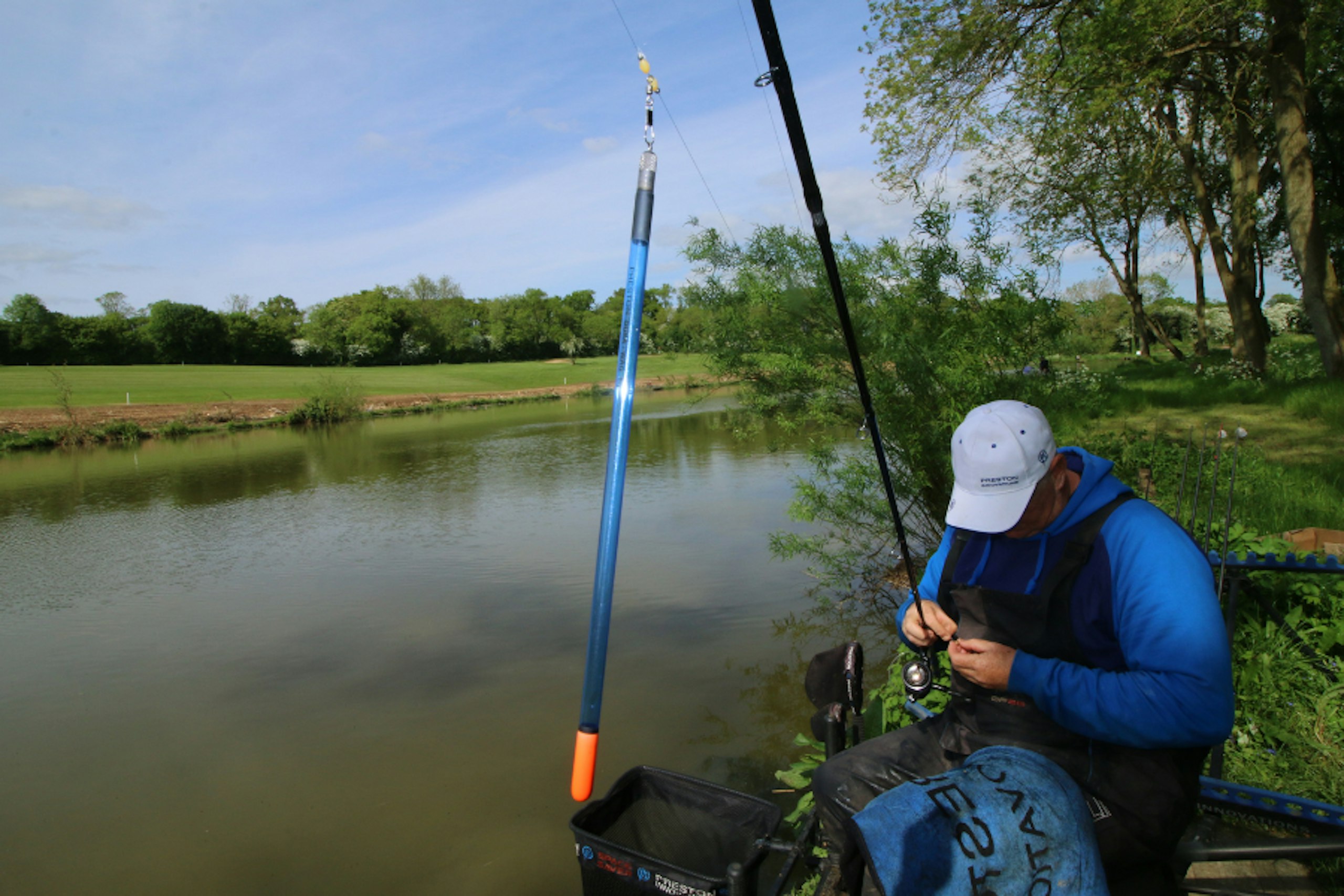
A bodied waggler uses a buoyant body, often made from balsa, to give the float extra buoyancy without relying entirely on more length of the float or a thicker tip. That makes it useful when you need to fish further out, use more shot down the line, or present bigger baits while keeping the float stable and easy to see.
Sliders are slightly different, because that term refers more to the way the float is fished than the float itself. A slider setup allows the float to run on the line and stop against a stop knot, which makes it possible to fish depths far greater than the length of the rod. If you are trying to fish 20ft deep with a 13ft rod, a fixed float setup quickly becomes a pain. A slider solves that problem and makes deep-water fishing far more practical. It is also useful when fishing at distance to features such as weed beds, reed lines or lilies.
Giant wagglers and missiles take the same basic idea and push it further. These are distance tools, designed to punch a rig out cleanly and stay under control once they land. Heavier loading and more streamlined shapes make them well suited to big lakes, deep stillwaters and situations where fish are simply too far out for a standard waggler to handle comfortably.
Some missile-style floats come with interchangeable base weights, which allow you to adjust the loading and alter how much tip shows above the surface. That can be genuinely useful when fine-tuning presentation, especially at range where small changes can make a noticeable difference.
These are not delicate close-range silverfish floats. Their job is to cast well, hold steady and fish positively at distance.
LEARN HOW TO FISH THE SLIDER IN THIS EXPERT ARTICLE.
Stick floats
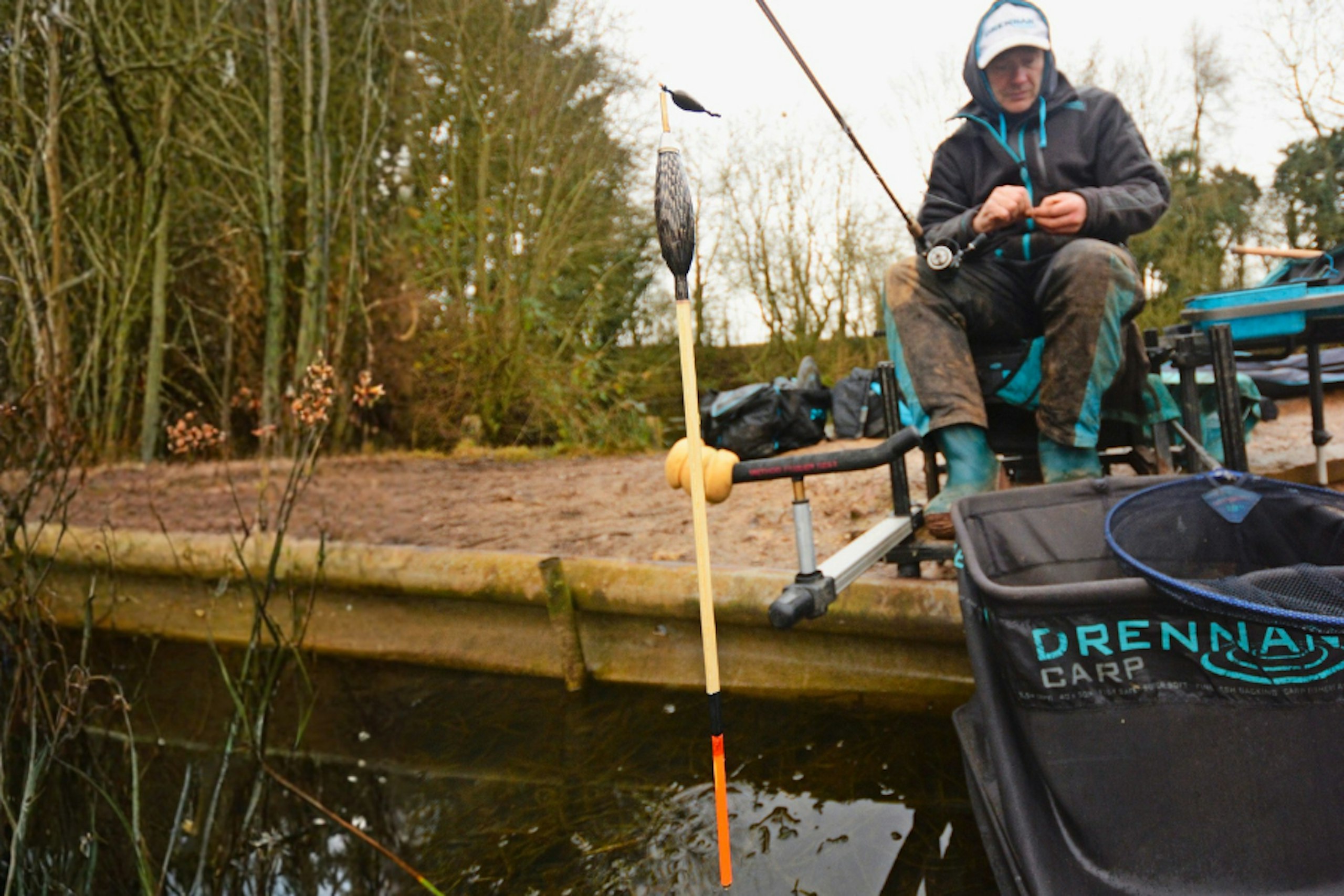
Stick floats are one of the classic river patterns and still among the best tools for presenting a bait properly in flowing water.
Unlike a waggler, a stick float is attached top and bottom, which gives you much greater control over the rig as it moves downstream. River fishing is not just about casting and waiting, you are guiding the float, mending the line, controlling the pace of the bait and, quite often, holding the rig back slightly to lift the hookbait clear of the bottom.
Stick floats are used for trotting, where the bait is allowed to run through the swim in a controlled and natural way. Fine sticks suit smaller rivers, gentler glides and lighter baits. Bigger, more buoyant patterns are better suited to stronger flows and heavier shotting.
The shape is also an important consideration. Shouldered models can be held back more positively, which is useful when you want the bait to rise slightly or slow it down against the current. Straighter, slimmer patterns are better when you want a more natural run-through. These may sound like small details, but on the river they can make a big difference to how the rig works and is presented.
FIND GREAT RIVER STRETCHES FOR FLOAT FISHING IN OUR WHERE TO FISH GUIDE.
Avons
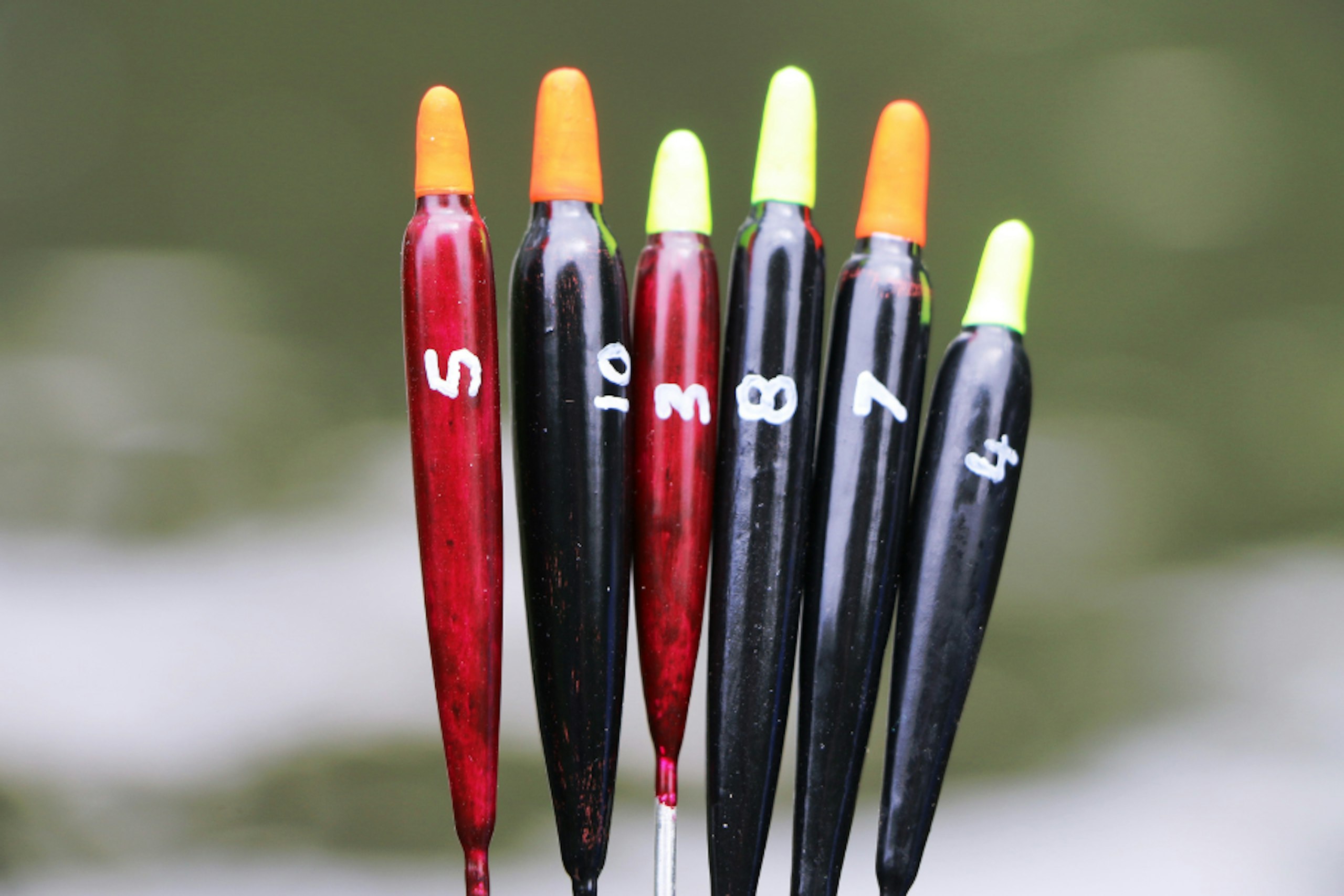
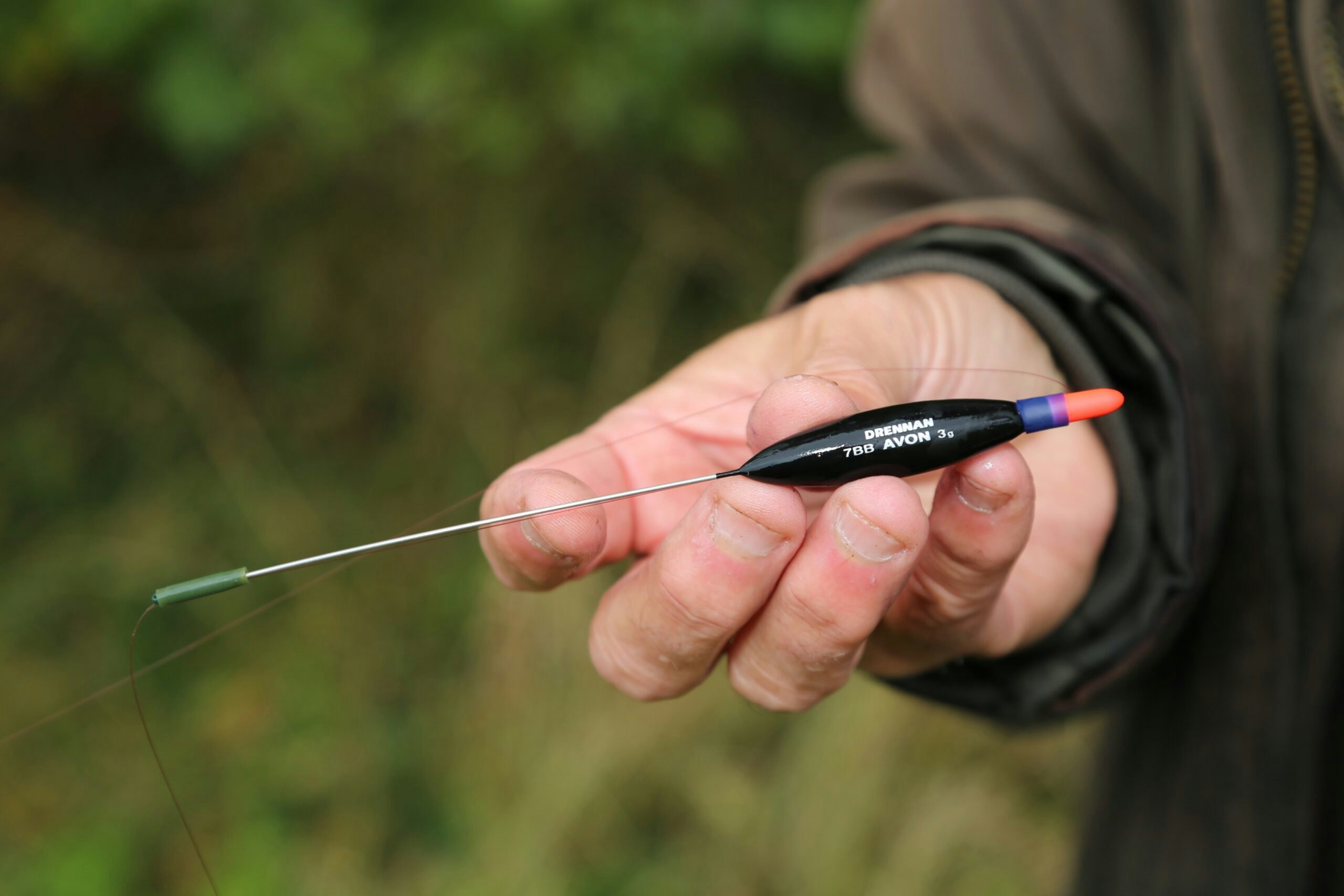
Avons are another top-and-bottom river float, but they are built with more power and stability in mind.
Their bulbous bodies give them extra buoyancy and allow them to carry more shot, which makes them especially useful in faster, shallower water where you need to get the bait down quickly and keep it under control. They aren’t delicate, and they don’t need to be.
This makes them ideal for species such as chub and barbel, or any river fishing where the flow is pushing and you need the bait to get down quickly. If the swim is shallow and turbulent, an Avon often makes far more sense than trying to force a finer pattern to do a job it was never built for.
SOME OF THE BEST SPECIMEN FISHING RODS ARE IDEAL FOR FISHING AN AVON FLOAT.
Chubbers
Chubbers are designed for one thing above all else, and that is coping with shallow, fast, powerful water.
These large-bodied floats can carry a serious amount of shot down the line and can get a bait down rapidly. That is their whole purpose. In some river swims, especially fast runs and shallow glides, there is no room for finesse. If the bait does not get down fast enough, it is gone before the fish even have a chance to see it.
A chubber gives you the weight and control to fish effectively when the conditions demand it. It isn’t subtle. If the river is charging through and the bait needs to get down fast, practicality matters a lot more than elegance.
Pellet wagglers
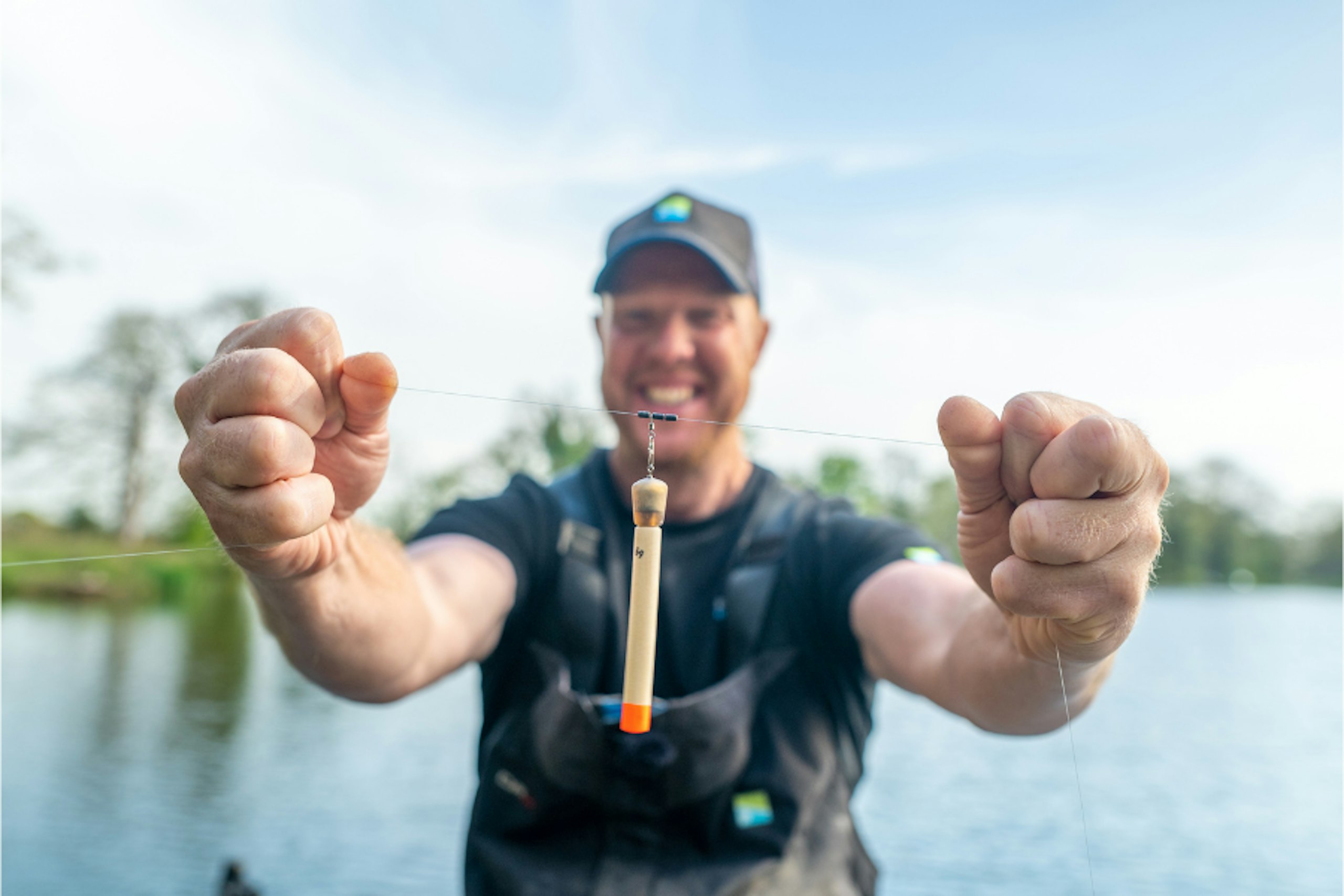
Pellet wagglers are now probably the most common float pattern seen on commercial fisheries, and in many ways they have taken over from the older splasher-style floats that once dominated shallow carp fishing.
The method has evolved as fish have seen more pressure. Early pellet waggler fishing often relied on a bigger splash to draw fish in to the area. Modern pellet wagglers are more often slimmer in profile and designed to settle as quickly as possible, because on many commercials the bites come within seconds of the float landing. Sometimes they come almost instantly.
These floats are built for catching fish in the upper layers while loosefeed is going in regularly to keep fish competing. It is one of the most effective and exciting methods on a commercial when the conditions are right, and it has accounted for massive match weights over the years. The beauty of it is that it works across a wide stamp of fish. It can be devastating on small stockies and F1s, but it is every bit as effective when bigger carp are prepared to feed high in the water.
Pellet waggler fishing is often dismissed by people who think it is just a chuck-and-feed method. But if done properly, it is all about rhythm, feeding, casting accuracy, float choice and reading how aggressively the fish want to feed. The best anglers make it look simple, but there is a lot more going on than just chucking a float out and hoping for the best.
HERE IS OUR PICK OF THE BEST PELLET WAGGLER FISHING RODS.
Splashers and Baggin’ wagglers
While pellet wagglers now dominate shallow fishing on most commercials, splasher floats and Baggin’ wagglers still deserve a mention because they were an important step in the development of modern commercial float tactics.
Splasher floats were designed to hit the surface with a noticeable slap, mimicking the sound of feed landing and drawing the attention of cruising carp. On the right venue, and when fish were primed to react aggressively, they are still very effective.
Baggin’ wagglers took the idea a stage further by incorporating a feeder into the float itself. A ball of groundbait could be moulded around the base, with a short hooklength fishing beneath it. As the groundbait broke down and fell through the water, carp would rise to intercept it, often taking the hookbait as it hung among the feed.
These patterns may not dominate in the way they once did, but they remain good examples of how float design has adapted to suit the way anglers actually fish and on their day can be unbeatable.
Driftbeaters
Driftbeater as the name suggests are designed to cope with wind and, more specifically, the surface tow that wind creates.
That is a problem that ruins a lot of float fished presentations. The line drags across the surface, the float starts moving unnaturally, and what should have been a tidy, balanced presentation quickly becomes a mess. Driftbeaters deal with that by combining a buoyant lower section with a long, fine stem and a visible top, helping the float sit more stable and resist being dragged under or pulled out of position.
They are especially useful on bigger, open waters where a breeze can quickly make a standard insert waggler unfishable. If you are trying to keep a rig fishing properly in awkward conditions, a driftbeater can often be a very smart choice it's a particularly popular choice for fishing the lift method.
Darts
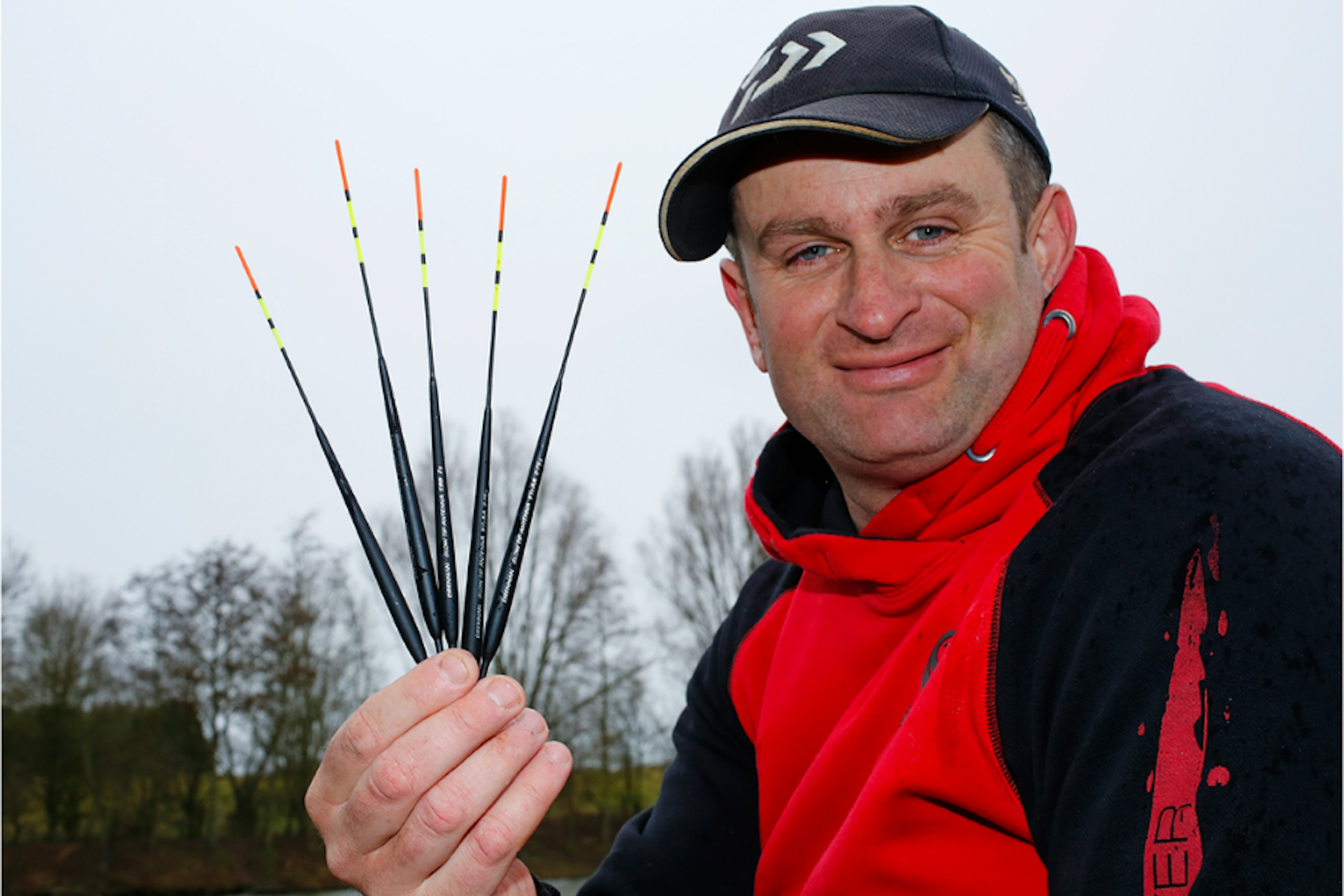
Darts are among the best float patterns for delicate silverfish work on stillwaters, canals and drains.
Their fast taper and slim profile allow them to be dotted right down, often with very fine tips, similar to pole floats which makes them excellent for registering shy bites from roach, skimmers, crucians and other cautious feeders. In calm conditions, when presentation needs to be refined, a dart can offer a level of sensitivity that thicker or more buoyant patterns simply cannot match.
That sensitivity is the whole point of them, but it only matters if the conditions suit it. In flat calm water they are excellent. In heavy tow or a pushing wind, that same delicacy can work against you. Again, it comes back to choosing the float that suits the job rather than the one that looks nicest in the box.
TARGETTING SILVERS TAKES FINESSE AND THE BEST SILVERFISH RODS ARE PERFECT FOR THAT.
Choosing the right float
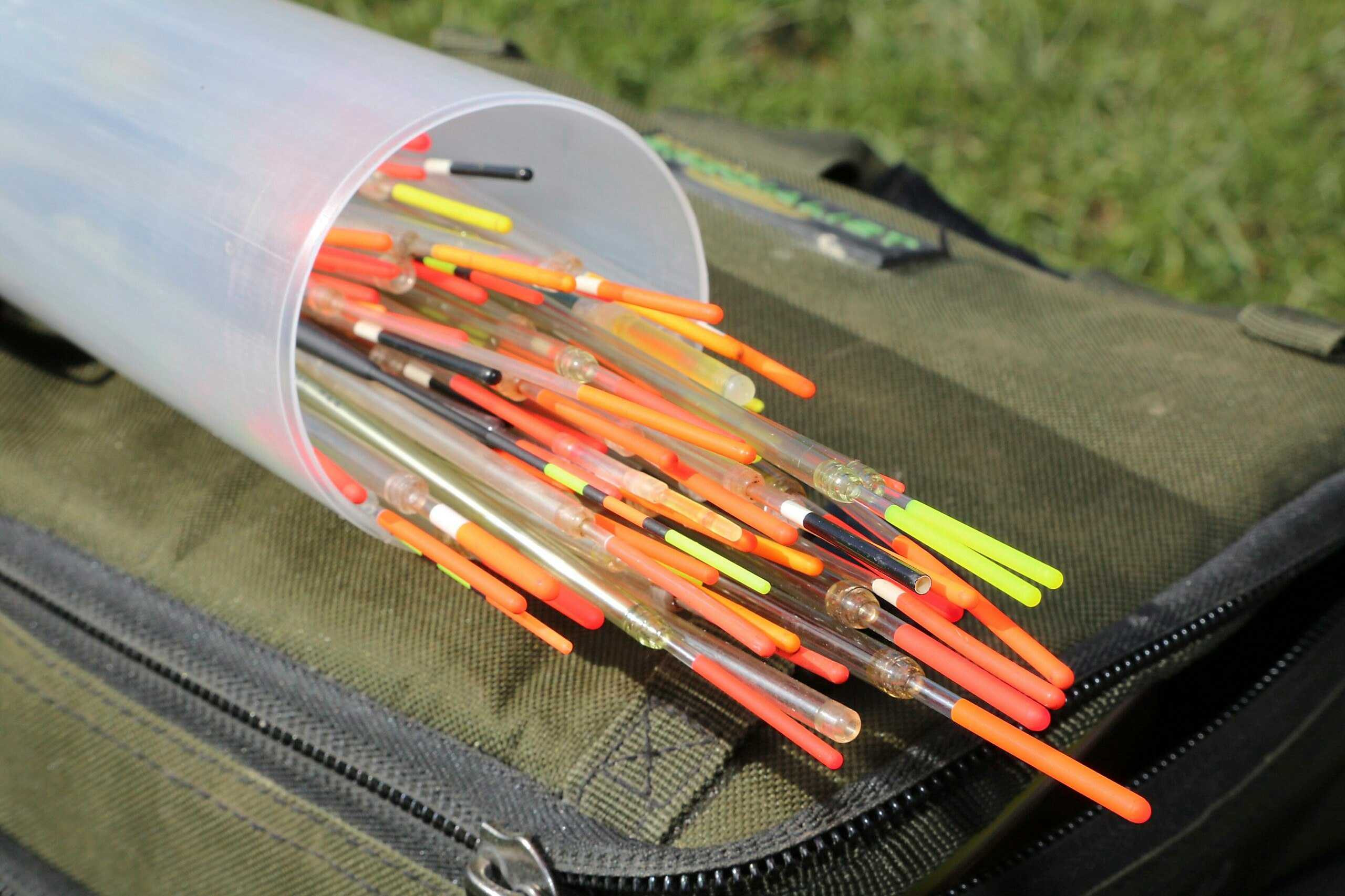
The biggest mistake anglers make with floats is treating them as interchangeable or simply reaching for the one they caught on last time.
A float should be chosen according to the job in front of you. How far are you fishing? Is the water still or flowing? Is there tow, wind or chop on the surface? Are you trying to present a bait delicately, get it down quickly, or catch fish shallow in the upper layers? Once you start asking those questions, float choice becomes far simpler and a lot more logical.
BUYING YOURSELF A NEW FISHING ROD? THEN READ THIS GUIDE BEFORE YOU DO.
Just so you know, we may receive a commission or other compensation from the links on this website - read why you should trust us