- Home|
- Advice|
- Tips
10 tips for canal silverfish success

© Ryan Hayden/Daiwa
by Tony Grigorjevs |
Published on5th May 2026 at 11.59am
Follow Angling Times on Google
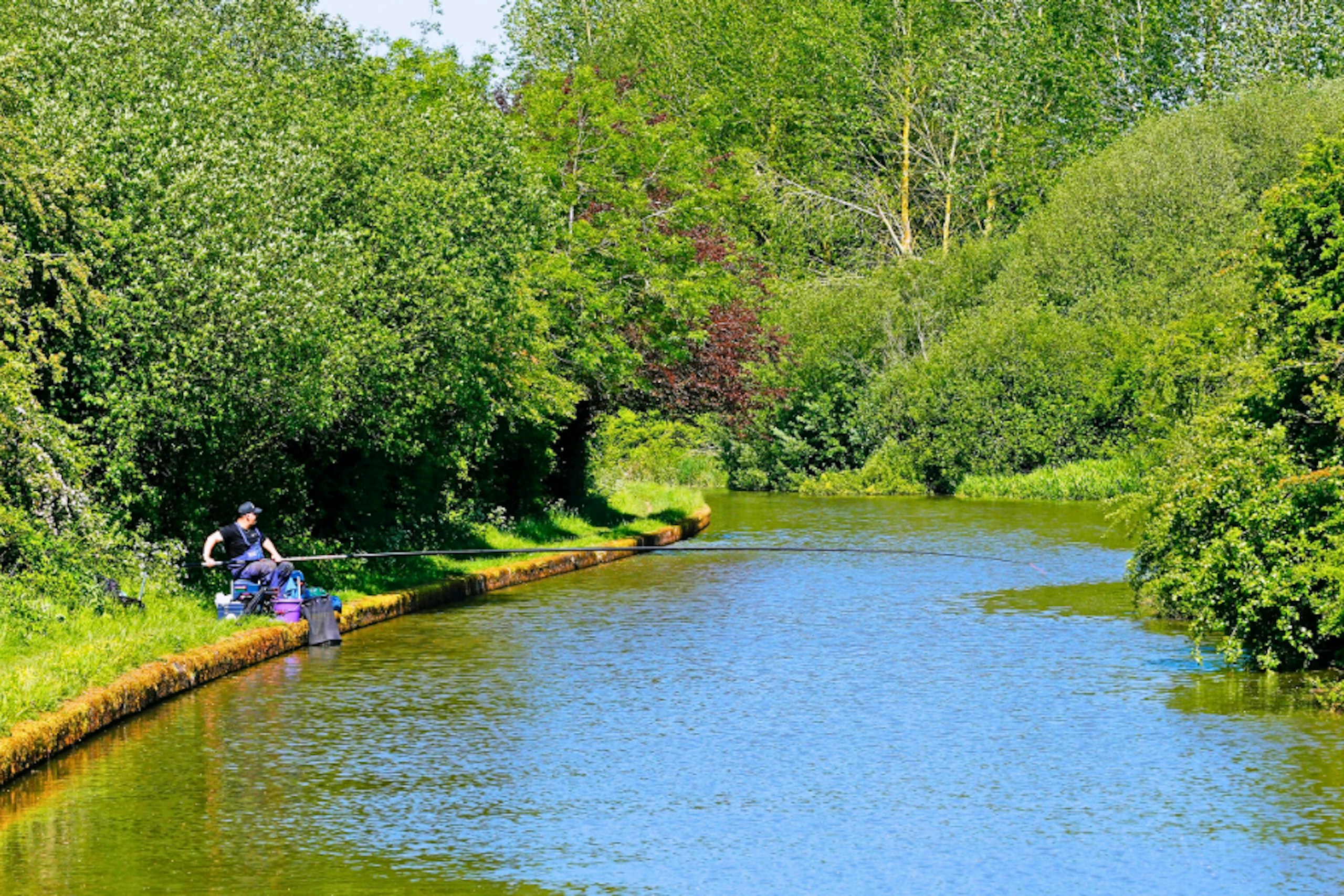
Canals may have been built for industry, but over time they have become some of the most interesting and attractive places to fish. Many are now corridors of wildlife, greenery and real natural beauty, offering a completely different experience from the more manicured surroundings of a commercial fishery.
The towpaths of Britain’s canals also provide far more productive sport than many anglers give them credit for. Roach, perch and skimmers can all be caught in good numbers, and with miles of water to explore, they offer a brilliant way to enjoy a session that feels a little different while still putting plenty of fish in the net.
Success, though, is rarely as simple as turning up with a pint of maggots and hoping for the best. Canal fishing rewards good presentation, careful feeding and the ability to adapt to tow, depth, boat traffic and the stamp of fish in front of you. Get those small details right, and these often-overlooked waterways can produce some excellent silverfish sport.
Here are 10 tips to get more from your next canal silverfish session.
THE BEST FISHING POLES ARE PERFECT FOR FISHING CANALS.
Use the right naturals
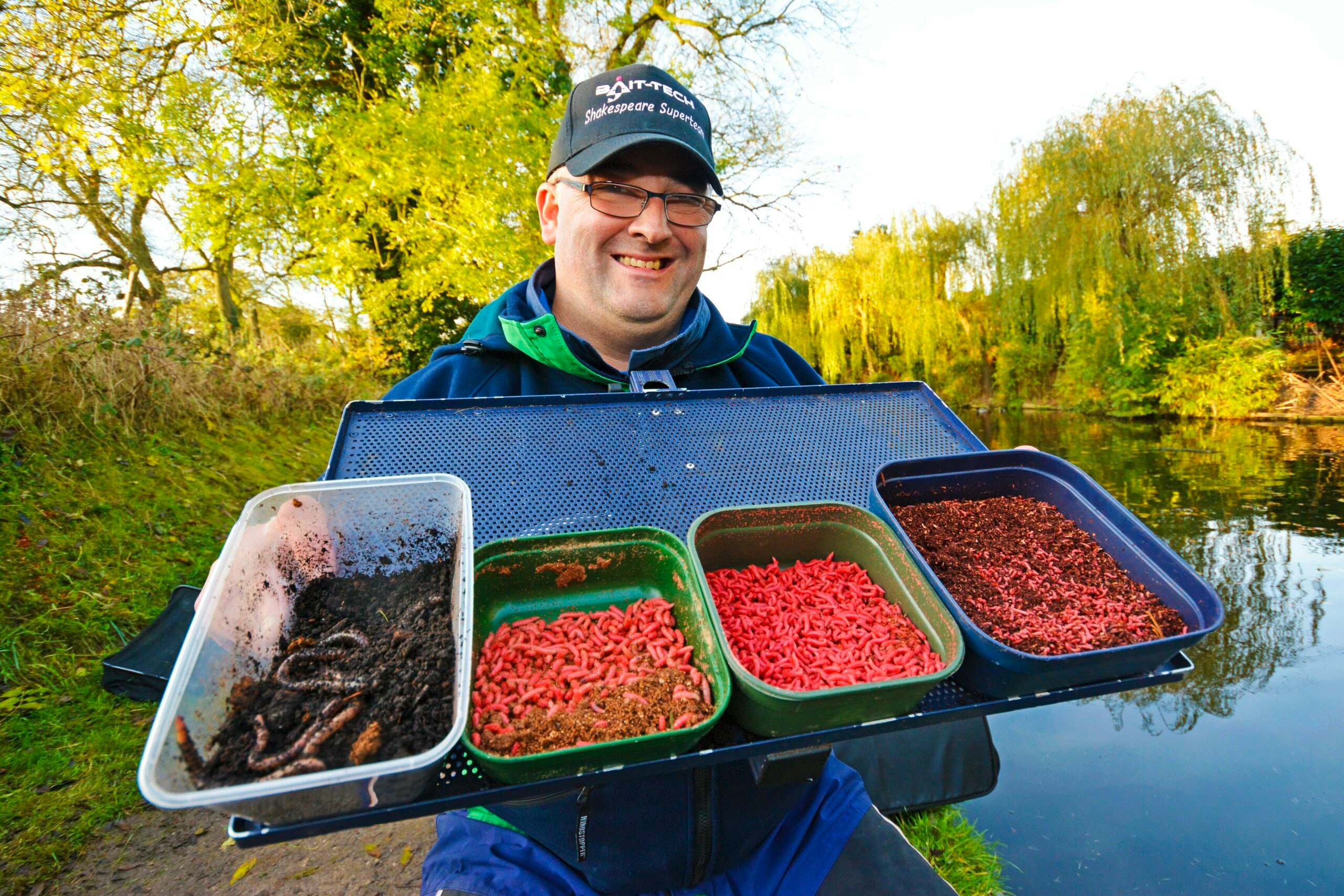
Maggots, pinkies and squatts may look similar, but it is important that you use the right bait for the job.
Maggots and worms are great baits to rely on when targeting quality fish such as big roach, perch and bream. They are that little bit bigger, making it harder for small silvers to attack them.
Pinkies are a great hookbait for smaller silverfish, but avoid feeding them, as they can fill up a shoal quickly.
Squatts, the smallest of the maggot family, are the ideal loosefeed, as they have minimal food value and can be devoured easily by small silvers. Catapult 20 of them in every few minutes to keep fish in your swim for the entire session.
TAKE THE BEST BAITS FOR FISHING ON YOUR NESXT SESSION THANKS TO THIS HELPFUL GUIDE.
Let your rig run
When fishing bread on the short line at the bottom of the nearside shelf, run the float through slowly with any tow or current. Doing this makes the hookbait look natural, because everything else underwater will be disturbed by the movement.
Use a float that will enable you to maintain control of the rig and achieve good presentation as it moves through the swim.
Try commercial baits
The days of canals being regarded as havens for small fish are long gone. They are now a big draw for many specimen anglers too.
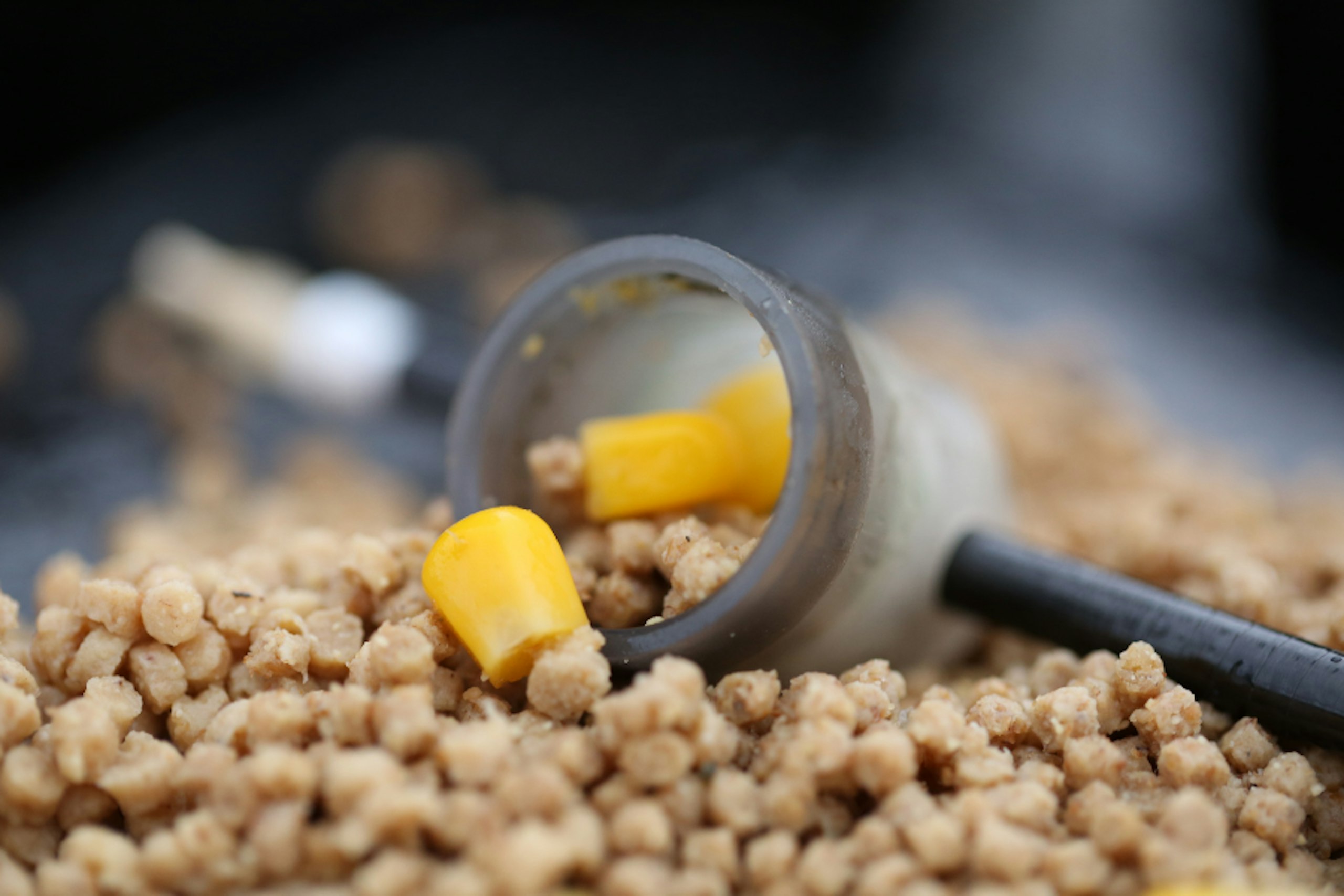
As a result, the types of bait that are fed have changed, with fish becoming more accustomed to pellets, corn and even mini boilies. Do a little research on the canal that you are visiting and, if it gets a lot of pressure from carp anglers, incorporate these baits into your attack.
A pot of 4mm pellets and corn is certain to be of interest to any big bream, and a 6mm expander pellet hookbait will pick them off.
THE BEST FISHING SEATBOXES WILL PROVIDE A STABLE PLATFORM FOR FISHING CANALS.
Use a bait-up feeder
If you are fishing a wide canal where the feeder is coming into play, you could be faced with a conundrum as to how to feed it.
Regular casting is likely to spook bream in these venues, so using a bigger feeder to bait up before settling down for the session is a better option. This creates all the disturbance at one time and, when the bream arrive, there’s no need for frequent top-ups to hold them.
Set up a large feeder on a separate rod that is a little more beefy than what you are fishing with.
This is important as a large, fully loaded feeder can be heavy and needs a rod with the power to cast it accurately.
Look for wider swims
If you are on the hunt for quality bream then you should look for a reasonably wide swim. Bream will try and back away from any bankside or boat commotion in areas like turning bays.
The long pole may do the job, but there are times whena small cage feeder packed with groundbait, chopped worms and casters will be more effective.
Be bold for big catches
Cautious feeding is often associated with canals, but on deeper venues you can be more positive with the amount of bait you introduce.
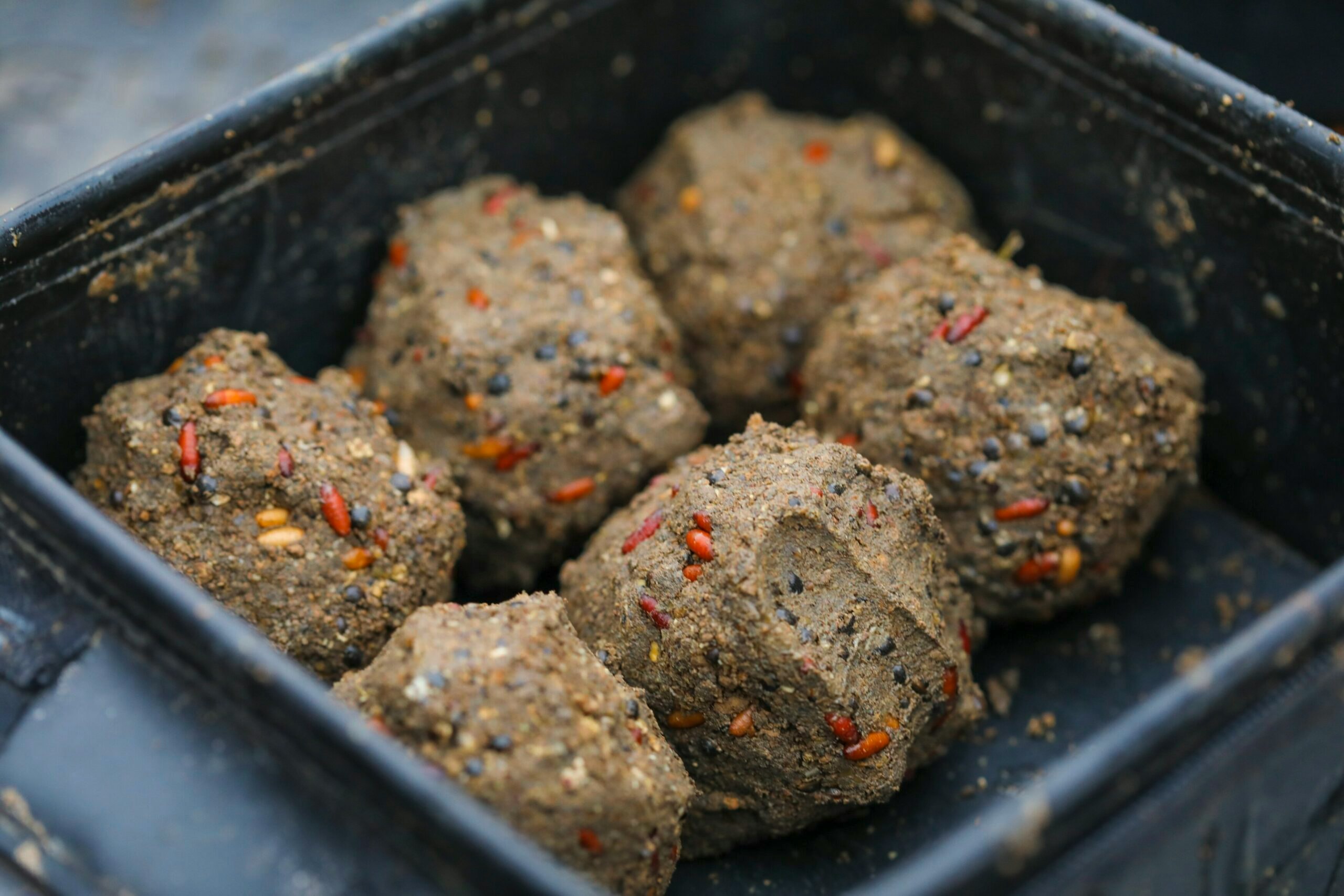
A proportion of your bait could be taken away by tow, so you need to keep topping up at regular intervals, especially when bites dry up.If you’re not getting bites on a venue that is more than 12ft deep, try putting in a good-sized ball of groundbait every 10 minutes until you get a response. Include some loosefeed within these balls to add food content.
KEEP YOUR KIT PROTECTED AND ORGANISED WITH THE BEST COARSE FISHING LUGGAGE.
Try darker casters as hookbaits
Pick out the darker casters for the hook. These are more buoyant than light ones because they are further advanced in turning. However, when you mount one on a hook, its weight is enough to make it slowly sink to the bottom in an enticing manner. A dark caster also stands out when fishing on the drop, as fish looking up will see it stand out against the light sky.
Vary your punch sizes
Roach absolutely love bread but just because you can catch a few fish on it doesn’t mean you should settle for the results you are getting.
There’s likely to be a better stamp of fish among the shoal that you are missing out on, and so stepping up the size of your breadpunch could make all the difference. Start with a 3mm punch, but don’t be afraid to step up to a 4mm or 5mm if tiddlers are dominating most of the action.
String out your shot
Any natural food that enters the water is likely to sink slowly, so anything that goes in and falls quickly to the bottom is going to appear out of place to the fish.
In order to get your hookbait to fall at a slow pace, string a series of No12 shot down the last third of the rig when using a 4x10 float in 3ft-4ft of water.
You’ll be amazed by the number of bites you get seconds before the float is about to settle.
Mash it up for perch
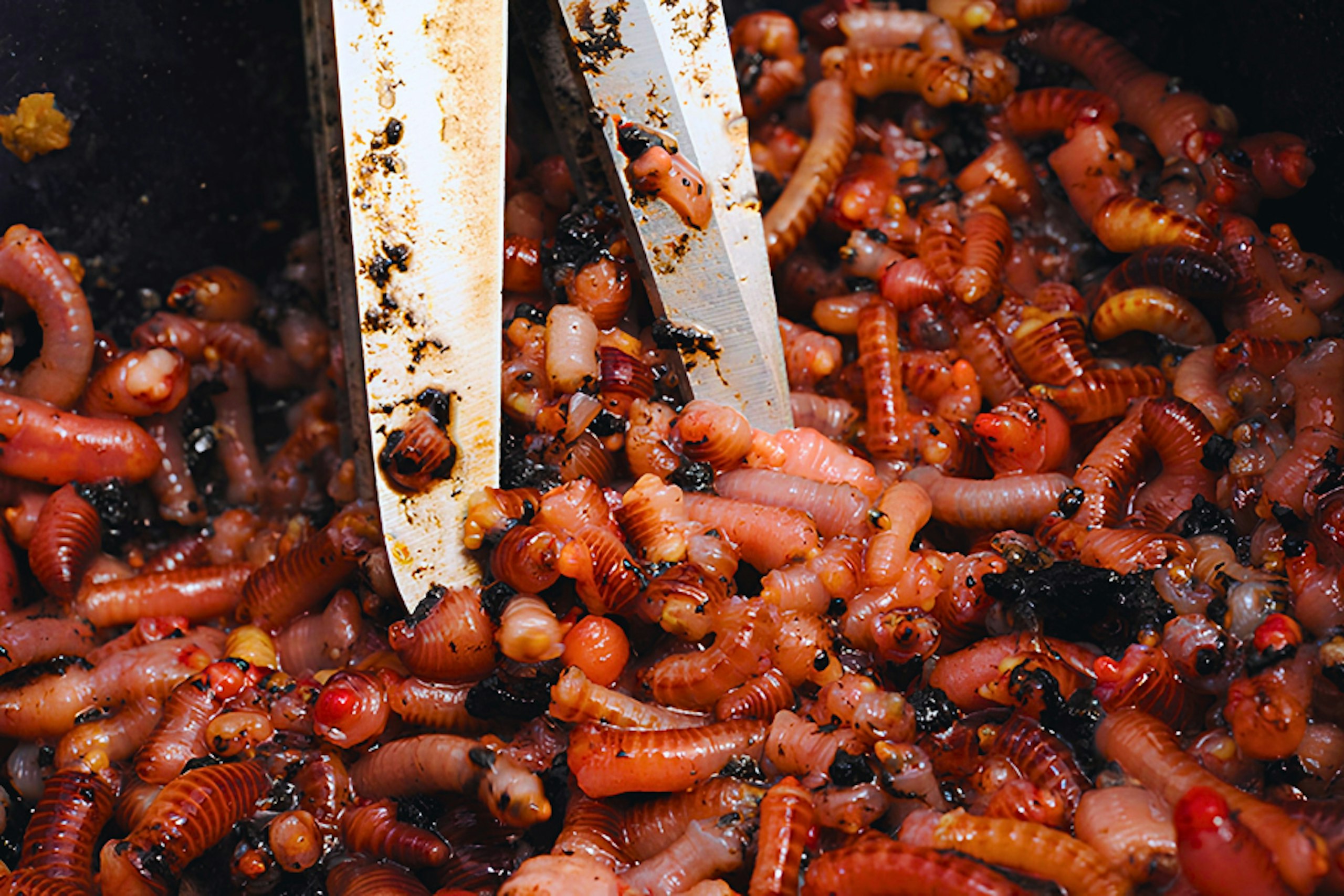
Fish two lines for perch, and prime them both at the start with a mixture of worms, maggots and casters. Give the baits a good chop with scissors once in the pole pot to release lots of aroma that will draw these predators into your swim.
Make sure there are lots of different bait sizes in your feed because small segments of worm are likely to hold the fish once they arrive, and the sloppier parts of it will act as the attraction.
Feed these chopped baits down the track to your left and right, so the swims don’t interfere with each other.
CHECK OUT OUR COMPREHENSIVE GUIDE TO THE BEST WORMS FOR FISHING.
Just so you know, we may receive a commission or other compensation from the links on this website - read why you should trust us