- Home|
- Advice|
- Tips
10 tips to catch big stillwater rudd

by James Furness |
Published on13th May 2026 at 12.39pm
Follow Angling Times on Google
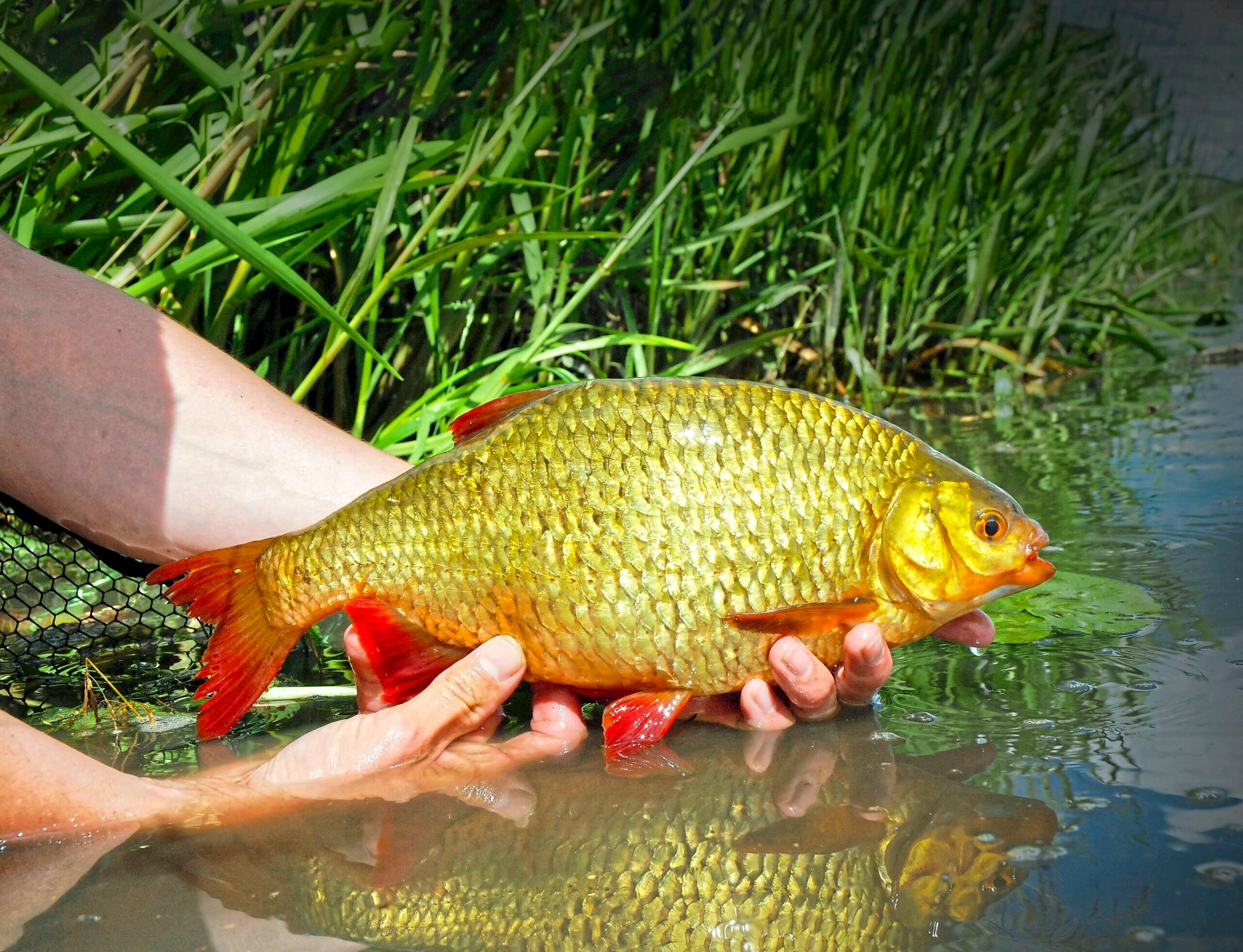
There are few fish as striking as a big rudd, with their blood-red fins and bright golden flanks, they really are a beautiful species to catch.
When rudd are small, there aren’t many easier fish to catch in our waters, with many anglers catching them as their first fish. However, once they grow beyond 2lb in weight, they can become notoriously difficult to tempt. Our 10 best tips will help you outsmart these tricky fish on any UK stillwater.
Helicopter rigs rule
The best rig for presenting buoyant baits above a feeder is a helicopter set-up. Trap the hooklink at a distance just greater than the length of the hooklink itself above the feeder, using rubber float stops to ensure that it has less chance of catching on the feeder.
If you’re using a longer hooklink, however, do the opposite and slide it down tight to the feeder to help reduce tangles. Using a quick-change swivel also allows you to change hooklinks easily, whether that’s to alter their length or to simply switch hookbaits.
HEAD TO ONE OF THESE FANTASTIC VENUES IF YOU WANT TO CATCH A BIG RUDD...
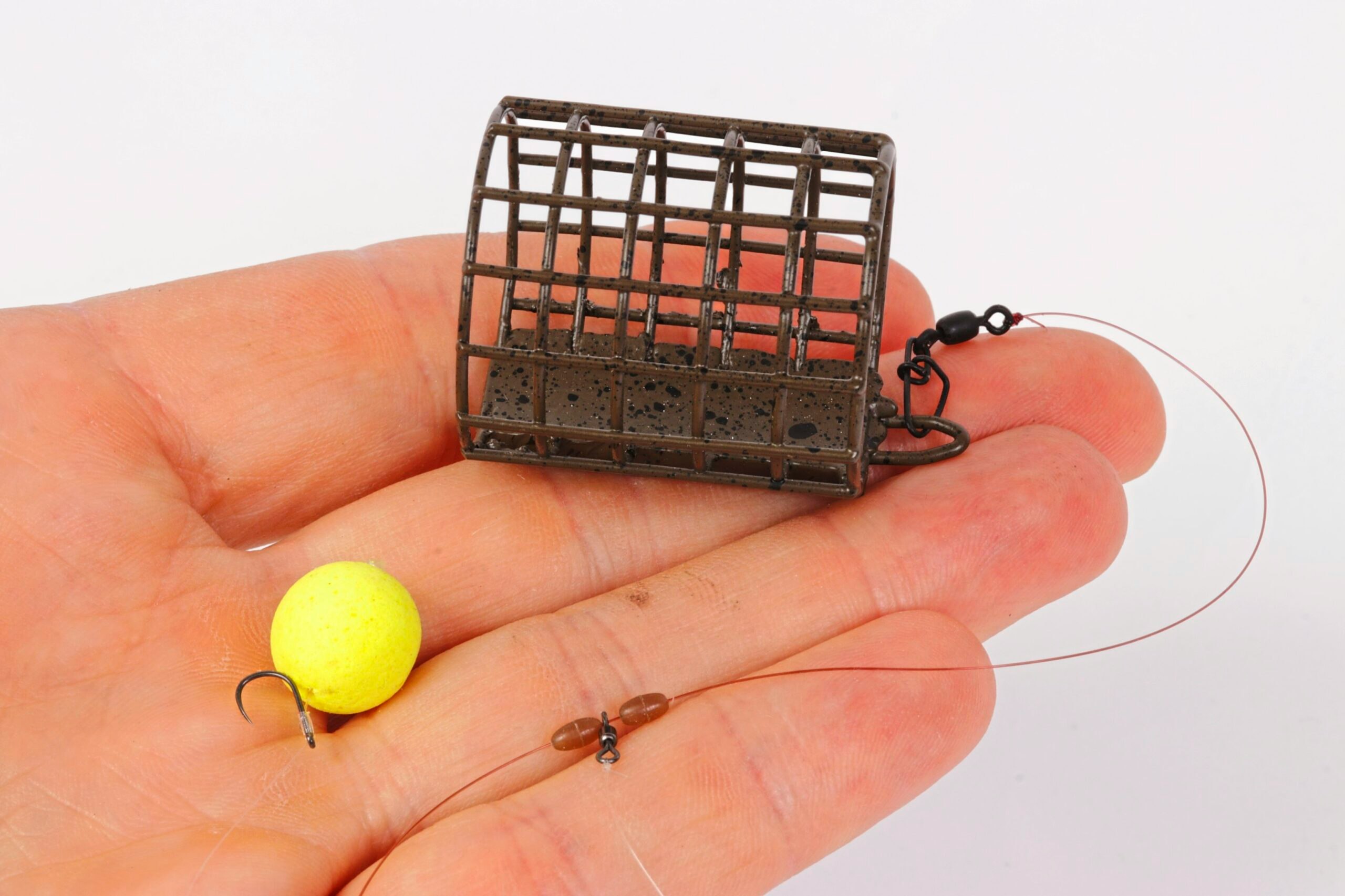
Use a buoyant hookbait
The upturned shape of a rudd’s mouth makes it well adapted to taking baits off the top, or in midwater. That’s why a buoyant hookbait will always outscore one presented on the lakebed. The perfect distance is 6ins-12ins off of the deck, using small pop-up boilies, fake corn, bread or popped-up maggots. A 2lb-plus rudd has a surprisingly big mouth, so you can get away with a relatively large hook, such as a size 10 or 12.
Mark your lines for accuracy
Big rudd can generally be found in large weed-filled gravel pits, where they can seek refuge from predators in the green stuff. Finding clear areas and ensuring that you fish accurately to them is vital. Once you’ve found a suitable area, clip up and use marker gum to ensure you hit the same spot each time.
THESE BUDGET FISHING REELS HAVE ALL THE FEATURES YOU NEED TO CATCH BIG RUDD.
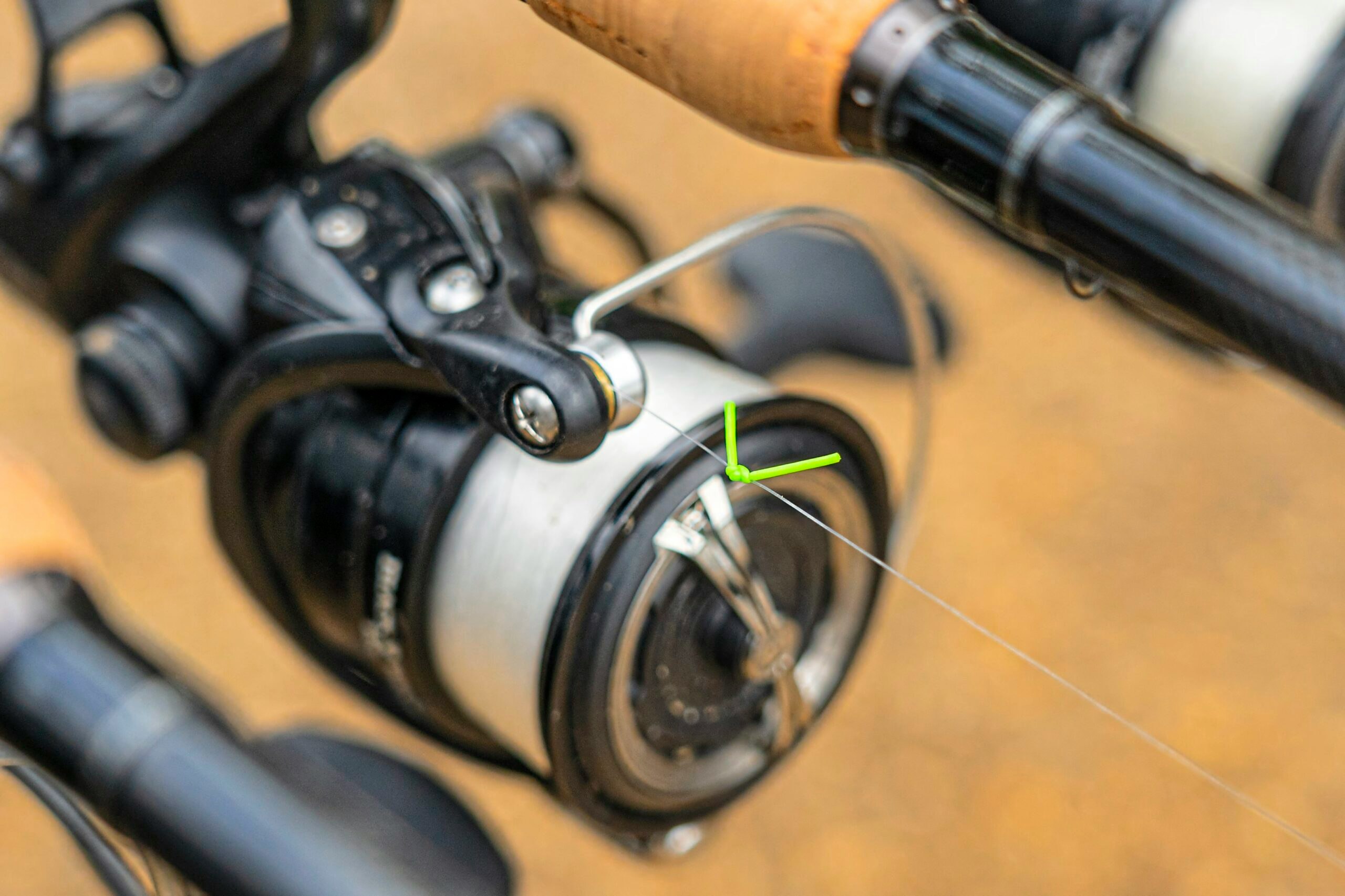
Keep things accurate by marking your lines
Use an active groundbait
Rudd are quite mobile, so you need to catch their attention and draw them down to feed when they’re passing through. A groundbait that contains active ingredients such as crushed hemp, mixed quite dry, works best. You can further boost its attraction by adding sweetcorn and maggots to the mix. In addition to the feeder, use a Spomb to lay down a bed of hemp, corn and maggots.
Avoid light mainlines
Rudd may not be the largest of species, but with the repeated recasting you need to do, plus the amount of weed likely to be present in the venue, it would be foolish to use too light a mainline. A highly durable 8lb mono is perfect for the job, because the last thing you want is for your line to let you down when you have that fish of a lifetime on the end.
Locate suitable features
Rudd often show themselves early in the morning or late in the evening. Once you have an idea of the areas they visit or the routes that they use, try to position yourself in a nearby swim and look for clean gravel, either a bar or a channel between the weed – somewhere they’re likely to see your bait easily. Depth is also important, and try to fish spots on the shallower side if possible. For example, if the average depth is 12ft, try to locate somewhere around half that deep.
THE BEST SPECIMEN RODS ARE IDEAL FOR TARGETING BIG RUDD...
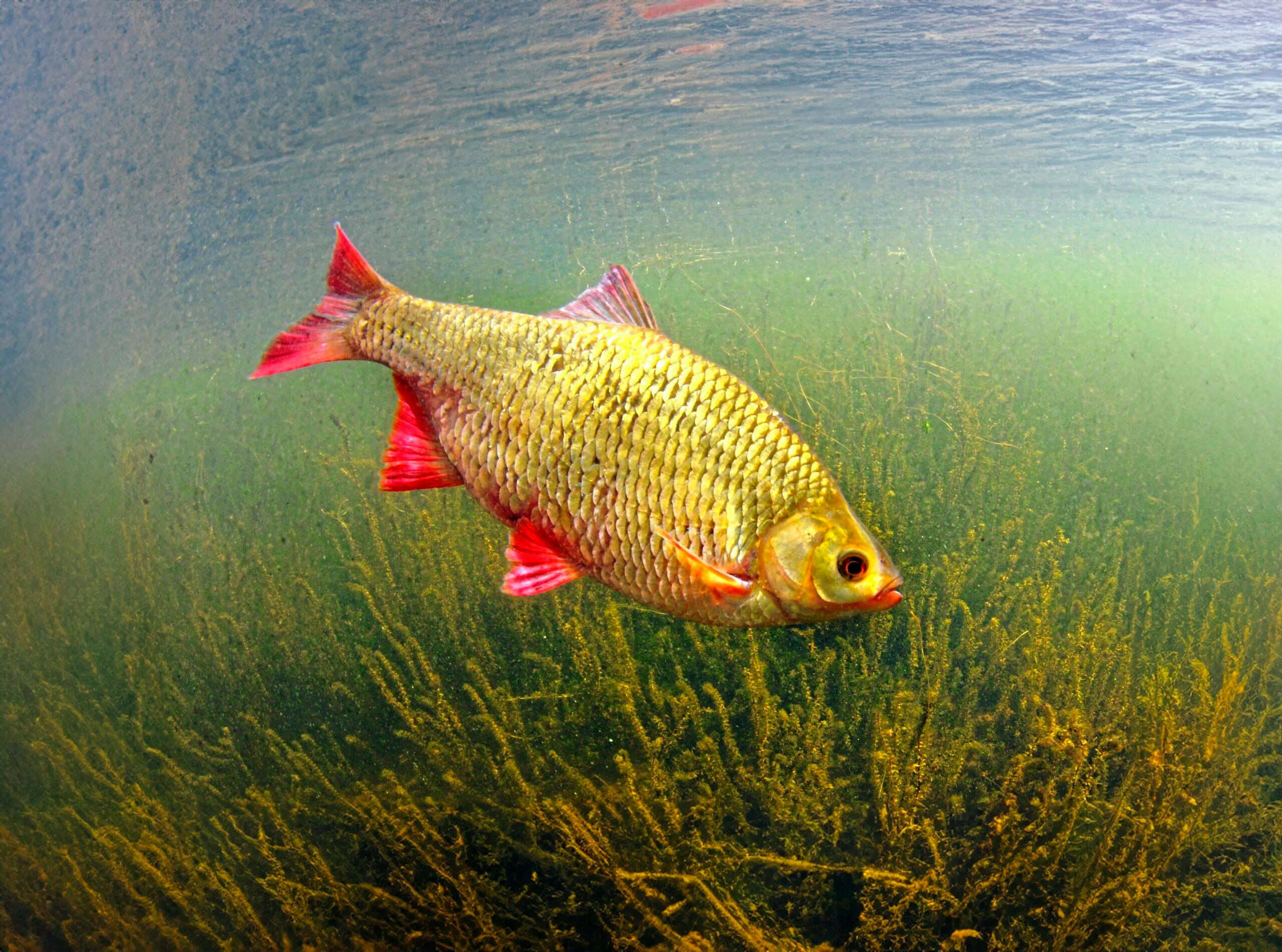
Big rudd love weedbeds and lily pads
Heavy bobbins and baitrunners
Tight lines and heavy bobbins help maximise both bite indication and the rig’s hooking mechanics. Because the rudd will be picking up individual food items before moving on to the next, a reel with a freespool facility is also a must.
Takes will either be in the form of a drop-back as they lift the feeder and swim towards you, or a take not dissimilar to that of a carp, as the fish takes line from the spool on its initial run.
Recast regularly
Regular recasting helps to retain plenty of attraction in the water column, ensuring any passing rudd will not miss a free feast. Aim to recast every 15 minutes, although at prime times, such as dusk or first light, you could perhaps increase the frequency to every 5-10 minutes.
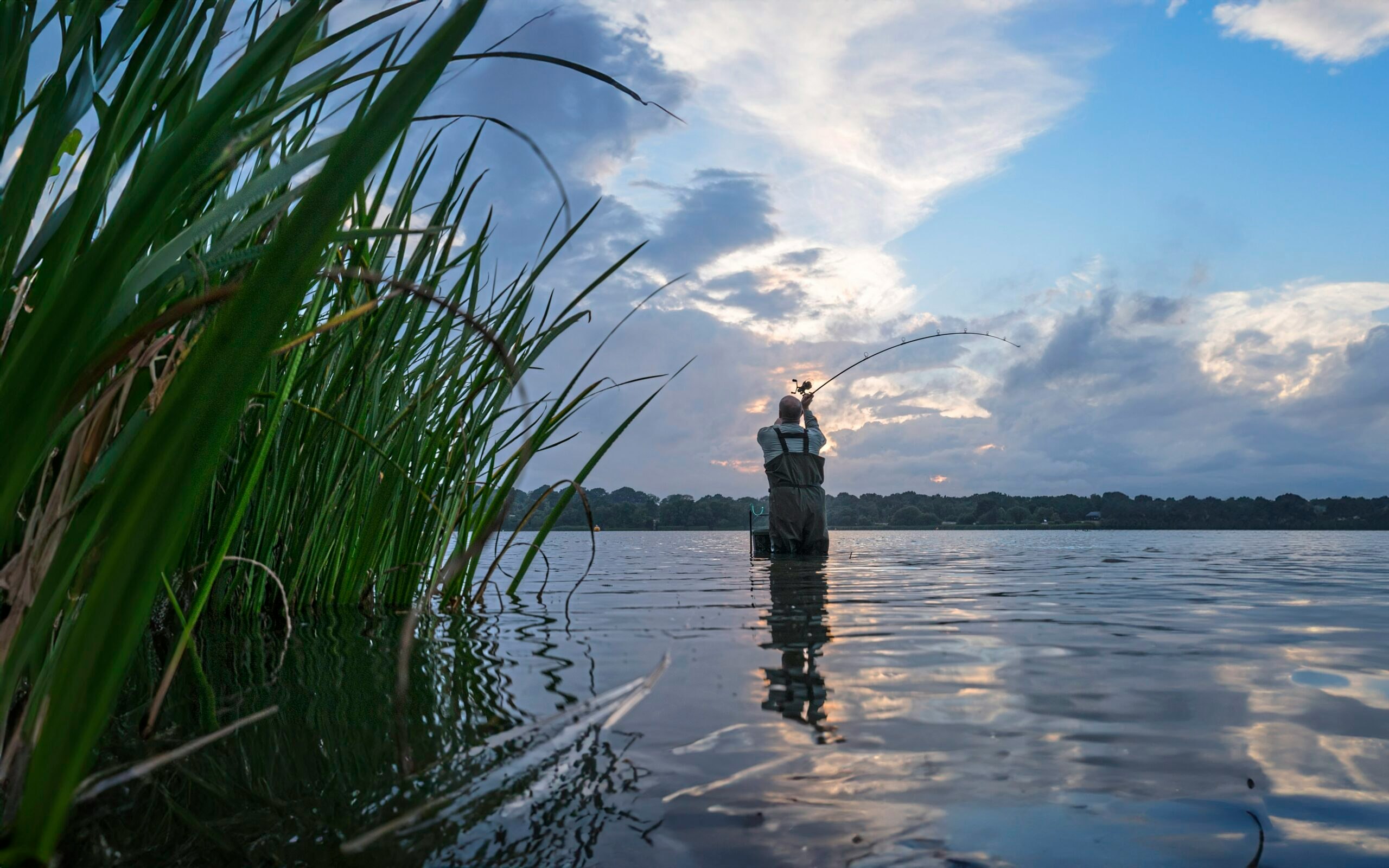
Keep the bait going in to keep the rudd competing
Capitalise on feeding spells
Big rudd can be nomadic, and will often feed at certain times of the day or night. Generally, the last hour of light and the hours of darkness are best, as they feel safer exploring the lake.
When you get a bite, make sure you maximise your time by resting your catch in the net and recasting straight away. Often you’ll get a frantic spell for 10-15 minutes as the shoal descends on your bait, before they move off in search of their next meal.
Just so you know, we may receive a commission or other compensation from the links on this website - read why you should trust us