- Home|
- Advice|
- Tips
8 tips to get you more bites in winter
Winter fishing on commercials requires certain refinements to keep bites coming. Here are 8 top tips to do just that.

by Jonathan Longden |
Updated on13th February 2026 at 2.12pm
Follow Angling Times on Google
Winter commercial fishing can make a good venue feel like it has switched off overnight. The water clears, the carp feed in shorter spells, and the bites you were getting thick and fast in autumn turn into tiny, frustrating lifts and dinks. The mistake most anglers make is assuming they need a miracle bait or a brand-new rig. They don’t. On stillwaters and UK commercials, winter is usually about tightening up the basics so your hookbait is easier to find, your presentation is tidy, and your approach is consistent enough to keep bites coming. These eight tips are the simple edges top match anglers lean on when everyone else is scratching around.
THE BEST FISHING POLES ARE EASIER TO HOLD IN WINTER.
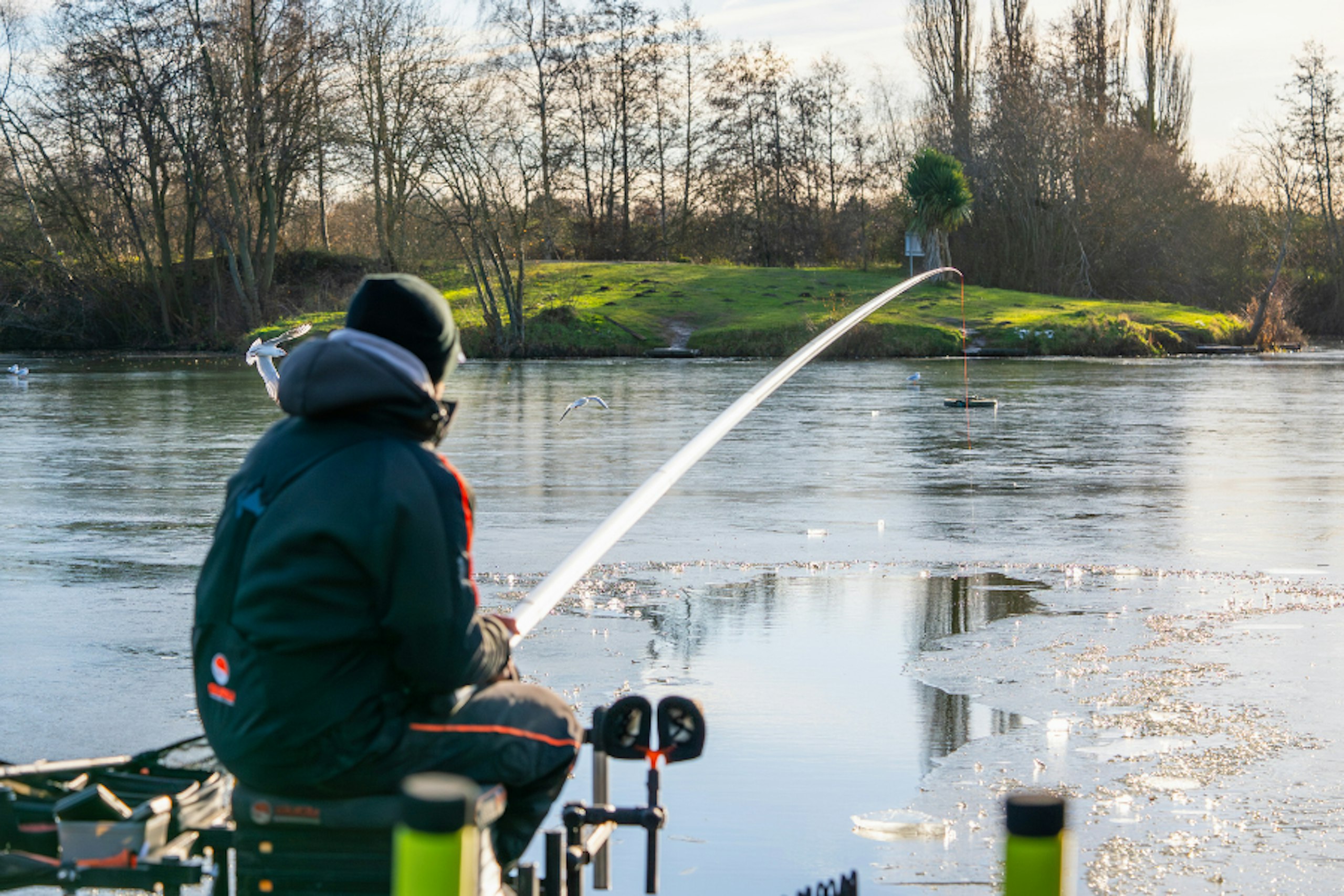
Pick the right stand out bait
Bait colour matters far more than anglers like to admit, and you see it most obviously once the water starts to clear. The clearer the water, the more your hookbait needs to stand out. Bright baits such as corn can be a real edge for carp in clear winter water, and the same applies to maggots. If I’m targeting F1s when it’s cold, I’d rather fish a red and a white than two reds. It is a small change, but it gives fish something easy to lock onto. When the water is coloured, sight plays less of a role and attraction comes into it more, so pellets, paste, and anything with a stronger scent profile often score better.
MAKE YOUR HOOKBAITS STAND OUT WITH THIS HANDY GUIDE.

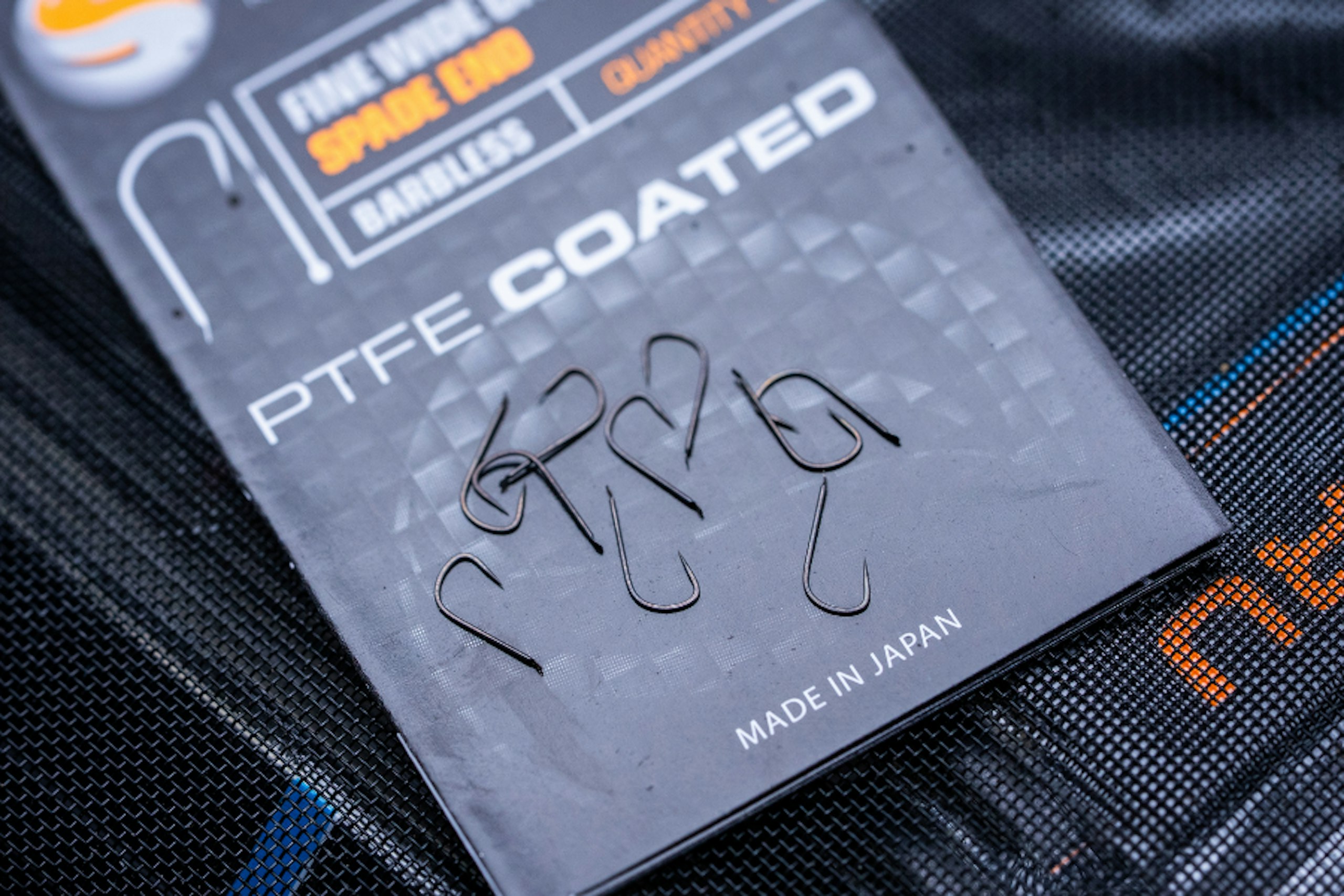
Keep hook choices simple
There is no need to overcomplicate things. You do not need ten different patterns for stillwater fishing. You need a small selection you trust, in sizes that suit the job. A strong, light wide-gape pattern covers most pole fishing and will handle everything from maggots to harder baits without fuss. For feeder and bomb work, a pattern designed for hair rigs makes sense because it is built to hold securely once a fish is hooked, which is exactly what you want when bites are scarce. Then you want one fine-wire option for winter pole work, something sharp and dependable for baits like corn, maggots, and soft pellets.
UNSURE ABOUT WHAT HOOKS TO USE CHECK OUT THIS GUIDE TO CHOOSE THE RIGHT HOOK.
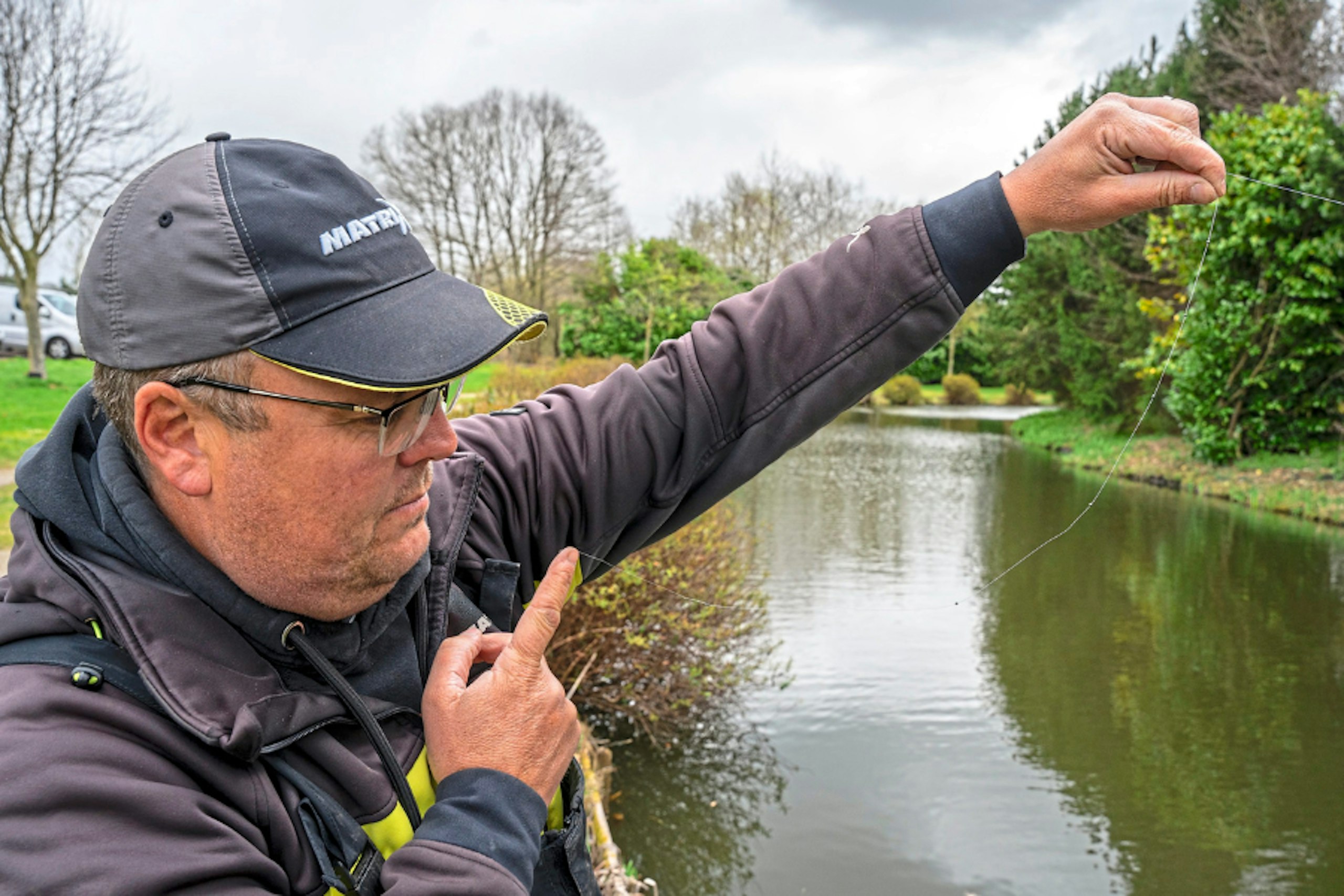
Adjust your shotting pattern
If you fish the same shotting pattern all year, you are missing a trick. In winter, how the bait falls can be the difference between liners and proper bites. With maggots or pinkies for F1s, I like a slower fall because it keeps the bait in front of fish for longer, and it often turns cautious interest into a take. That usually means a strung-out bulk with sensible spacing so the hookbait behaves naturally. Switch to pellets and the opposite can be true. Pellets often work best when the bait gets down and settles more positively, so tightening the bulk and reducing the spacing can increase the bite rate because your hookbait is behaving like the free offerings.
IN THIS ARTICLE FIND THE BEST TIPS FOR HOW TO MAKE THE BEST POLE RIGS.
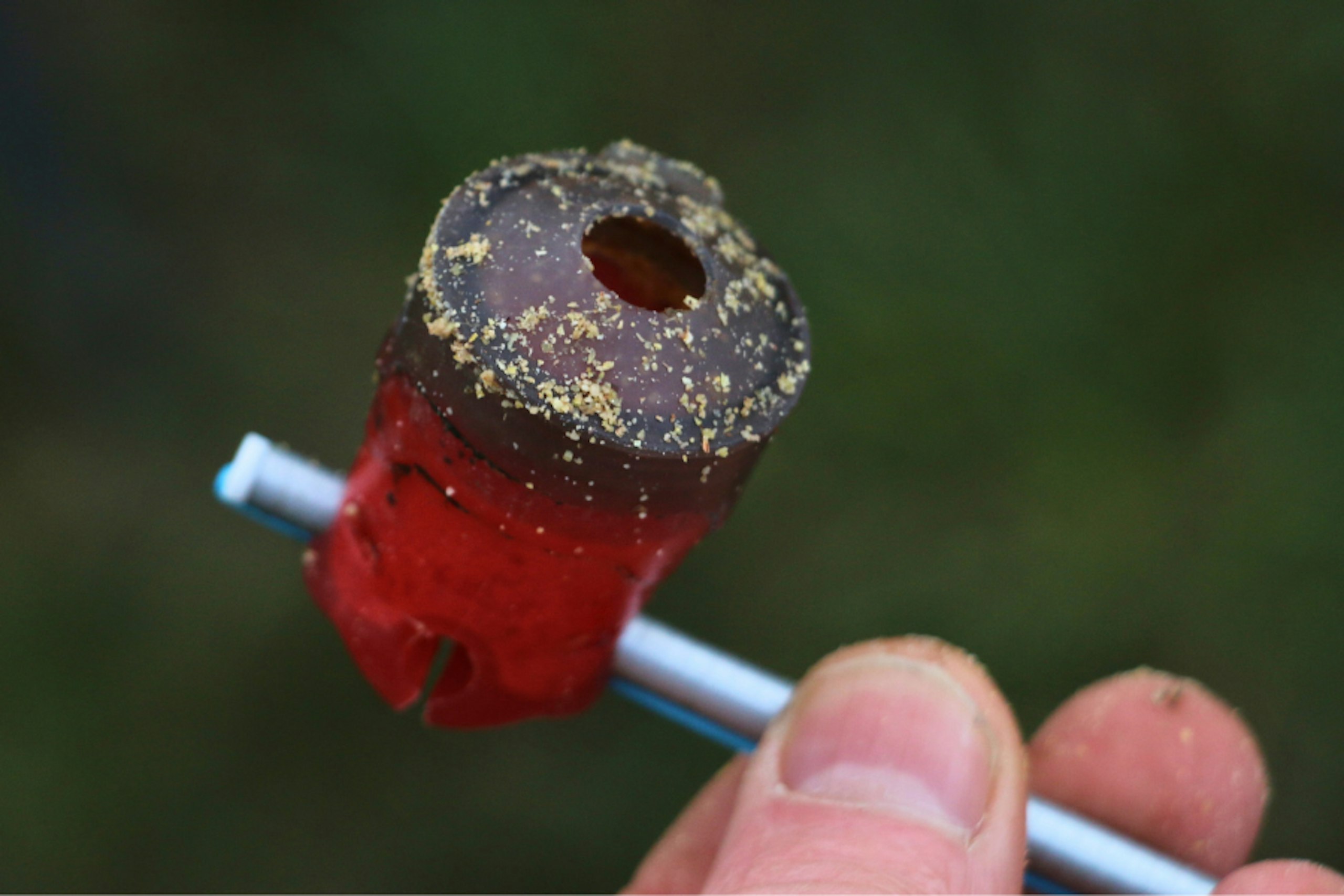
Mount your pole pot correctly
If your pole pot is sat inches back from the tip, you are feeding short. Every single time. In clear water, feeding short is a great way to pull fish away from where you are fishing and then wonder why you aren’t getting bites. Your pot wants to be as close to the tip as practical so the feed lands where your float and hookbait are working. It matters for carp, but it is especially noticeable when you are targeting F1s because they will often feed over a tight area. You can be inches away from that dinner plate and never get an indication.
CHECK OUT THIS LIST OF THE 5 THINGS I WOULDN'T GO POLE FISHING WITHOUT.
Go longer later
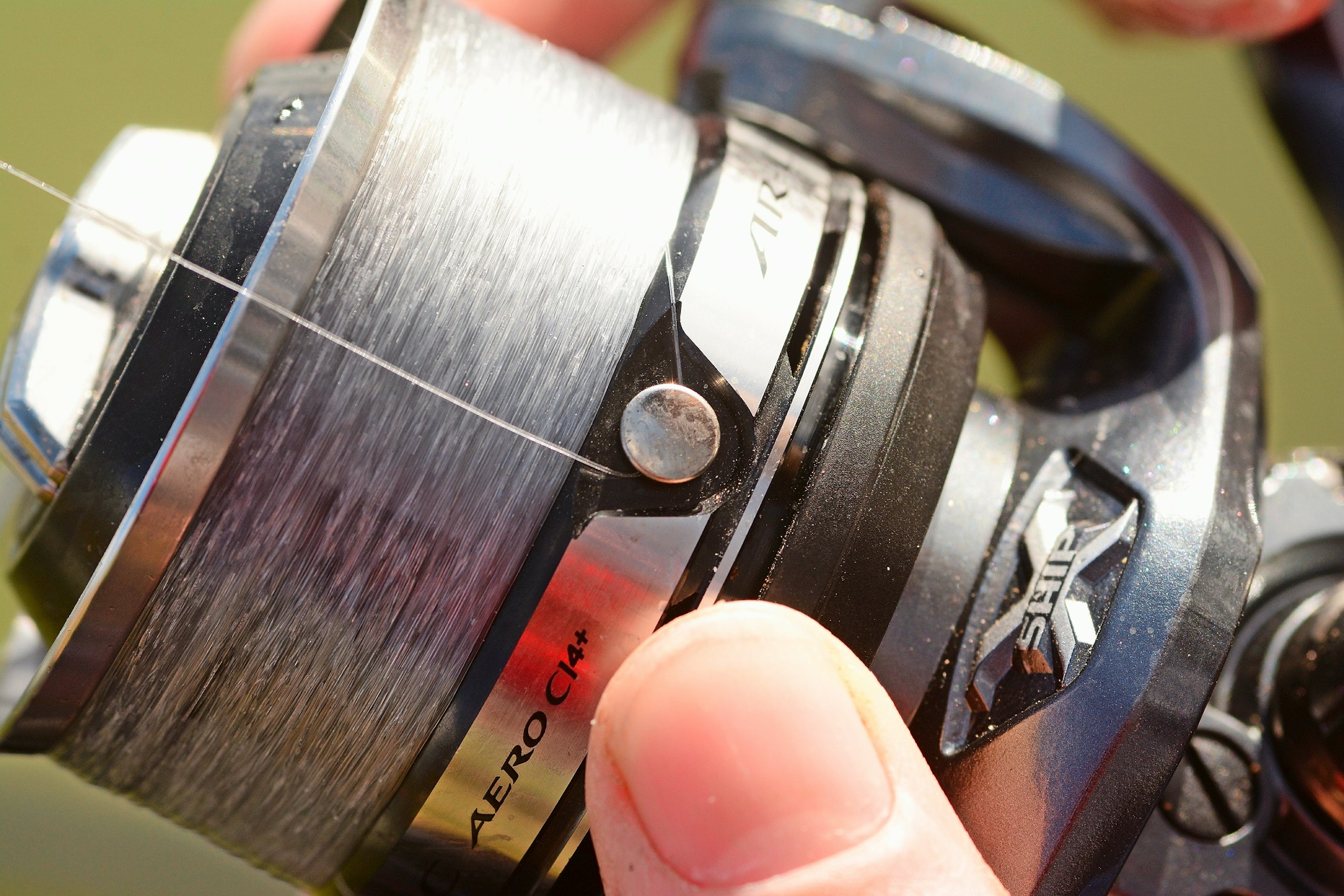
Most anglers like the comfort of fishing on the clip, and in winter that can be the right call for building a swim. But there is a simple late-match adjustment that can pick off fish when bites die. After repeated disturbance from feeders landing and fish being played, some fish will sit just off the back of the main feed area and pick up what drifts or falls beyond it. In the last hour, if the peg feels like it has gone quiet, I will often take the clip off and go a metre or two further. It sounds too easy, but it works because you are putting the hookbait where fish have backed off to.
THE BEST FISHING REELS ALL HAVE LINE CLIPS.
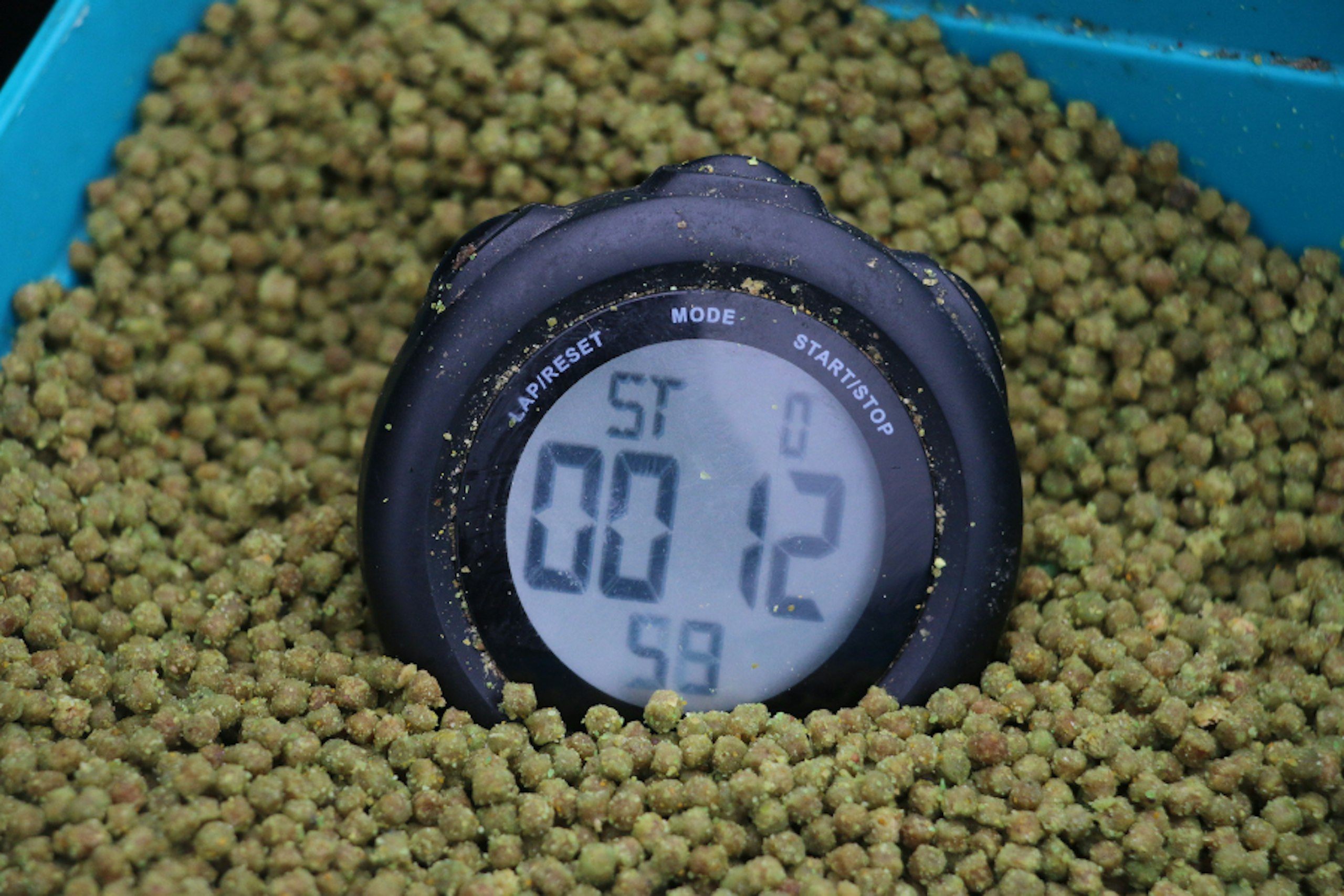
Use a stopwatch
In cold conditions, the anglers who catch consistently are usually the ones who fish with intent rather than hope. A stopwatch helps because it makes your approach repeatable. You can start with ten-minute casts, then extend if there are no signs, but the real value comes once bites start. Time your bites, even roughly, and patterns appear quickly. If most bites are coming around the 11 to 12-minute mark, there is no point leaving the feeder out for twenty-five minutes and telling yourself you are being patient. You are just leaving fish uncaught. Timing your casts keeps you efficient, saving you time and more time can mean more fish in the net.
IN THIS GUIDE WE PICK THE BEST FISHING GADGETS.
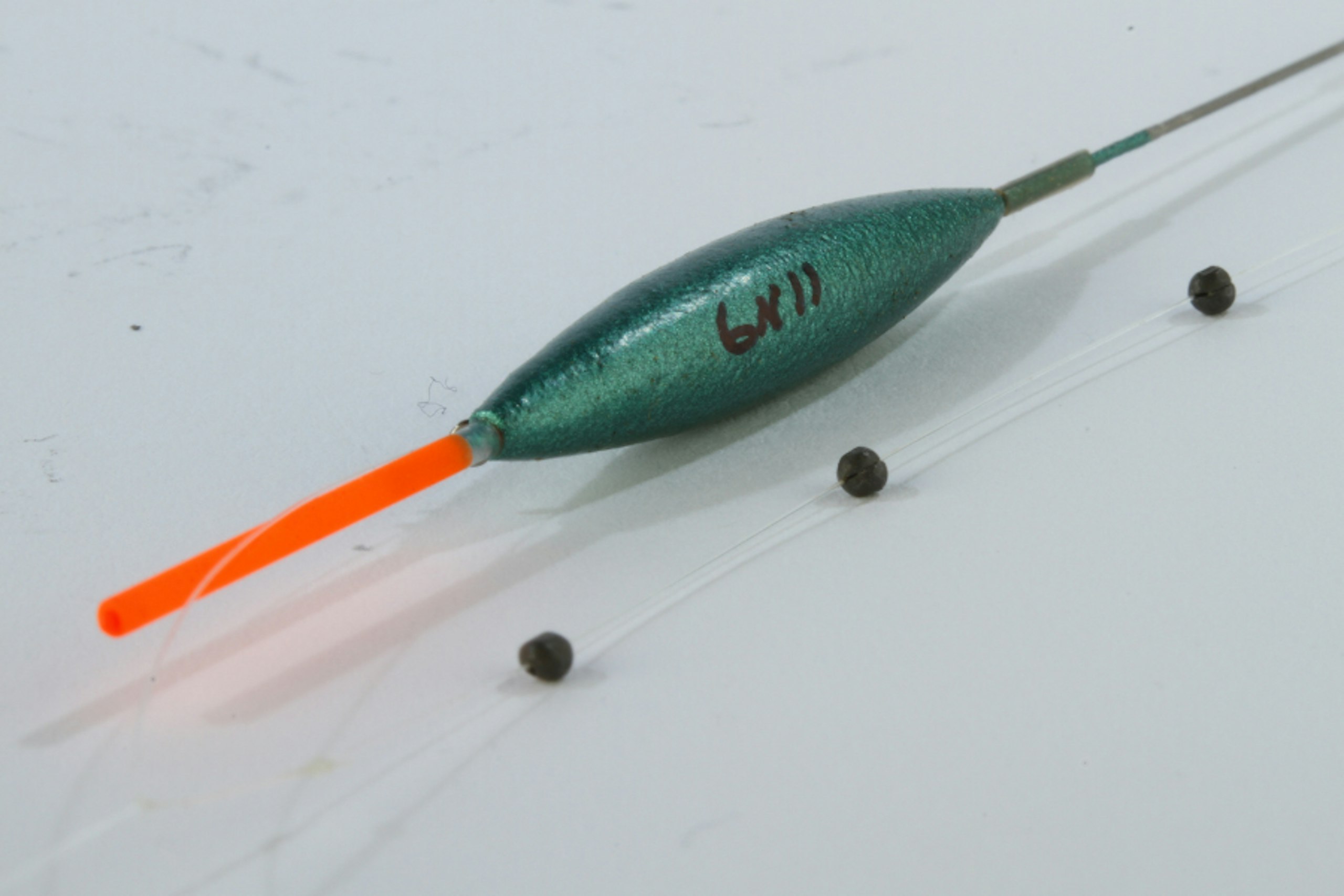
Back shots add stability
If you want stability, better presentation and better bite detection in a crosswind, back shots are one of the easiest upgrades you can make. Lots of anglers use a single shot above the float, but a short string of small shots keeps you tighter to the float and helps the rig behave better when the surface is towing. More direct contact means you hit more bites, and in winter you might only get a handful of chances, so you cannot afford to miss them. Start with small shots spaced neatly above the float, and if it gets really windy, bring them a little closer together. Combine this with a bump bar or pole support and you can comfortably keep the rig stable for longer.
STABILITY STARTS WITH THE BEST FISHING SEATBOXES.
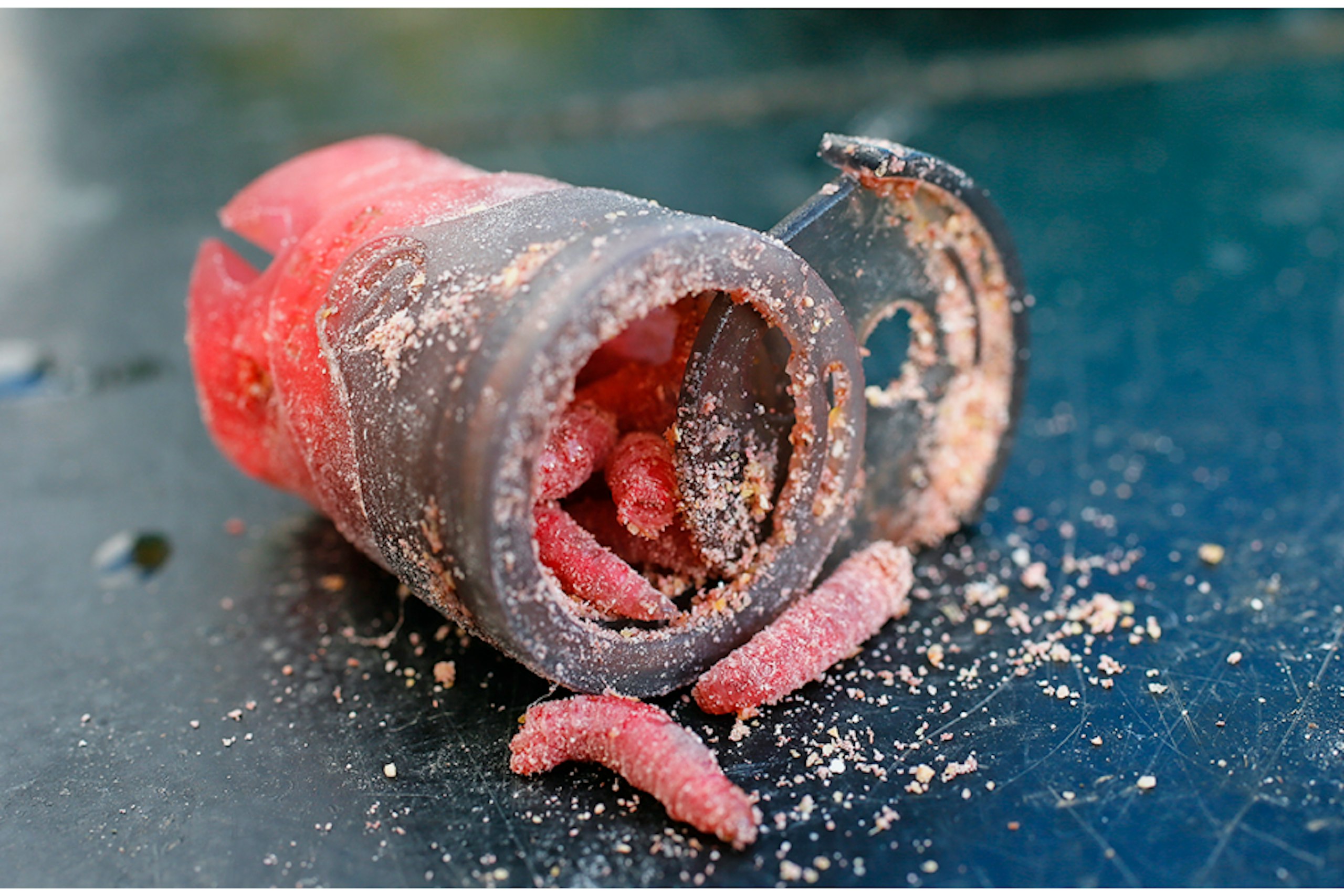
Feed from a pot with the right lid
Bait falling through you peg can often be a trigger in itself. Fish will follow it down, especially F1s and silvers, and that is why how you feed from a pot matters. I prefer a lid that allows me to sprinkle bait rather than dump it, because it keeps fish interested without overfeeding them. If you can feed little and often over the top without constantly shipping back to fill the pot back up, you spend more time fishing and less time messing about. In winter, keeping things tidy and consistent is often what builds the swim and keeps bites coming.
SPRINKLE POTS ARE GREAT FOR CATCHING MORE F1'S ON PELLETS.
Just so you know, we may receive a commission or other compensation from the links on this website - read why you should trust us