- Home|
- Advice|
- Tips
How to catch carp shallow with sloppy pellets
Carp soon wise up to the rattle of pellets on the surface, give them a reason to find your hookbait by feeding sloppy micro pellets.

by Tony Grigorjevs |
Published on16th May 2026 at 10.51am
Follow Angling Times on Google
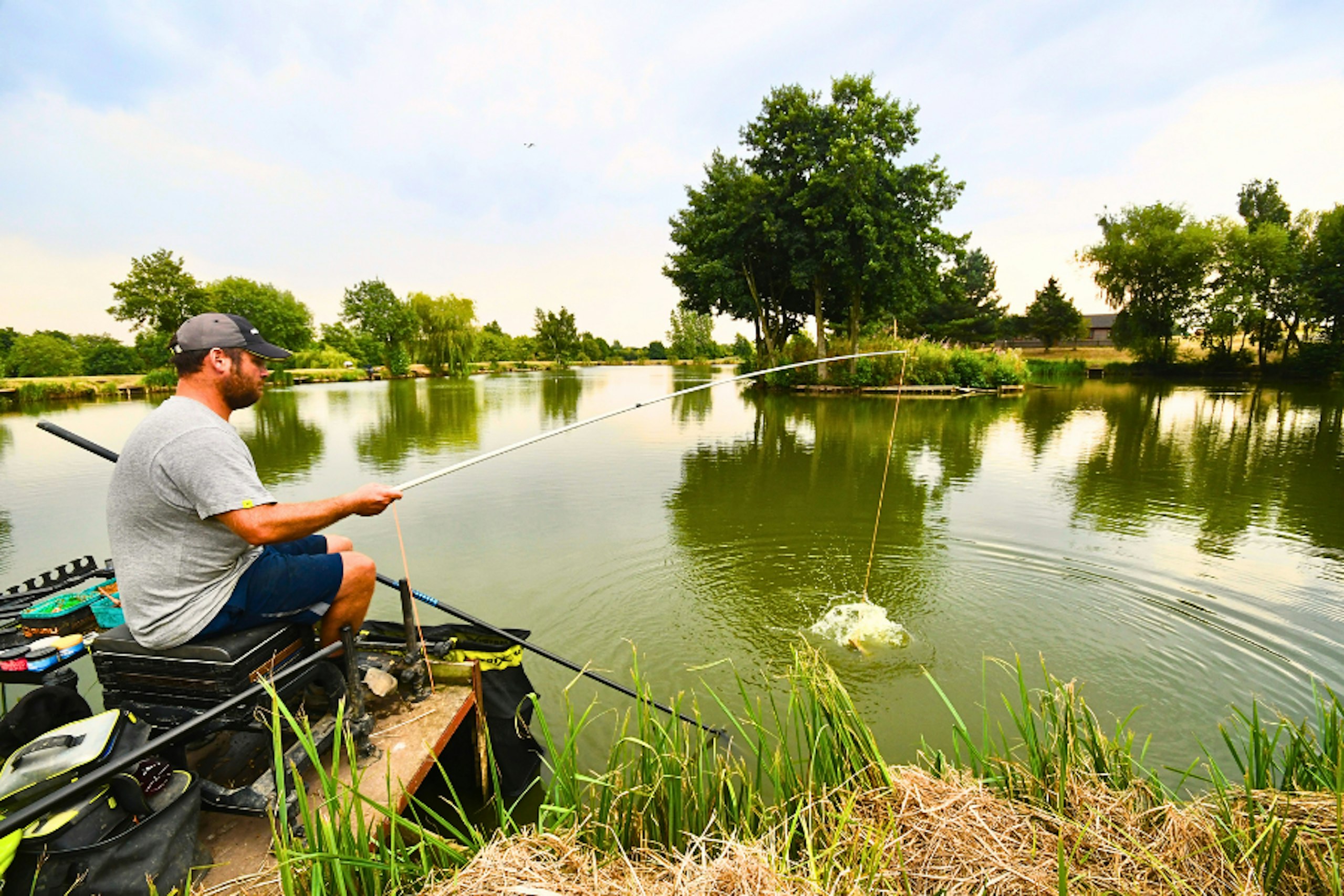
Shallow fishing on the pole can put plenty of big weights together at this time of year, but the finer details behind the approach are changing all the time.
Whether you are looking at rigs, feeding or your wider tactical strategy, you now have to find smarter ways of tempting bites from fish that have seen plenty of pressure before. Commercial carp are getting bigger, older and wiser, and what worked last summer will not always deliver the same results this time round.
Small changes can make a big difference, especially when you are dealing with fish that are willing to feed shallow but reluctant to fully drop their guard. Damian Green has a clever way of getting those fish to feed confidently, and it all starts with how you introduce your loosefeed.
Constantly firing pellets with a catapult has long been the standard way to get carp interested on many venues, but that repeated noise can also become a warning signal. Fish still want to feed up in the water, but they are far more likely to do it when they feel as though they are getting an easy meal without too much disturbance. A micro pellet slop gives you exactly that.
Slop is used a lot for F1s, but it is far less common when anglers are targeting bigger carp. That is a mistake, because it can be devastating for large, wary fish that appear to know every normal shallow fishing trick in the book.
THE BEST FISHING POLES ARE BRILLIANT FOR THIS TACTIC.
Cloud up the column
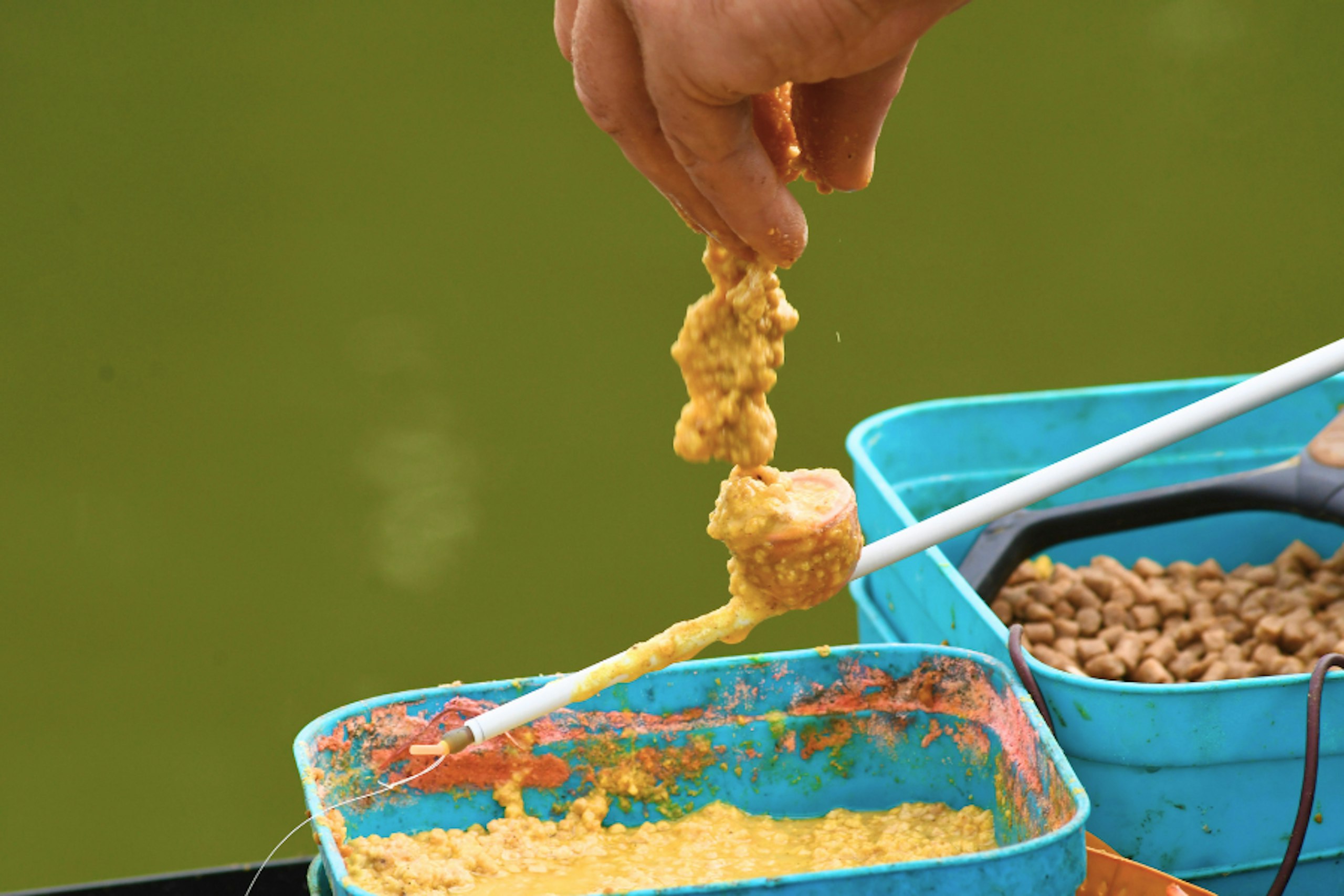
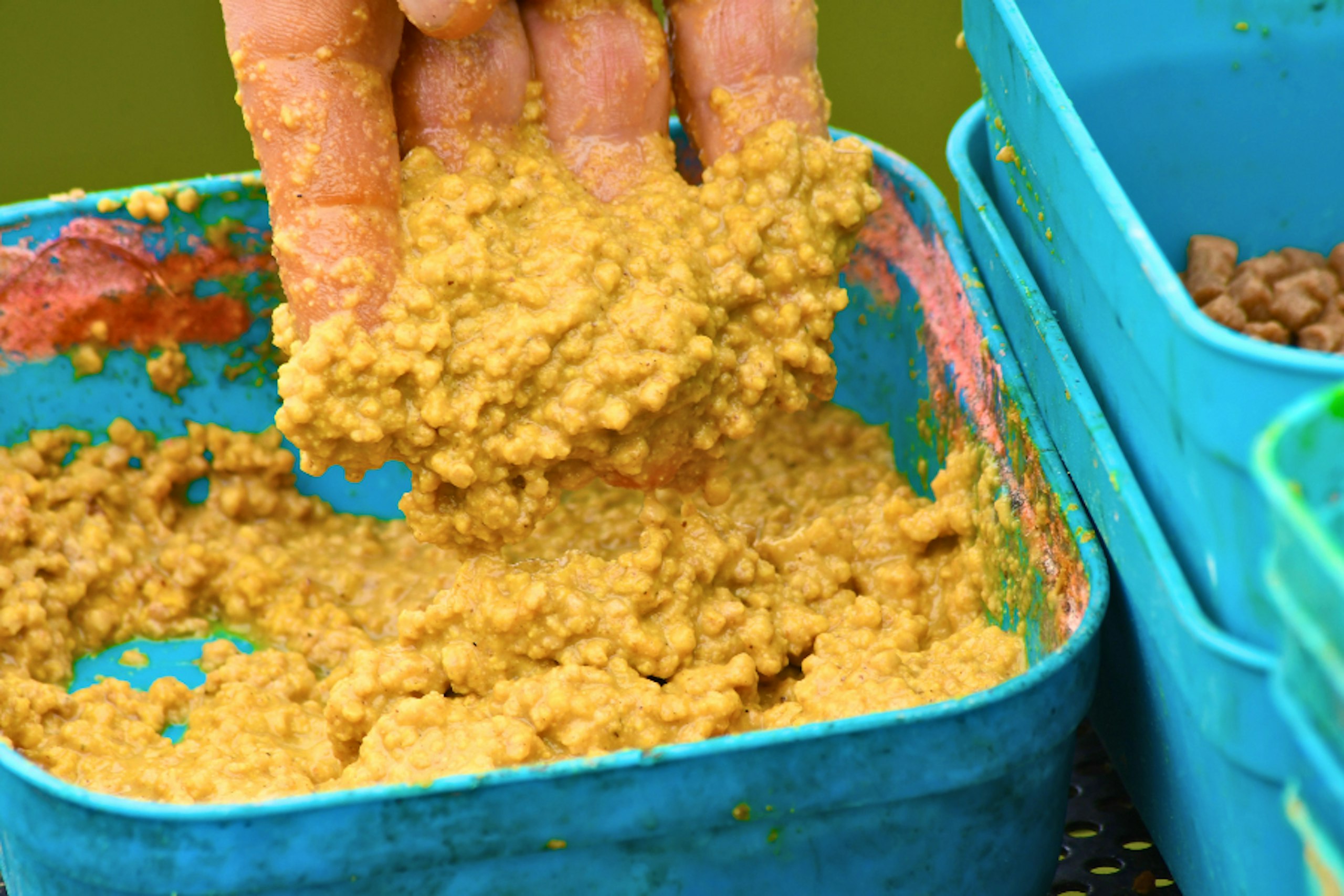
The mix itself is simple. By over-wetting micro pellets, you create a sloppy feed that breaks up in the upper layers and pulls nearby carp into the swim. That alone will catch fish, but you can make it even more effective by turning the feed a bright yellow colour, giving it far greater visual impact as it falls through the water.
Once the slop has sunk, the liquids you have addedwill still linger in the upper layers, helping to keep fish interested and searching. Damian over-wets his micros before adding a few squirts of Hinders Betalin and Corn Booster, mixing everything thoroughly until the feed becomes bright, sloppy and highly attractive.
That leaves you with a loosefeed that stands out, leaks attraction and gives shallow-feeding carp something different to home in on.
CATCH MORE SHALLOW WITH THE HELP FO THIS EXPERT GUIDE.
Reduce the distrubance
Rattling the surface with hard pellets can still work, because the noise alerts carp to food entering the water, but it is not always the best route. On some waters, fish will now back away from that disturbance, especially when they have been caught shallow several times before.
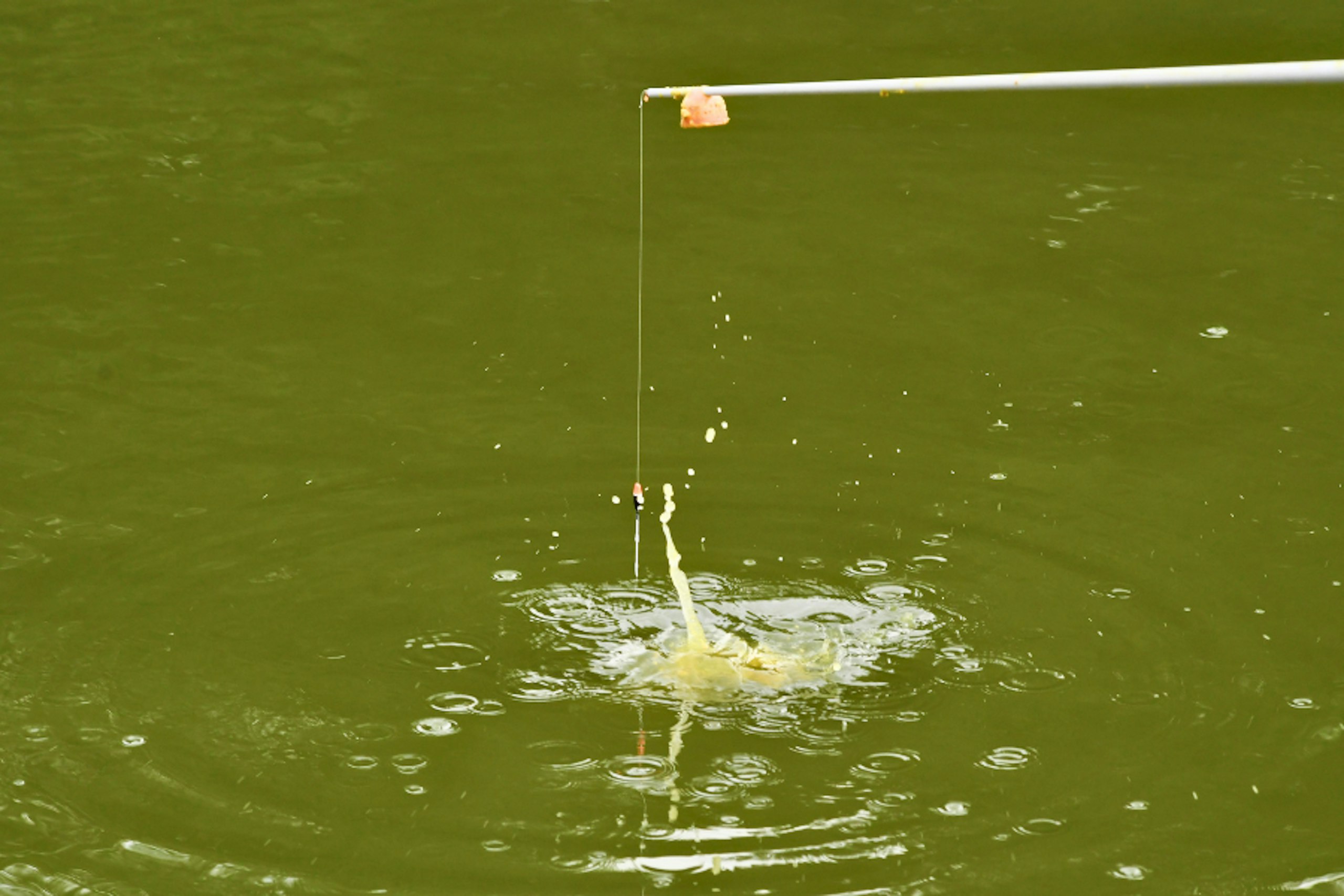
To get around that, you can do more of your feeding with a small pot. It is much quieter, but you still have control over how the feed enters the swim. If you want a bit more surface noise, you can simply hold the pole higher when tipping the pot in.
The catapult does not have to be completely redundant. You can still ping a few 6mm hard pellets over the top, but the key is to keep changing the routine so the carp never get too comfortable with what is happening. At times, that might mean feeding a small potful every few minutes or after every fish. At other times, it might mean switching back to hard pellets for a short spell.
When carp become wary, staying busy with your feeding can help build their confidence and improve your catch rate.
CHECK OUT THESE 5 MUST HAVE CARP POLE RIGS IN THIS EXPERT GUIDE.
Boost your hookbaits
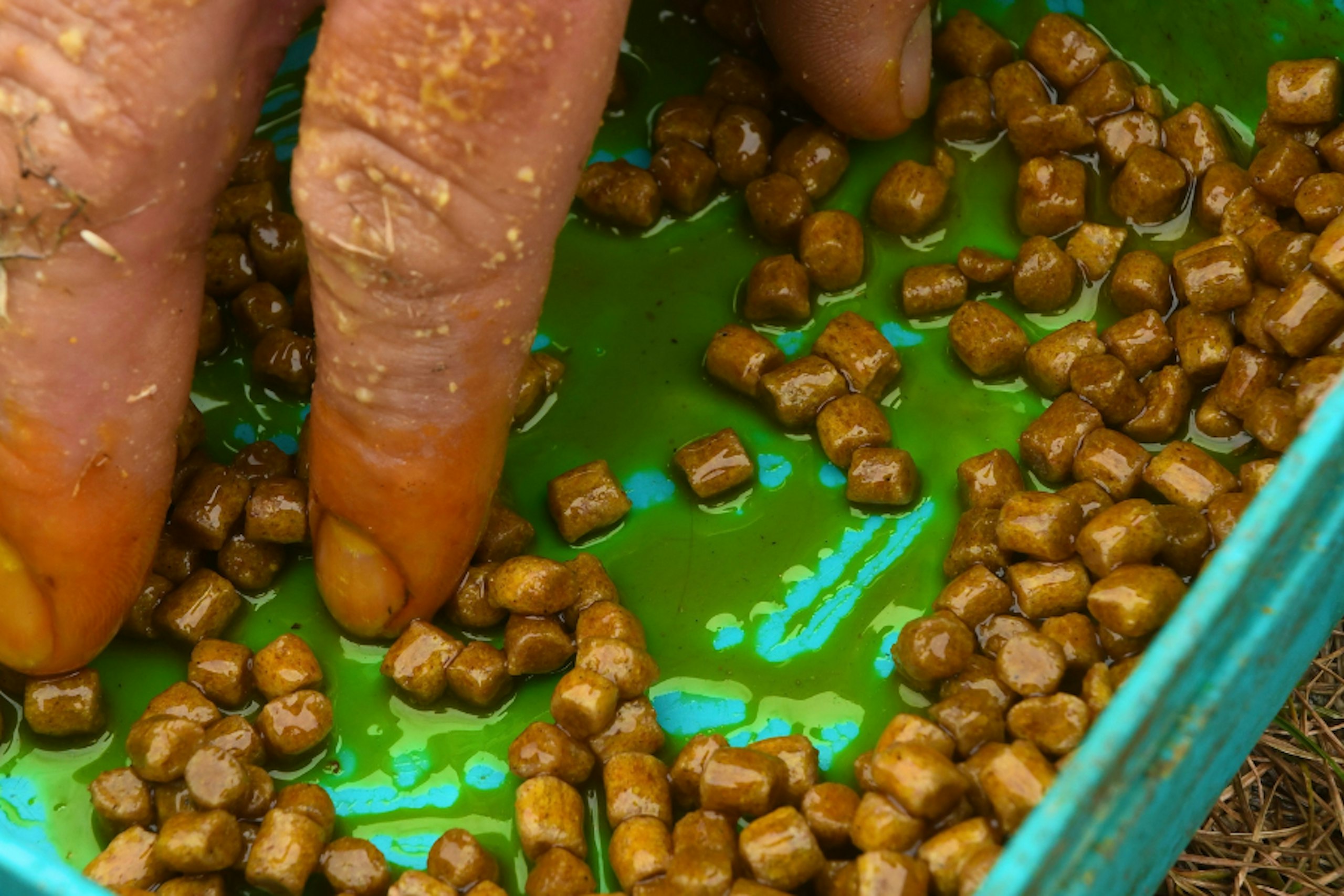
Your loosefeed is not the only thing that benefits from a flavour boost, because your hookbait can be treated in exactly the same way. A natural 6mm hard pellet may have worked well in the past, but on pressured venues fish can become tuned in to anything that looks too familiar.
To combat that, put a handful of hard 6mm pellets into a tub and coat them in the same liquid mix used on the micros. Once the contents have been mixed thoroughly and left to stand for around 20 minutes, the pellets will take on the colour and hold it for long periods, even after they have been submerged.
That gives you a hookbait that matches the attraction in your feed, while still standing out enough to be picked out by fish feeding competitively in the upper layers.
LEARN HOW TO MAKE YOUR FISHING BAITS STAND OUT IN THIS ARTICLE.
Vary the feed consistency
Carp rarely sit at one depth for a full session. They constantly move up and down in the water column, so you need to be prepared to follow them rather than stubbornly sticking to one line.
A good starting point is around 2ft deep, before moving up or down in 6in increments depending on what is happening. If you are getting line bites or foul-hooking fish, go slightly shallower. If you are getting no indications at all, try pushing the rig deeper until you find where the carp are actually feeding.
You should also adapt the sloppy pellet mix to suit the depth. If the fish are high in the water, make the mix wetter so it explodes quickly and creates an instant cloud. If they are sitting deeper, stiffen the mix slightly so it sinks before dispersing.
That allows the feed to work exactly where the fish are feeding, rather than simply hoping they come up to meet it. Making small batches of slop throughout the session also helps you maintain the right consistency, instead of committing to one mix that may not suit the way the swim develops.
CHECK OUT HOW TO TIE THIES DEVASTATINGLY EFFECTIVE CARP SLAPPING RIG.
Use gear to win the battle
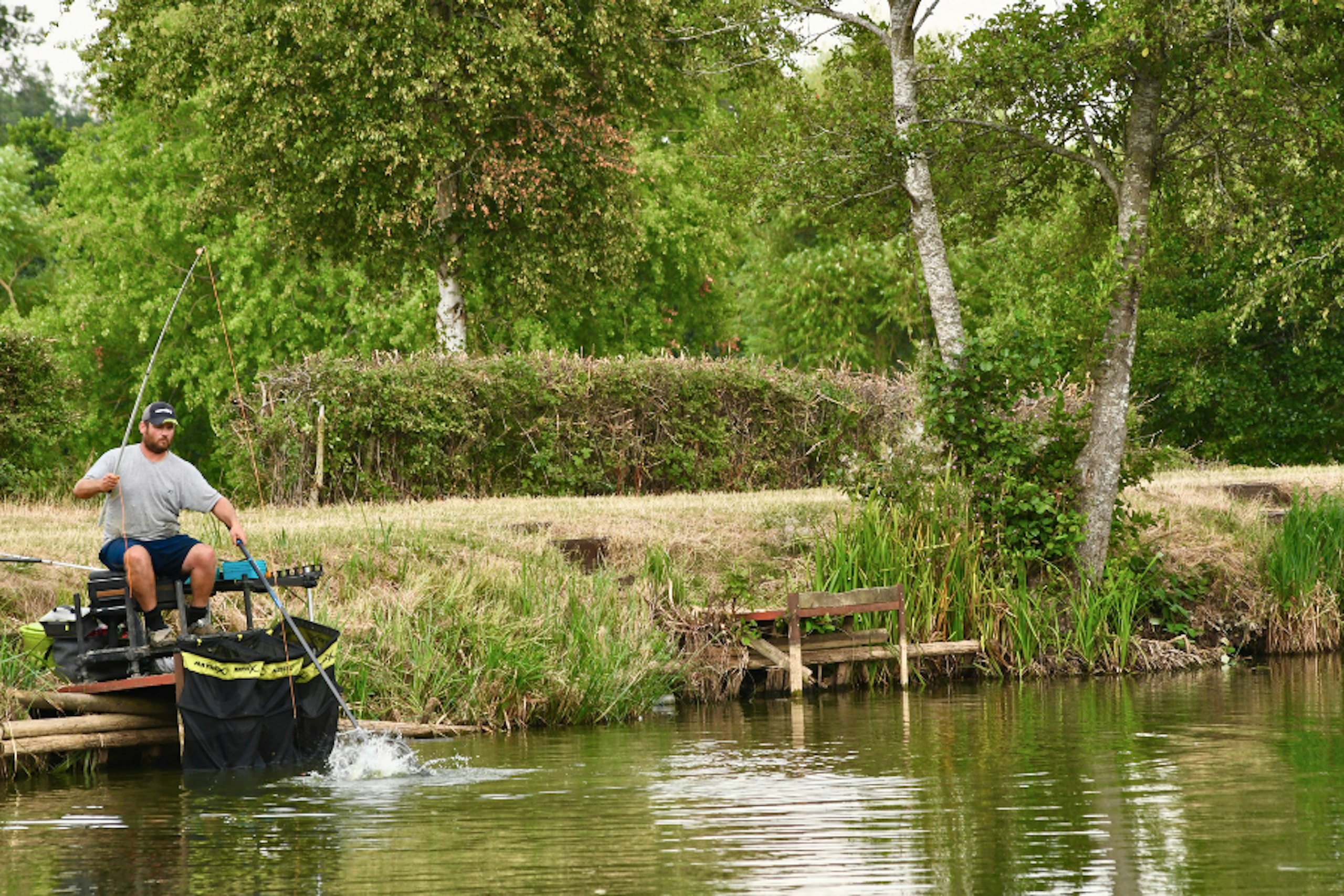
Fish feeding shallow often hit the bait at speed and, once hooked, can tear away from the pole like an express train. That means your tackle has to be balanced correctly, because you can lose fish at any stage of the fight if the set-up is not right.
A soft elastic that allows the fish to leave the swim with minimal resistance is important. If the elastic is too harsh, you risk pulling the hook out when the carp is moving at its fastest. Damian uses a grade 12-14 Matrix Slik, which gives enough cushioning early in the fight before powering up once plenty of elastic has been pulled from the top kit.
You also need terminal tackle that is strong enough for the job. A 0.20mm mainline, 0.18mm hooklength and size 16 hook give you the strength to cope with any carp you are likely to encounter, without making the rig feel crude or overgunned.
ENJOY YOUR TIME ON THE BANK SAT IN COMFORT ON THE BEST FISHING SEATBOXES.
Just so you know, we may receive a commission or other compensation from the links on this website - read why you should trust us