- Home|
- Advice|
- Tips
Lure tails explained | What to use and when
A definitive guide to lure tail patterns and why they are more important than you may think

by James Furness |
Updated on14th January 2026 at 1.49pm
Follow Angling Times on Google
Walk into any tackle shop that has a half-decent lure wall, and you’ll notice that soft plastics don’t just come in a raft of different sizes and colours, they also come with different tails.
A lure’s tail pattern is far more than just a waggly bit for decoration, however. It dictates how a bait displaces water, how much vibration it kicks out, its fall rate, how it behaves on the retrieve and even what speed you can fish it at.
This variety is crucial when targeting species like perch. Some days they’ll prefer a big, thumping signal they can home in on, whereas on others they’ll only take a subtle, almost lifeless-looking snack that makes minimal disturbance. So, although most anglers commonly experiment with the colour of their lure to encourage more bites, in many cases, the tail pattern could well be the difference between catching and blanking.
Here’s a breakdown of the main tail patterns you’ll come across, what each does in the water, and when to pick one over another.
IF YOU ARE NEW TO LURE FISHING, HERE IS EVERYTHING YOU WILL NEED.
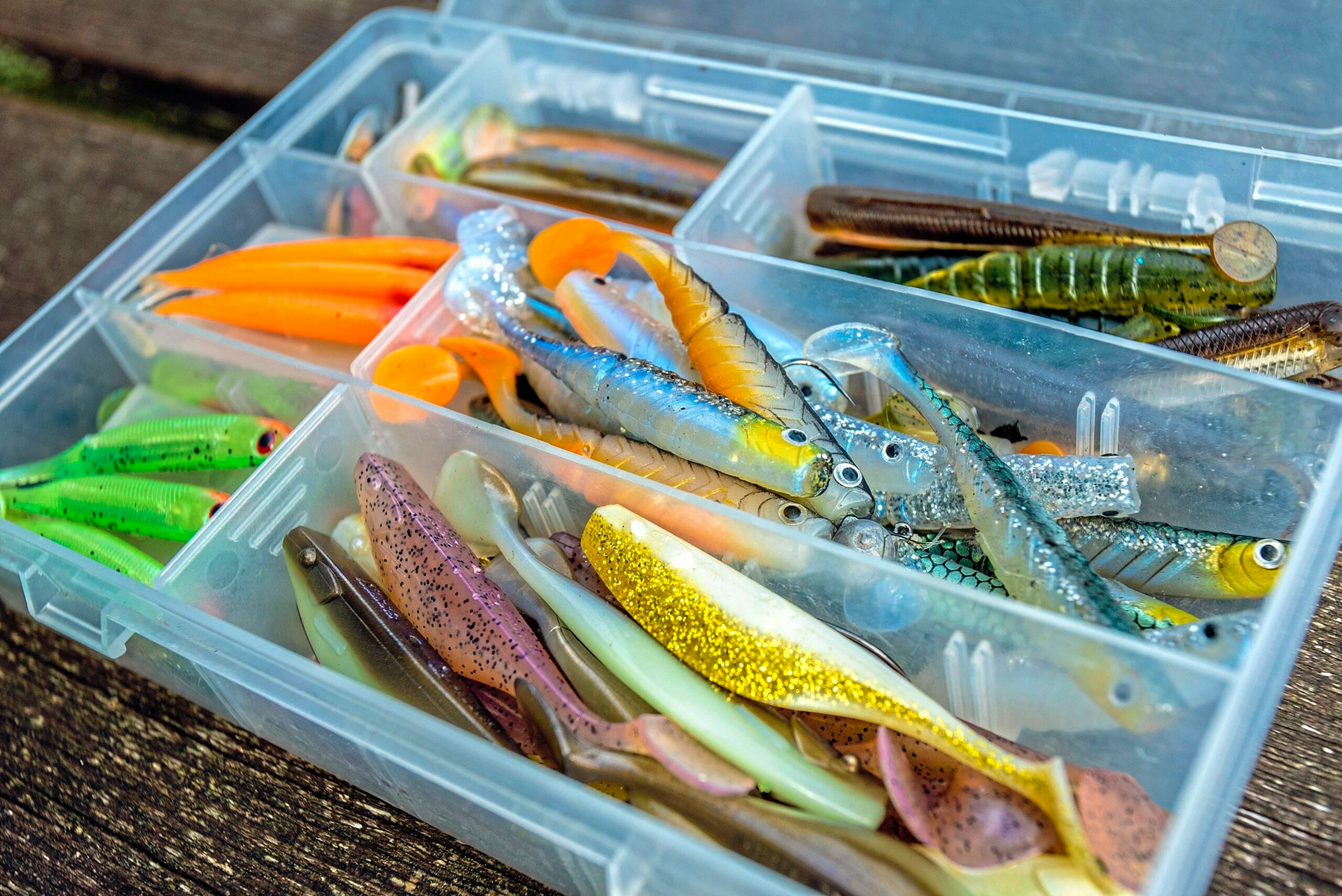
Every lure will work, it is knowing when and what to use!
Pin Tails
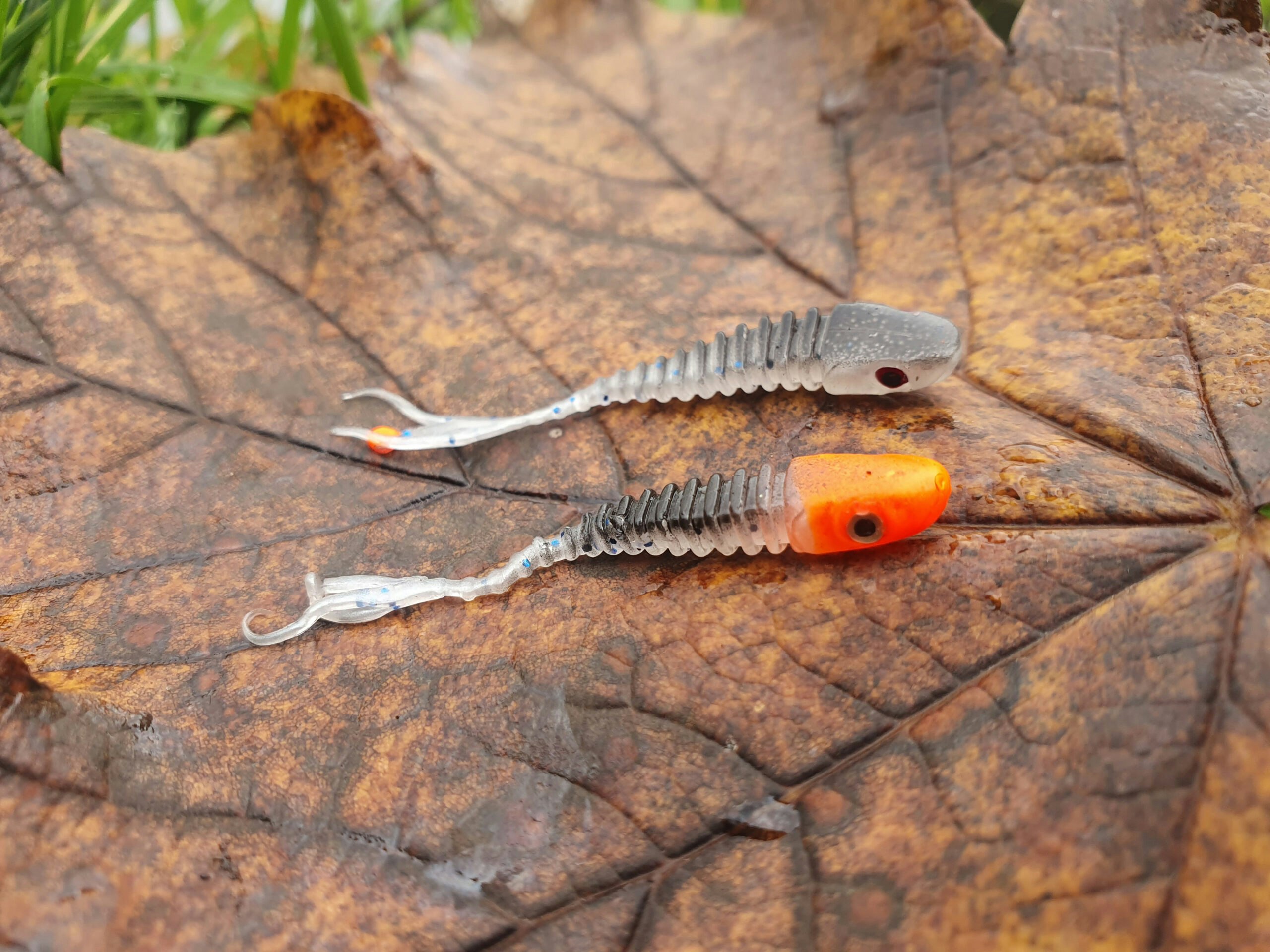
A pin tail is exactly what it sounds like – a slim body with a thin, tapering tail. The profile of these lures means they offer minimal vibration and water displacement.
In the water they will fall naturally and have a smooth and steady retrieve. Any action on the lure needs to be imparted by the angler with little twitches, gentle lifts and tiny shakes, as opposed to other types where the lure will do most of the work.
They often perform well in cold water when perch don’t want to chase a bait or are predominantly feeding on small fry or invertebrates. They are also excellent when fishing vertical drop shot tactics tight to features such as walls or moored boats.
THE BEST LURE RODS WILL HELP YOU IMPART ACTION INTO ANY LURE.
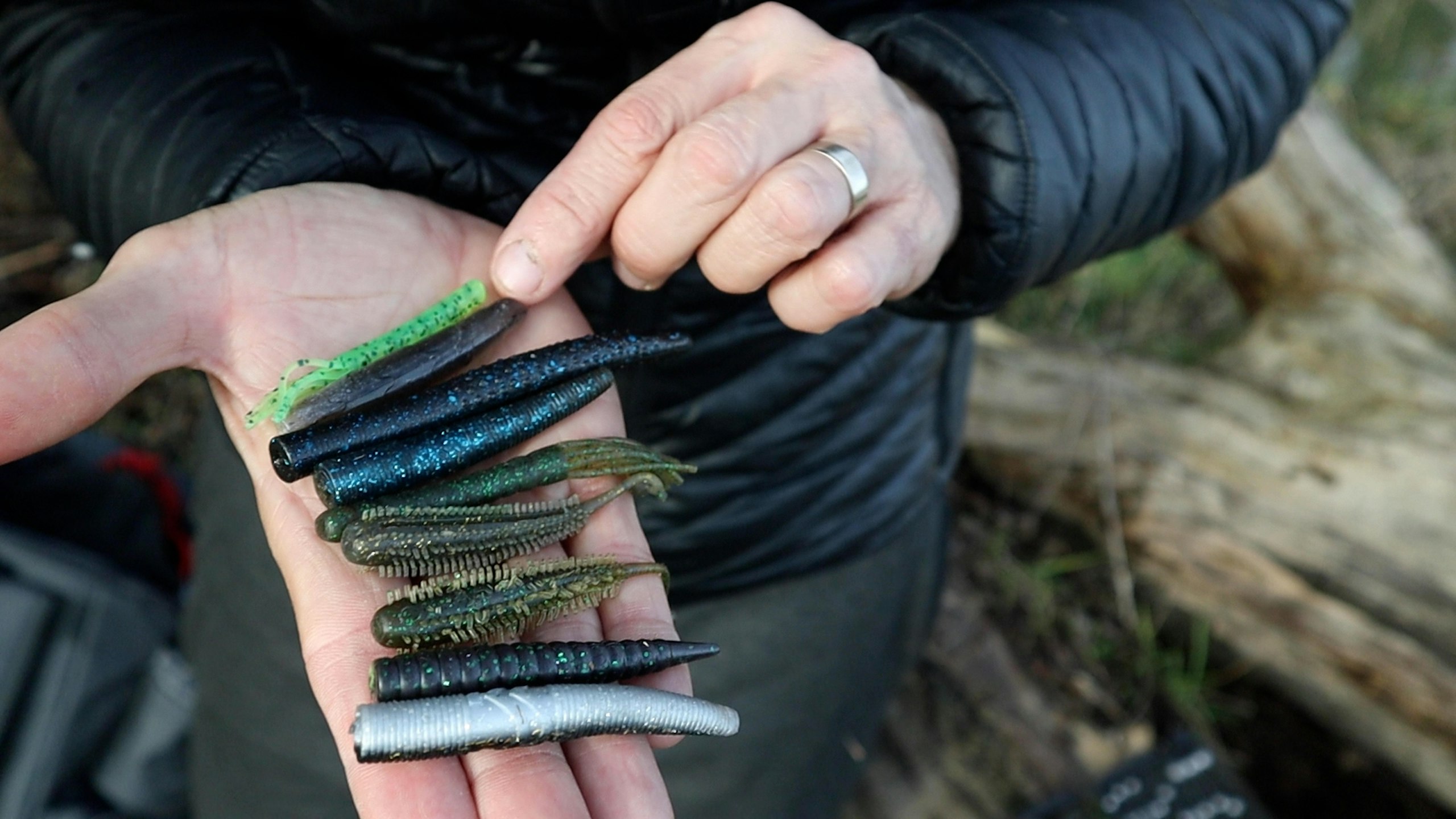
Even lures with very little tail shape work well | Credit: Nick Marsh
Paddle Tails
These are arguably the most common pattern and feature a rounded ‘boot’ shape at the end of the tail which ‘kicks’ on the retrieve.
They’re able to displace water and send out a strong vibration, which perch, pike and zander can track, even when the visibility is poor. The paddle also creates more drag in the water so these lures will have a slightly slower fall.
This pattern is ideal for situations where you need to cover a lot of water and locate fish or when predators are active and hunting. Because they naturally create a lot of movement, a simple retrieve is often all that’s required, making them a great starting point for anyone just getting into lure fishing.
PADDLE TAILS ARE A GREAT CHOICE FOR ZANDER, LEARN HOW TO CATCH ON THEM HERE...
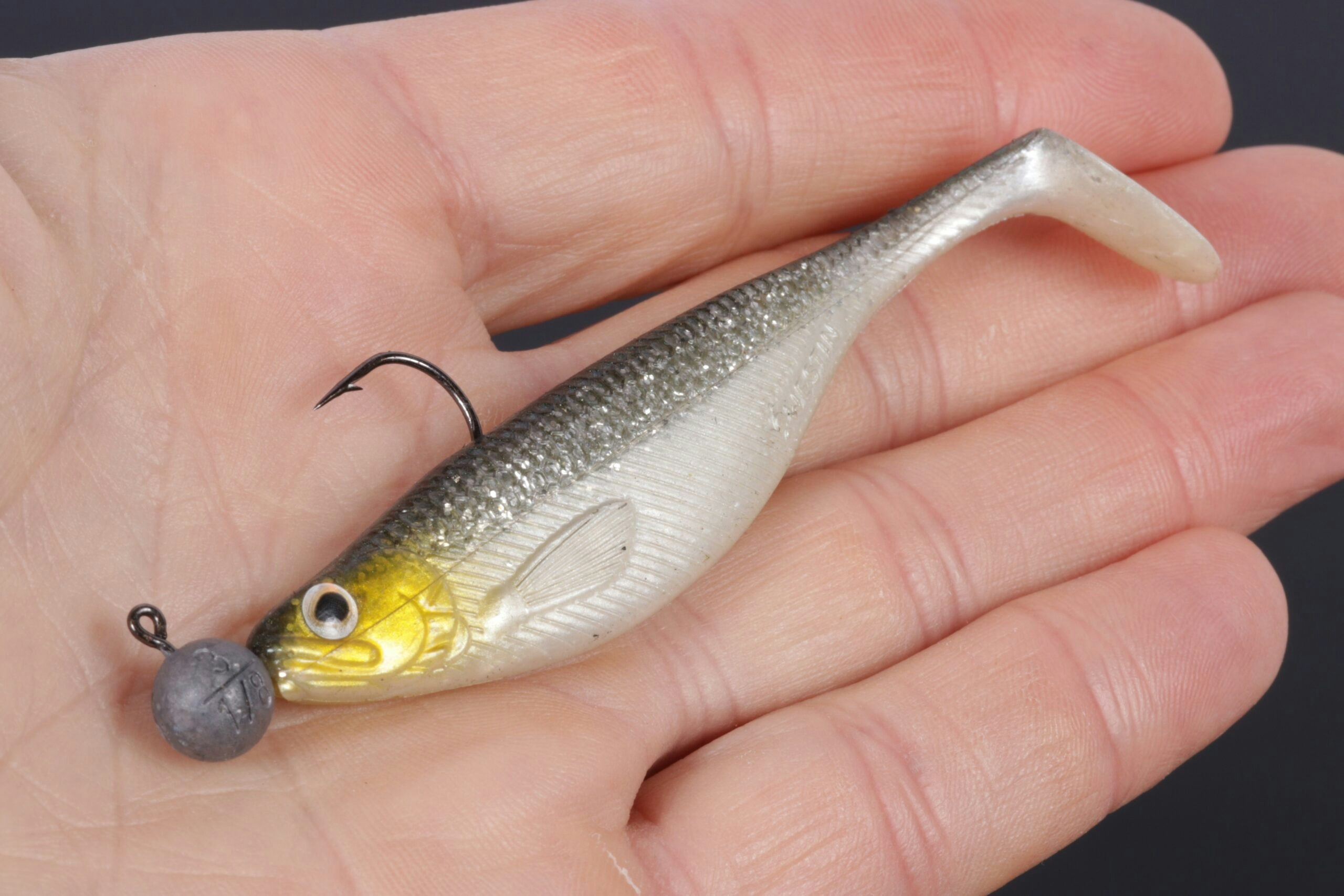
A paddle tail is great for beginners as the lure does the work for you!
Curly Tails
These boast a ‘C’-shaped tail which undulates attractively with very little effort on the angler’s part. The advantage of this is that they work well even with a painfully slow retrieve or with minimal work from the rod.
The ideal time to use them is during the winter months on canals or on slow-moving rivers and snaggy spots where you need to carefully inch a lure through without constant sharp lifts.
They also work very well when paired with lighter jig heads and allowed to waft down enticingly beside structural features.
HERE ARE SOME EXCELLENT TIPS FOR CATCHING PIKE ON LURES.
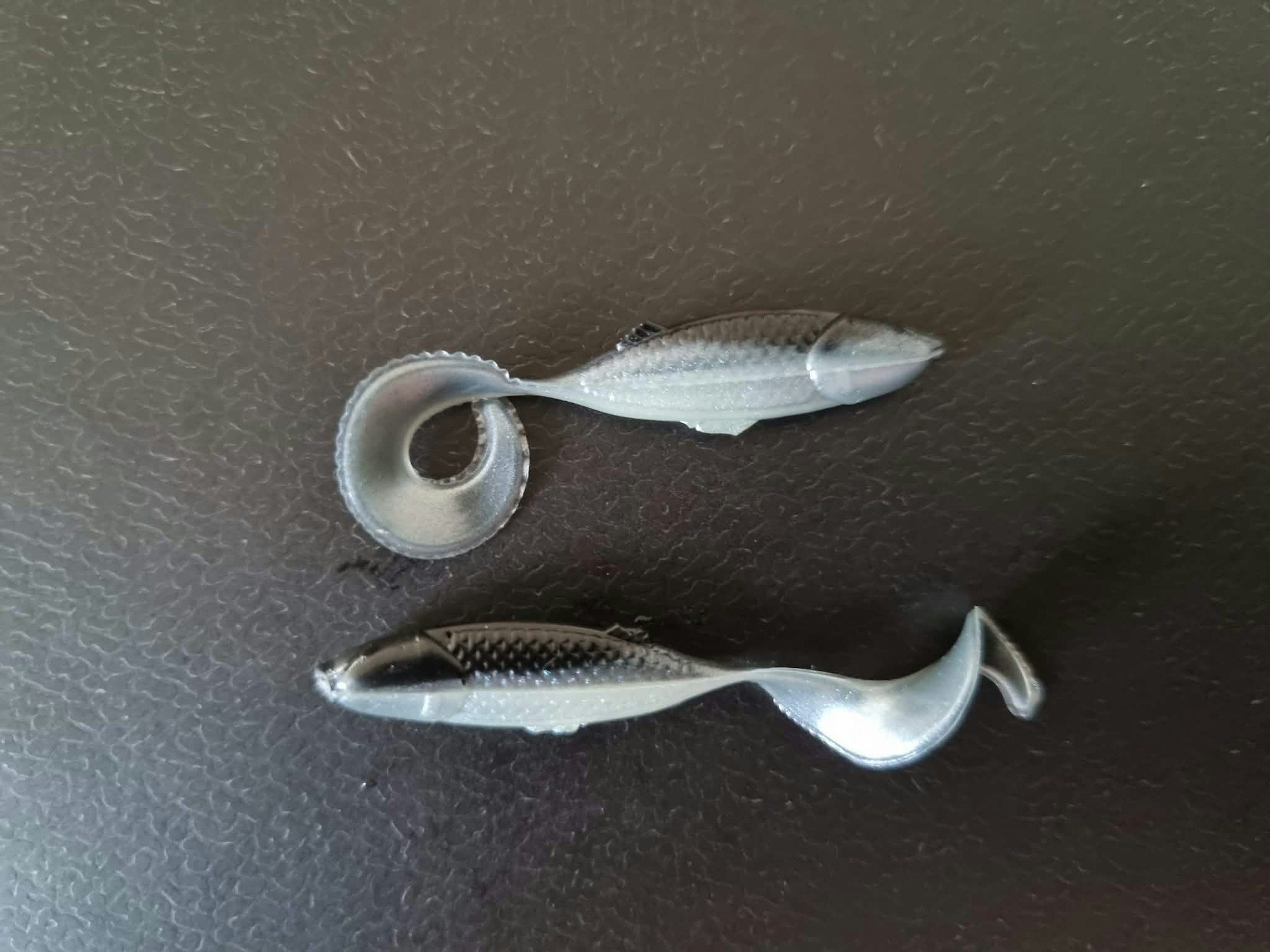
V-Shaped/Split Tails
Often shaped like a fork or a ‘V,’ this style of lure sits between a pin tail and a more active tail pattern. While they don’t ‘thump’ like a paddle tail, they do flick and quiver when twitched.
They’re great for finesse tactics such as dropshotting or micro jigging at close range or on days when you can see perch following your lure but they seem hesitant to hit it. A change to one of these will often seal the deal!
It’s best to avoid fast retrieves with this pattern of lure. Slow lifts and controlled drops, or lightly shaking the rod tip while the lure sits or moves slowly, is a far more effective method.
HEAD TO ONE OF THESE VENUES TO CATCH FISH ON LURES...
Creature Baits
With legs, flappers or fringes flailing all over the place, these types of lures are designed to replicate creatures such as crayfish or shrimps.
They generate lots of vibration, especially on the drop, and are excellent when bounced or dragged along the bottom. A stop, start retrieve will often encourage fish to strike, as the movement from the lure’s legs proves too much for them to resist! You can even keep the lure on the spot and gently vibrate the rod tip to make the appendages flutter.
They are also ideal for fishing on weedless presentations so are an excellent choice if fishing in swims with lots of weed growth present.
CREATURE BAITS ARE GREAT FOR BIG PERCH, HERE IS HOW TO USE THEM...
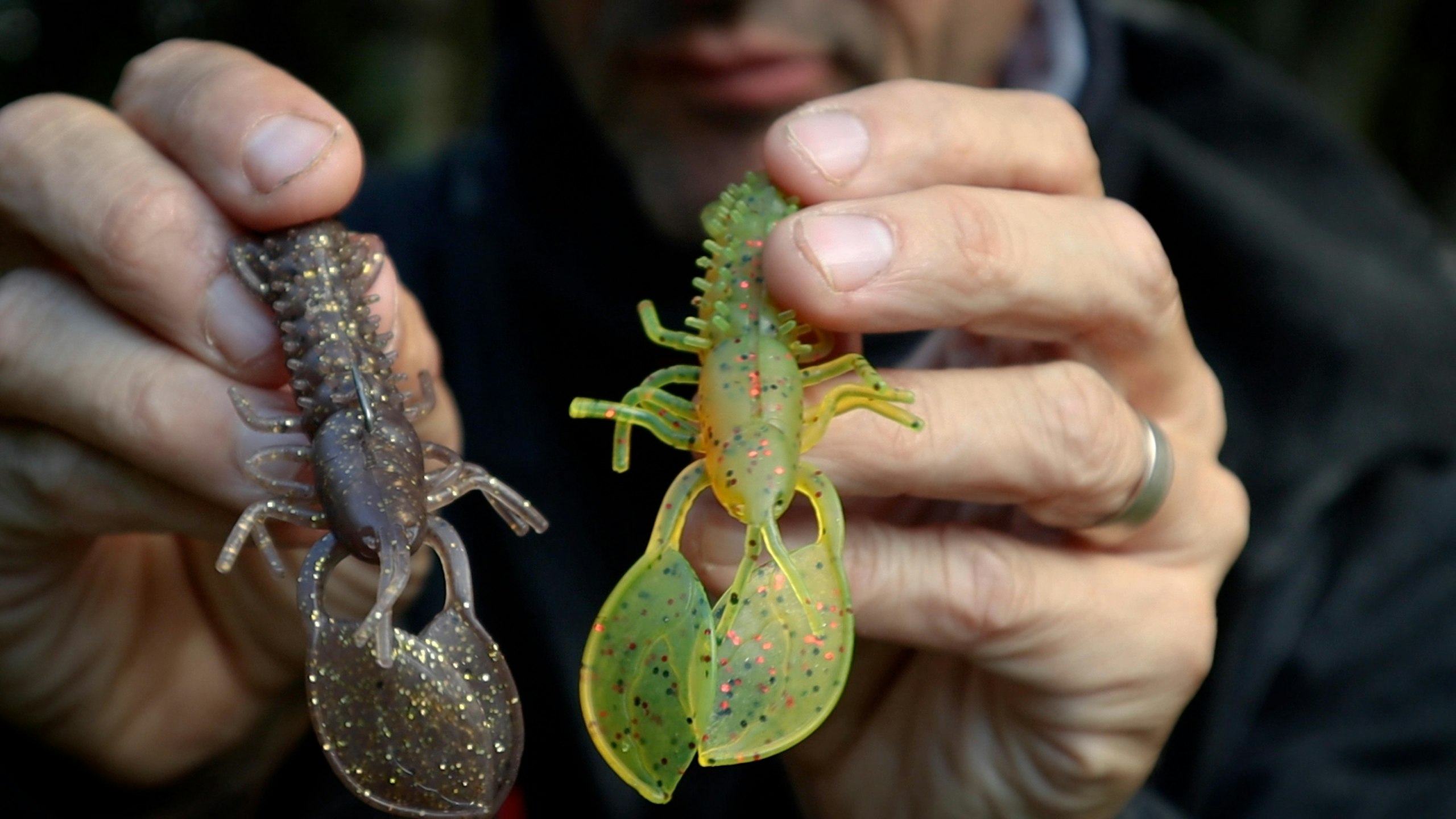
Creature baits are becoming incredibly popular now | Credit: Nick Marsh
Which tail when?
As with most things in fishing, there are no hard and fast rules. But as a basic guideline, if you use more active lures such as paddle tails or curly tails when you need to locate fish, and then scale down to V-tails and pin tails once you’ve found the fish (or suspect they’re present but being finicky) you won’t go far wrong.
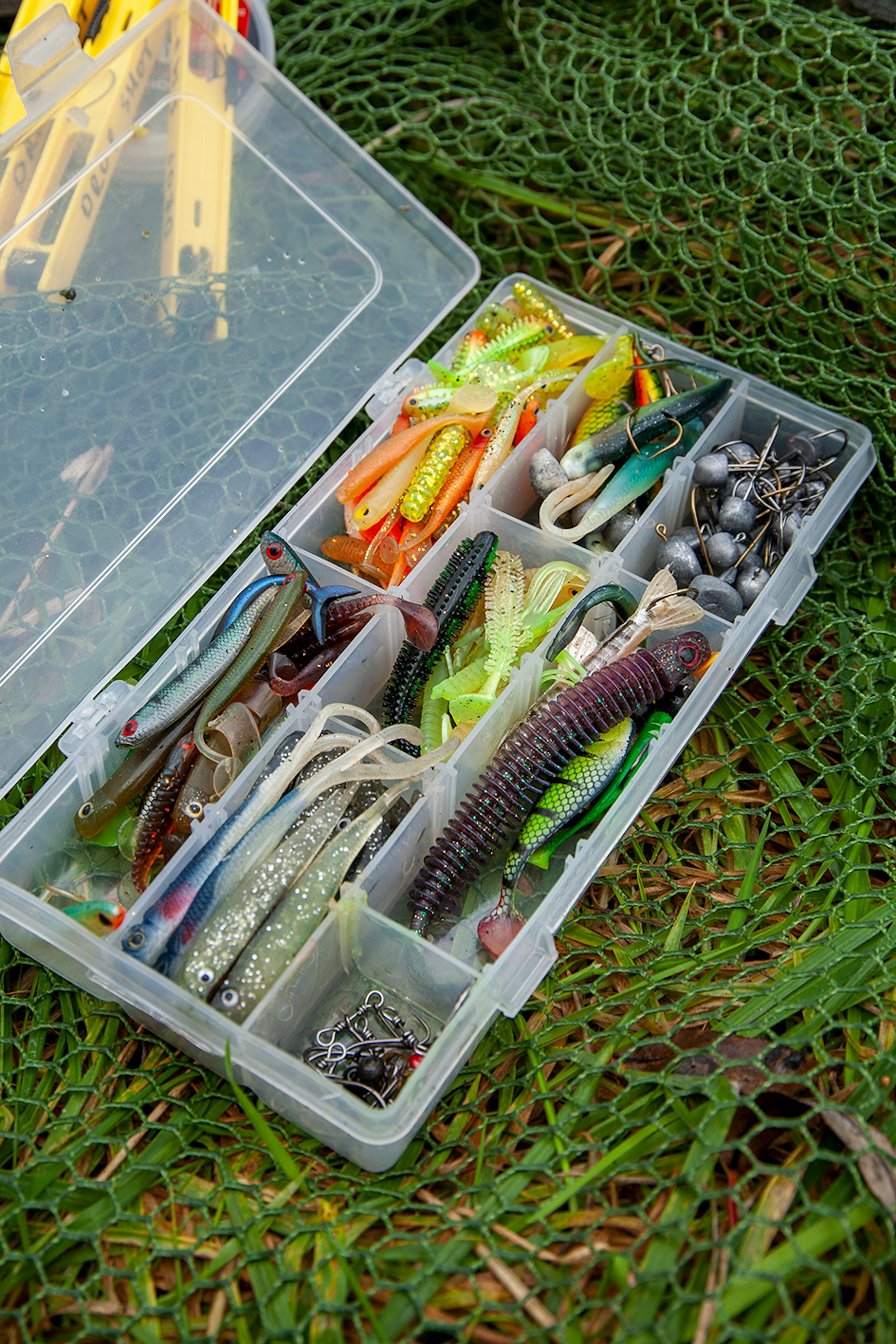
Take a selection of lures so you can adapt on the day!
Just so you know, we may receive a commission or other compensation from the links on this website - read why you should trust us