- Home|
- Advice|
- Tips
How to catch canal carp

by Jonathan Longden |
Updated on6th May 2026 at 10.05am
Follow Angling Times on Google
Carp fishing has never been more popular, but that brings its own problems. The best lakes are busier than ever, swims are harder to get on, and for anyone trying to squeeze a session in after work or around family life, getting near fish can feel like half the battle before you’ve even cast out.
Canals in particular are often overlooked by carp anglers, yet many of them hold good numbers of proper carp that see nothing like the pressure of their stillwater cousins. They are not always easy, and you do have to put the legwork in, but canal carp fishing is usually built around the basics done well.
Watching the water, finding the right areas, preparing a spot and fishing at the right time will all be required. Once you catch your first carp from a long, quiet stretch of canal, the thought of squeezing into the last available swim on a packed lake suddenly becomes a lot less attractive.
USE THE BEST RODS FOR CARP FISHING BY CHECKING OUT OUR BUYER'S GUIDE.
The canal timetable
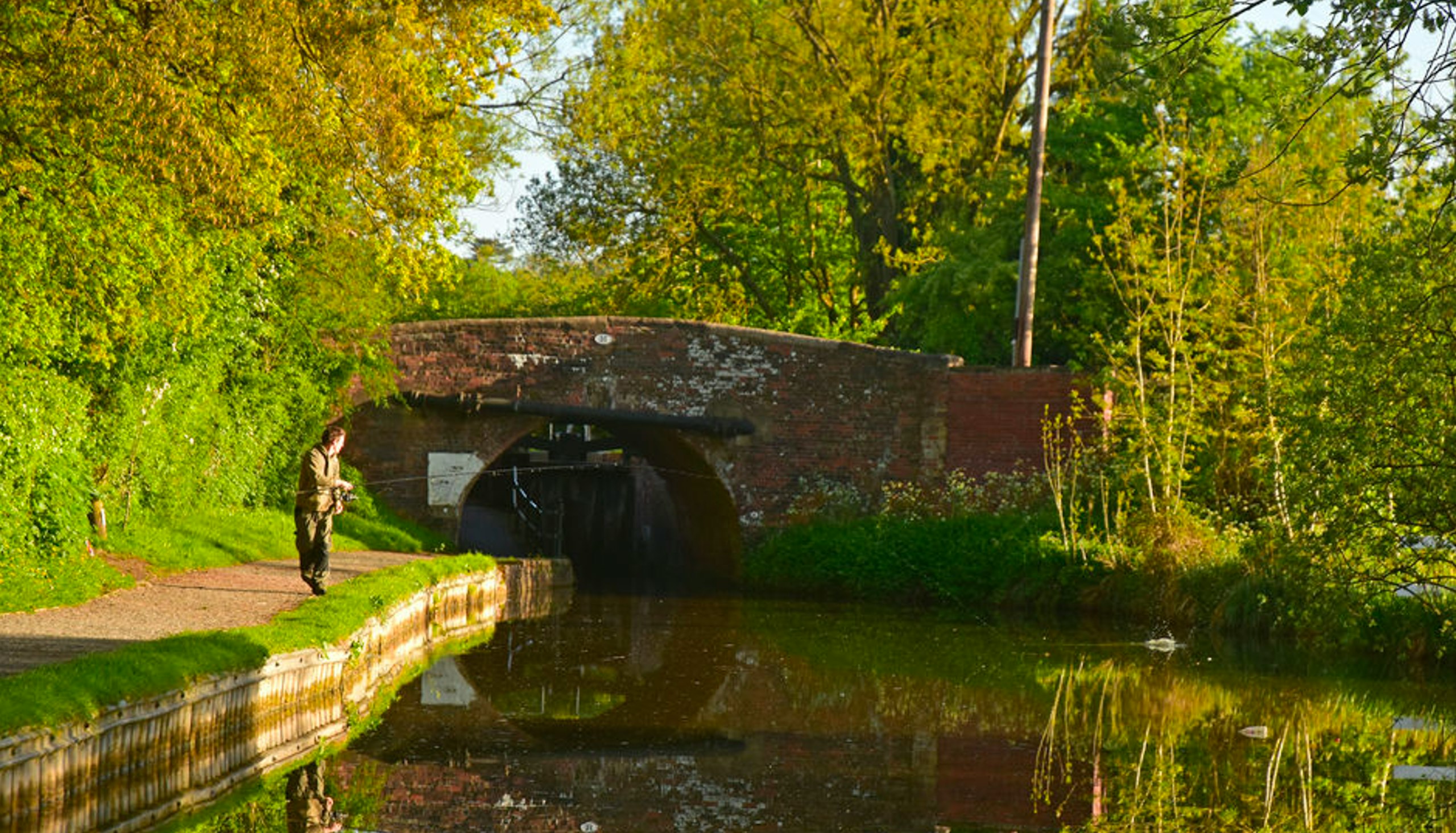
One of the biggest factors that determines canal success is timing. While not typically flooded with anglers, canals can be pretty busy with other water users. Barges run up and down throughout the day, opening and closing lock gates, disturbing the bottom and causing a fair bit of commotion.
Then you have the towpath, where cyclists, runners and dog walkers are passing every few minutes.
Canal carp are used to living with noise, boats and towpath traffic, but that doesn’t mean they will sit there confidently feeding in the middle of it all. Through the busier parts of the day they often tuck themselves away, either under cover, close to boats, along quieter far-bank margins or in stretches that see less disturbance. As the light drops and the canal starts to settle, those same fish can become much easier to find and far more willing to feed.
That is why dawn and dusk are such key times on canals. You can still catch in the middle of the day, especially if you find a quiet stretch or spot fish moving, but as a rule your chances improve when the towpath goes quiet and the boat traffic eases. Timing matters, and on canals it can be every bit as important as bait or rigs.
FANCY A FISHING HOLIDAY? CHECK OUT OUR GUIDE TO THE BEST FOR CARP FISHING.
Get baiting
Most canals are pretty uniform and featureless. A standard canal will have a shelf either side and the deeper boat channel in the centre. There may be far-bank vegetation, snags or cover in the form of boats, but in terms of depth changes, there won’t be many. If you do find somewhere with a significant depth change of a few feet or more, it is worth investigating, as it could be a real hotspot.
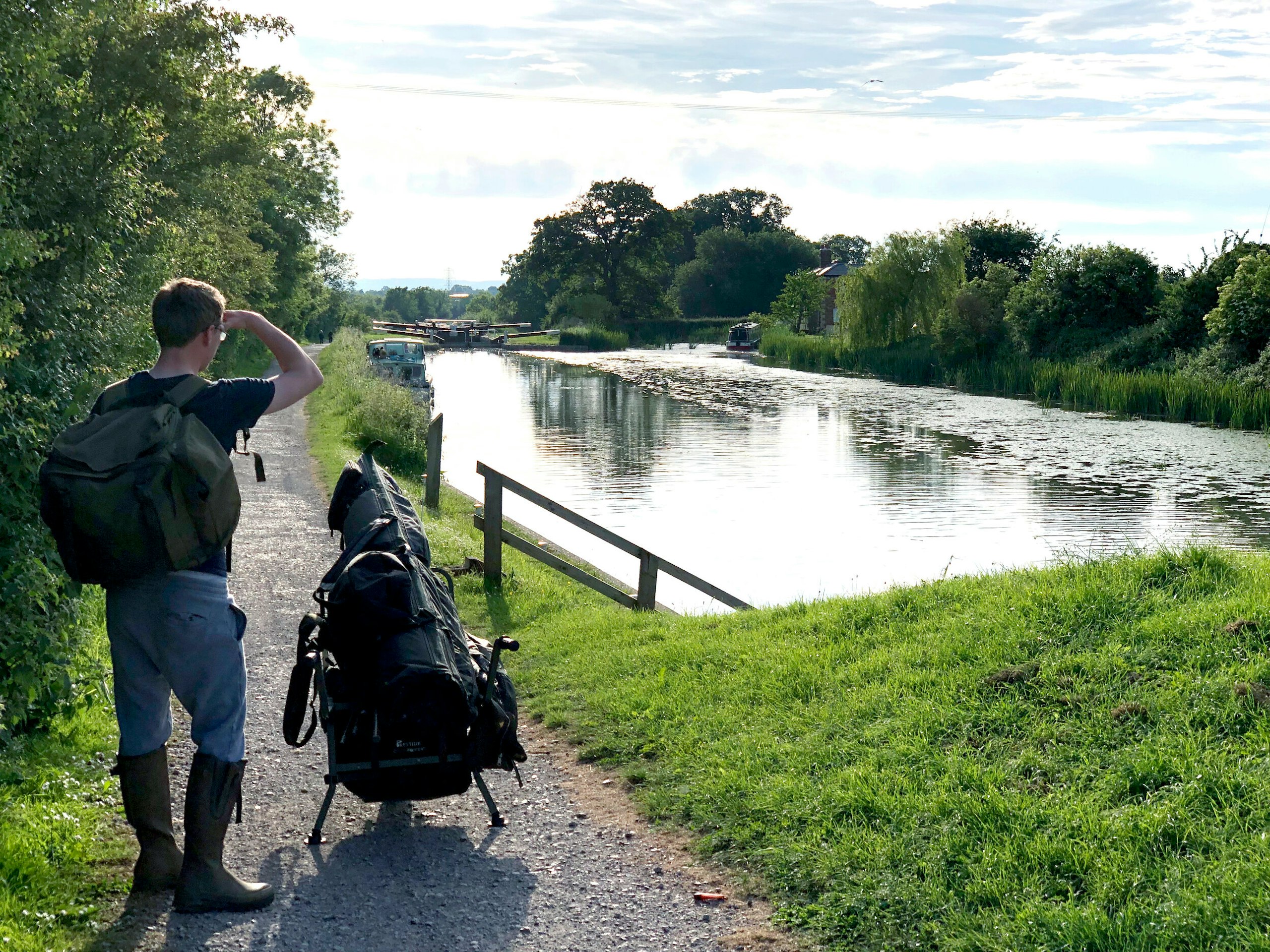
One of the best ways to make nomadic canal carp easier to pin down is through prebaiting. These fish can cover a lot of water, so giving them a reason to keep visiting the same area before you actually fish is a big edge.
Particles, pellets and boilies will all work, but you do need to think about what else lives in the canal. Smaller items can quickly get mopped up by bream, roach, tench and even nuisance fish, so it often pays to include something a bit more selective. Boilies, tigers or larger pellets can help leave enough food in the swim for the carp to find, rather than feeding everything except the fish you are actually trying to catch.
Stalk them out
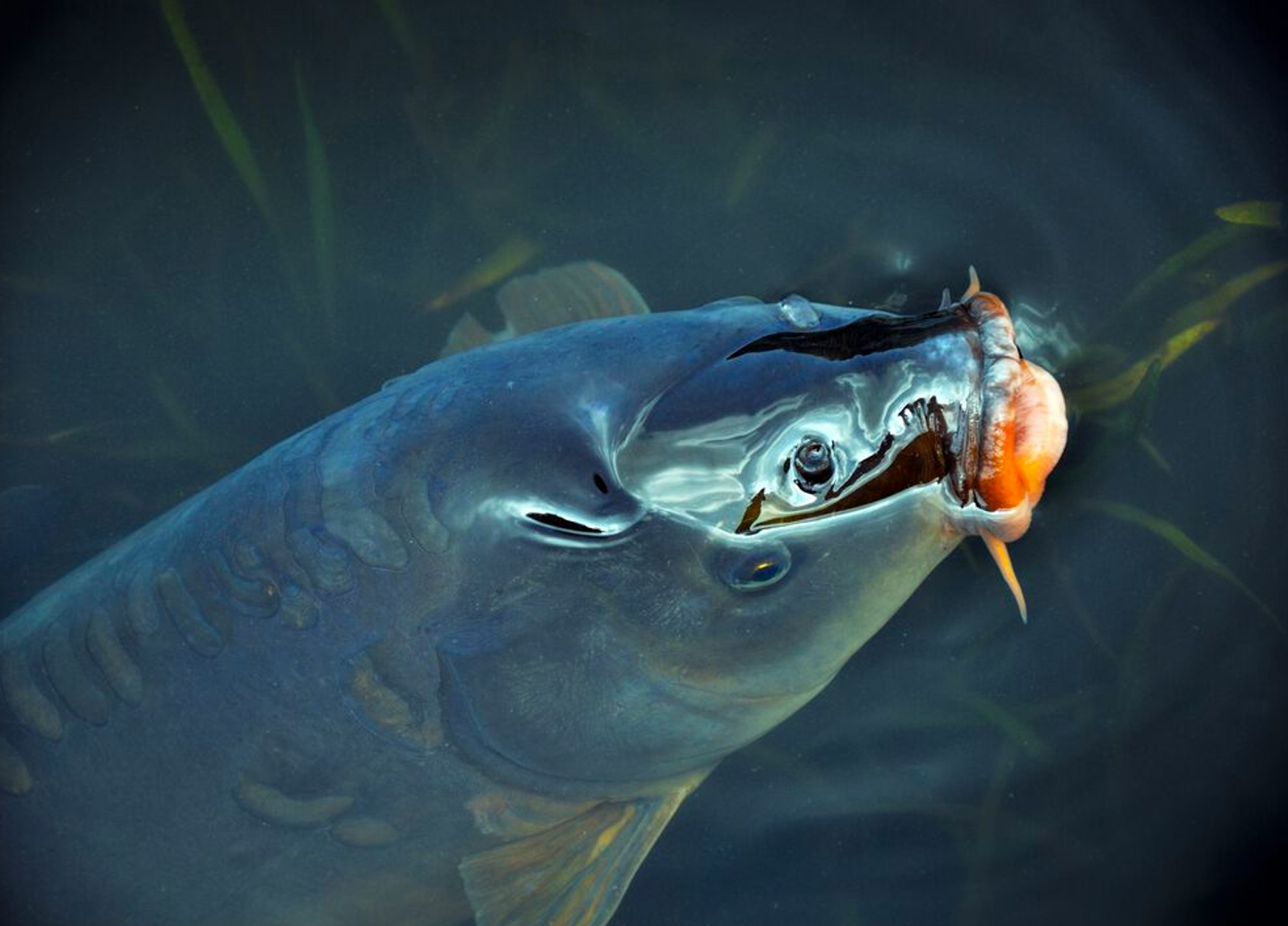
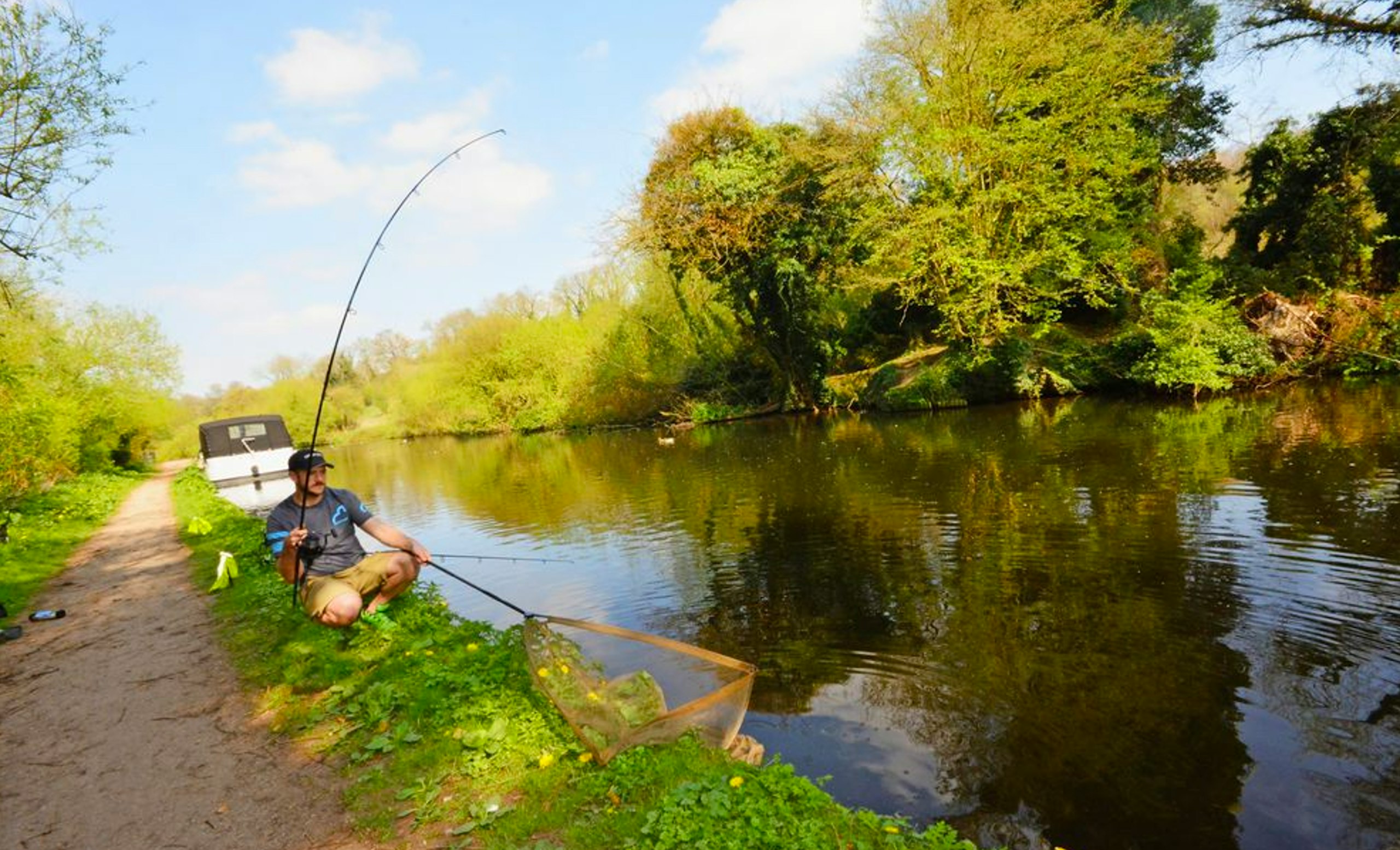
In summer, carp can be stalked on canals with floaters, and there really is no better way to catch them. Travel light with just an unhooking mat, rod, net and a few pieces of end tackle, and you can cover mile after mile of the towpath looking for fish. Most canals aren’t that wide, so you sometimes don’t even need a controller float.
A freelined piece of bread or a dog biscuit flicked across to a carp moving under the far-bank cover can be deadly, and on the right day it won’t be ignored for long. The key is not to pile bait in one spot and hope. Spread a few mixers along a longer stretch, keep walking, and watch carefully for any fish that start taking confidently. Once you find one or two feeding, you can slow everything down, get into position and make that first cast count.
USE THE BEST SURFACE FISHING RODS TO TAKE ONE OFF THE TOP ON A CANAL.
Use backleads
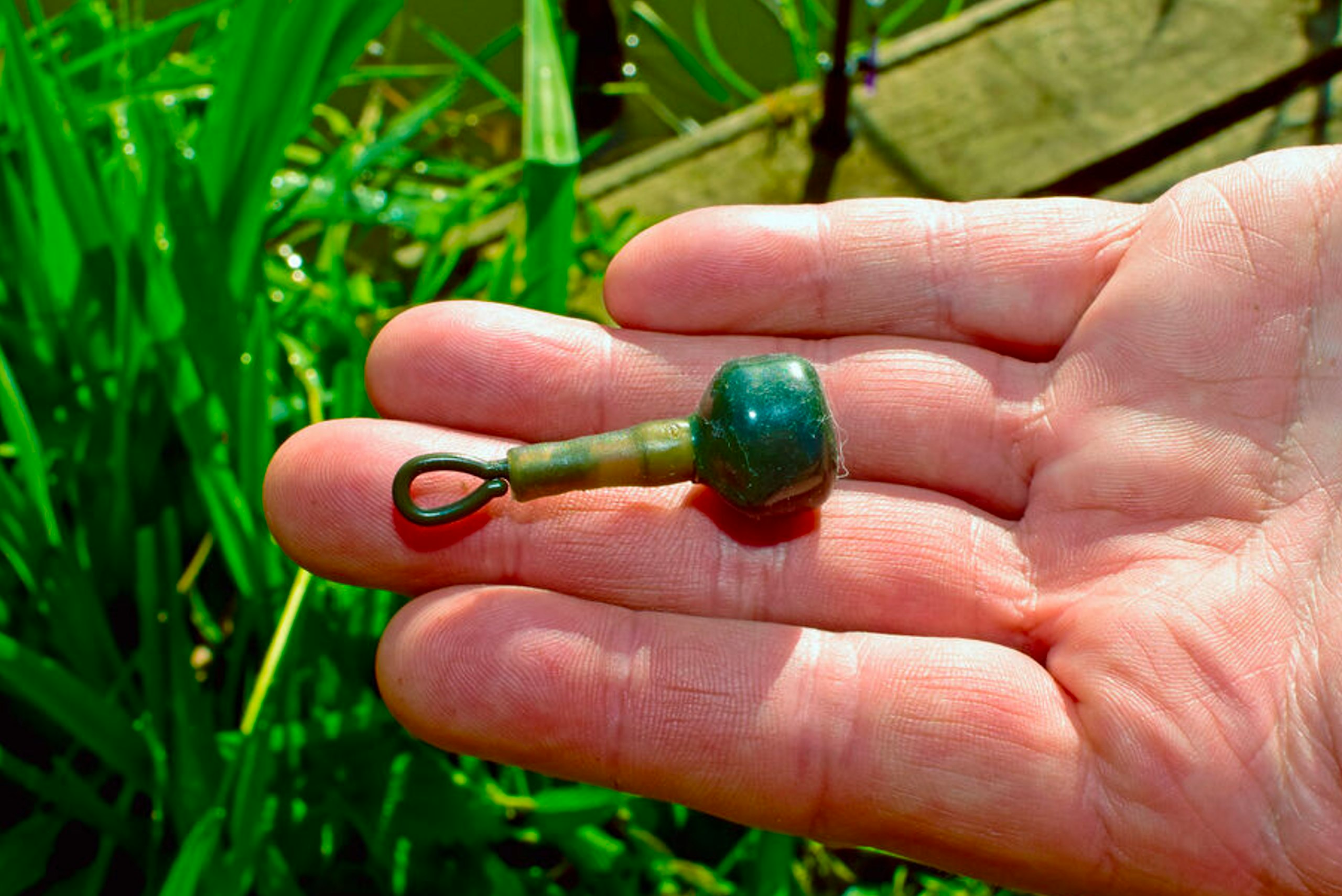
Backleads are a simple but important bit of kit when you’re fishing on canals. With boats moving up and down throughout the day, you need to keep your main line pinned down and out of trouble, rather than sitting high in the water waiting to be picked up by a passing barge. It’s a small detail, but the last thing you want after finding fish and getting a rig in position is to have everything wiped out by boat traffic.
GET SOME MORE GREAT TIPS FOR CARP FISHING IN THIS ARTICLE ABOUT BAIT.
Use a baiting pole
Flicking rigs across to far-bank brambles or trees can be tricky. The task is made far simpler with a baiting pole. The standard-length poles will be enough to reach the far bank on most canals and enable you to discreetly drop your rig and free feed on the money.
CHECK OUT OUR GUIDE TO THE BEST BAITING POLES ON THE MARKET.
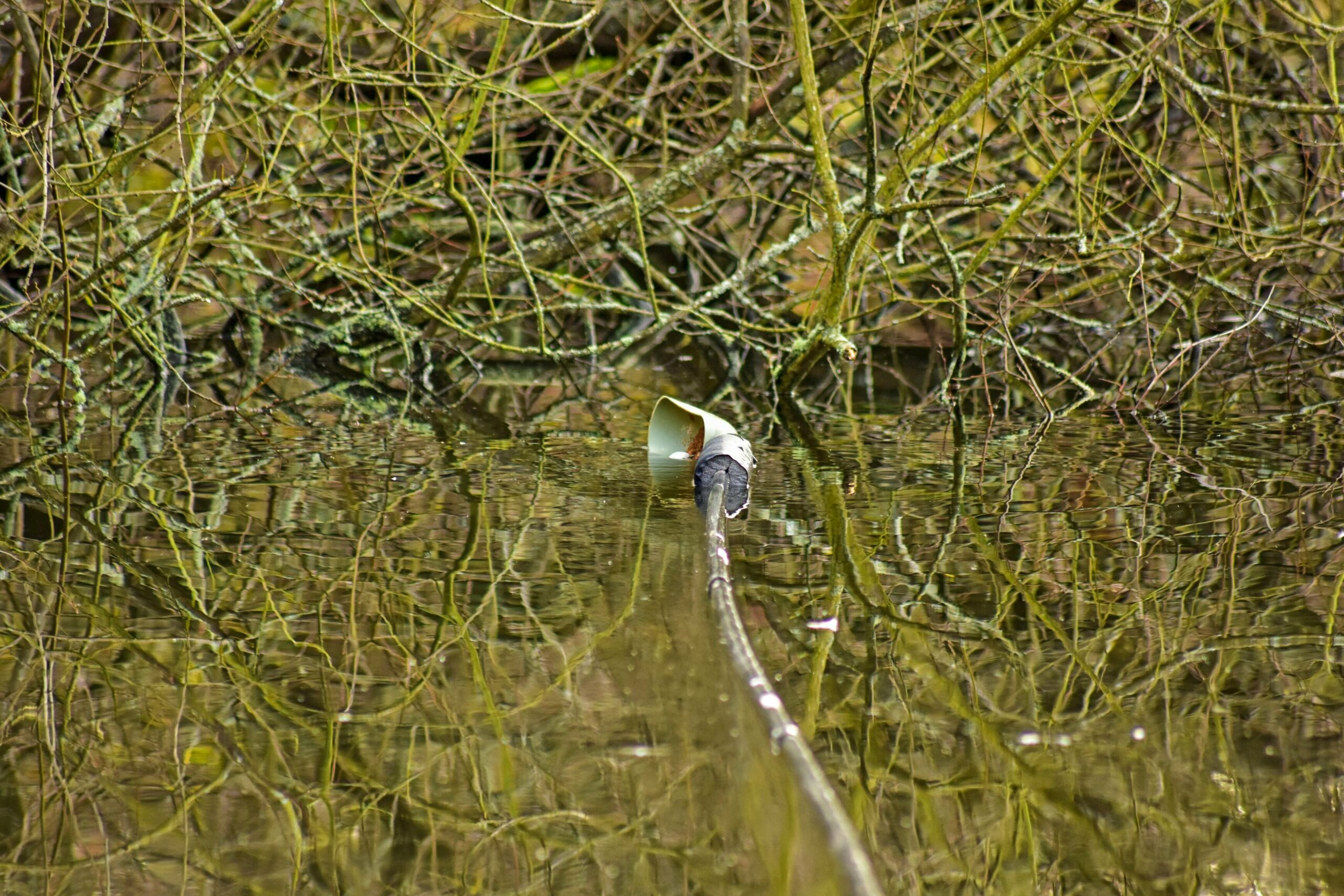
Find cover
Overhanging bushes, brambles and far-bank cover are obvious places to start, but don’t ignore moored boats either. Canal carp like security, and a line of boats can offer shade, cover and a quieter place to sit when the towpath is busy. Most canals are fairly uniform, but the deeper boat channel is always worth investigating, especially after dark when fish are more likely to move out and feed with confidence.
Just so you know, we may receive a commission or other compensation from the links on this website - read why you should trust us