- Home|
- Advice|
- Tips
Why having a plan will catch you more carp
When the days shorten and bites slow, time spent planning can be the difference between getting bites and blanking.

by James Furness |
Published on31st October 2025 at 3.36pm
Follow Angling Times on Google
Are you an angler who arrives at a venue and then spends the first few hours trying to decide what to do? If so, you’re wasting significant bank time without your rods in the water, and you’ll be missing out on potential action.
As we move into winter, ‘bite-time windows’ become ever shorter, so missing them can be the difference between holding a fish up for the camera and driving home with a dry net. What you need is a ‘road map’ for the session.
Nothing set in stone, as fishing is full of variables, but a general outline as to how the trip is likely to progress.
IN OUR BUYERS GUIDE WE HAVE CHOSEN OUR PICK OF THE BEST CARP FISHING RODS.
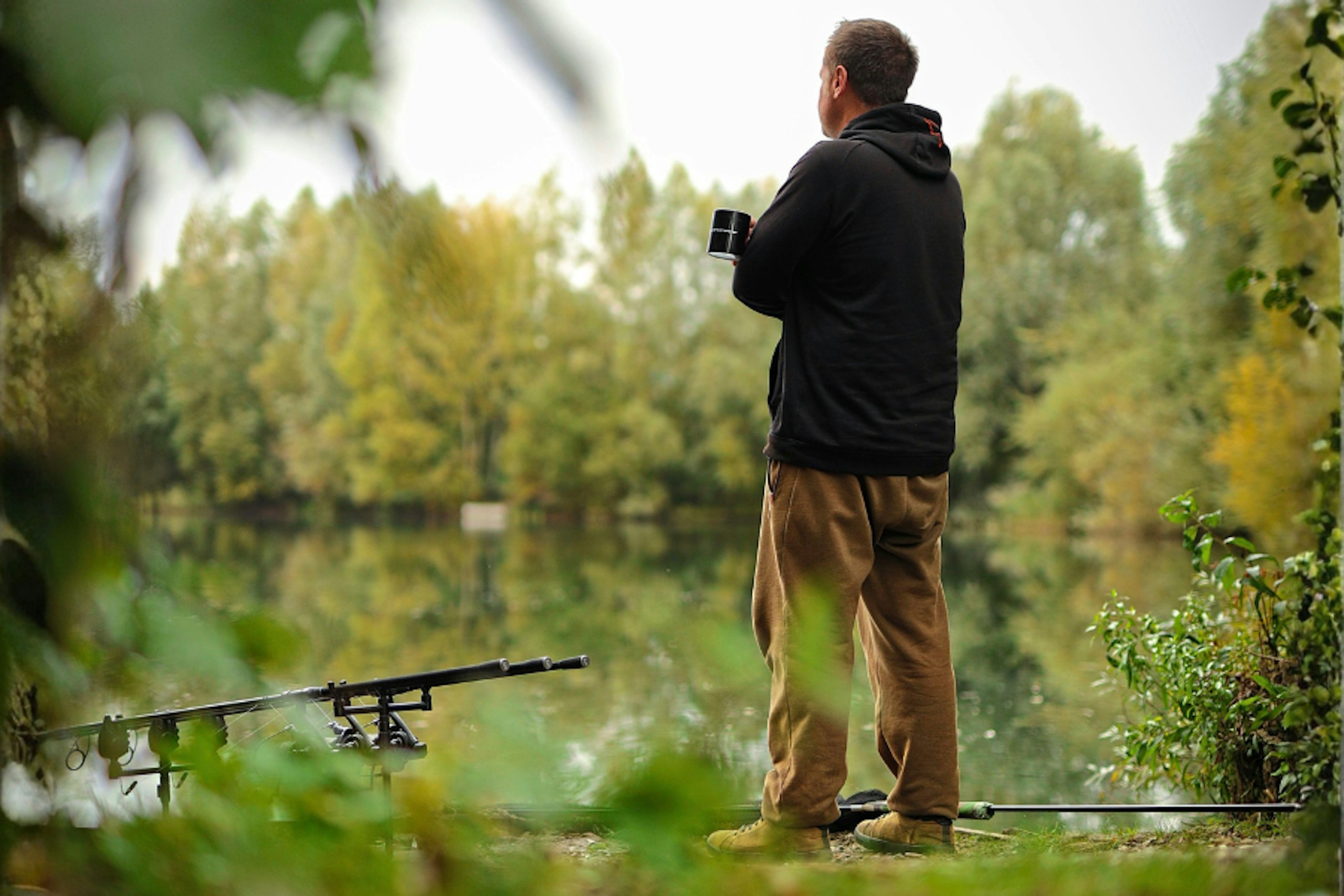
Credit | Tom Gibson
Research is key
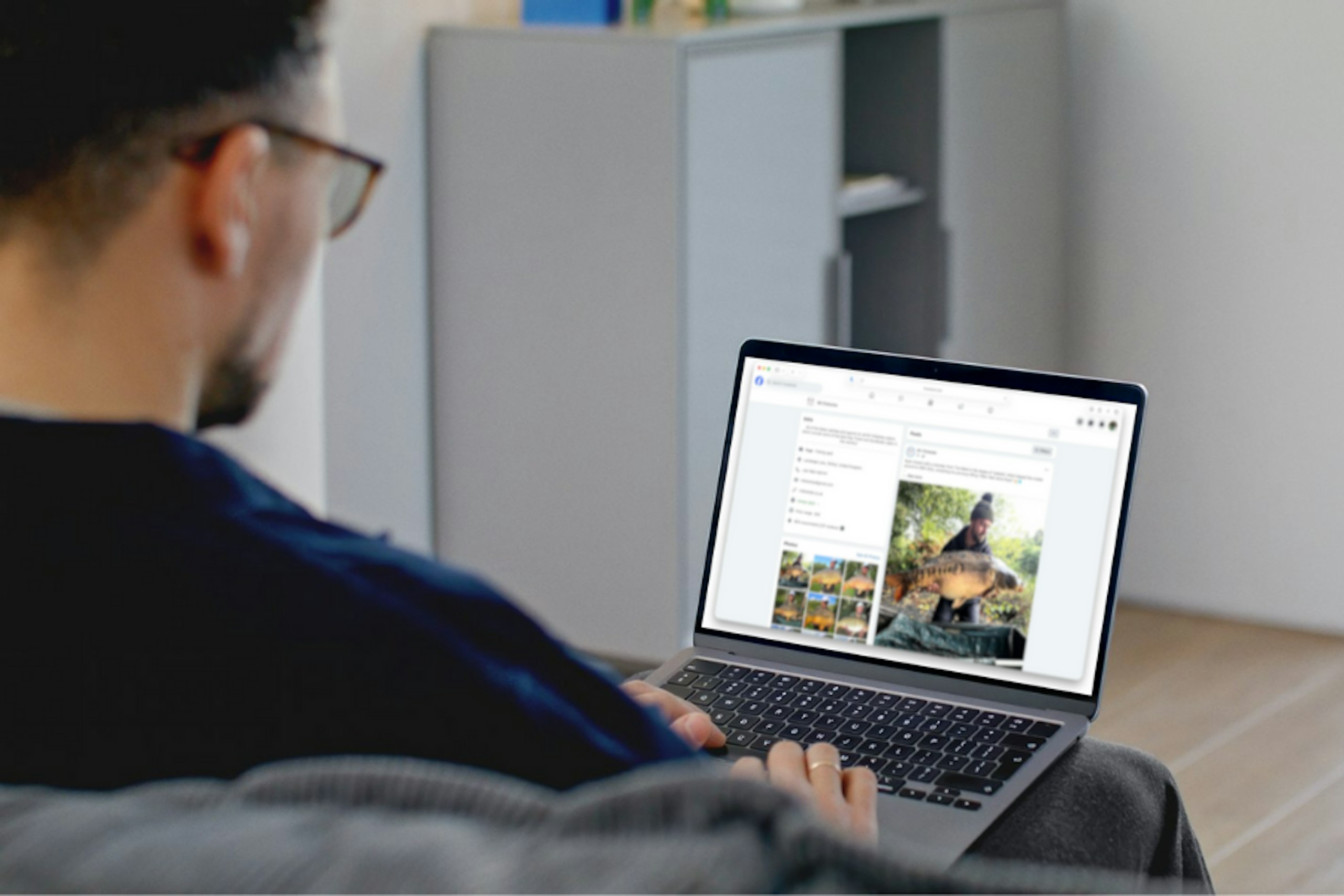
Some of the best preparation for a fishing trip starts at home. In this day and age there’s no need to go to a new water and fish it totally ‘blind’. Just keeping up with the fishery on Facebook, or taking note of recent catch reports in online articles and apps like Catch, will help you to determine how you might attack the venue.
Some anglers may even let you know what they caught on, and you should be able to gauge what time of day and from what area of the lake a fish was landed, along with a host of other details. This doesn’t mean you need to copy their approach exactly, but it’s a headstart in unlocking the larger puzzle.
On a multi-lake complex, this can be as simple as knowing which water is fishing best, so you know where to head to on arrival.
Weather apps are incredibly useful in this respect. Look for patterns or favourable conditions. If you have flexibility as to when you can go fishing, just keeping an eye on the forecast and making sure you fish around low pressures or new southerly or westerly winds will lead to an increase in your catch rate.
Even if you aren’t flexible, as long as you’ve watched the weather for the week before your trip you’ll know if you’re fishing on a new wind, which you should probably follow, or a stale one, from which the fish may now have backed off.
MOBILE APPS CAN HELP YOU FORMULATE A PLAN. HERE ARE 10 OF THE BEST FISHING APPS.
Fail to prepare, prepare to fail
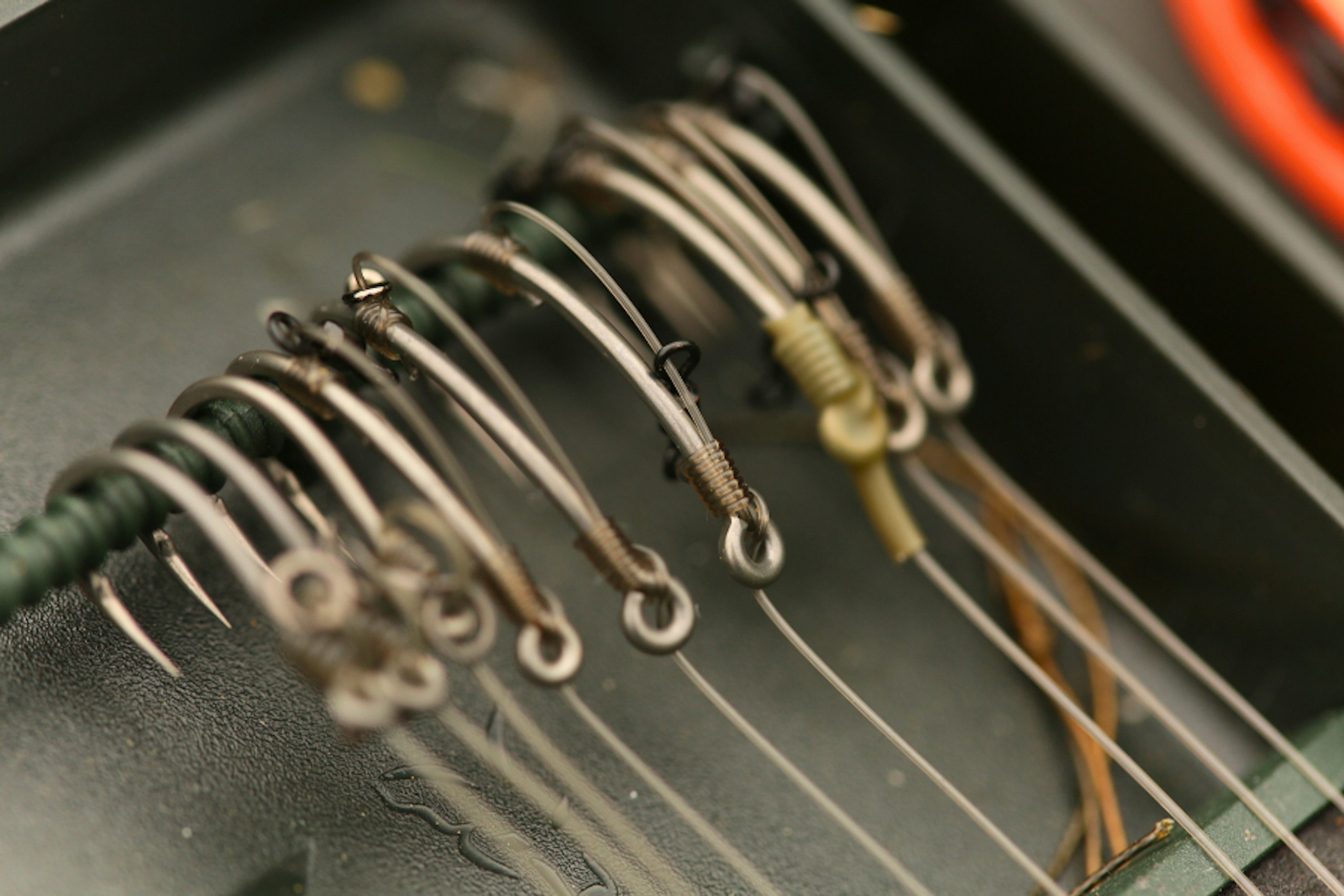
Tying rigs and preparing bait on the bank is another substantial waste of time. If you know what the ‘going’ baits in general are from your research, there’s no reason why you can’t have these prepared and ready to go before the session.
If you know your baiting strategy, you will have a good idea what rigs will be best on the day, with only slight adjustments needed on the bank for any varying bottom substrates you discover.
For straight-out boilie fishing you can’t go wrong with a chod, hinge or Ronnie rig on a helicopter set-up.
For particle fishing, a Ronnie is again a great choice, as is a D-rig or German rig on a lead clip. All these rigs can be tied at home and stored in your rig box. Better still, have a couple on your rods, with baits attached, if you really want to hit the ground running.
If you don’t think you’ll be introducing much bait, and want to feel your way into a trip, then using a solid PVA bag is a bombproof approach.
Have a separate bucket ready with your bag mix, and a load of pre-tied bags with rigs inside them on short leaders, so you just need to loop them on to your line and cast out when you get there. All these little jobs will end up taking far longer than you might imagine on the bank, so it’s much better to make the effort the evening before your session.
CARP FISHING ON A BUDGET? CHECK OUT OUR PICK OF THE BEST CARP RODS UNDER £100.
Pinpoint locations
When time is limited, walking round a lake endlessly in hope of seeing a fish show at a time of year when they actually show very little can be futile. But that doesn’t mean that location isn’t everything – it really is!
Going back to our first point, research prior to the trip should have pointed you in the right direction on where to start looking. This could be a tip-off from a catch report, or a hunch based on wind direction, and any likely changes in it over the duration of your trip.
Many lakes even have online maps these days, so you can study where underwater fish-holding features may be. Forearming yourself with this sort of knowledge can be worth hundreds of hours of bank time.
On lakes with varying depths, a general rule is that the deeper water is more productive in the colder months. That said, being aware of the weather conditions means you might want to target the shallows on those rare mild autumn days when these areas of the lake become comfortable for carp to move into.
All the above sounds simple, but it’s amazing how many of us don’t prepare properly, leaving us floundering in the bivvy and wasting valuable time. So, do your homework and maximise your rod hours on the bank.
BEING PREPARED AND ORGANISED STARTS WITH THE BEST CARP FISHING LUGGAGE.
Boost baits
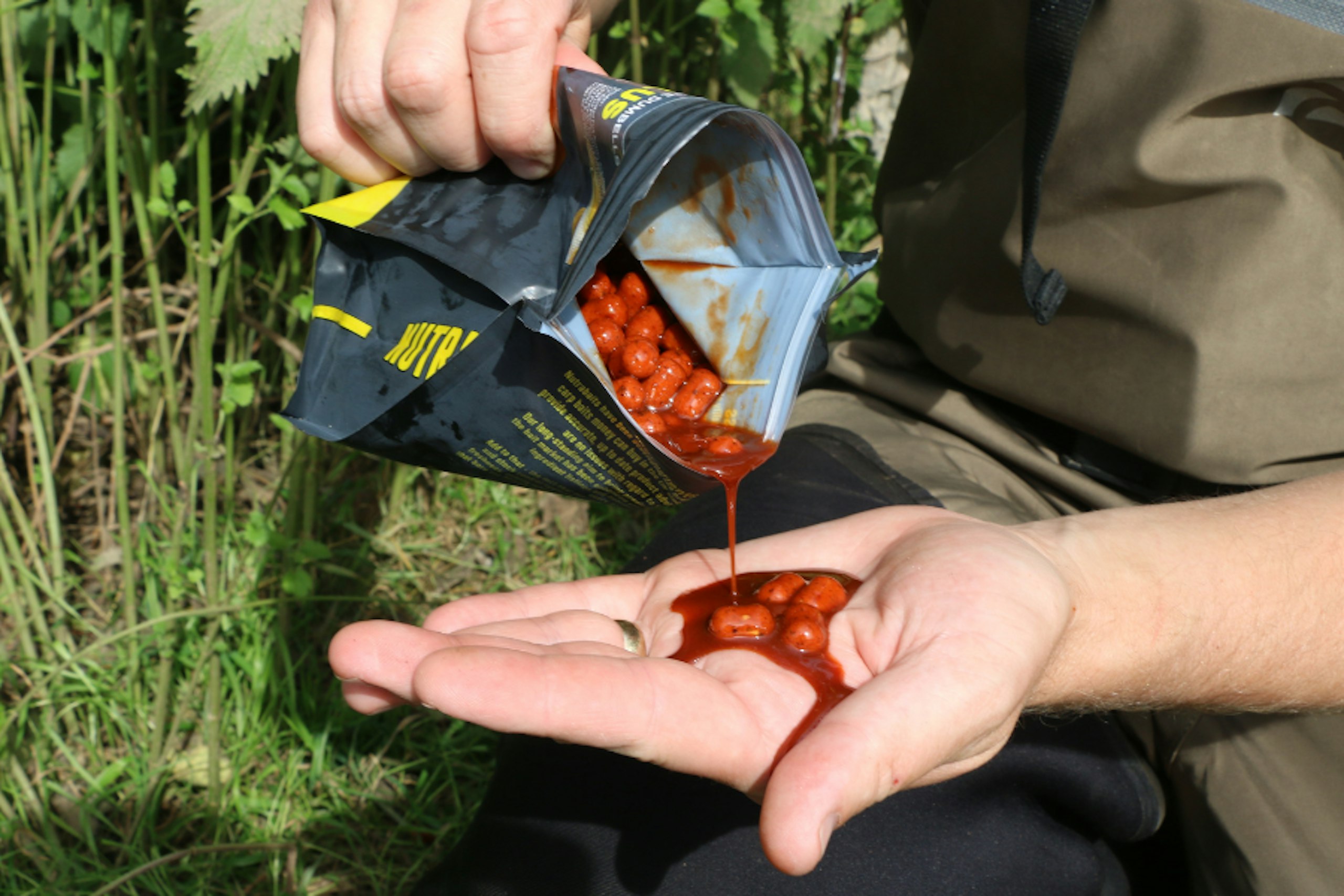
Shelf-life baits are great, but you can pump up their attraction before your trip. Soaking them in liquid attractors for several weeks softens them, making them more readily and easily digestible. Or you can soak your baits in water for a few days prior to the trip to ‘wash’ them out.
This can be a big edge on pressured waters, making the baits more visually appealing and even softer.
INTRODUCE YOUR BAIT WITH THE BEST SPOD RODS.
Just so you know, we may receive a commission or other compensation from the links on this website - read why you should trust us