- Home|
- Advice|
- Tips
The do’s and don’ts of zig fishing for carp

by James Furness |
Published on19th February 2026 at 12.18pm
Follow Angling Times on Google
Few tactics divide opinion among carp anglers quite as much as zig rigs do. To some, it’s an effective way of targeting carp which aren’t interested in feeding on the deck. To others, it’s a frustrating exercise in tangles and unexplained bleeps. The truth, as ever, lies somewhere in the middle.
There is no doubting how effective zigs can be, and they play a key role in many top anglers’ approaches. But they work best when they’re fished with purpose, accuracy and a clear understanding of what’s actually happening in the water column. Used in the right place and at the right time, they can bring bites when almost every other tactic fails. Get them wrong, however, and you might as well not be fishing at all.
Here are the key do’s and don’ts that will hopefully help turn zig fishing from a neglected afterthought to a genuine weapon in your carp-catching armoury.
HEAD TO ONE OF THESE VENUES FOR A GREAT CHANCE OF CATCHING CARP ON ZIGS...
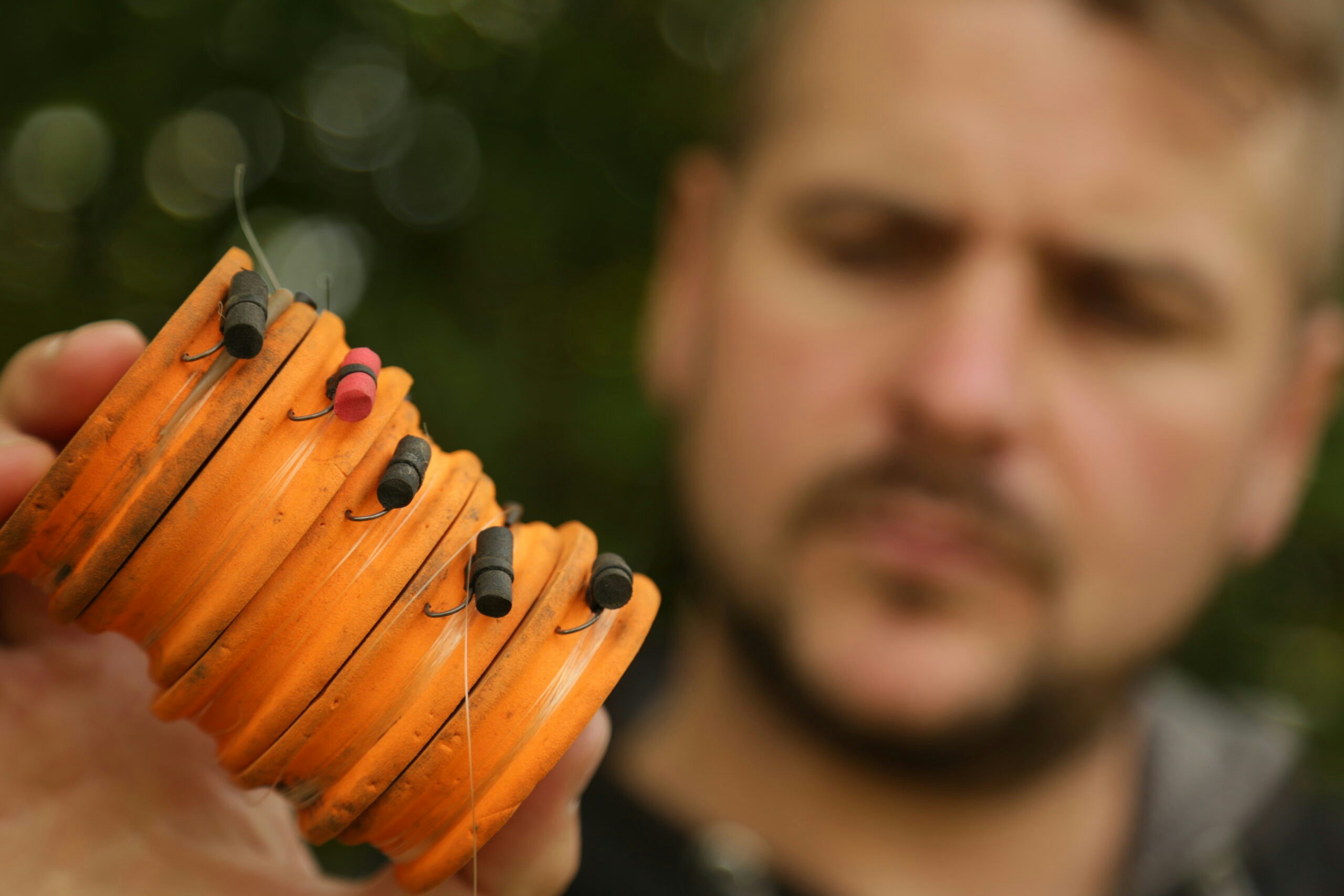
DO: fish zigs with purpose, not our of desperation
One of the biggest mistakes anglers make is turning to zigs only after hours of inactivity on the bottom. They’re almost used as a reason to justify blanking – if you’ve tried zigs there’s nothing else you could have done.
But they shouldn’t be treated as a last resort. At this time of year, carp spend most of their time in the warmest, most comfortable layer of the water column, which means the time they spend near the bottom will be minimal. Warm water, high pressure, bright conditions, light winds and visible signs of carp cruising or showing mid-water are also classic zig indicators.
If carp are clearly not feeding on the deck, persistently recasting rigs to fish on the bottom is rarely the answer. That’s when a zig should already be in play.
FIND CARP ON ANY LAKE WITH THESE GREAT TIPS...
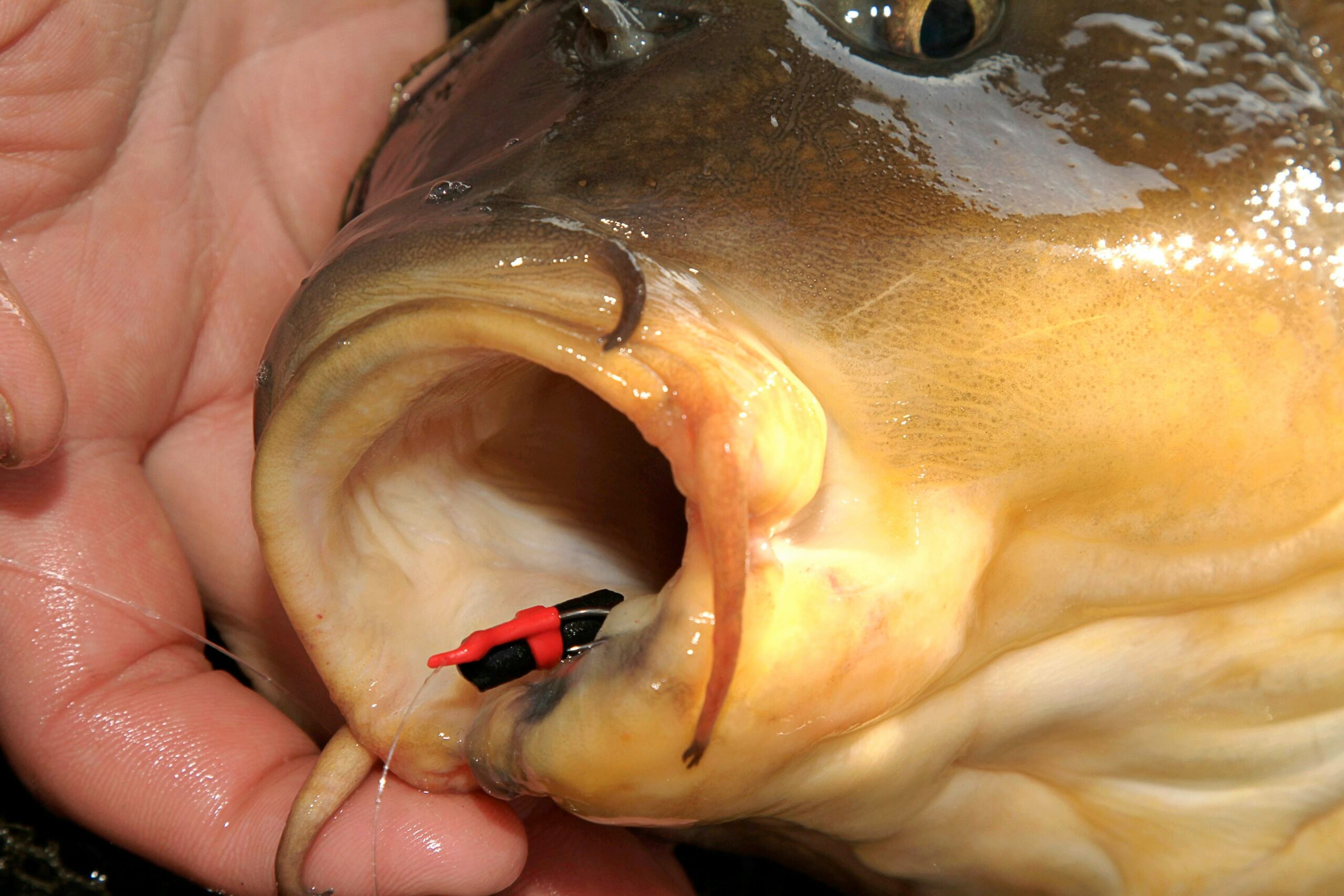
When used right, zigs are devastating!
Don't: Guess the depth and hope for the best
The depth at which you fish your hookbait is the single most important element of successful zig fishing.
Fishing at half-depth at this time of year is a solid starting point, but good zig anglers will regularly adjust the depth until they start getting indications. Carp can spend hours at specific layers in the water, sometimes moving just a foot or two up or down depending on temperature, light levels or oxygen content.
If fishing with two or more rods, start with each set at a slightly different depth, and change one rod every 30 minutes. Once you get a bite, you can replicate that depth on the other rods.
Leaving a ‘pub-chucked’ zig at the wrong depth for hours is one of the fastest ways to convince yourself that they’re a waste of time.
ZIGS ARE JUST AS EFFECTIVE AT NIGHT, FIND OUT WHY HERE...

Do: Keep things simple
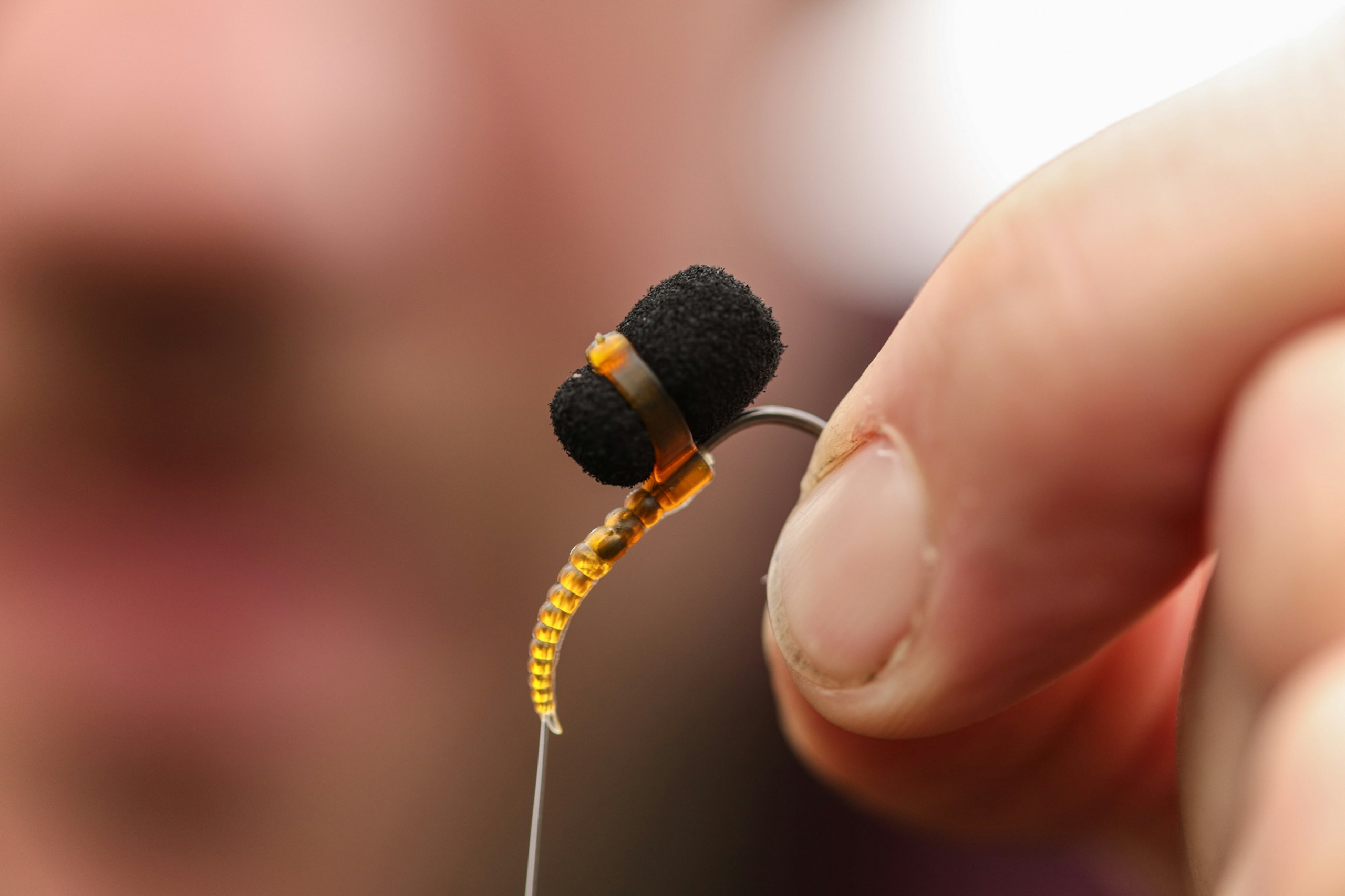
Zigs are more prone to tangling than standard rigs. Long, low-diameter hooklinks and small, light and buoyant hookbaits have more scope for things to go wrong on the cast.
Whether you’re using a fixed zig or an adjustable system, focus on keeping everything as streamlined as possible. A long anti-tangle sleeve is always a good addition to the hooklink, and you should always keep an eye on the rig during the cast to make sure everything lands cleanly. If you have any doubts, redo it.
Don't: Overthink your hookbait
There’s a temptation to treat zig hookbaits like some kind of alchemy experiment, with multiple colours, shapes, dips, sprays and foams rotated every hour. In reality, carp often respond best to simple, high-contrast options.
Black, yellow, white and red still account for the vast majority of zig bites. The aim is to place the hookbait directly in front of a carp, and nine times out of 10 it will simply take it out of curiosity.
IF YOU ARE FISHING LONG SESSINONS, YOU'LL NEED ONE OF THE BEST FISHING BIVVIES.
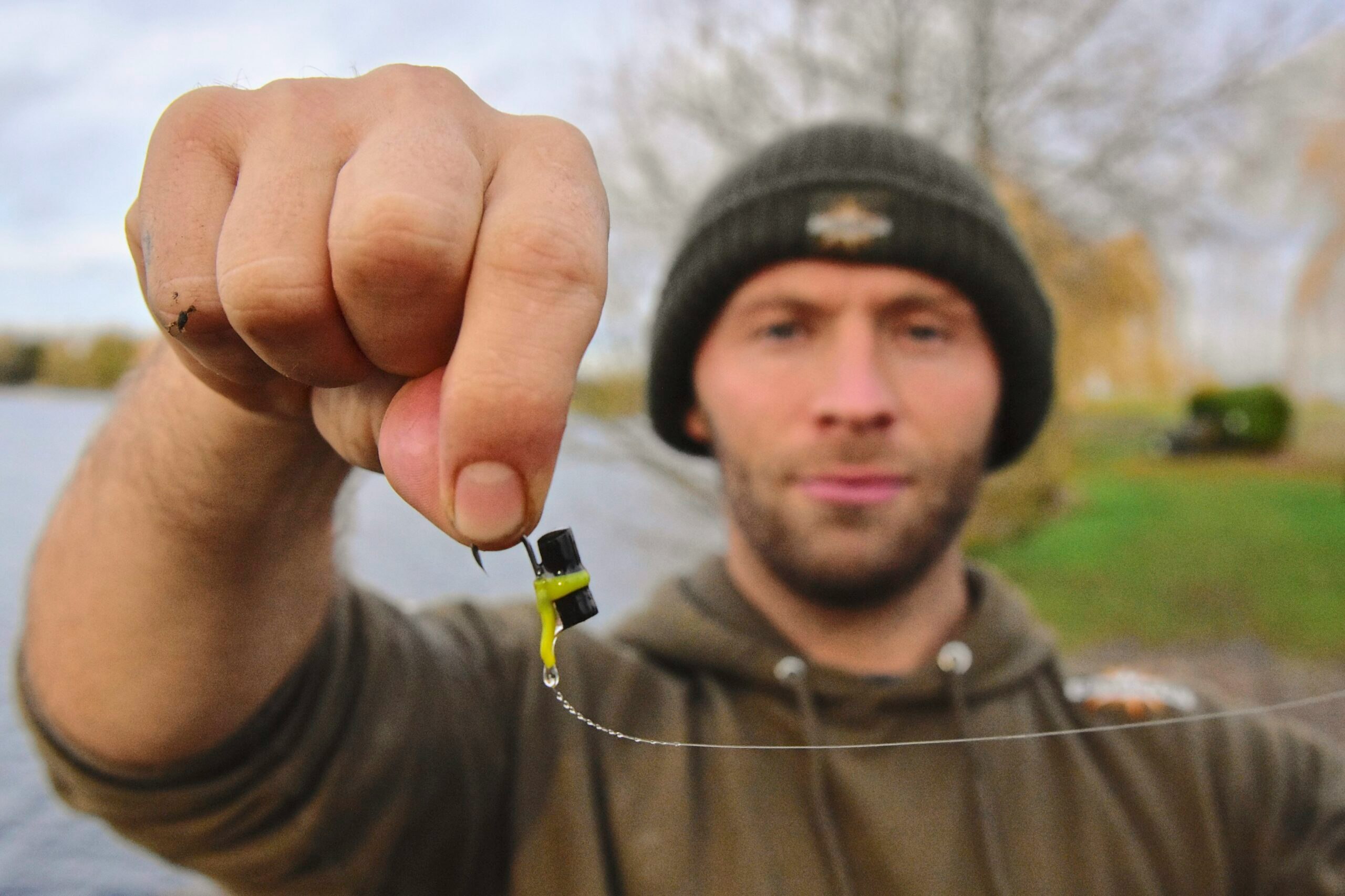
The zig may look simple but it catches a lot of carp
Do: Think about line lay and disturbance
Long hooklinks mean long lines cutting through the water column. Carp feeding or cruising mid-water are often more wary of brushing against line than when feeding on the bottom, particularly on pressured venues. Repeatedly recasting zigs on to showing fish can push them away faster than anything else.
If you’re getting liners but no takes, the chances are that the fish are sitting below the depth at which the hookbait is set, so consider reducing the length of your hooklink.
Don't: Assume zigs are only for winter
While zigs are most closely associated with warm-weather fishing, they can be devastating in spring and autumn too. And they are particularly effective at picking off fish in winter under the right conditions.
Any time carp are spending prolonged periods off the bottom, zigs should be considered. Cold but stable weather, clear water and light winds can all have carp sitting higher in the water column than you’d expect.
Do: Use zigs as a search tool
One of the most underappreciated uses of zig rigs is as a carp location method. A single zig, fished at the right depth, can tell you more in an hour than a full spread of boilies on the bottom can all day.
Even when you’re planning to fish on the deck long-term, starting a session with a zig can quickly confirm whether carp are present in your chosen area, and at what depth they’re comfortable feeding. Once you’ve built that picture, you can adapt the rest of your approach accordingly.
Zig rigs are brutally effective when used correctly. Get to grips with them and you’ll soon wonder how you ever managed without them.
THE BEST CARP REELS ARE ESSENTIAL FOR SMOOTH CASTING TO PREVENT TANGLES!
Just so you know, we may receive a commission or other compensation from the links on this website - read why you should trust us