- Home|
- Advice|
- Tips
Three Rods, One Spot: How to Fish Multiple Carp Rods Accurately
Fishing multiple rods over one baited area is a devastating day-ticket tactic – but only if everything lands exactly where it should. Here’s how to find, bait and fish a spot properly
@Angling Times
by angling-times |
Published on7th October 2026 at 3.00pm
Follow Angling Times on Google
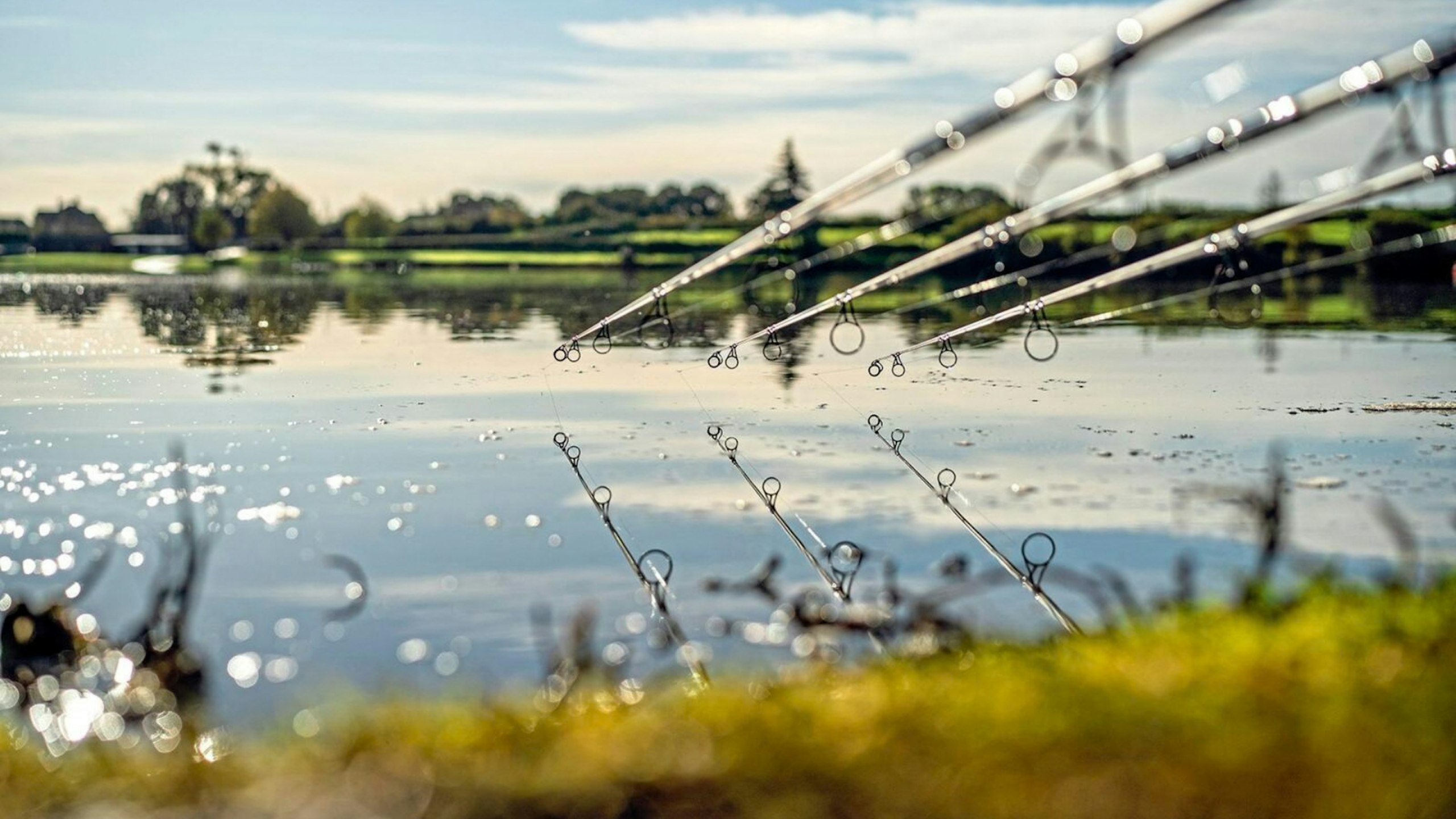
Casting three rods to roughly the same area and fishing three rods accurately on one spot are two very different things.
When done properly, concentrating your rods on a single baited area can be incredibly effective, as you create one main spot where carp can compete for food.
It’s particularly useful on busy day-ticket lakes where fish regularly respond to established beds of bait, and on well-stocked venues it can often lead to big hits of fish.
A marker float provides a visual target when baiting up. © Angling Times
Find your area
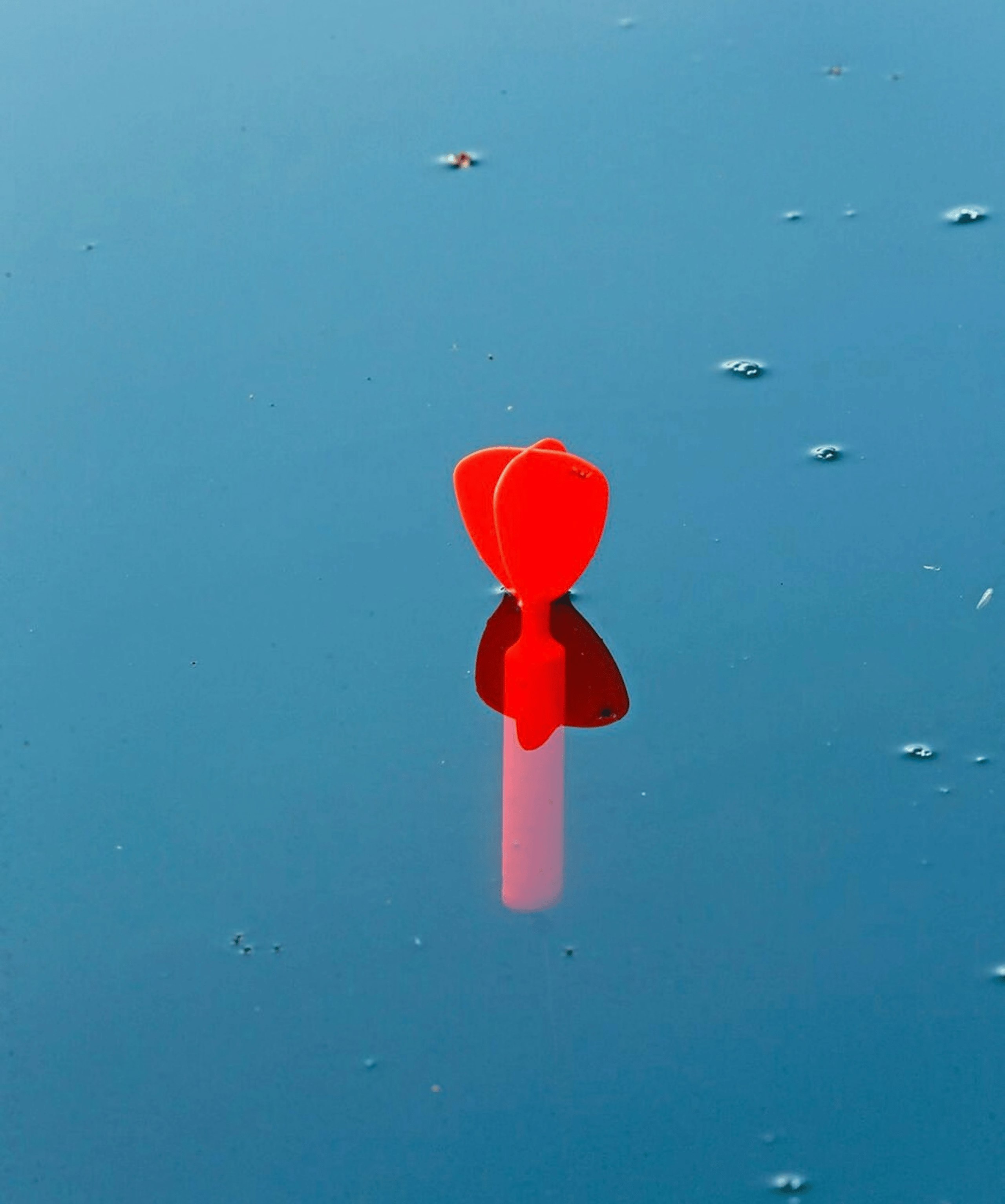
The first thing you need to do is find a spot worth fishing. This can be done with either a marker float or just a bare lead on a braided mainline.
Cast around, feel the lead down and then pay attention to how it feels when you drag it across the bottom. You’re looking for a clean gravel patch, firm clay, harder silt, or simply a relatively clear area amid weed.
Finding a clean spot doesn't automatically mean it’s large enough to accommodate three rigs. Cast around the spot – slightly left, right, shorter and longer – to map the spot more precisely and work out how big it is.
If the spot is only a couple of metres across, squeezing three rigs on to it could create more problems in terms of lines tangling.
Fishing just two rods over an area this size would most likely be more effective.
If you’ve found a larger area, however, you can then think about where each hookbait will be positioned.
Effective placement
Imagine looking down on your spot from above. With three rods, a simple triangular arrangement is often ideal.
One rig can be cast towards the front or back of the spot, with the other two positioned slightly shorter/longer and on either side.
Alternatively, you could fish all three rods in a line – one in the centre of the spot and one at either side. This provides a bit of separation while keeping all three rigs in the zone where the carp are feeding.
Once you’ve found your spot, being consistently accurate is the biggest factor when it comes to fishing it effectively.
Clip your rods at the required distance and use far-bank markers to aim at. Choose precise markers, rather than something more vague. The left edge of a particular tree is far more useful than simply aiming at ‘the big bush’.
It’s also essential that you stand in the exact same position when casting to achieve pinpoint accuracy.
Distance sticks are invaluable here, as you can measure how many ‘wraps’ are required to reach the spot. Keep a note of how many wraps you’re fishing at on your phone, especially if you fish the venue regularly. It will save time on future sessions.
A Spomb is the best tool for accurate baiting. © Angling Times
Tight baiting
There's little point placing three rigs accurately in a concentrated spot and then spreading your feed across a wide area.
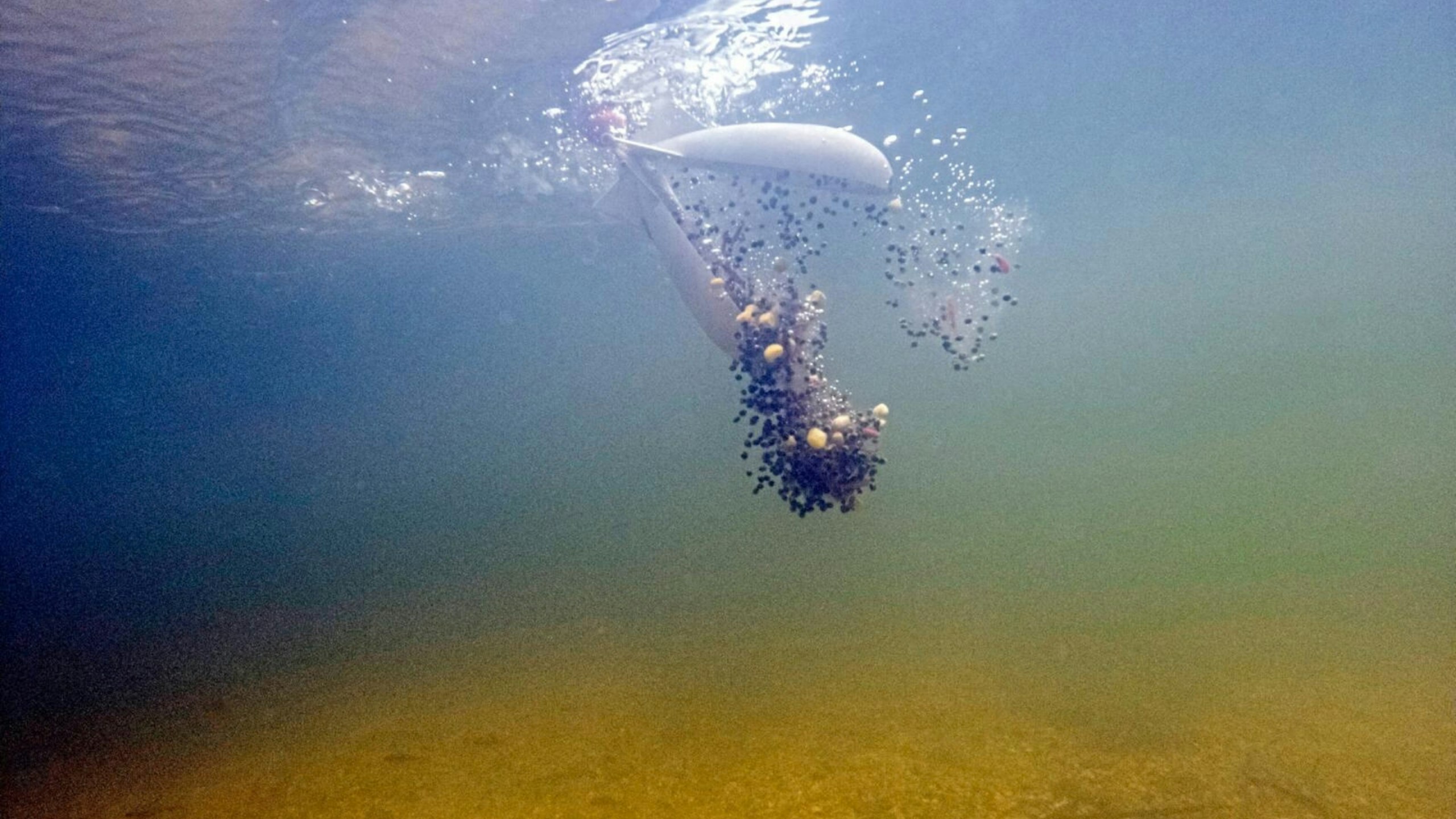
A Spomb is the easiest way to create a tight bed of bait, as this can be clipped up at the same number of wraps as your rods so you know everything is landing in the same place.
If you’re using a marker float, this provides a visual target to aim at if you’re using a catapult or throwing stick.
Again, think about the size of the spot and imagine it from above. Not every Spomb needs to land slap-bang in the middle. If, for example, you were starting the session with 20 Spombs full of bait, look to put most of these around the centre, but make several casts to either side of the spot as well to create a light scattering of bait.
It’s worth considering the depth of water you are fishing in, too. The deeper it is, the more the bait will spread out naturally as it falls through the water.
Keep your lines organised
Three rods on one area can quickly become messy unless you think about line placement. On the cast, don’t hit the clip too hard, otherwise your rig will bounce back towards you and away from the intended spot.
You need to aim to hit the clip as the rig is just above the water, and then almost lower the rig down. After casting, sink each line and tighten everything up so that there’s some tension in the line, but not so much that you start to drag your rigs out of position.
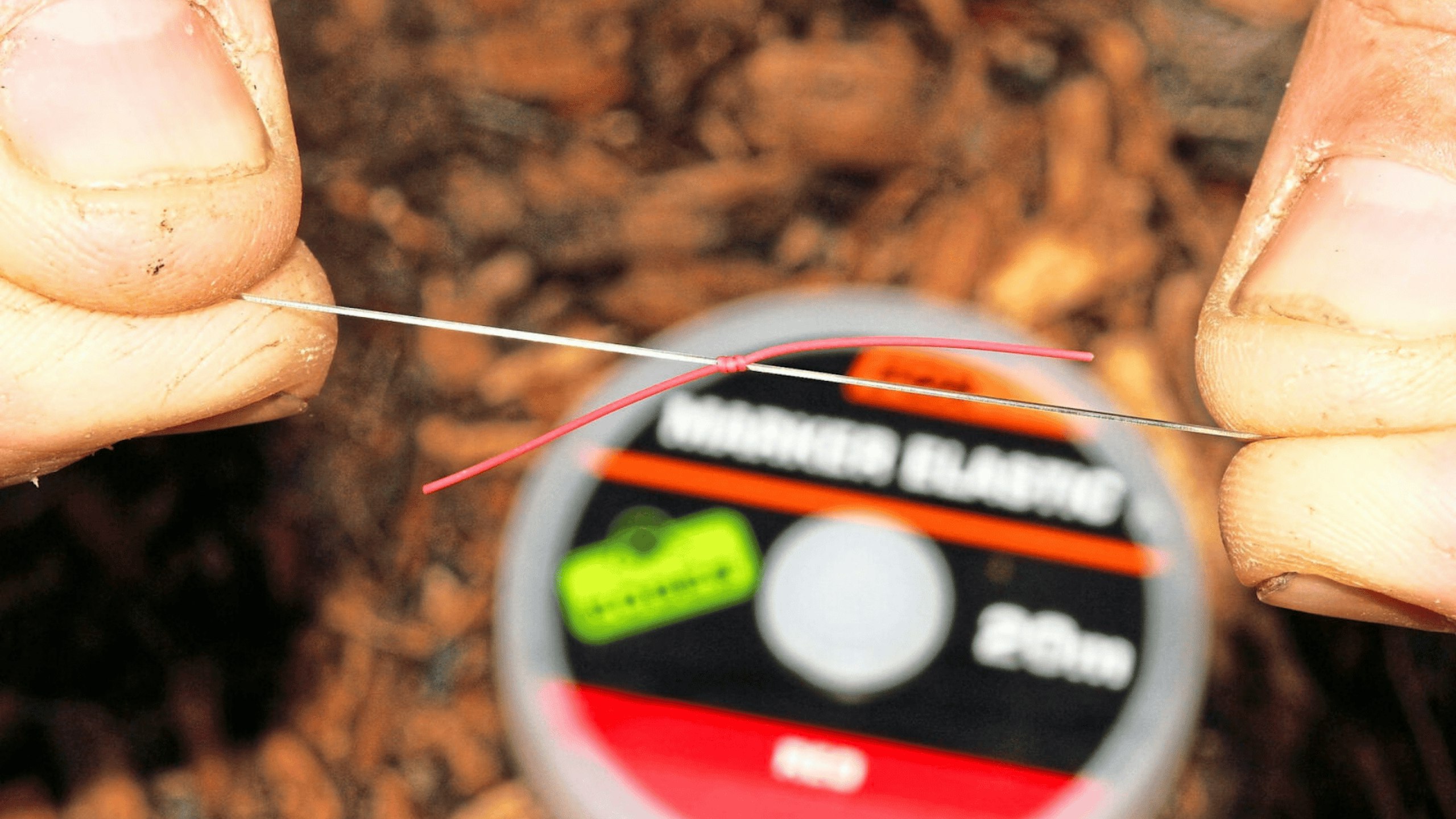
Once you have all three rods on the rests, check the line direction from the rod-tips.
If everything has been done correctly, you should have three clearly separated lines travelling towards the baited area.
Once you’ve clipped up, tie a piece of marker elastic by your rod-tip. © Angling Times
When you get a bite
Unfortunately, hooked carp usually have zero regard for your carefully placed arrangement. The first thing to watch for is which way the fish is kiting and then decide if you need to pass your rod over or under either of the remaining rods. If you have a friend fishing with you, you could ask them to wind one or both of your remaining rods in to get the lines out of the way. It’s often much easier to recast these than have to deal with tangled lines.
On well-stocked waters, there’s also a chance you could get multiple bites at the same time. If this happens, the most important thing is to remain calm. Carry on playing the first fish and simply tighten up the clutch slightly on the rod that’s still on the alarms. Once you’ve netted the first fish, you can deal with the second. If you’re struggling, though, and there are other anglers close by, don’t be afraid to ask for help.
Building a picture
One of the great advantages of fishing several rods on one spot is the information it provides. Keep track of how many bites each rod produces.
If the majority come to one rod, then you’ve most likely found a spot within a spot. It also lets you experiment a bit with hookbait choice.
You may find most bites are coming to one particular colour, or that hi-viz baits tend to produce the smaller fish and the bigger, more cautious, fish are coming to ‘match the hatch’ hookbaits.
Just so you know, we may receive a commission or other compensation from the links on this website - read why you should trust us