- Home|
- Advice|
- Tips
Three ways to fish with creature bait lures
Ian Jones explains why these lures are his ‘go to’ patterns in the colder months, and reveals three different ways to use them

by James Furness |
Published on27th October 2025 at 4.20pm
Follow Angling Times on Google
As the temperatures continue to drop and perch start to become more localised and group up in certain areas, there is one type of lure that is particularly adept at picking out the bigger stamp of fish. At first glance, creature baits may look like a prop from a Ridley Scott Alien movie, but they are in fact designed to resemble crayfish.
As you’d expect, they obviously score especially well on venues where crayfish form a staple part of a perch’s diet, but if your local river is devoid of crayfish don’t be deterred from giving them a go, because they will still work.
A distinctive features of creature baits is the various legs and appendages that create enticing vibrations and movements in the water on the retrieve. This is something that any predatory species will find hard to resist.
One of the primary benefits of creature baits is their realistic profile and action, which can entice even the most finicky fish. Compared to other lures, they often have a larger surface area that can trigger more aggressive strikes, especially when perch are actively feeding. Additionally, their bulk can help in covering more water, allowing you to effectively target different depths and structures in the swim.
Like all lures, they are available in a range of colours so it’s always worth carrying a few different varieties to experiment with and find out what is working best on the day. As a general rule, brighter colours are more effective in coloured water conditions whereas more natural shades of silver and black tend to best in clear water.
So, how exactly do you go about fishing with one of these appendage-riddled lures? Well, there are a number of different techniques you can employ, depending on the situation you’re faced with. Here are my top three styles that have all produced some cracking perch, as well as the odd chub and pike too, over the last couple of winters.
Jighead / Swinging Ned Rig Jig
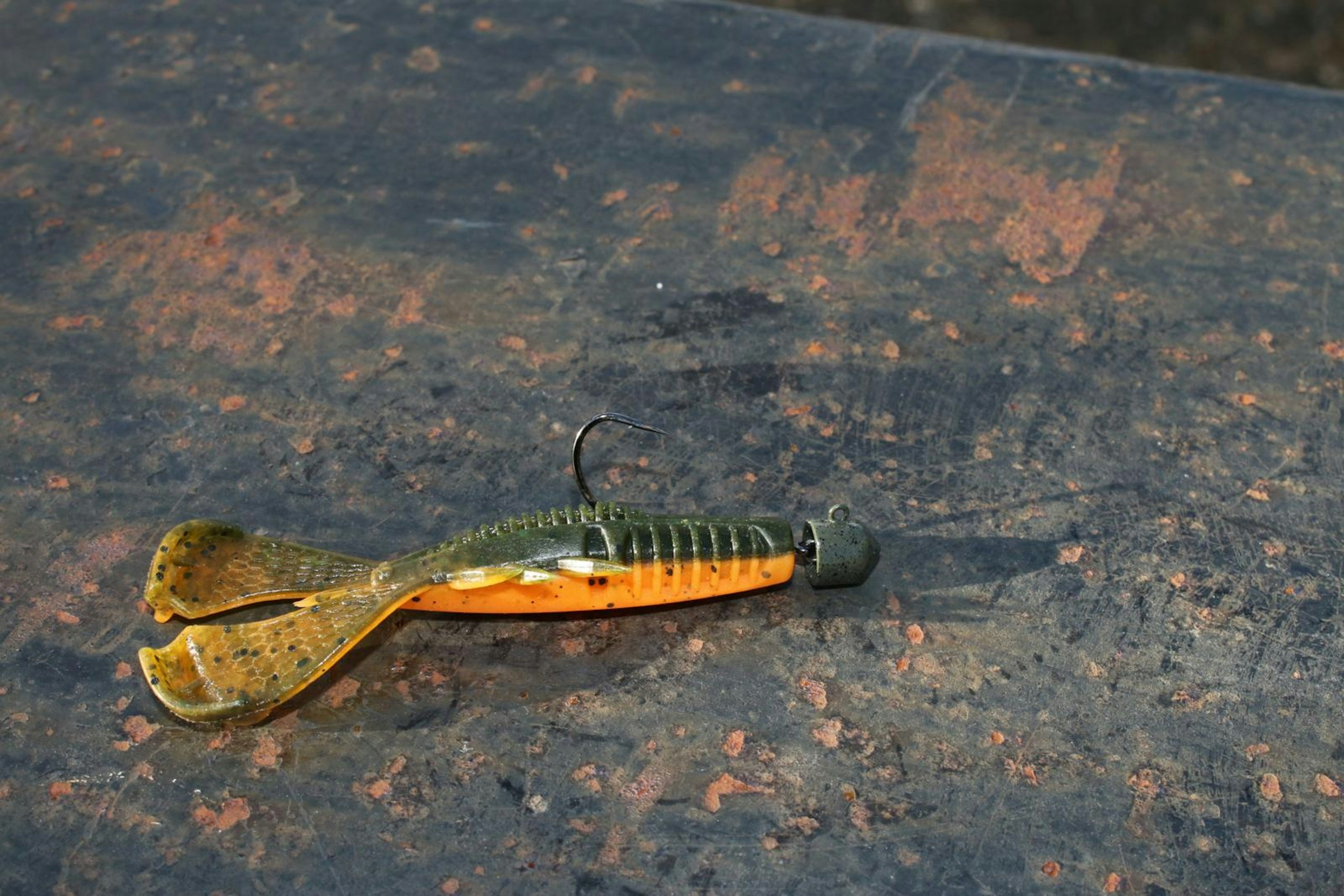
One of the most popular ways to mount a creature bait is on a jighead. This method is especially effective for targeting smaller perch, as the exposed hook increases the hook-up ratio. The downside however is that the jighead makes them prone to snagging on the bottom, so use them when fishing over silt or sand as opposed to a rocky bottom.
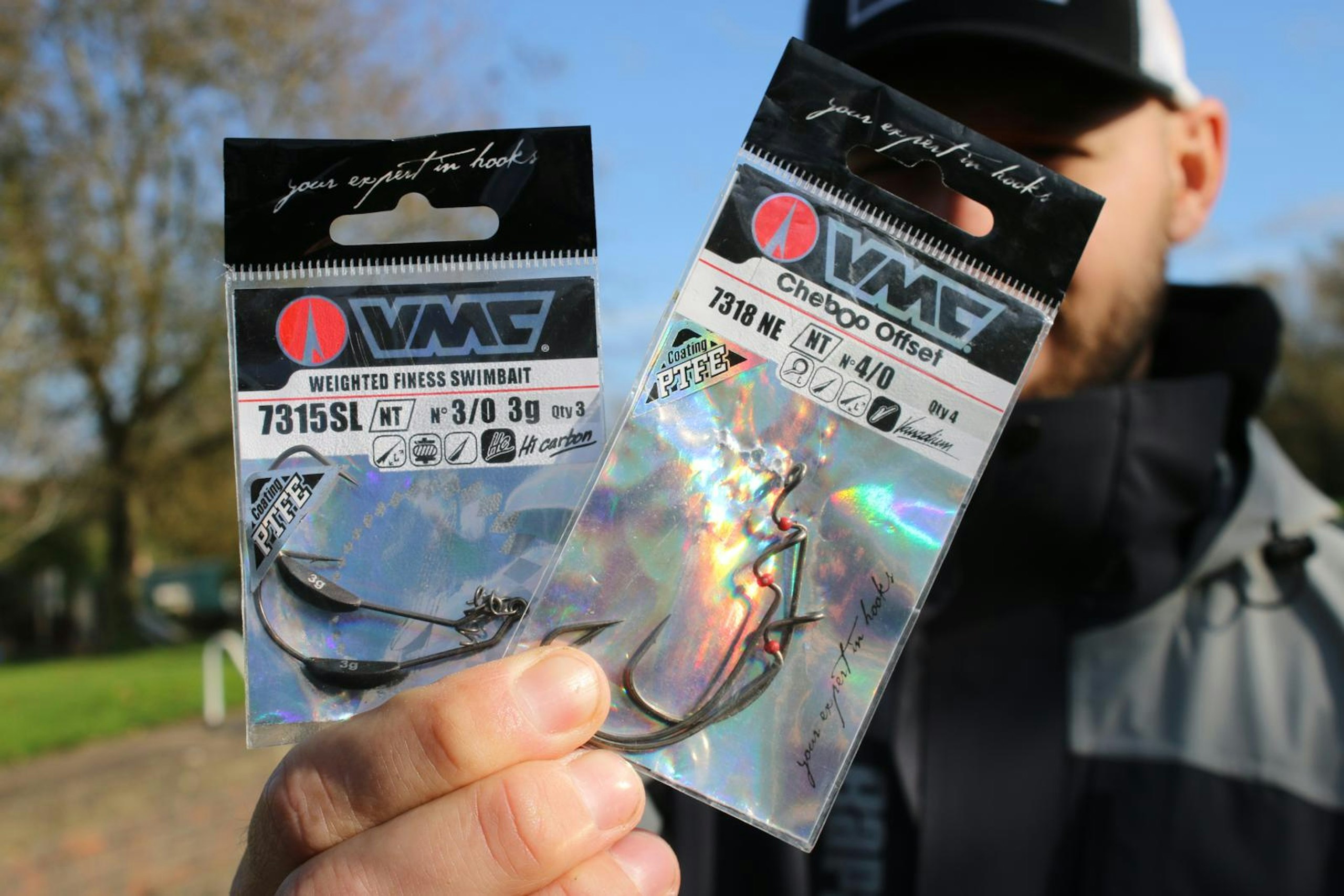
A great option is the VMC Swinging Ned Rig Jig Head, which features an articulated hook. This design allows for a more natural movement of the creature bait when twitched along the bottom, creating a lifelike presentation that is hard for perch to resist.
Weedless / Offset Hook
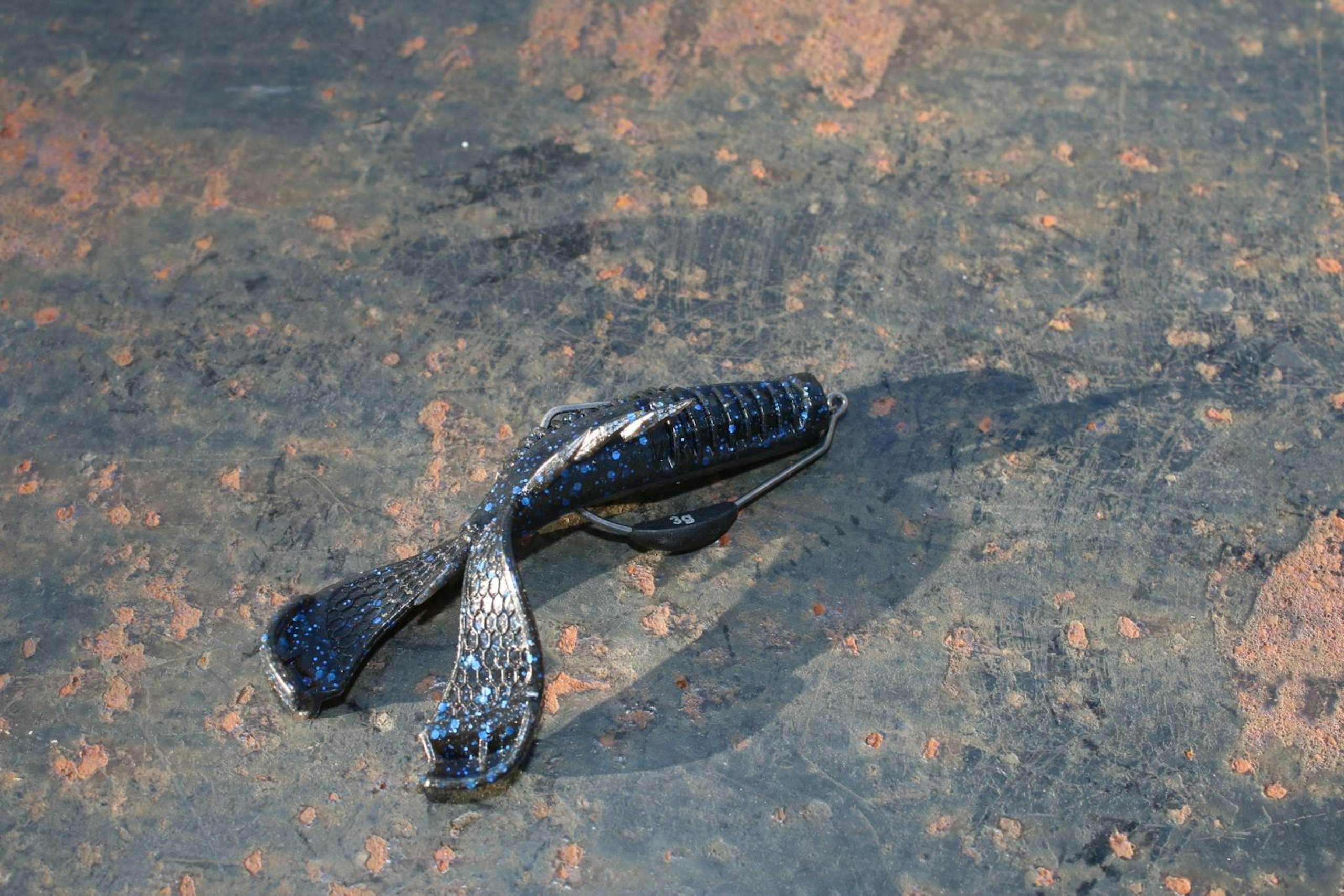
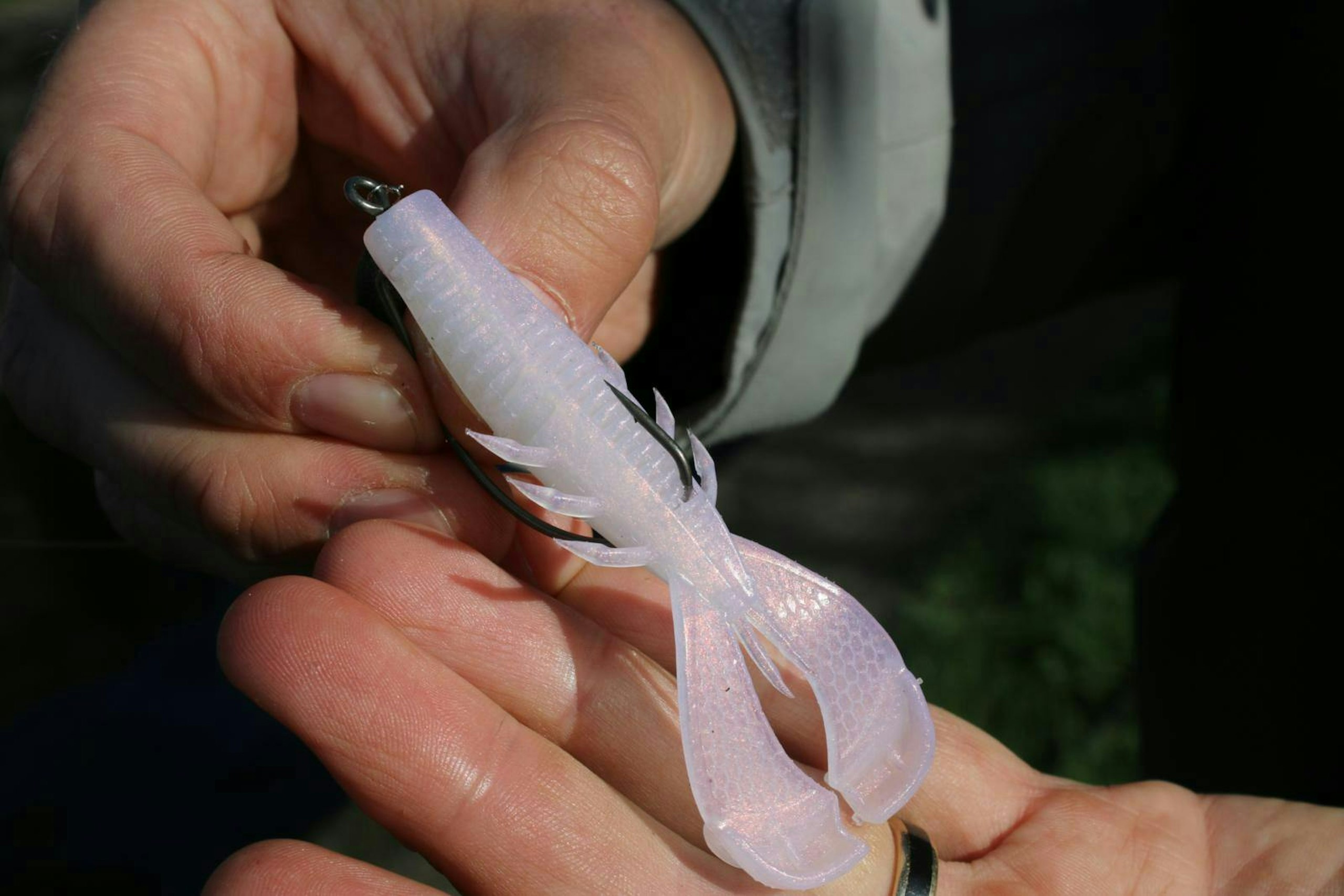
The use of an offset hook in lure fishing is extremely popular as they allow you to rig the lure without the hookpoint being exposed to snags. Because you’re retrieving creature baits along the bottom the majority of the time, a weedless offset hook is sometimes preferred to a jighead for this reason. Offset hooks come in various sizes and can be pre-weighted (as in the image), or you can add weight by using Cheb weights or threading a cone weight up your fluorocarbon leader to create a Texas or Carolina rig.
Jika Rig
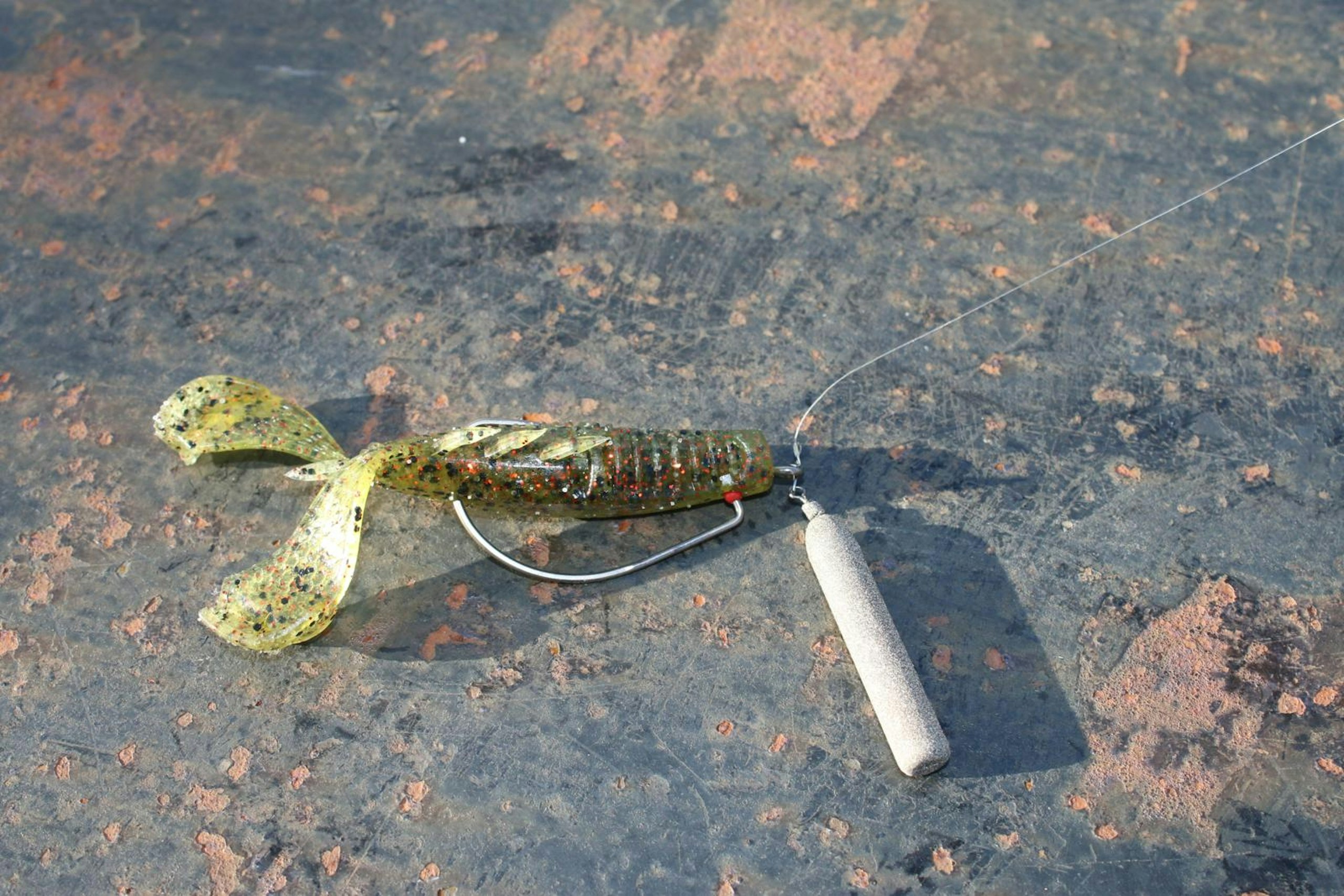
While the Jika Rig may appear complex, it’s actually incredibly easy to assemble. Start by tying a lure clip to the end of your fluorocarbon leader, followed by your hook or offset hook. Then slide on a weight with a swivel at one end. Once you’ve closed the clip, add your creature bait to the hook to complete the rig.
This presentation is best used when fishing hard along the bottom and you want to create lots of disturbance. The weight will naturally kick up any silt on the bottom and ‘click’ against the hook when it comes into contact with a rock or stone. It’s this noise that helps to provoke big perch into attacking it!
Top tip
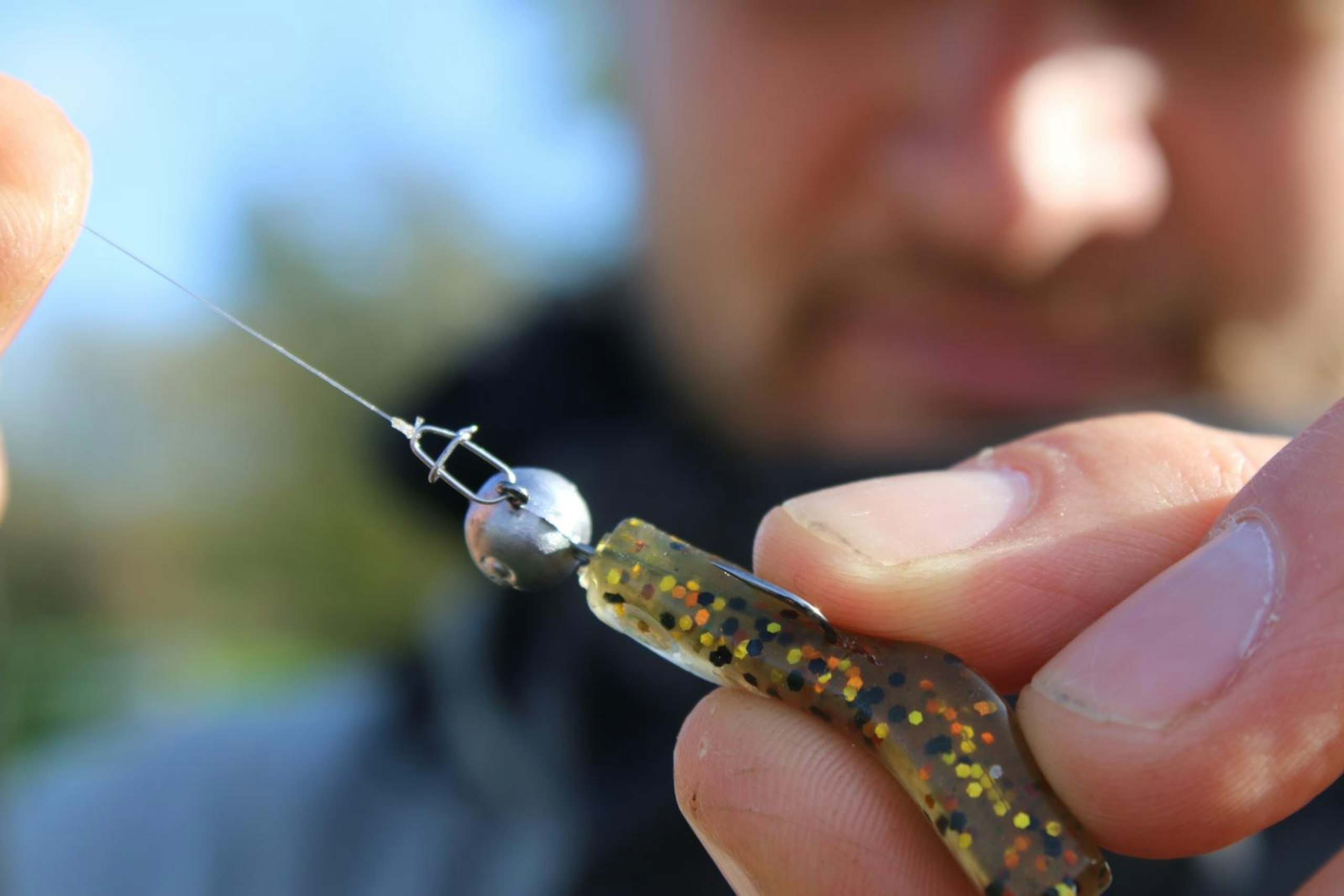
Tying a lure clip on to the end of your fluorocarbon leader makes it much quicker and easier to change between different lures and weights without the need to tie your leader to a new jig head each time.
How to hook a creature bait
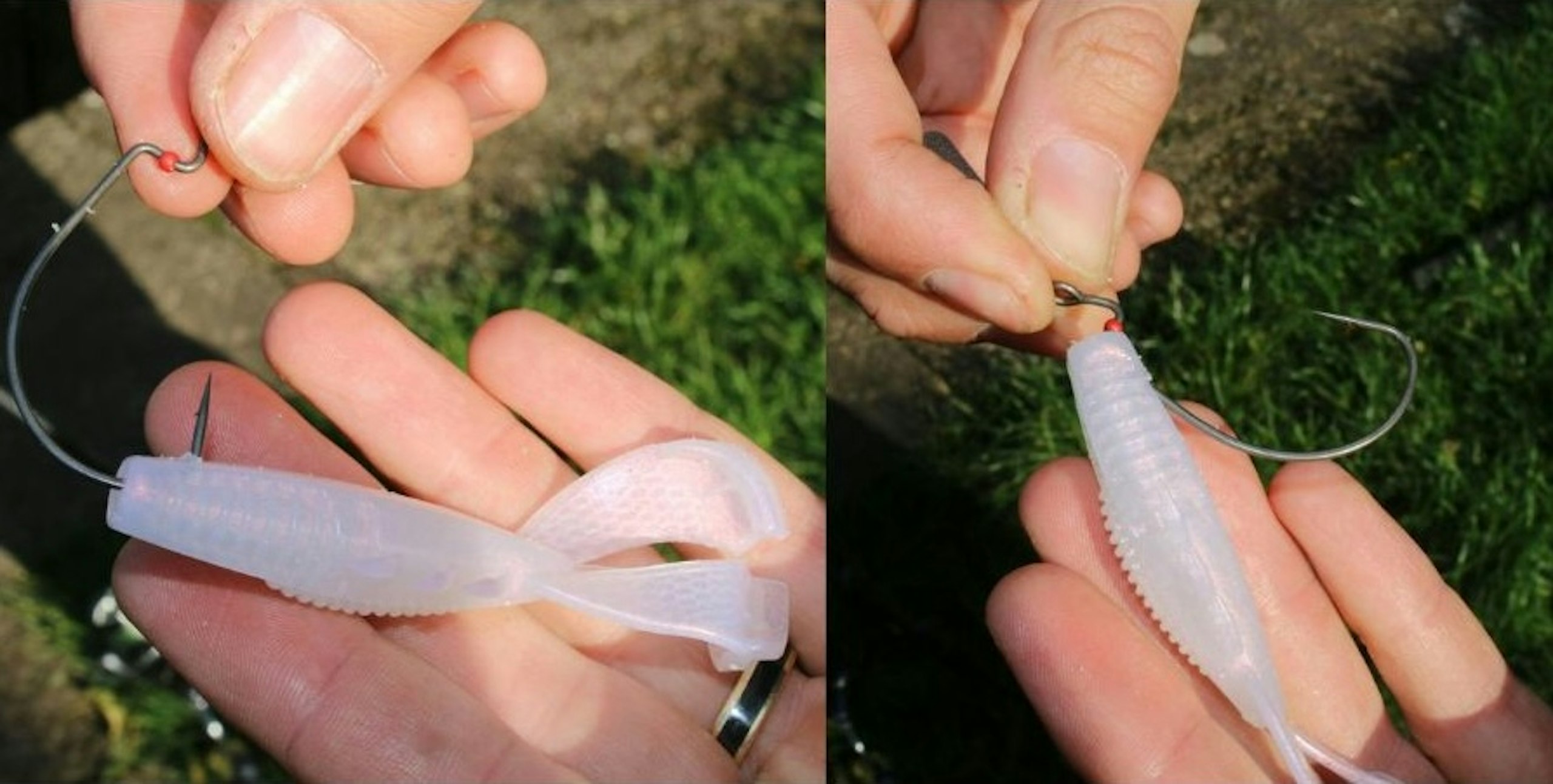
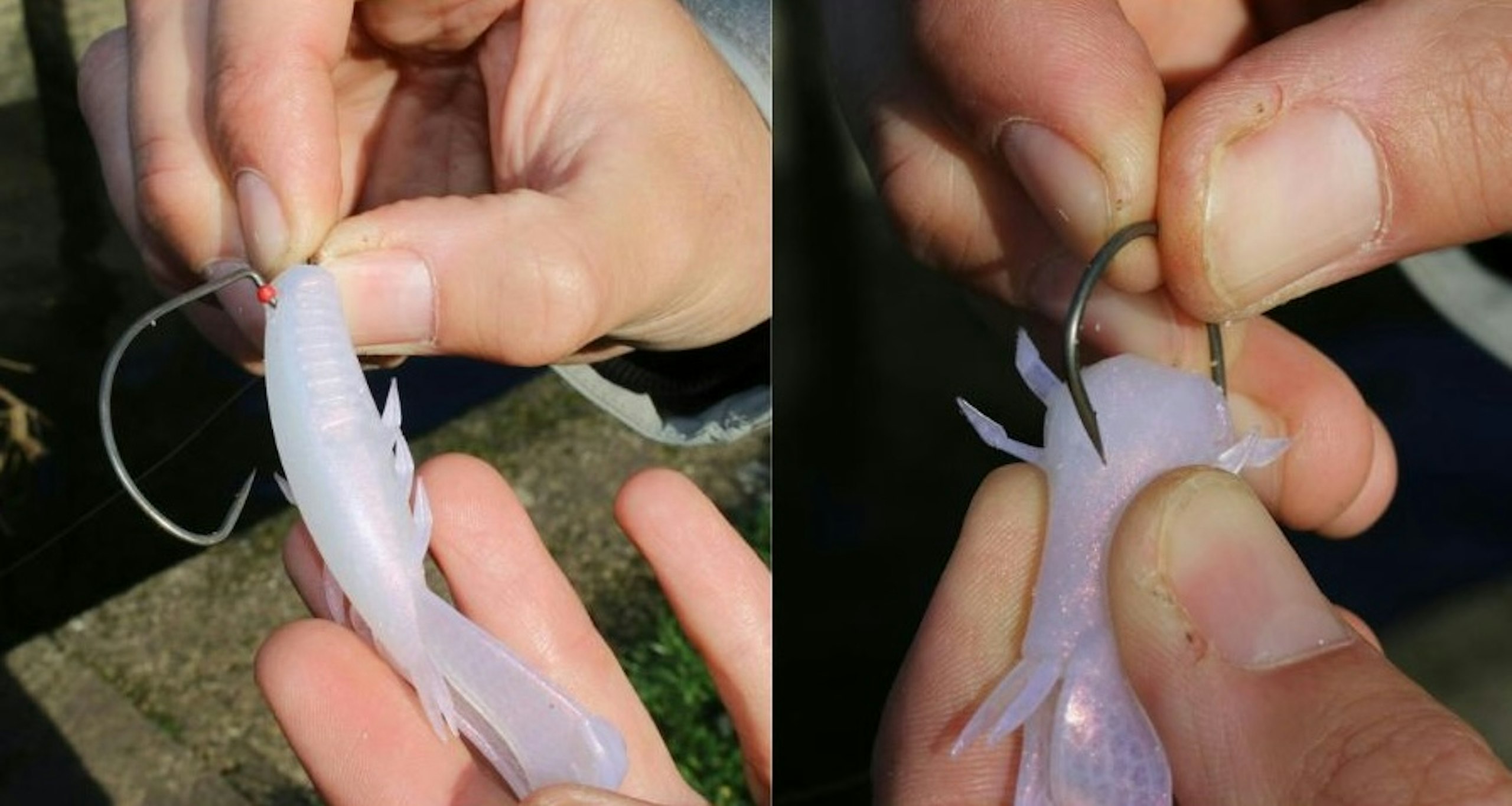
1. Insert the hookpoint into the nose of the lure and then out the side.
2. Slide the lure down the shank of the hook until it’s in this position.
3. Rotate the hook 180 degress and push the lure over the bend.
4. Push the hookpoint up through the base of the lure.
5. The hookpoint should now be sitting flush with the top of the lure.
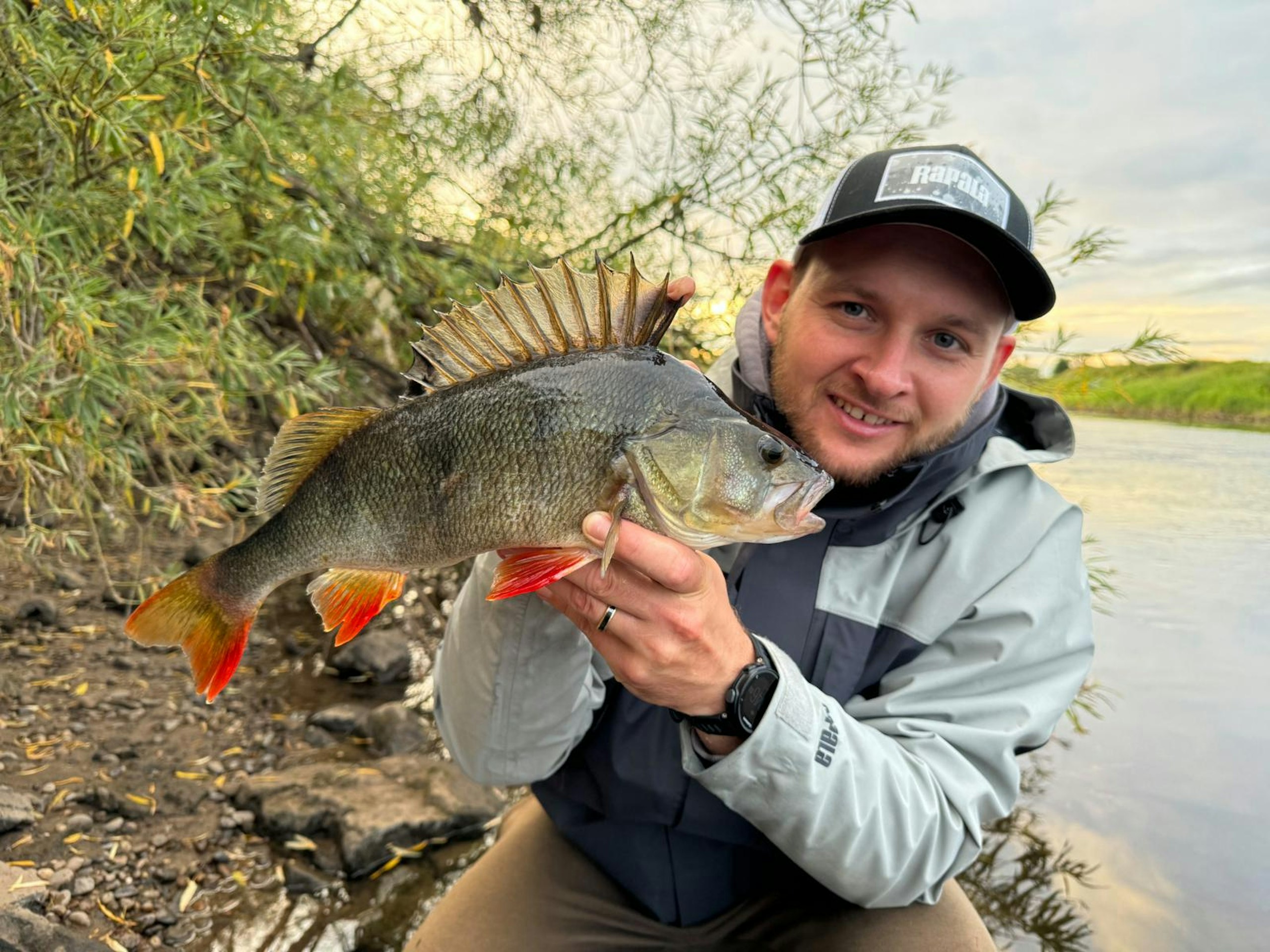
As mentioned at the start of this article, perch will now be grouping up as prey fish become more localised. Whereas you may have previously been able to get bites along the length of a stretch you may find that as the weeks progress, you only get action in a couple of areas.
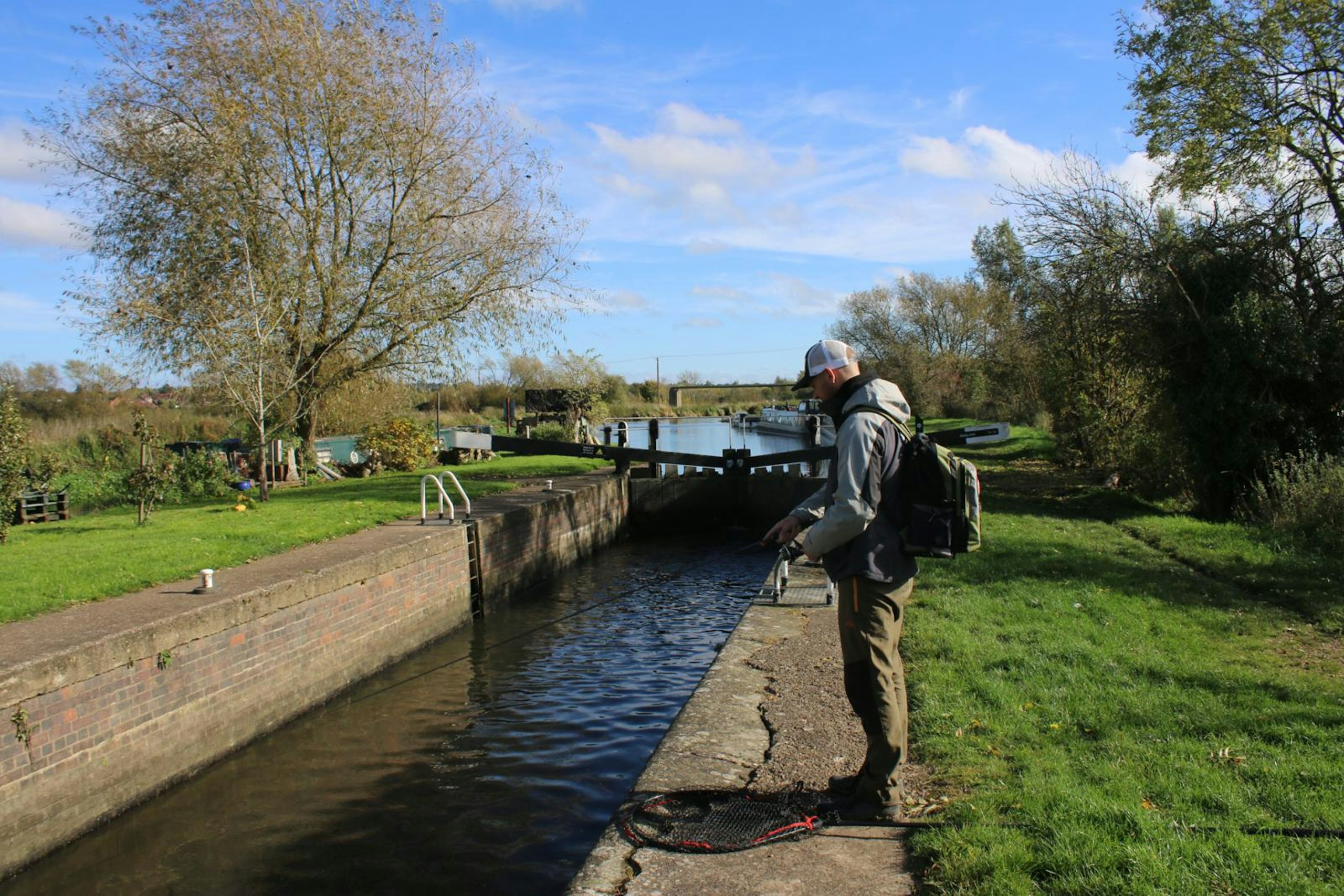
For this reason, it’s important to travel light and cover as much ground as possible in a bid to track them down. There’s no point spending ages in one spot, repeatedly casting and hoping that something will come along. Four or five casts in a swim will allow you to quickly ascertain whether there are any perch present, and if you haven’t felt any taps on the lure, then move on. By fishing in this manner you can easily explore any likely features, such as locks, bridges, overhanging bushes and reed beds dotted along the stretch in just a few hours. Obviously once you find where the fish are held up you can be in for some exciting sport. And there are few better lures out there for cherry picking the bigger specimens than a creature bait.
Just so you know, we may receive a commission or other compensation from the links on this website - read why you should trust us