- Home|
- News|
- News Stories
Are we better at fishing than we have ever been?
Huge match weights, fewer dry nets and instant access to information have changed the way we fish, but are modern anglers genuinely more skilful than previous generations, or has the sport simply moved on?
by Jonathan Longden |
Published on15th May 2026 at 10.26am
Follow Angling Times on Google
There was a time when a dry net was accepted as part of fishing, particularly on canals, rivers and harder natural waters. You could spend the day doing what you thought was right, come back with very little to show for it, then spend the drive home blaming the colour of the water, the tow, the wind direction, the bloke on the next peg, or the simple fact that the fish “just weren’t having it.” Every angler has done it, and in many ways those hard days taught us just as much as the good ones did.
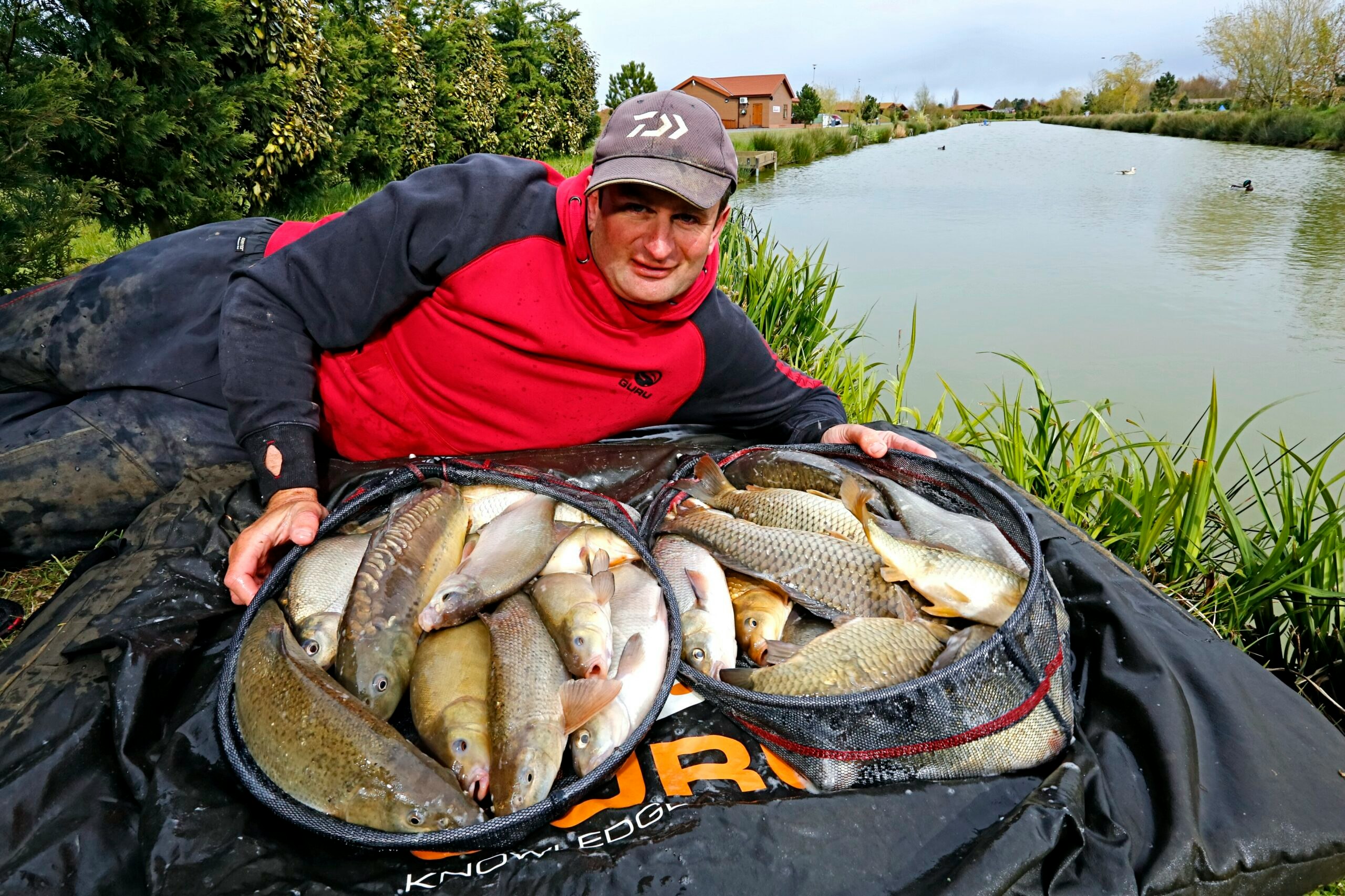
The obvious change is not simply that winning weights are bigger, although they certainly are on many venues. It is that fewer anglers are genuinely struggling to catch anything at all. Commercial fisheries regularly produce weights that would once have sounded almost ridiculous, and ton-plus catches are no longer reserved for those one-off red-letter days.
The interesting change is further down the results sheet, where a DNW does not always mean a dry net. Quite often it means someone has tipped back 20lb, 30lb or 40lb because it was nowhere near enough to trouble the frame.
That alone doesn’t automatically prove that we have all become brilliant anglers overnight. The obvious counterargument is that commercial fisheries have altered our expectations, with better management, higher stocking levels, accessible pegs and fish that are used to seeing bait. A well-run commercial is designed to produce sport, and in the right conditions it can make fishing feel far more predictable than many traditional venues ever did.
But writing off commercials off as “overstocked puddles” is ignorant, because improved catches are not confined to commercials. Anglers are catching more consistently on canals, rivers, drains, reservoirs and natural lakes too, not everywhere and not every week, but often enough to make the question worth asking. Are we actually becoming better anglers, or are we simply fishing in a world that gives us more help than it ever used to?
The average angler has more information
One of the biggest changes in fishing isn’t just the tackle in our holdalls or the bait on the side tray, but the amount of information available before we even get to the peg. Before fishing a venue, we can look through recent results, watch videos, read catch reports, check social media, study photos and even scrutinise Google Earth. By the time we get to the peg, we can often build a fairly good idea of which methods, baits and areas are likely to be worth starting on.
This doesn’t guarantee a good day, because fishing has a habit of punishing anyone who thinks they have the answer before they start. What it does do is remove a lot of the options that anglers once had to eliminate by trial and error. Years ago, venue knowledge was earned slowly and meticulously. You picked it up by fishing regularly, asking the right questions, and observing more accomplished anglers. Some of that information was shared freely, some was guarded closely, and some of the best edges were only passed between anglers already trusted enough to hear them.
Social media has changed that entirely. Rigs, bait choices, feeding patterns, hooklengths, shotting patterns, tactics, feeder set-ups and venue-specific edges are much easier to find. A method that wins a match on Sunday can be filmed, explained and copied by the following weekend, and while that doesn’t mean everyone will use it effectively, it does mean the starting point for the average angler is much higher than it used to be.
There is a difference between having information and knowing how to use it, and that is where the consistent anglers can still separate themselves. Copying a rig is simple, but knowing when to use it, when to change it and, crucially, when not to use it is a very different skill. Even so, anglers are being exposed to ideas much earlier, and that has shortened the learning curve dramatically.

Tackle has made anglers more efficient
It would be nonsense to pretend that modern tackle hasn’t played a huge part in raising standards. Poles are lighter, stronger and better balanced, rods have better actions and recover quickly, while reels, hooks, lines, floats, and feeders have all developed in ways that help us fish with more control. None of these developments catch fish on their own, but good tackle makes it easier to fish accurately, present a bait properly and land a higher percentage of what you hook.
One improvement might not change much on its own, but when those small gains are added together across a session, the effect becomes obvious.
Match fishing is where this effect is most obvious with fewer lost fish, smoother pole shipping, more accurate feeding, accurate casting, and quicker rig changes can turn an average performance into a framing one. The best anglers have always been efficient, but modern tackle gives people the chance to fish efficiently in a way that was once much more difficult to achieve.
Bait has moved on, but so has the thinking
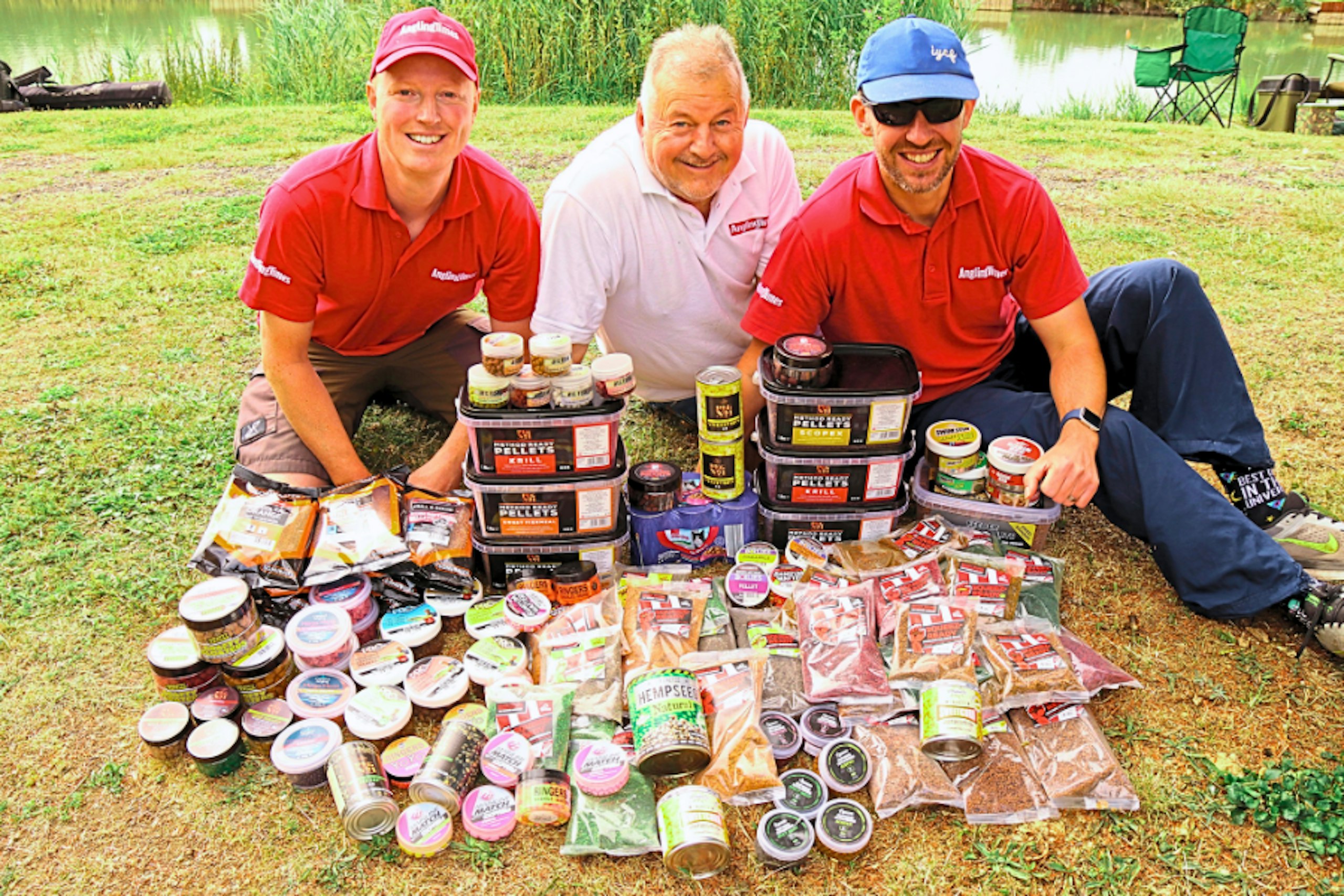
Bait is another area where modern anglers have a clear advantage, especially on commercials where pellets, groundbaits, expanders, pastes, wafters, liquids and prepared particles have created a level of consistency previous generations didn’t always have. Fish are often conditioned to certain food items, and the anglers who understand how to use that feeding response properly can build weights in a way that looks simple from the next peg but rarely is.
Canal anglers are more precise with natural baits, groundbait, bread, and hemp than many give them credit for, while river anglers have become very good at balancing feed rates, timing and presentation. Specimen anglers, too, have refined baiting, rigs and feature finding to the point where old ideas are constantly being tested, sharpened and shared.
People now understand that feeding isn’t just a case of filling it in and waiting for something to happen. It is about how much, how often, in what form, on which line and at what stage of the session. Knowing when to feed and when to hold back and rest a swim is still one of the hardest parts of fishing, but the general understanding of bait has moved on massively.
Commercials have raised standards
If a venue is well stocked, well managed and full of fish that are used to anglers feeding them, then bites should be more likely. But that does not mean commercial fishing has lowered standards. In many ways, it has done the opposite.
On a hard natural venue, it is sometimes possible to hide behind the conditions because everyone is struggling. On a commercial, that excuse doesn’t always hold up. Someone will usually catch, and if you haven’t, you begin asking yourself what they did that I didn’t? That pressure has forced anglers to become far sharper, more versatile and brutally honest about their own decision-making.
The best commercial anglers aren’t just sitting on a pile of fish and emptying it. They are managing a session at pace, reading the responses, rotating lines, changing depths, altering feeding, switching hookbaits and reacting before the fish drift away. They may have to switch between short, long, shallow, down the edge, on the deck, with a feeder, on the bomb or with a waggler, depending on what the day demands. That is not simple fishing, and the standards at the top end are frighteningly high.
The argument is bigger than stocking
The convincing part of this argument comes away from commercials, because improved catches on canals, rivers and natural lakes cannot be explained purely by heavy stocking. Anglers are catching well on these venues because they are prepared, well equipped and willing to adapt than they once were.
A canal angler might now build a session around several lines, using maggots, pinkies, casters, chopped worm, hemp or punch depending on conditions, boat traffic, clarity and the size of fish they are trying to catch. River anglers are equally adaptable, switching between feeder, stick float, waggler and pole as pace, depth and target species change throughout the day. The idea of sitting stubbornly on one method because it worked last time is less common among serious anglers than it once was.
Fishing has always rewarded those who can adapt, but what's different now is that more anglers have the tools and knowledge to make those changes with confidence. When fish are present and feeding hard, modern anglers will more often than not take full advantage.
Improved waters have also played their part
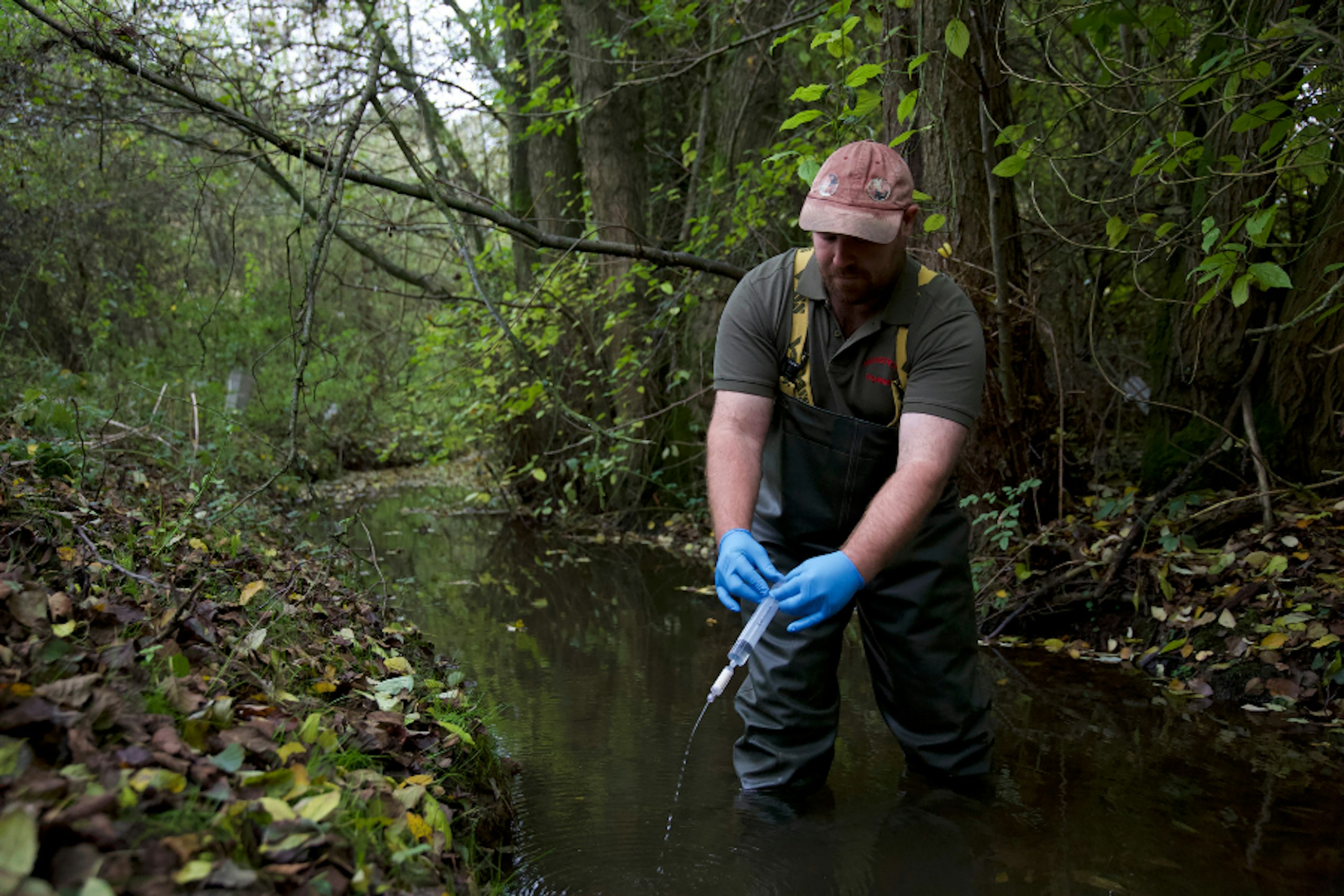
It would be wrong to talk about improved catches without looking at the waters themselves, because not every change has come from the angler’s side of the equation. There are still serious issues with pollution, sewage discharges, agricultural run-off, and habitat damage on many rivers, canals and natural waters, and anglers are usually among the first to notice when something is wrong.
At the same time, it is fair to say that regulation, habitat work, fisheries improvement schemes and greater scrutiny of water quality have helped some venues become more productive over time. The European Water Framework Directive, the Environment Act 2021 and wider pressure from bodies such as The Rivers Trust and Salmon & Trout Conservation have all helped push ecological health further up the agenda. Fish populations, invertebrate life and the condition of rivers, canals and stillwaters are now discussed with far more urgency than they once were.
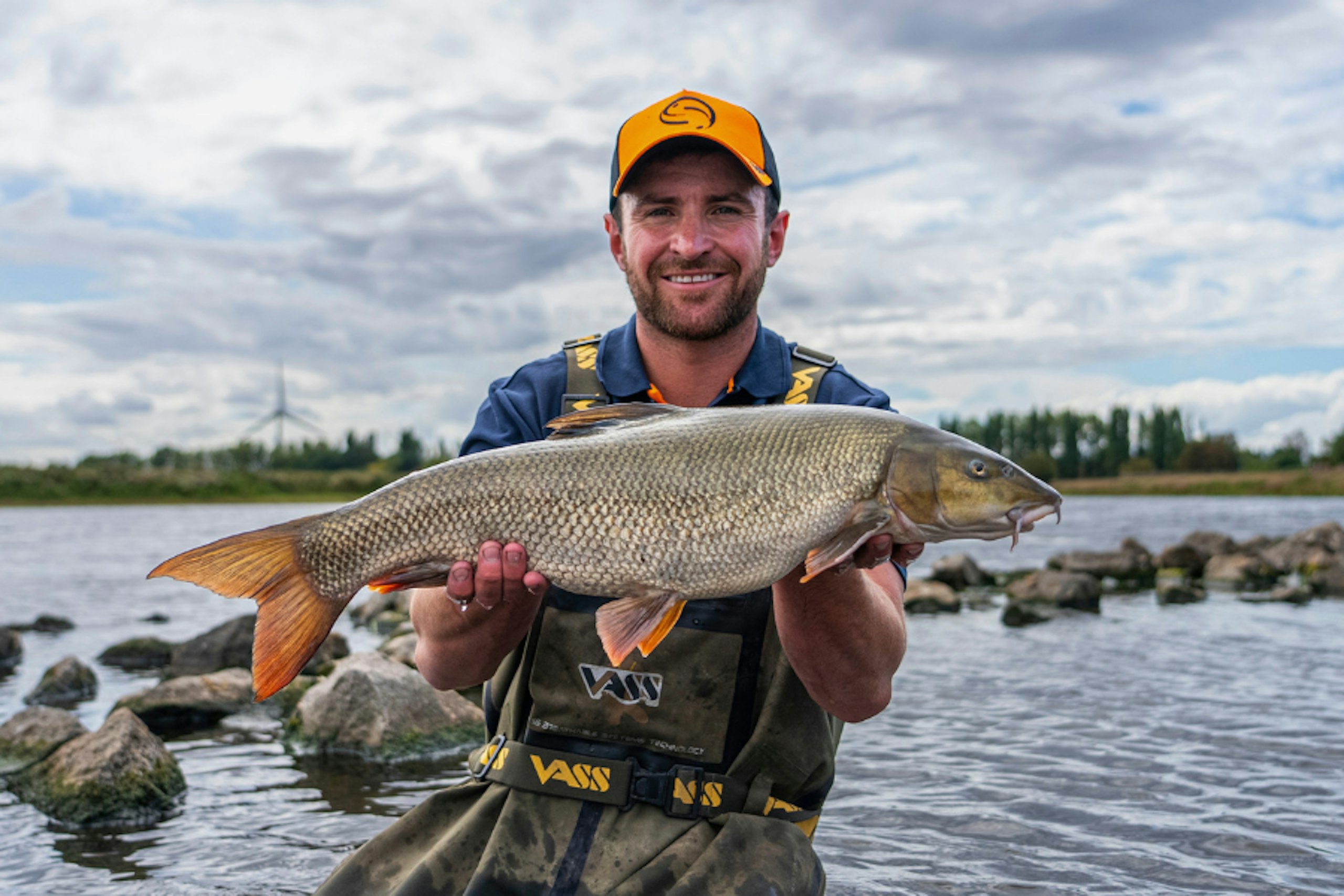
Where water quality improves, habitat improves and food chains recover, fish populations usually benefit. Thriving invertebrate life, stronger recruitment, improved spawning habitat and more stable conditions can all give anglers more fish to target. That doesn’t mean every venue is improving, because plenty are still under real pressure, but on some waters the environment itself is giving anglers greater opportunities than it once did. The River Trent, transformed from one of England's most polluted waterways into a productive fishery producing serious barbel and big match weights, is a clear example of what becomes possible when water quality genuinely improves.
More fish, better fishery management, cleaner water in some places, improved habitat, better tackle, quality bait and faster access to information have all had an effect. The angler still has to catch the fish, but in many cases the opportunity to catch has improved.
So, are we better anglers?
The honest answer is most likely yes, although not in the romantic sense that modern anglers are somehow blessed with more instinct or natural ability than previous generations. Older anglers still compete and catch plenty because they have always had watercraft, patience and knowledge that would stand up anywhere today, and those qualities remain just as important as they have ever been, but the difference is more people now possess them.
We now have more refined tackle, quality bait, managed venues, stronger coaching, instant access to information and, in some cases, healthier or more productive waters. A newcomer can learn in months what might once have taken years to piece together, and while that doesn’t make them an expert, it does mean the baseline has risen.
The very best anglers still rise to the top because they read the peg quicker, feed more accurately, recognise changes earlier and make better decisions under pressure. That hasn’t changed, and it probably never will. What has happened is the average angler is better informed, and that has raised standards across the board.
So, are we better at fishing than we have ever been? In terms of consistency, catch rates and efficiency, it is hard to argue otherwise. We catch more fish, blank less often and solve problems more quickly, but the fish have not suddenly become easier to catch. Perhaps we have just got better at fooling them.
Just so you know, we may receive a commission or other compensation from the links on this website - read why you should trust us