- Home|
- News|
- News Stories
The biggest threats facing angling right now
by Jonathan Longden |
Updated on23rd February 2026 at 11.58am
Follow Angling Times on Google
Angling has rarely felt as uncertain as it does today, yet it has also rarely had more going for it. You can see it in the small signs, with more juniors turning up at open days and more young faces in tackle shops, and the official numbers back it up too.
The Environment Agency sold 934,000 rod licences in 2024/25, up 2.5 per cent on 2023/24, generating £24.15m for fisheries work. Junior sales rose sharply, with the Junior Two-Rod Coarse and Non-Migratory Trout licence up 27.1 per cent and the Junior Three-Rod version up 40.6 per cent. Overall sales are up a further 4.8 per cent so far in 2025, which suggests the momentum has not faded.
At the same time, the wellbeing argument is strengthening, with a growing body of research linking time outdoors with lower stress and better mental wellbeing, with organisations like Tackling Minds doing great work. The problem is that the pressures on angling are intensifying, and they are not going away on their own, so the sport’s future will be decided by whether we can back up what we’re saying. If angling wants protection, growth and political weight, it has to build its case on evidence rather than emotion.
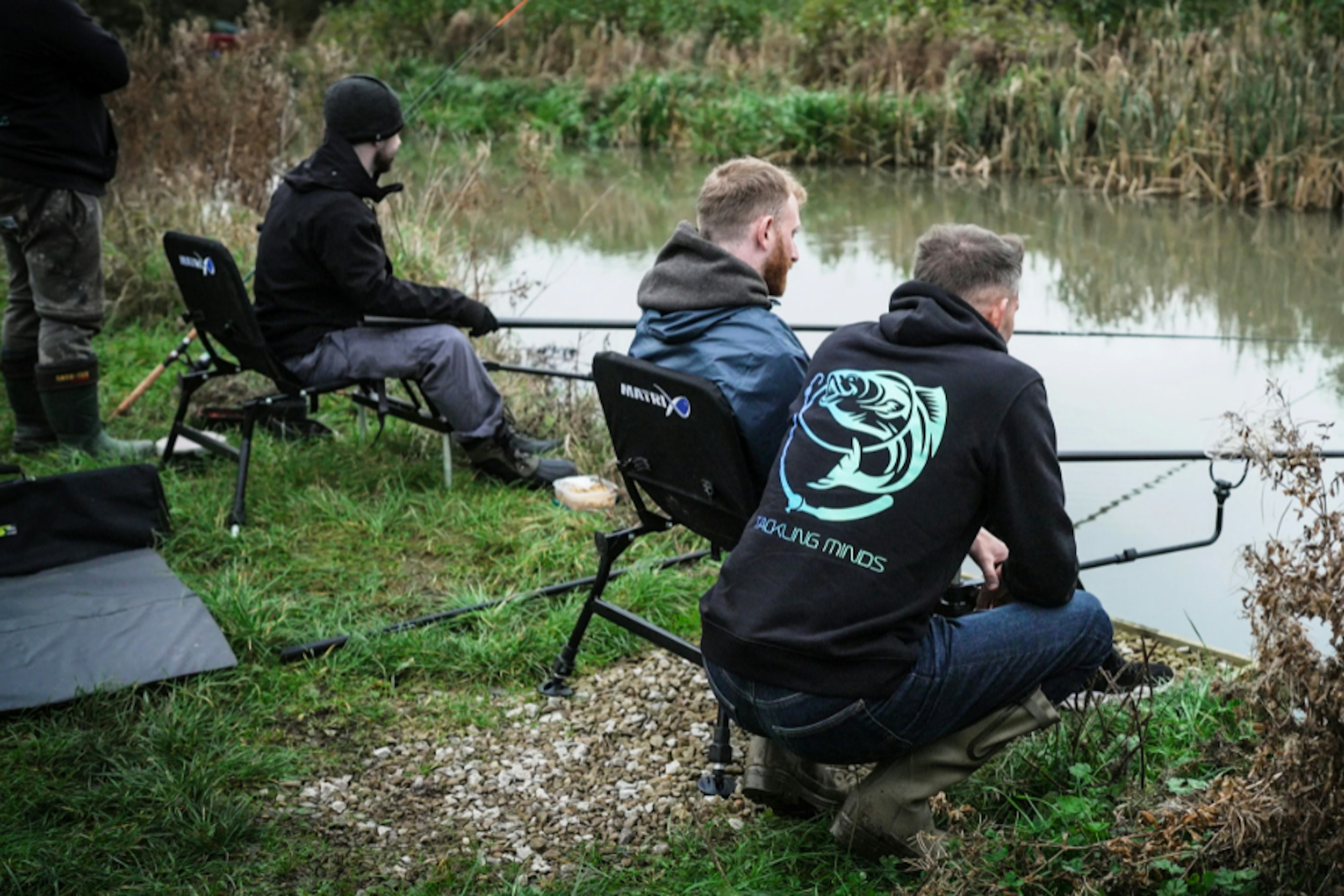
Research shows a link to time outdoors with lower stress.
Getting young people into fishing and keeping them
The effort to attract junior anglers and broaden participation has been significant, and it is starting to show. Initiatives such as the Canal and River Trust’s (CRT) Let’s Fish programme have introduced thousands of young people from varied backgrounds to the bank, while the Korda Academy continues to grow. In match fishing, the Tackle Guru Match Academy and the Preston Innovations UK Junior Championships have helped to make the pathway clearer.
Recruitment, however, is only the starting point, because retention is where the long-term health of the sport is decided. Many young anglers fall away once the early excitement settles and the realities begin to show themselves, whether that is winter conditions, a string of blanks, or the growing pull of social, educational and financial pressures as they get older. The support network is stronger than ever, with Angling Trust coaches, active clubs and experienced anglers willing to help, but converting that first experience into a lasting commitment remains a harder task than simply getting someone to pick up a rod.
The difference often lies in the culture they encounter. If newcomers are met with negativity, infighting or confusion around access, fishing feels difficult before it has had a chance to feel rewarding, whereas a healthy culture keeps standards high while still making space for progression, confidence and belonging.
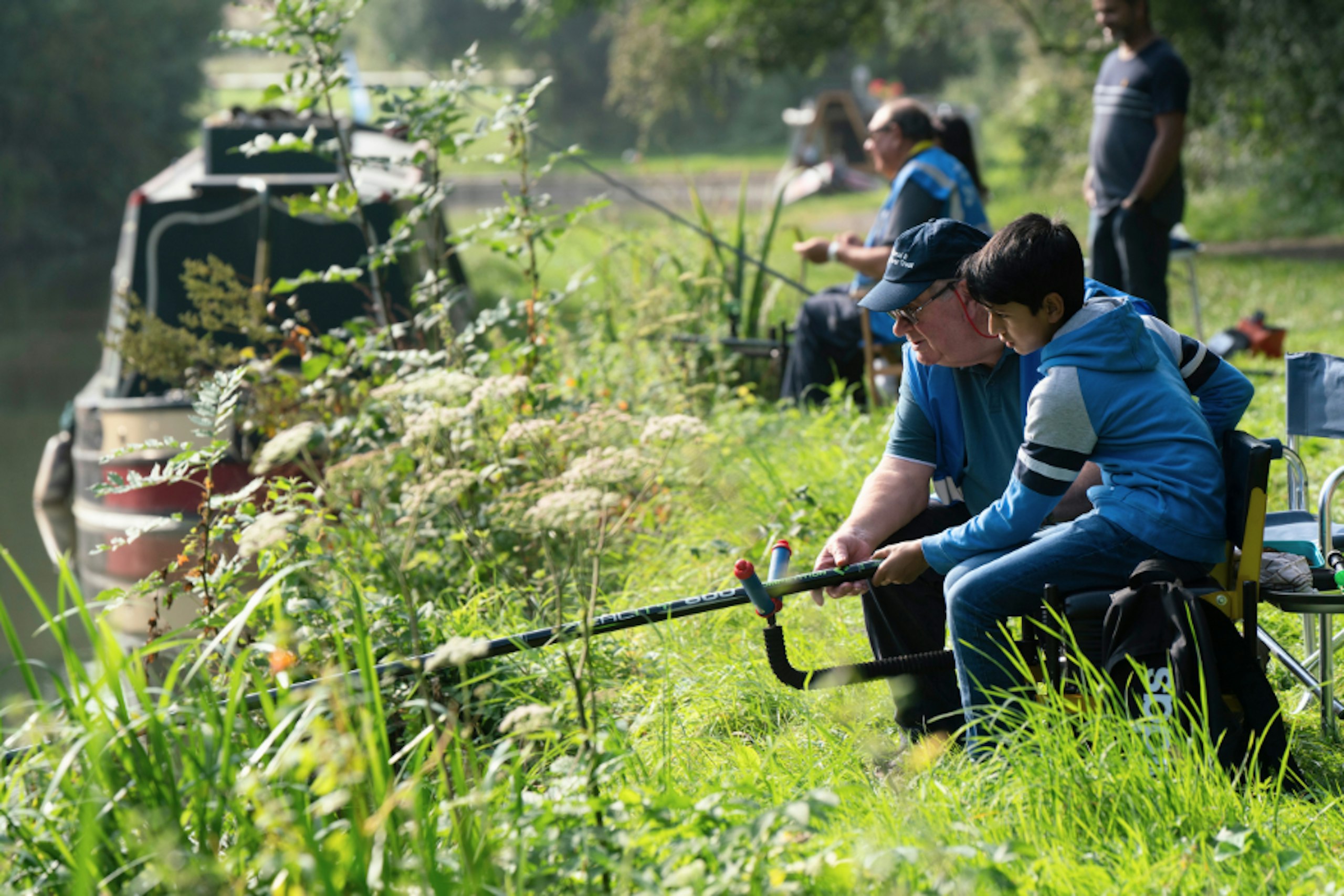
CRT Let's Fish programme has introduced thousands of young people to angling.
Pollution, sewage and poor water quality
Water quality underpins every other conversation in angling, because without healthy rivers and lakes, recruitment, retention and sustainable fish stocks are all compromised. The problem is that decline rarely arrives with a single dramatic moment. More often it creeps in, with a river that still looks “fine” on the surface while its invertebrate life declines, spawning success suffers, and the whole system becomes less resilient season by season.
What makes this even harder to tackle is that the pollution picture is not always clear, and my own analysis of Environment Agency incident records shows a worrying trend in incidents recorded as serious, with “unknown pollutant” reports increasing rather than shrinking. When the pollutant is not identified, it becomes harder to pin down the source and harder to enforce, which leaves anglers and fisheries reacting to symptoms rather than tackling causes.
The uncomfortable truth is that “unknown pollutant” incidents are not just a data problem. They are an accountability problem. If the record cannot even name what went into the water, it becomes easier for everyone involved to shrug, move on and repeat the same mistakes next month, while anglers are left trying to prove a decline that rarely shows up as a single headline event.
Add in the modern mix of pressures, from agricultural run-off and nutrient loading through to sediment, pesticides and sewage discharges, and you get cumulative damage that weakens habitats over time. The first sign is often not dead fish, but fewer bites, fewer small fish, and a venue that just feels like it has lost its edge.
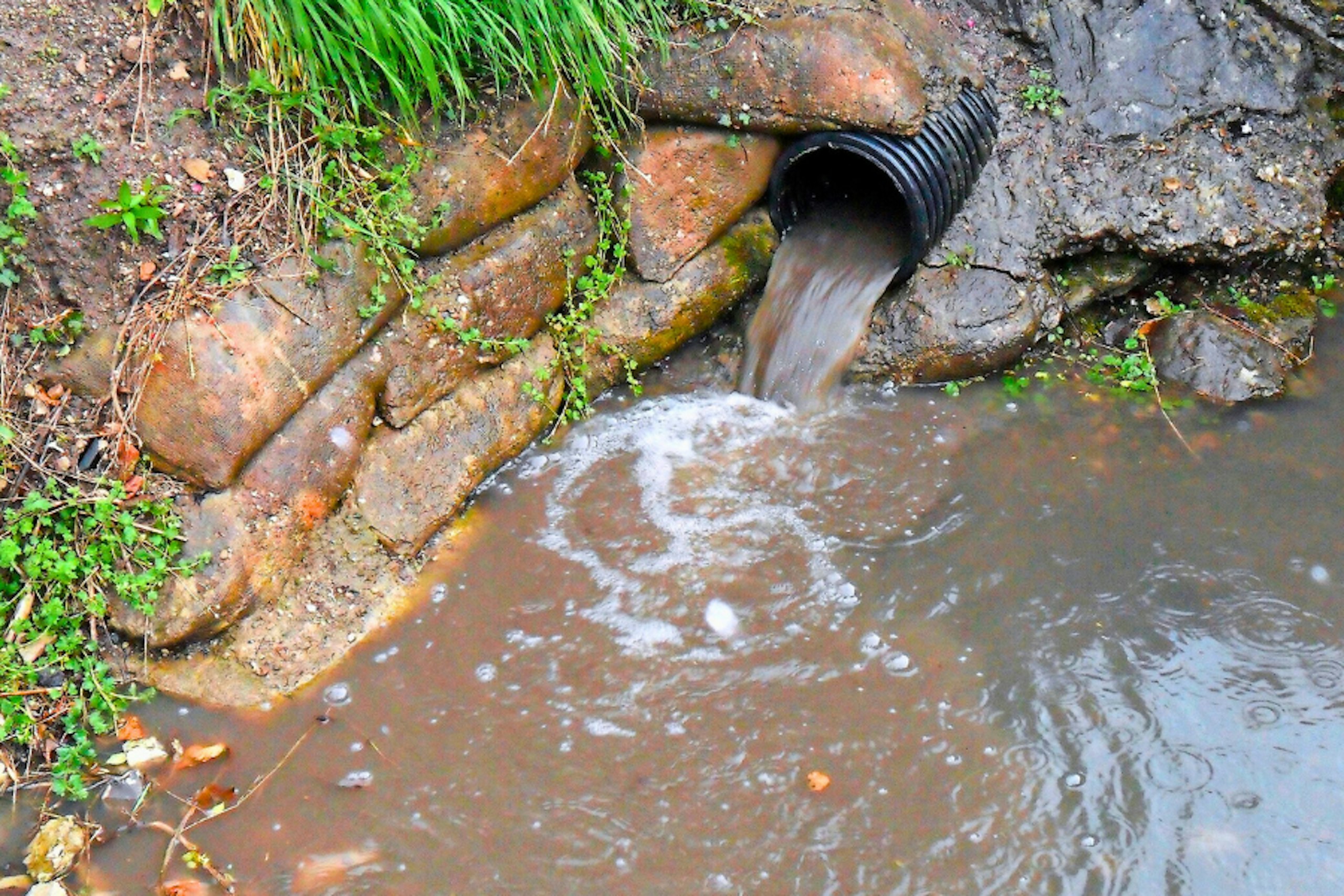
Pollution can be slow and steady and decline can go unnoticed until its too late.
Predation and the credibility problem
Predation is a natural part of any ecosystem, yet sustained imbalance can have serious consequences. On certain waters, particularly those that rely on healthy shoals of silver fish, anglers have watched stock levels and behaviour shift over time, and cormorants have become the focal point of that concern. This is where bank-side experience collides with the standard of proof, because feeling the impact and proving it to the standard required for action are two very different things.
Cormorants are protected by law, and any lethal control sits within a strict licensing framework under Section 16 of the Wildlife and Countryside Act, designed to balance duties to protect wildlife with duties to protect fisheries. In practical terms, licences are only available where serious damage can be evidenced, where non-lethal measures have been tried and shown not to work, and where there is no satisfactory alternative. That is why frustration alone gets nowhere, no matter how widely it is shared online.
This is where angling often undermines itself. The moment the conversation turns into blanket blame or easy slogans, it becomes easier for decision makers to dismiss the whole issue as opinion. If the problem is real, it has to be evidenced properly, with repeatable counts, consistent methods and fishery-level proof that links predation pressure to measurable stock impacts, not just a louder comment section.
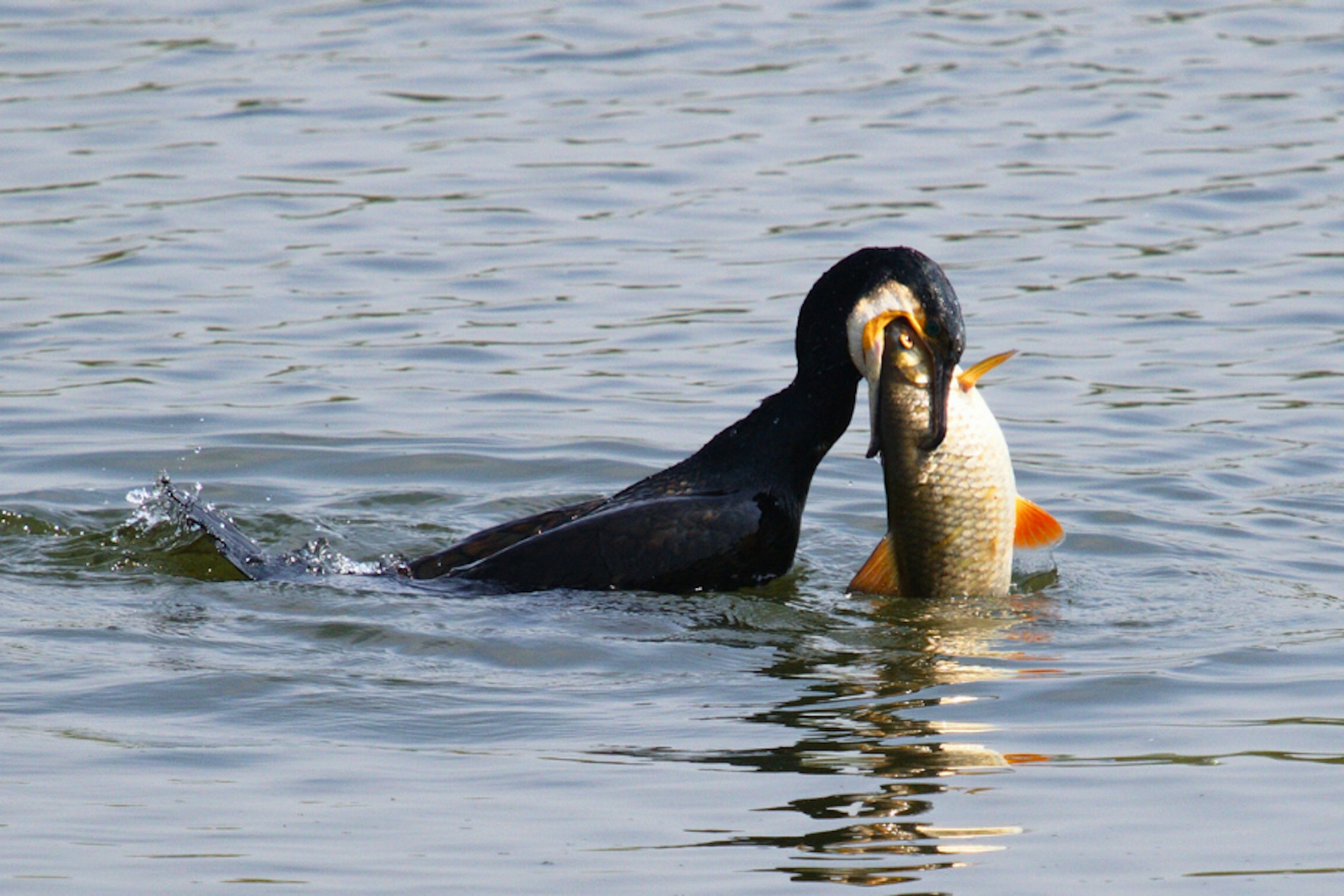
Lethal control of Cormorants sits within a strict licensing framework under Section 16 of the Wildlife and Countryside Act
Illegal fishing, fish theft and enforcement
Illegal fishing is often either exaggerated or dismissed, when the reality sits somewhere in the middle. Most anglers comply, and a lot of incidents are opportunistic rather than organised, but fish theft remains a serious problem, particularly where specimen fish are targeted and moved on for money. When that happens, the damage goes far beyond the price of the fish, because a venue can lose years of careful stock building in a single night, match weights can drop, confidence disappears, and the honest anglers who support the place are the ones who pay for it through higher costs and poorer fishing.
This is also one of those issues where the system only works if anglers feed it information. Enforcement is intelligence-led, and if incidents are not reported and logged, they are effectively invisible in official terms, which is why quick, consistent reporting matters as much as gates, cameras or signage. A clear description, a time, a vehicle, a number plate, and a prompt report will usually do more than a week of angry posts after the fact.
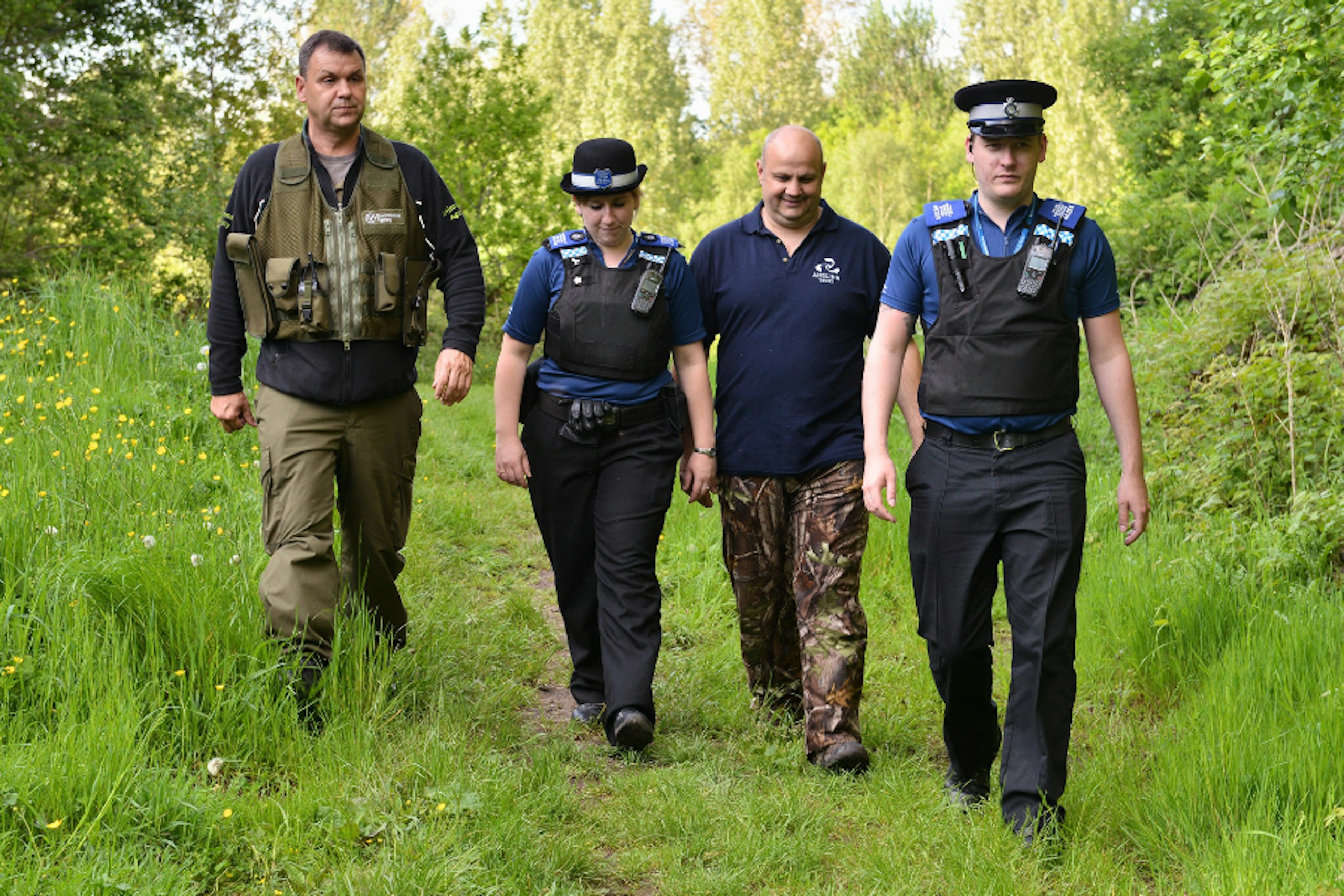
If offences aren't reported and logged they're effectively invisible.
Fishing access and venue closures
Access remains a persistent vulnerability. When councils restrict established fishing areas or redevelopment displaces angling from long-used waters, the impact extends beyond the immediate venue, because remaining fisheries absorb greater pressure, costs can rise, and entry points for newcomers narrow.
Recent disputes have shown that organised advocacy can succeed. The case of Wingerworth Lido in North East Derbyshire, where local pressure contributed to fishing being restored under Clay Cross Angling Association, shows that coordinated and credible engagement can influence outcomes, even if success rarely arrives quickly. The lesson is that anglers tend to get further when they turn up early, stay organised, and put forward a clear, practical plan for stewardship rather than simply arguing against change.

Wingerworth Lido in Derbyshire was closed to angling to create a 'biodiversity hub' local pressure prevailed and angling has been restored.
Broadening angling’s base
Participation is up, but representation still lags behind what you see in wider outdoor sport, and it matters because it affects how seriously angling is taken when access, funding and policy decisions are on the table. Angling is still predominantly male in a lot of settings, even if that is starting to shift. The Angling Trust’s Get Fishing campaign says it introduces fishing to over 43,000 people a year, with 20 per cent of participants female, which works out at around 8,600 women and girls being brought into the sport each year.
The opportunity now is turning that first go into a normal presence on the bank, not a special case. That comes down to the basics: a welcome that feels genuine, venues and clubs that are easy to navigate, and a tone online that does not make newcomers feel like they are walking into an argument. If more women and girls can see themselves in angling, and keep seeing themselves in it, the sport ends up with a broader base, a healthier culture, and a stronger voice when it needs one.
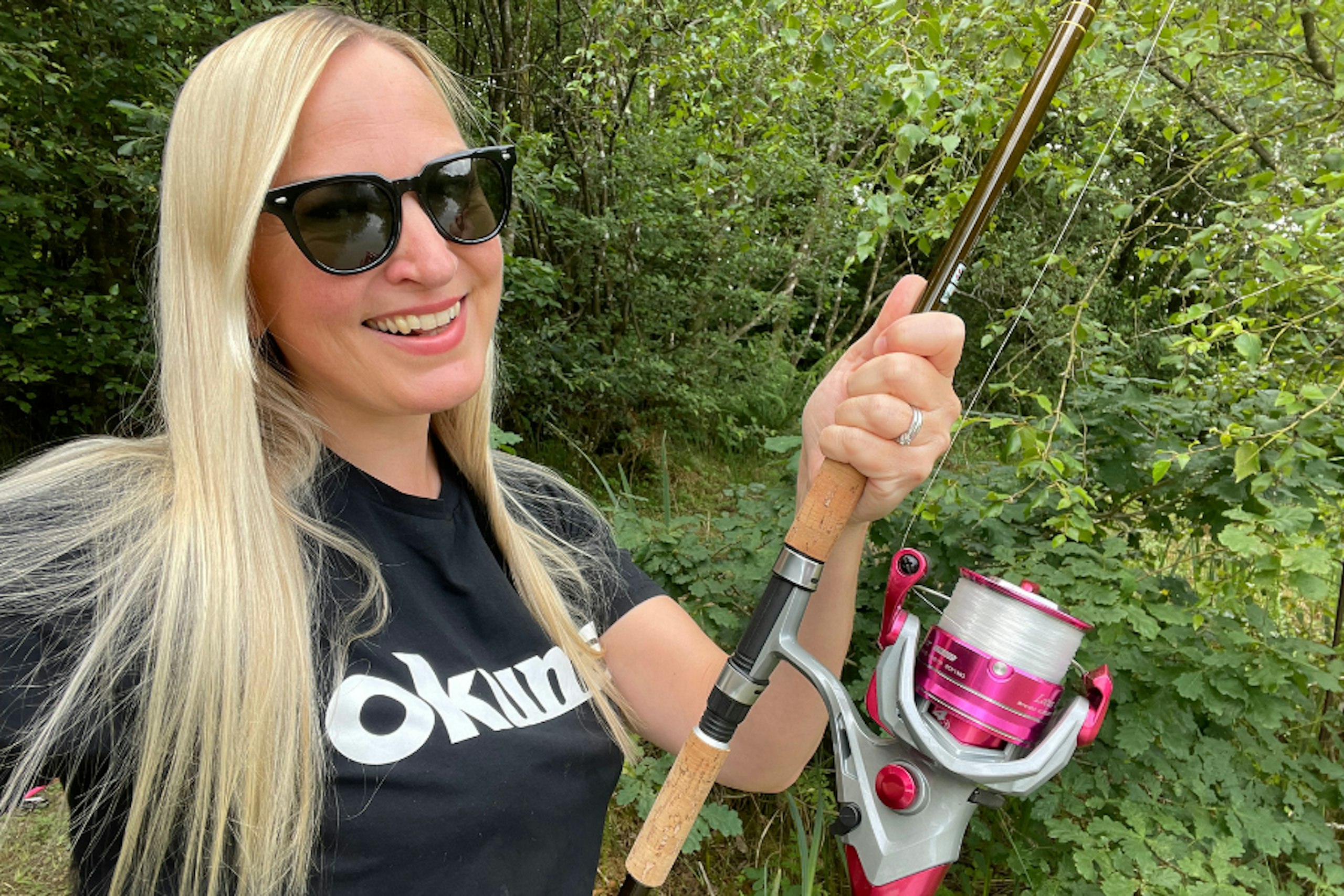
Zenia Drury-Gregorek is a huge driving force behind getting women and children in to fishing.
Biosecurity, fish disease and invasive species
Biosecurity should form part of everyday angling practice. Diseases such as Koi Herpes Virus (KHV) and parasites like Gyrodactylus salaris pose significant risks if transferred between waters, while invasive species, including signal crayfish and problematic aquatic plants, further disrupt habitats and alter ecosystems once established.
Prevention remains far more effective than cure. Routine measures such as thoroughly cleaning and drying equipment are simple, but they represent a collective responsibility, especially in a sport where nets, mats, slings and keepnets move between venues week after week. Standards demanded from regulators must be matched by standards applied by anglers themselves.
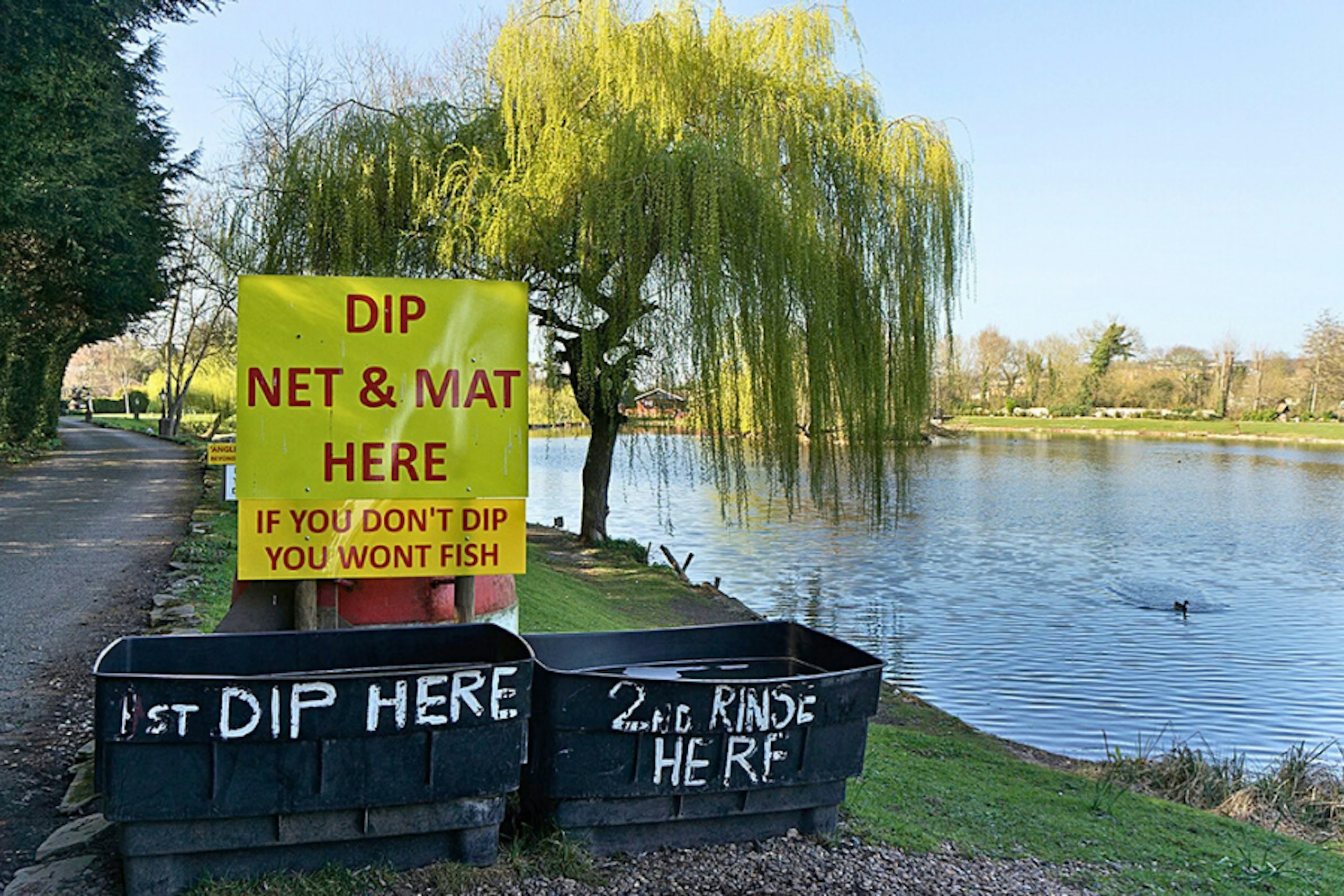
Bio-security is key to ensure the health of fisheries and the spread of viruses, parasites and invasive species.
Where angling goes next
Anglers do not win arguments by being loud. They win them when they can show their working. Each issue, from recruitment through to predation and access, can be addressed more effectively when approached with consistency and evidence rather than reaction, because passion will always be part of the sport, yet long-term security depends on organisation and the ability to present robust, defensible arguments when it matters most.
The decisions that shape angling are made in council chambers, boardrooms and licensing offices as much as they are made on the bank, and those rooms run on evidence. If we want cleaner water, better access, and lawful management where it is genuinely needed, we have to show up early, keep records and make arguments that stand up outside of angling.
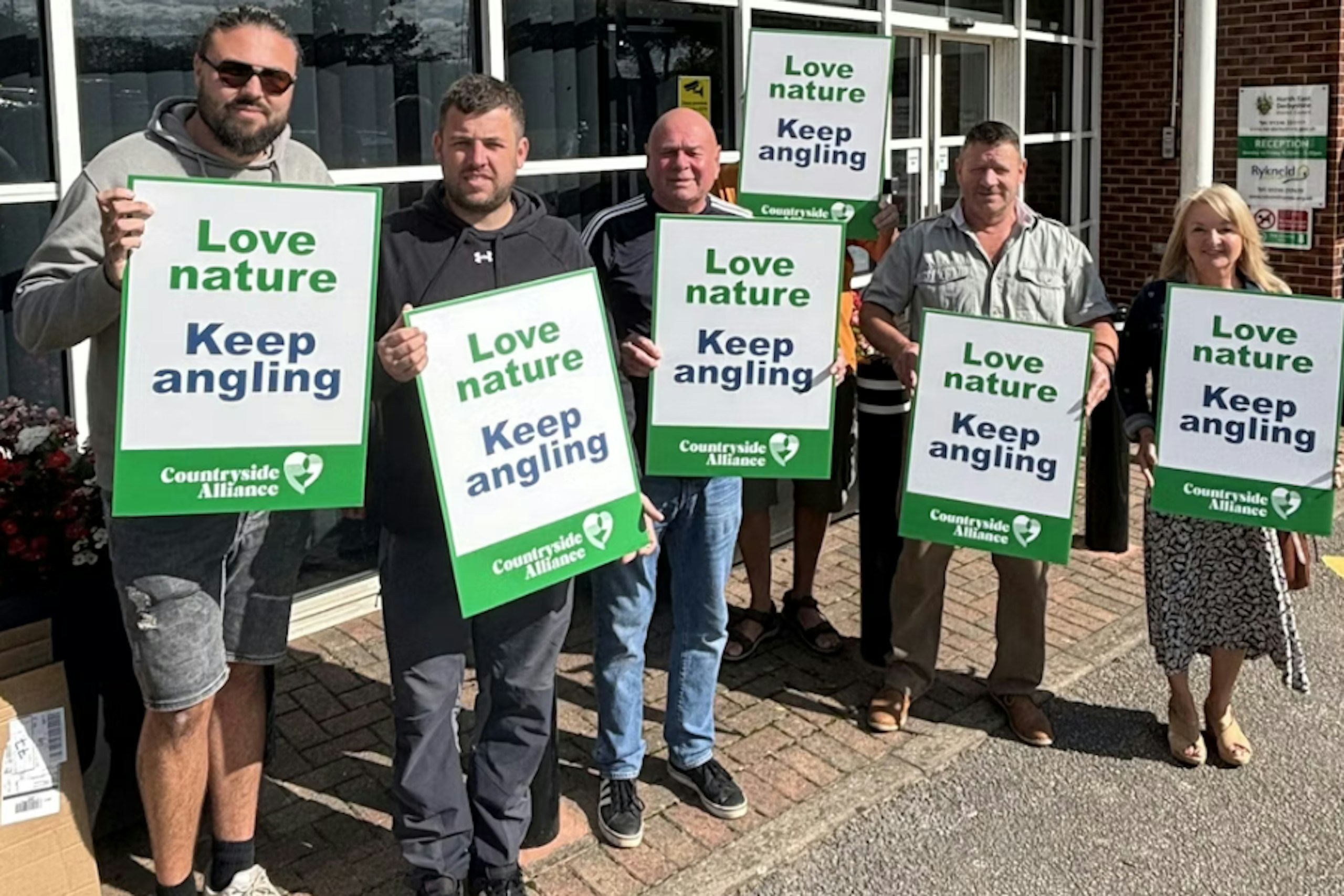
In order to be heard anglers need present defensible arguments.
Just so you know, we may receive a commission or other compensation from the links on this website - read why you should trust us