- Home|
- News|
- News Stories
Cormorants and the law | Why evidence matters
Jonathan Longden breaks down the two Acts that shape cormorant control in England and explains why consistent data is what turns bankside frustration into a case that stands up to scrutiny.
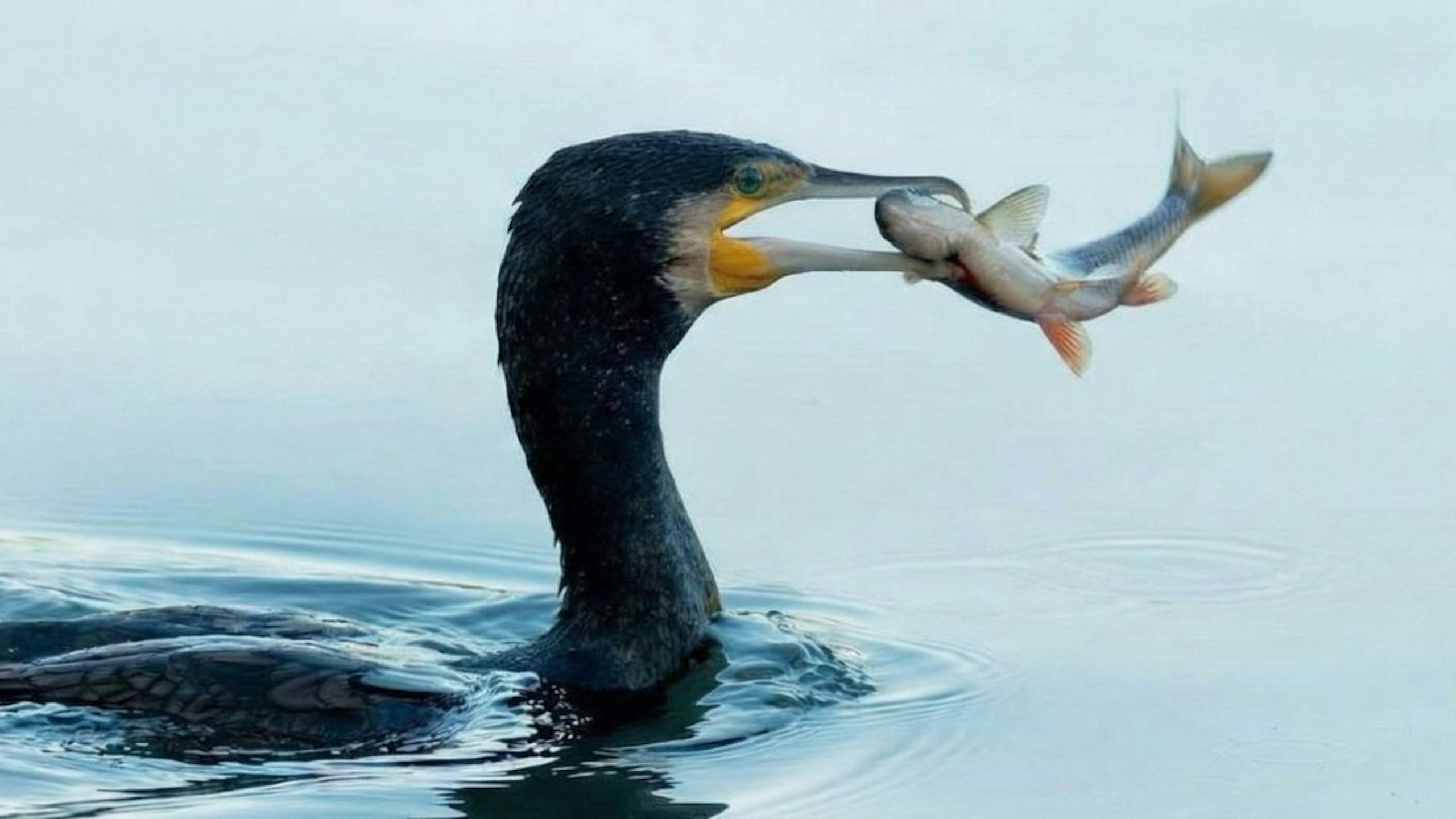
@Hydroscape-Group
by Jonathan Longden |
Published on2nd March 2026 at 2.34pm
Follow Angling Times on Google
As anglers, it is easy to feel like the law has a blind spot. You see scars on tench, thinning shoals of silverfish, and the steady patrol of cormorants across favoured pegs. It can look like the system protects birds and forgets fish.
The reality is tougher and more nuanced. What we witness on the bank is not a legal contradiction. It is the product of two pieces of legislation built to protect different parts of the same ecosystem, running side by side. In my opinion the route to action sits between them, and success or failure depends on evidence.
The Salmon and Freshwater Fisheries Act: protecting fish
The Salmon and Freshwater Fisheries Act of 1975 gives regulators and enforcement bodies such as the Environment Agency or National Resources Wales the power to prosecute illegal fishing, pollution offences and damage to habitat whilst also setting out the duties required to safeguard fish stocks in the long term. What it doesn’t do is give anyone an automatic right to remove predators. If you want to control predators such as wild birds, the legal route sits elsewhere.
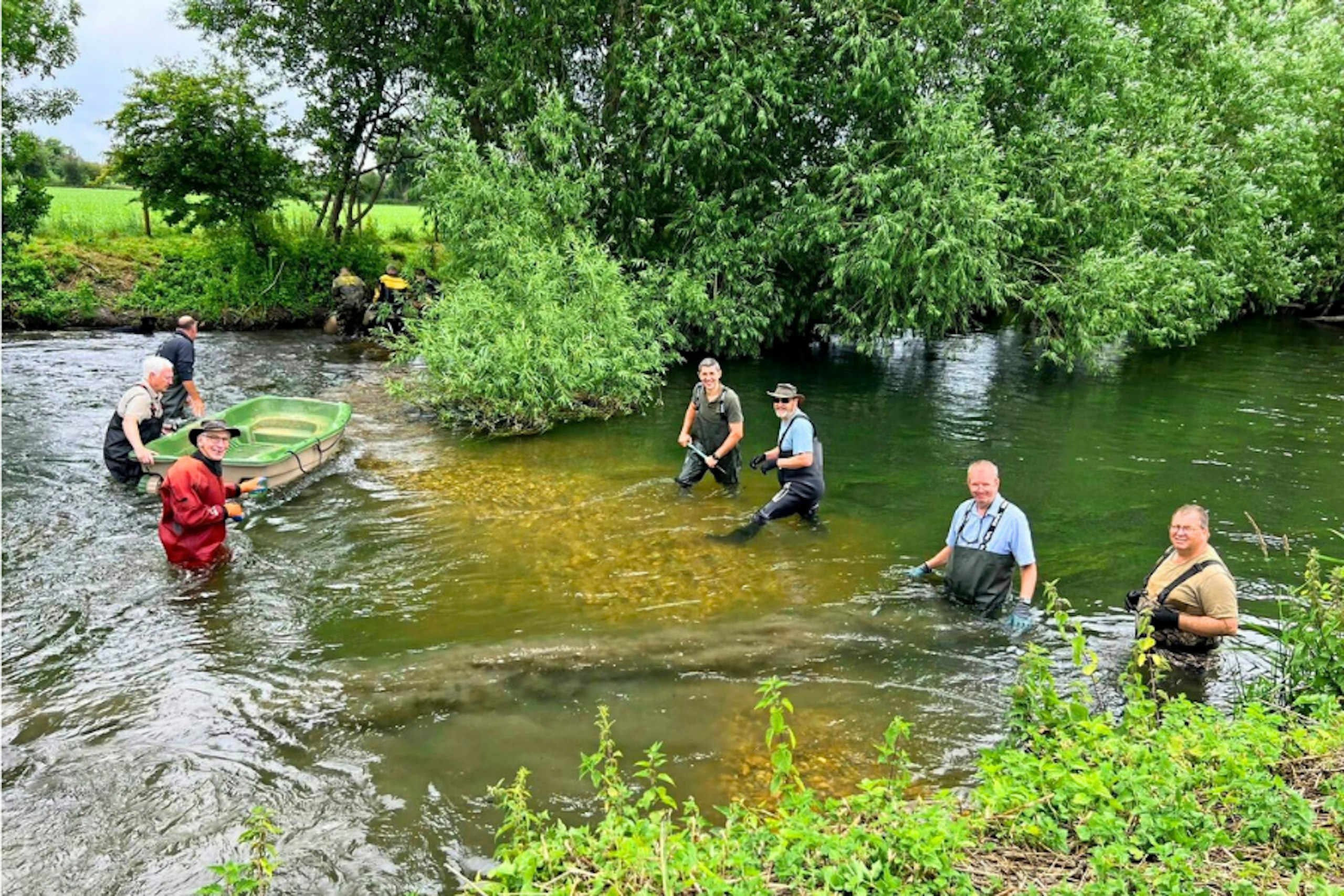
The Salmon and Freshwater Fisheries Act protect fish and their habitats.
The Wildlife and Countryside Act: protecting birds, including cormorants
The Wildlife and Countryside Act of 1981 brought together with amendments, the Protection of Birds Act and the Conservation of Wild Creatures and Plants Act. The Act states, “killing or injuring a protected wild bird is an offence unless you are operating under a licence or an exemption applies”. The Act also covers nests and eggs, not just adult birds.
Section 16 of this act empowers Natural England to issue licensing for tightly defined purposes, including “preventing serious damage to fisheries”. Those words matter, but so does the condition attached to it. A licence should not be granted if there is another satisfactory solution. In other words, lethal control is legally a last resort.
How the two Acts work in practice
One Act protects fish and their habitats, the other protects birds, endangered species, animals, plants and their habitats. The bridge between them is licensing, and licensing will only be granted if the evidence demonstrates an absolute need for it. It’s not enough to say a water “feels under pressure”. Natural England must be satisfied that serious damage is happening, or is likely to happen, and that non-lethal options have been tried or are genuinely impracticable.
This is why the same conversations go round in circles. Cormorants are piscivorous predators, the legal question is: does their consumption of fish and the damage caused at a specific site continues when every effort for non-lethal action has been taken and documented to be ineffective?
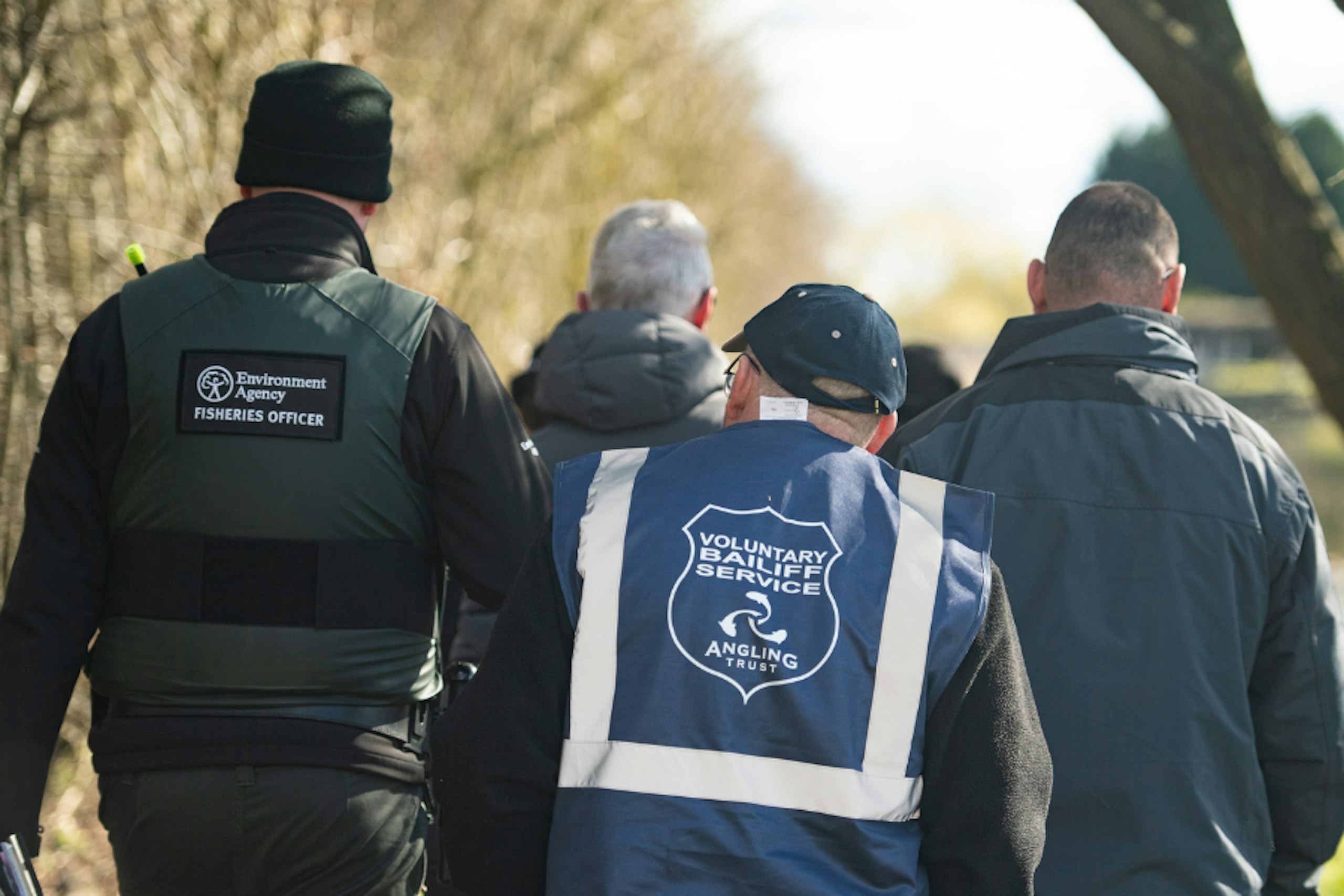
In practice, fisheries protection relies on partnership. Enforcement, licensing and evidence all work together within the same legal framework.
What strong evidence actually looks like
For Natural England, the regulator for issuing licences to shoot cormorants, the most persuasive applications are not the most emotional; they are the most consistent. To be consistent, data demonstrating bird numbers, location and activity is required. Logging behaviour is vital, because a bird passing over a water is not the same as one repeatedly feeding on it.

Fishery owners, managers, bailiffs and clubs. Good records are what turn concern into a licence-ready case.
Why anglers struggle, and what fixes it
Anglers see predation in small windows. Licensing is about trends and patterns. This is where the angling community has historically struggled, but where tools like the Hydroscape-Group’s reporting system can help. By standardising how sightings are recorded, including location, time, bird numbers and observed behaviour, we move from general frustration to site-level evidence that is harder to dismiss.
The Hydroscape-Group’s biodiversity log also widens the picture. It allows users to record more of what is happening around a water body, not just the appearance of one predator. Over time, that broader dataset can add context to local decision-making and gives different communities a reason to contribute, whether that is anglers, birdwatchers or people simply interested in wildlife.
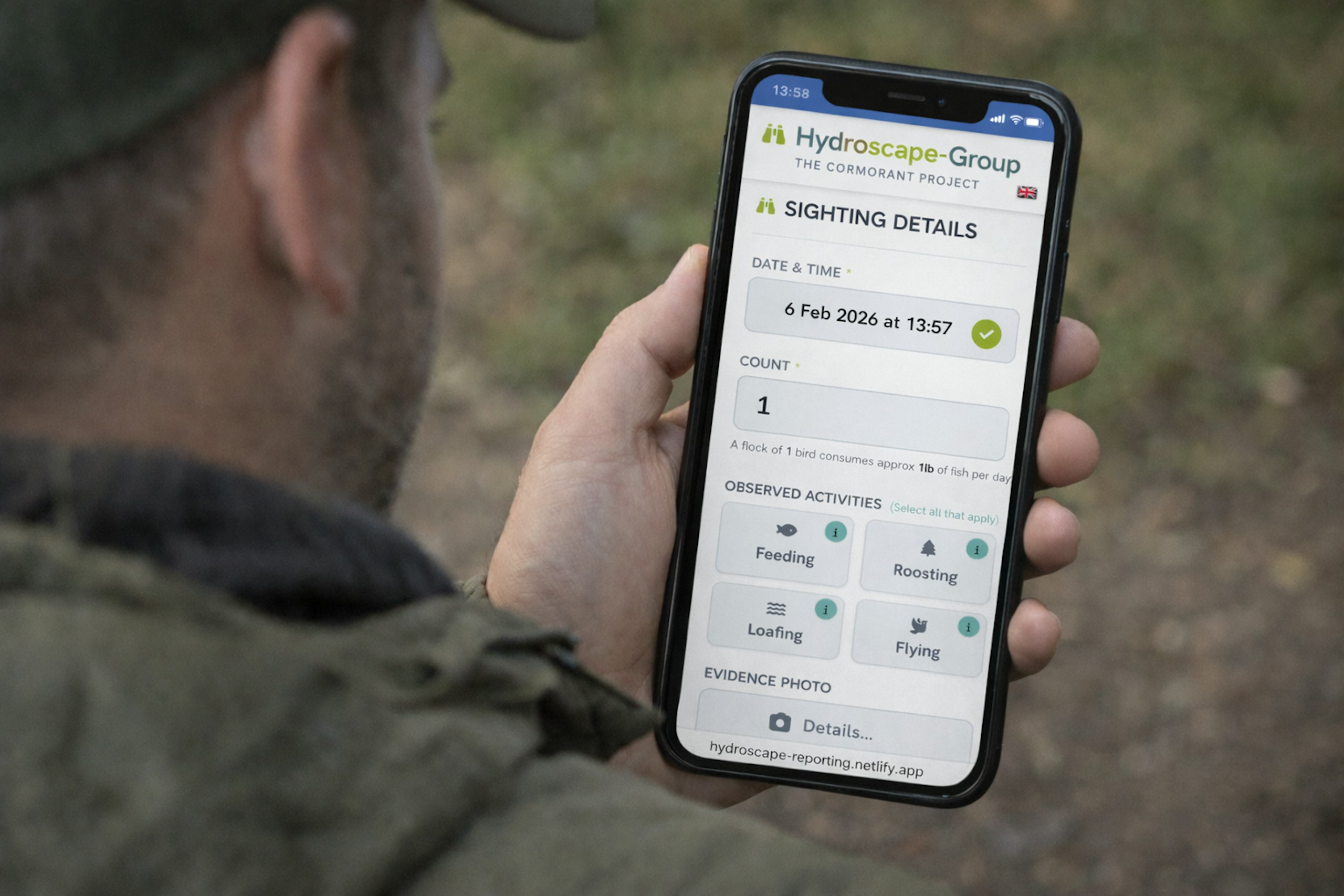
There is a simple app to report cormorant sightings. AI Generated
From frustration to influence
So, the next time you see a cormorant working a shoal of quality roach, don’t just get angry, act. Record what you saw and help build the dataset. That is what turns suspicion into evidence that can withstand scrutiny.
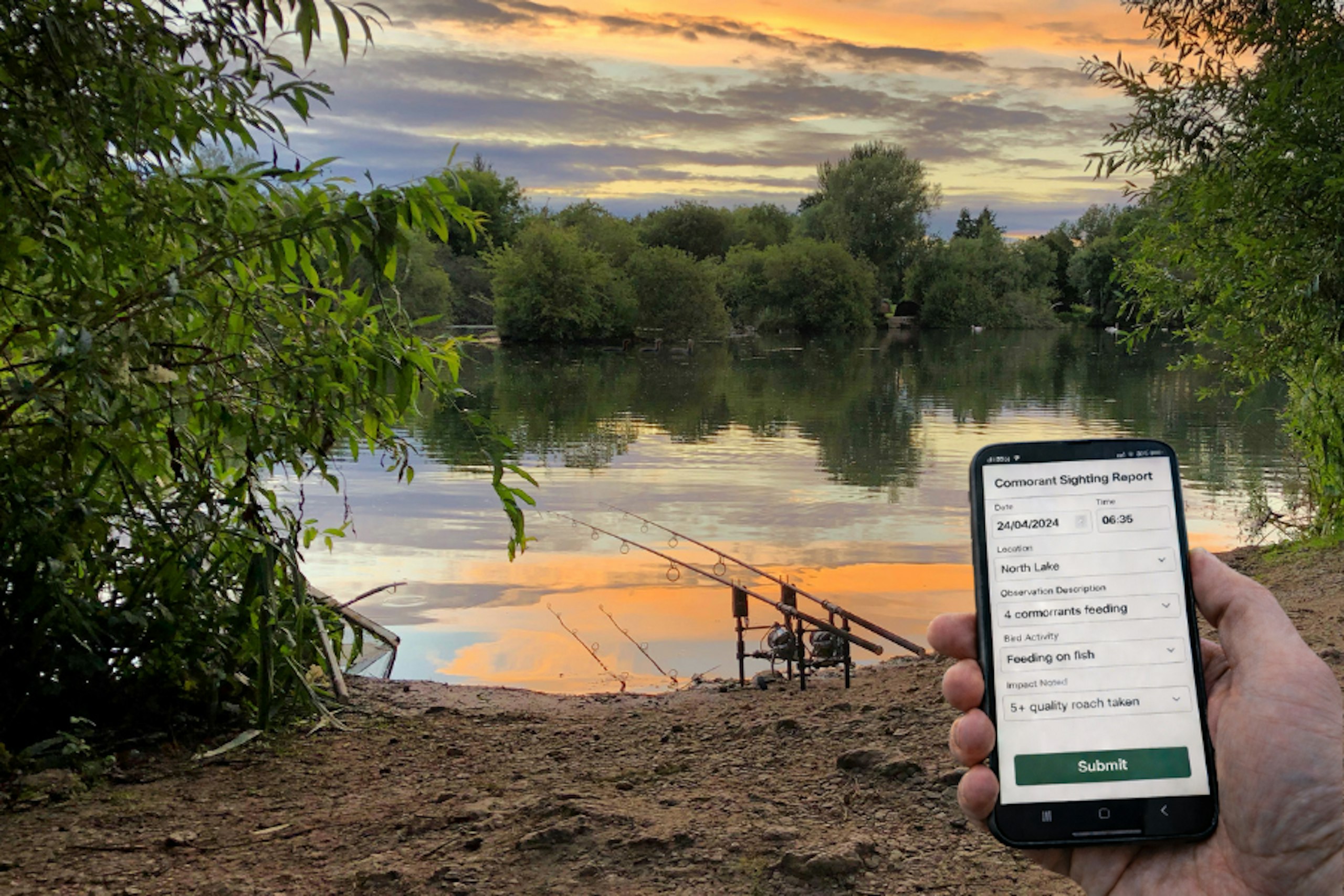
If we don’t log it properly, it stays a story. If we do, it becomes evidence.
Just so you know, we may receive a commission or other compensation from the links on this website - read why you should trust us