- Home|
- News|
- News Stories
Inside the mind of the UK’s top match anglers
by Freddie Sandford |
Published on1st June 2026 at 10.14am
Follow Angling Times on Google
Top sports teams and businesses spend millions every year to develop and coach the mentality of their teams, knowing full well that it’s a significant factor in enhancing performance.
Match fishing has become more ‘professionalised’, but the psychology of angling performance has never been thoroughly studied and understood – until now.
Psychologist and match angler Col Mercer recently partnered with Tom Scholey at Catch More Media to undertake a groundbreaking study into the psychology of elite-level match anglers, during which he sat down with modern-day greats and explored their angling mentalities.
The aim was simple: to find out what distinguishes the very best anglers from the rest. Is it preparation? Decision-making? Or are there other factors at work?
After interviewing Steve Ringer, Jamie Hughes, Andy Bennett, Alan Scotthorne MBE, Lee Kerry and Matt Godfrey, Col gained a unique insight into the minds of these elite matchmen.
This week, he reveals five key findings from the groundbreaking research and shares practical tips you can apply the next time you are on the bank.
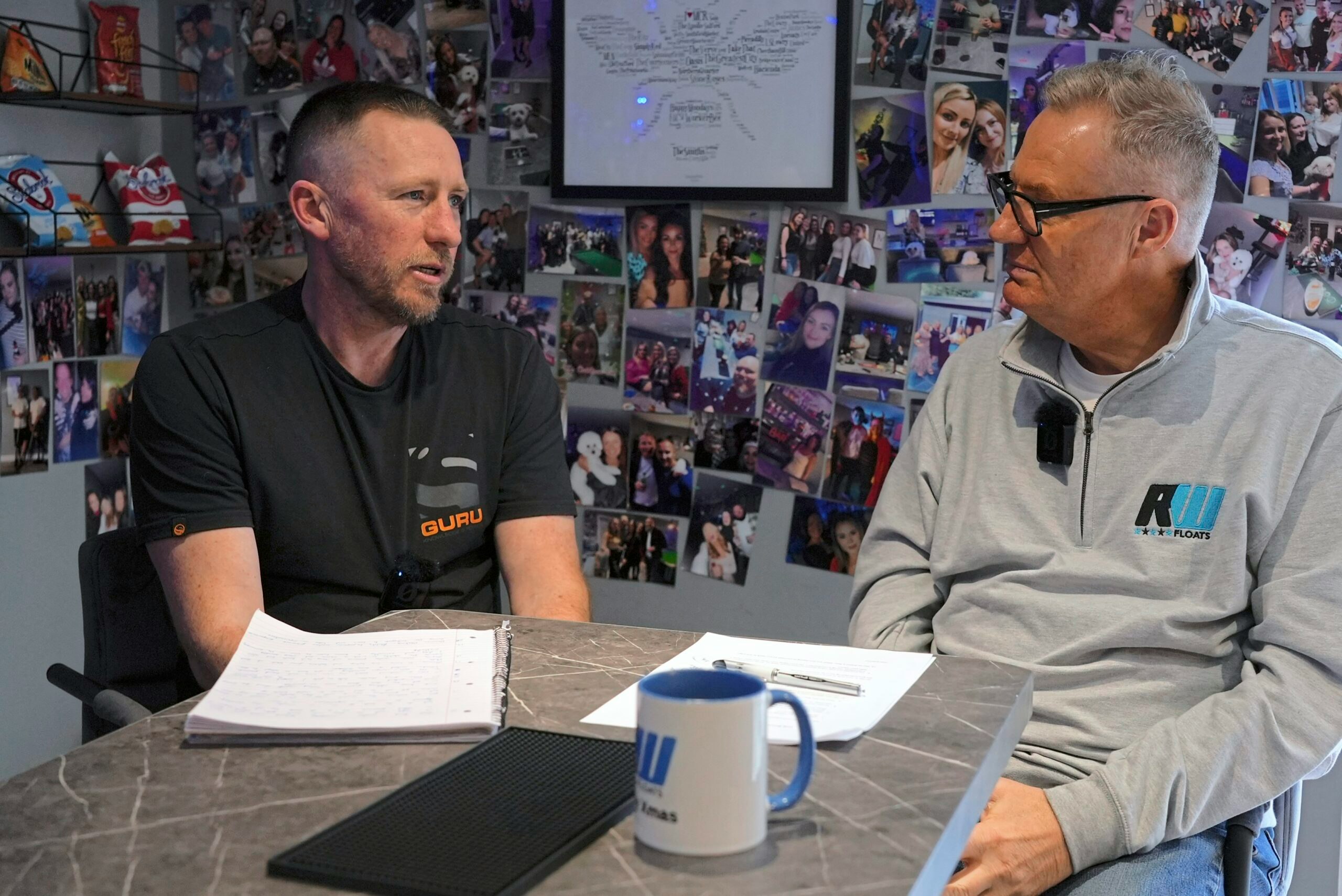
Andy Bennett (left) sitting down with Col Mercer (right)
Post-match analysis
“The best anglers undertake a rigorous review after every outing,” Col revealed.
“They ask themselves: What did I get right, and wrong? What specifically should I do differently next time? They invest time reviewing and looking for patterns. In your own fishing, after a match or session, I’d advise setting aside half-an-hour to reflect on what you learned. Be honest: was that the best you could have done from that peg? Try and identify at least one thing to do differently next time and make notes.”
Awareness and adaptability
“Each angler I interviewed was extremely vigilant concerning any indications of fish movement, along with wind, temperature or any other change in the prevailing conditions. In short, they are observant – highly attuned to the environment.
“So, to implement this in your own fishing, rather than setting up straight away when you get to your peg, take a few minutes to look at the water.
“Observe its colour and indications of activity, note any bankside cover, and think about the amount of space in the peg.
“What is the wind direction and speed, and what is the weather forecast?
“Think about what this means for how you want to fish, and how you need to adapt the plan you came up with last night.”
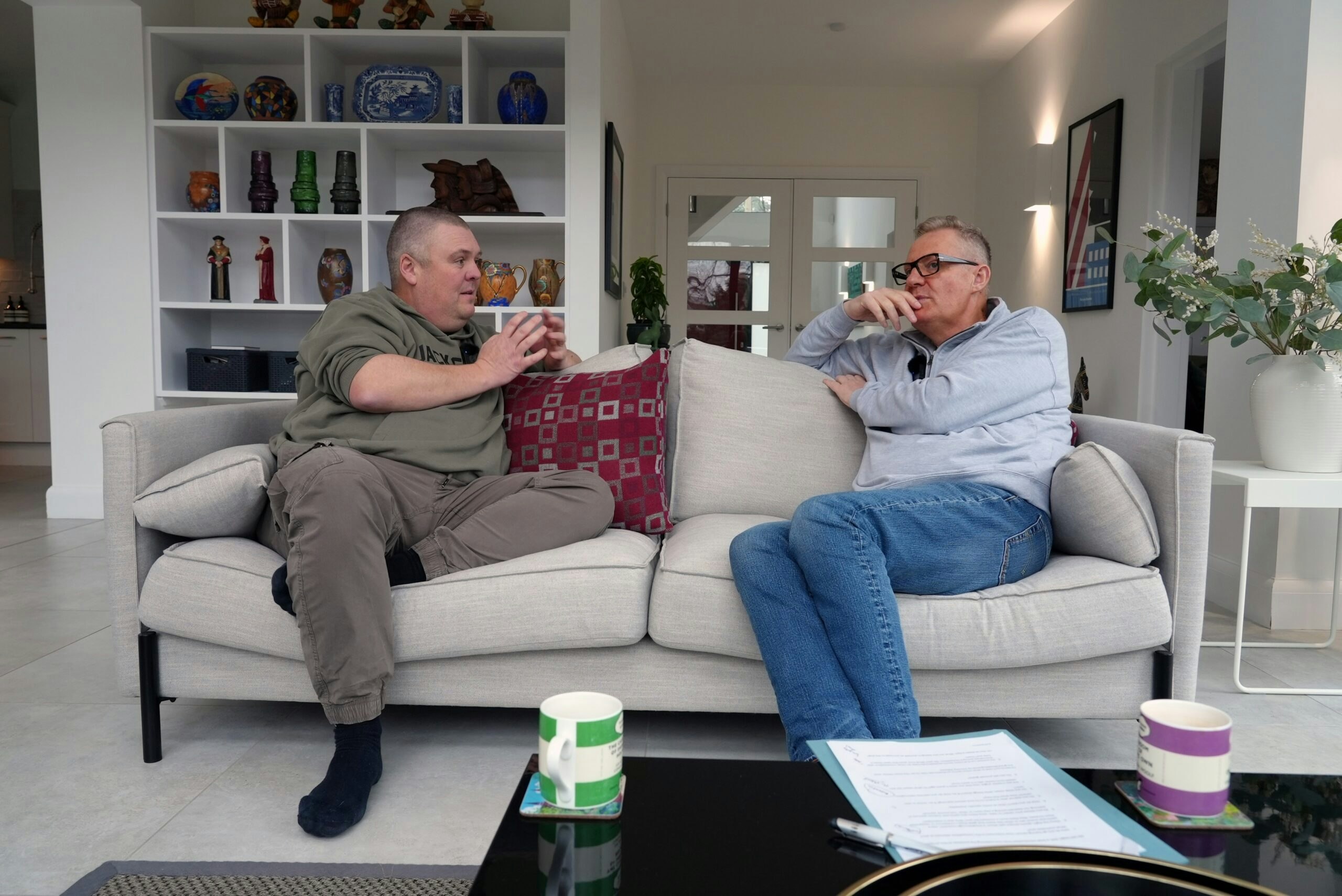
Col also interviewed one of the most successful of all time, Jamie Hughes
Decision-making
“The best anglers experiment, testing and rejecting different theories throughout the day. They are always looking to stack the odds in their favour.
“Timing is a crucial factor in deciding when to fish a certain line.
“I’d advise doing your homework and determining your likely approach, usually with a couple of different options.
“But, once the match has started, observe other anglers to try to understand how the fish are feeding.
“Will the method you are on be able to deliver the target weight now required?
“Adjust accordingly and trust your instincts. As Steve Ringer says, ‘If you think it, do it.’”
Partnership
“It is extremely difficult to get to the top – and stay there – on your own. All the anglers gave examples of how they learned from, and indeed continue to learn from, close angling friends and peers.
“So, I’d advise joining an angling club or match team. Travel together and debrief on the way home. Don’t be afraid to ask questions of the better anglers. Listen carefully. Kick around ideas and options. Try things that work for others.”
Self-belief
“While the anglers all demonstrated a huge appetite for learning, they don’t simply apply this information slavishly. They extract the key points and integrate this into their own way of fishing.
“In your own fishing, give some real thought to how you like to fish. When are you at your best? Which methods are you most confident in? Find out how the angler caught on your peg yesterday – but then target those same fish in your own way. In the end, you must fish your own match.”
Just the beginning
Other important factors that surfaced in the research included dedication and discipline, particularly in relation to ensuring that rigs and feeding are the absolute best they can be.
Top anglers are fully engaged right across the session, watching, thinking, adapting and trying to figure out the ideal approach on that particular day.
Col concluded: “They also emphasise the importance of not getting ‘locked-in’ – you may think you have the place sussed, but it may not work the following day, even on the same peg.”
“Hopefully, we have started to lay out the landscape of what it takes to perform at the very top level in match fishing.
There are some common themes, but also some points of difference across these elite anglers.
We plan further work to deepen our understanding of the winners’ mentality, outlook and ways of thinking.”
For more information on the study, and to watch Col’s interviews with the anglers, visit fishtowin.co.uk
Just so you know, we may receive a commission or other compensation from the links on this website - read why you should trust us