- Home|
- News|
- News Stories
Is angling becoming too negative?
Social media has helped anglers share catches, ideas and results faster than ever, but a small minority can still dominate the mood, on screens and on the bank.
by Jonathan Longden |
Updated on28th January 2026 at 11.44am
Follow Angling Times on Google
Anglers have never been short of opinions, and in a sport where details matter, those opinions can be genuinely constructive. The issue is that, somewhere along the line, honest analysis has started to blur into something less healthy. Critique has become the default tone, and encouragement often gets left behind.
This isn't about lowering standards as fish care, rules, and fair play all matter, but there is a difference between holding people to standards and taking the shine off someone’s moment or achievements.
Social media itself isn’t the enemy. In a lot of ways, it has been brilliant for fishing, letting us share a session in real time, celebrate a result, ask a question, share ideas, and learn faster than we ever could, where before, the only option was trial and error or hoping you’d bump into the right person on the bank. It connects anglers who would never have crossed paths otherwise, which is a big part of why the sport feels so alive right now.
But the tone matters, because what feels like “just a comment” to one person can land very differently on someone else. David Lyons, the angling coach behind Tackling Minds, sees that first-hand.
“For many of the people we work with, fishing isn’t just about catching fish, it’s about feeling safe enough to show up,” he told me.
“A welcoming, non-judgemental atmosphere is often the difference between someone giving it a go or walking away before they’ve even started.”
Richard Chapman, the content creator behind Winning Ways, sees the comment culture up close and thinks part of it is simply when people aren’t fishing as much.
“There definitely seems to be a theme of negativity at the moment, and a lot of it seems to coincide with the colder weather when people can’t actually get out on the bank, so they’re at home bored on social media.”
The problem is that a small minority can still dominate the mood. Most comments are harmless, plenty are helpful, and a lot are genuinely positive, but it is the negative ones that stick. Chapman also makes the point that the damage is rarely about number of negative comments, it’s about what stays in your head. “You can get 100 positive comments and one negative, and you will only remember the negative one.”
The pleasant and supportive replies often get skimmed past and forgotten, while the nasty ones linger.
CHECK OUT 10 OF THE BEST UK FISHING APPS TO IMPROVE YOUR FISHING.
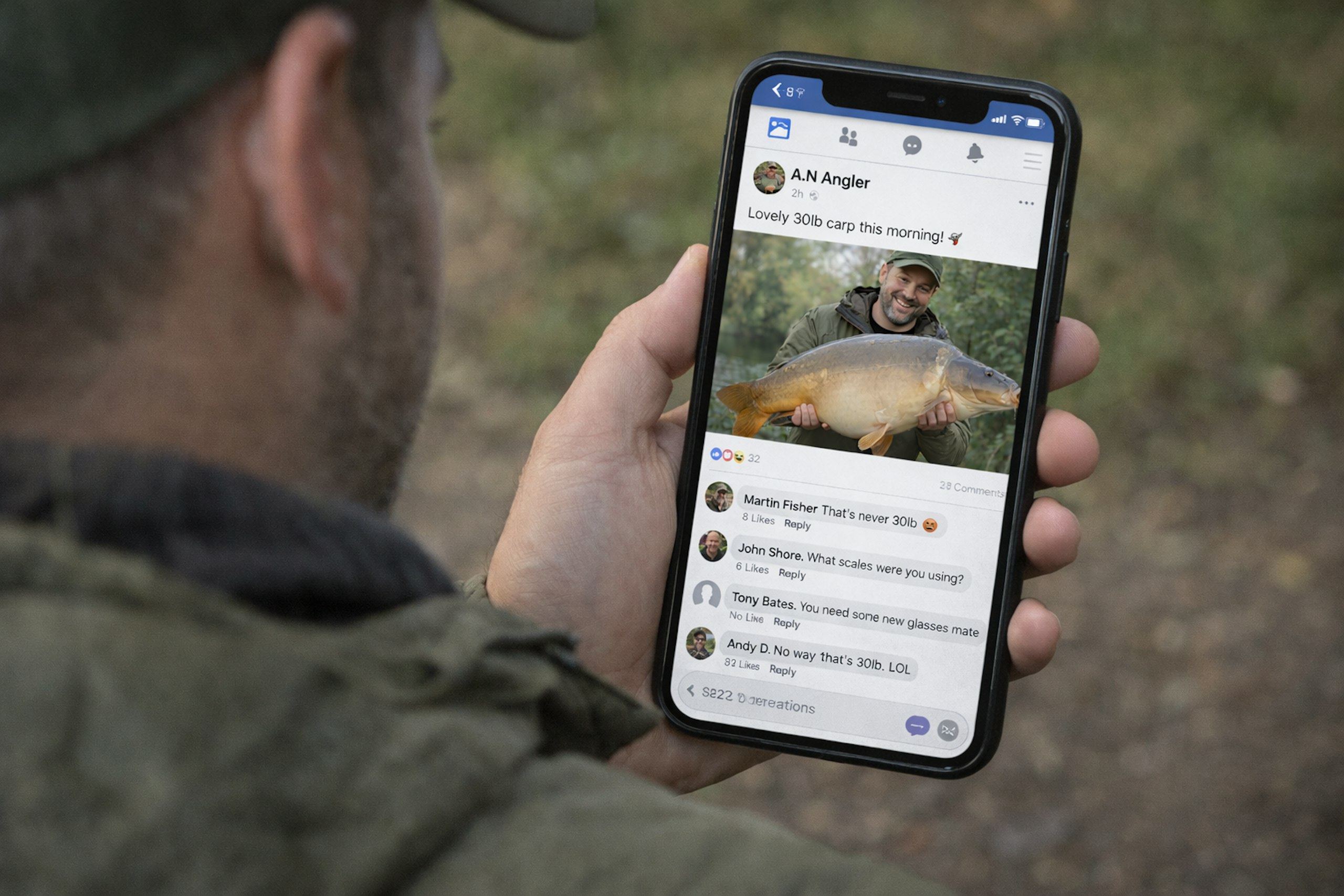
Scepticism can often be interpreted as accusations. AI generated.
“Well drawn” rather than “well done”
If you win a match, you would think the natural response would be “well done” or “well fished”, instead, match fishing often reaches for “well drawn”. It is usually said casually, sometimes with a smile, and the person saying it might not mean any harm, but it lands as a backhanded put-down. in fact, it’s become so normal we barely notice what we are implying that it wasn’t skill, it was the peg.
Everyone knows the draw can matter, and of course on some venues it matters more than others, but so does decision-making, feeding, timing, and the ability to adjust when the conditions change. Plenty of anglers draw a good peg and still make a mess of it, so to reduce a result to luck is to ignore the very things we claim to respect about competitive angling.
It also misses something important. Not every win is “just another win”. For the angler receiving that comment, it could be their first match win, their first section, or simply the best they have ever fished. When the first reaction is to downplay it, you set a tone that tells people to keep their pride to themselves.
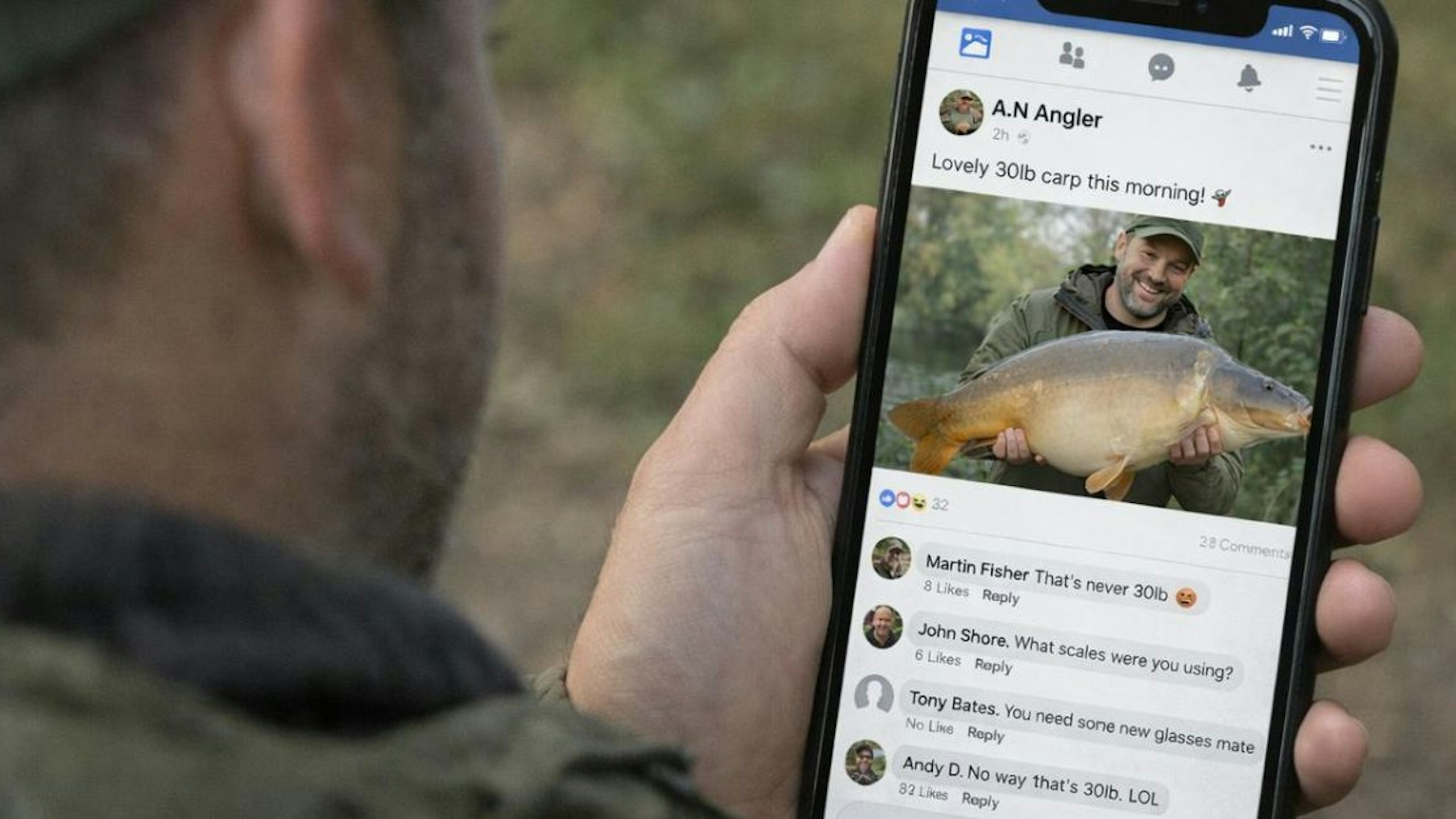
You see the same pattern in carp fishing, just in a different form. An angler breaks a milestone, posts a picture and a weight, and the comments go straight to disbelief. “That’s never been 30!” “What scales did you use?” “High 20 at best.” It is framed as scepticism, but it often reads like an accusation.
Of course, weights should be honest, and nobody is arguing that made-up weights are good for the sport, but most of the time it is a personal moment being shared, not a formal weigh-in. When the first instinct is to challenge, interrogate and diminish, it teaches people that sharing achievements comes with a penalty. Over time, that shapes what the sport feels like from the outside, even if most anglers are decent.
WANT TO GET STARTED IN MATCH FISHING? THIS ARTICLE WILL HELP.
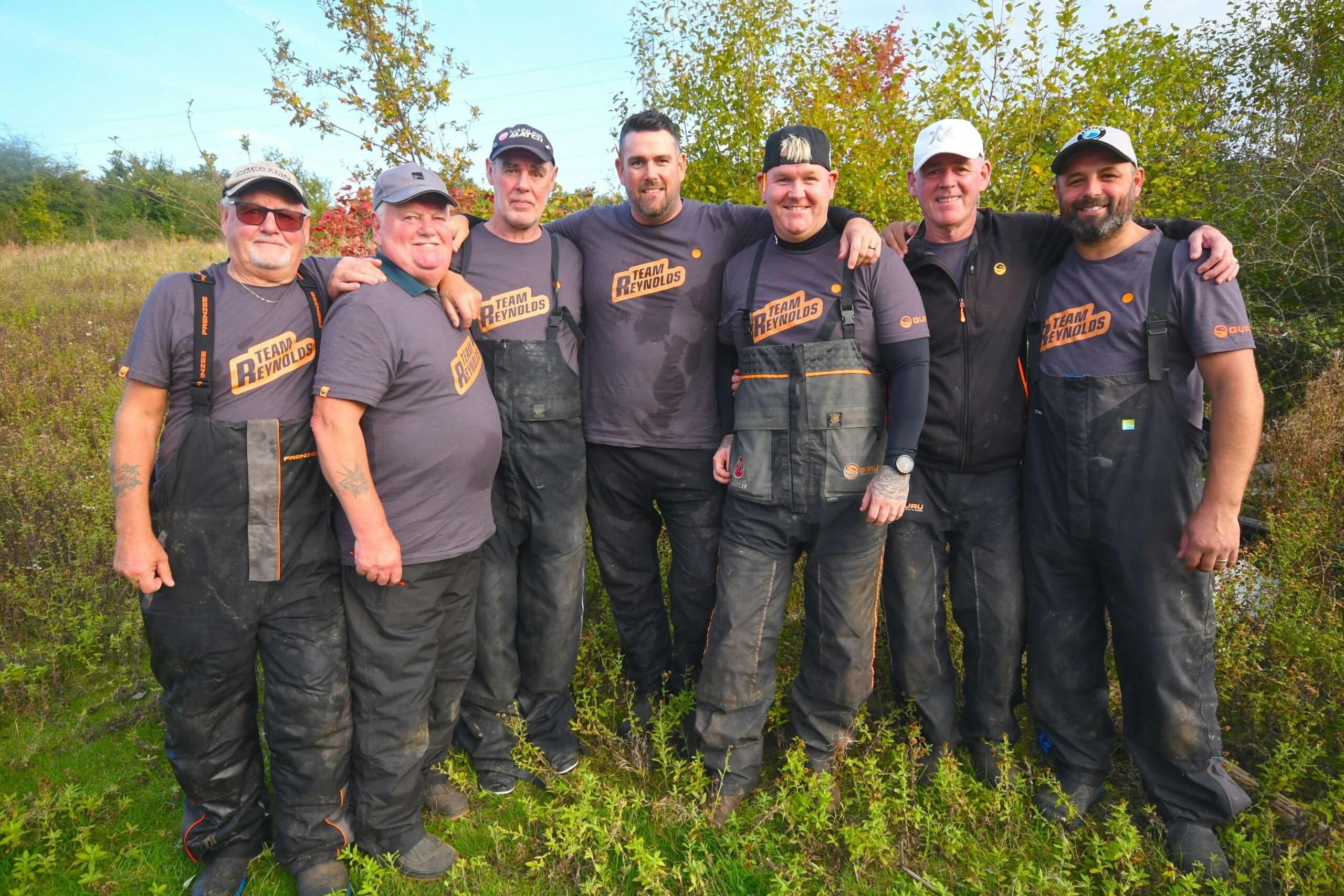
When different styles share the same water
On the bank, a lot of the tension comes from different styles of angling trying to share the same water. Match anglers often want plenty of room and minimal outside influence so they can get the best out of a peg in a short window, keeping pressure down and managing fish across their lines. That can clash with carp anglers who are happy to dominate an area with heavy baiting, settle in, and wait for one or two bites. Neither approach is wrong, but they are complete opposites in approach and techniques, and that contrast is where friction starts.
Pleasure anglers can feel put out by both. They might just want a quiet day and a couple of bites, yet end up feeling dismissed, pushed out of favoured areas, or treated like they are in the way. When those styles collide, it leads to arguments over pegs, methods, disturbance, and who has the right to fish where. Even if it isn’t constant, a tense atmosphere is only tolerable for so long before some anglers decide it simply isn’t worth the hassle and stop bothering altogether.
This matters because fisheries are the shop window for the sport. If the bank feels tense and judgemental, it does not matter how good the fishing is, people will choose the easier option and step away.
IN OUR WHERE TO FISH GUIDE WE LIST THE BEST CARP DAY TICKET WATERS.
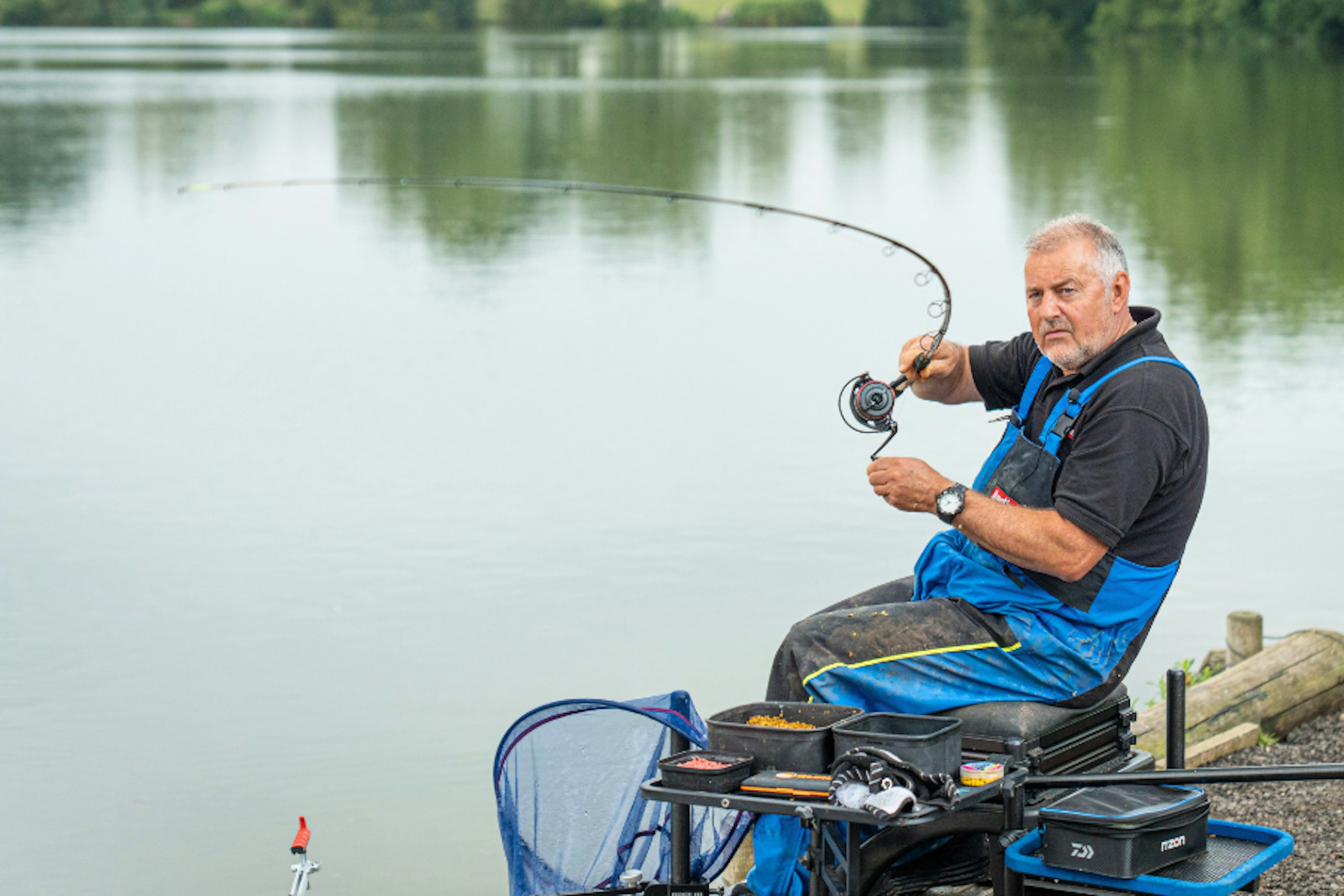
As long as you enjoy your fishing, it shouldn't matter what anyone else is doing!
Before social media, we learned by trial and error
Before YouTube, TikTok, Instagram and Facebook, most anglers learned the hard way and unless you had someone to show you the ropes, it was trial and error. You figured things out by making mistakes, having lightbulb moments, and gradually building confidence.
I’ve seen it all over the years in retail and fishery management, including one customer who was buying feeders hand over fist. In the end curiosity got the better of me and I asked where he was fishing to be losing so many. It turned out he wasn’t even attaching them to the rig, but instead, was filling them with bait and lobbing them in, because he genuinely thought that was how you used a feeder.
It’s funny, of course, but it also proves the point. He had no previous experience, and he just presumed that was the method. The important bit is what happened next as rather than laughing at him or making him feel stupid, I explained how it actually works and he went on to become a really capable angler.
Today, that exact moment could easily become a viral clip or a meme. The comments section would have been full of people taking the mick, and the sad part is that instead of being corrected and encouraged, that angler might have been so embarrassed they’d have packed it in completely.
That is what we risk losing when the first response to a basic mistake is mockery. Most people aren’t doing things wrong because they don’t care. They are doing it because nobody has shown them any different.
THIS BEGINNERS GUIDE WILL HELP YOU START FEEDER FISHING.
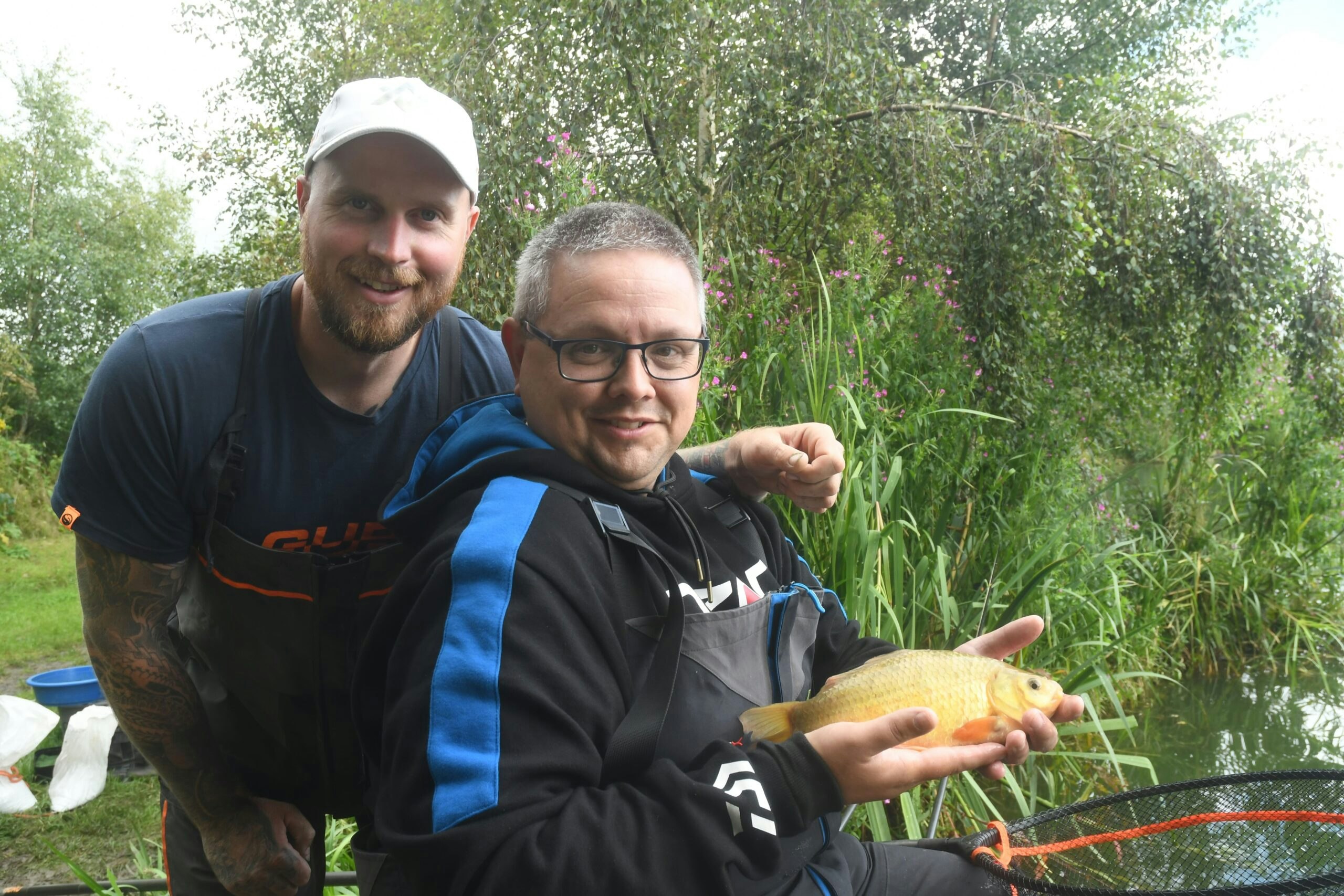
Why not help other anglers rather than put them down?
The problem nobody notices until it’s too late
The obvious incidents get all the attention. Arguments, confrontations, the nasty comments are promoted online and what often goes unnoticed is what happens afterwards. People stop posting, asking questions, stop turning up to opens, or they drift away from the sport entirely. They don’t make a big announcement about it; they just quietly remove themselves from the hassle and the criticism.
I have seen it with both experienced and inexperienced anglers. The beginners who decide it is not worth the grief. The seasoned lads who cannot be bothered with the constant judgement. The ones who used to share sessions and now keep everything private because it is easier.
If we are serious about angling being welcoming, retention matters as much as recruitment. Getting someone to pick up a rod is one thing. Making them feel comfortable enough to stick around is another.
WHO WILL BUY THE BEST CARP FISHING RODS IF NO ONES GOING FISHING?
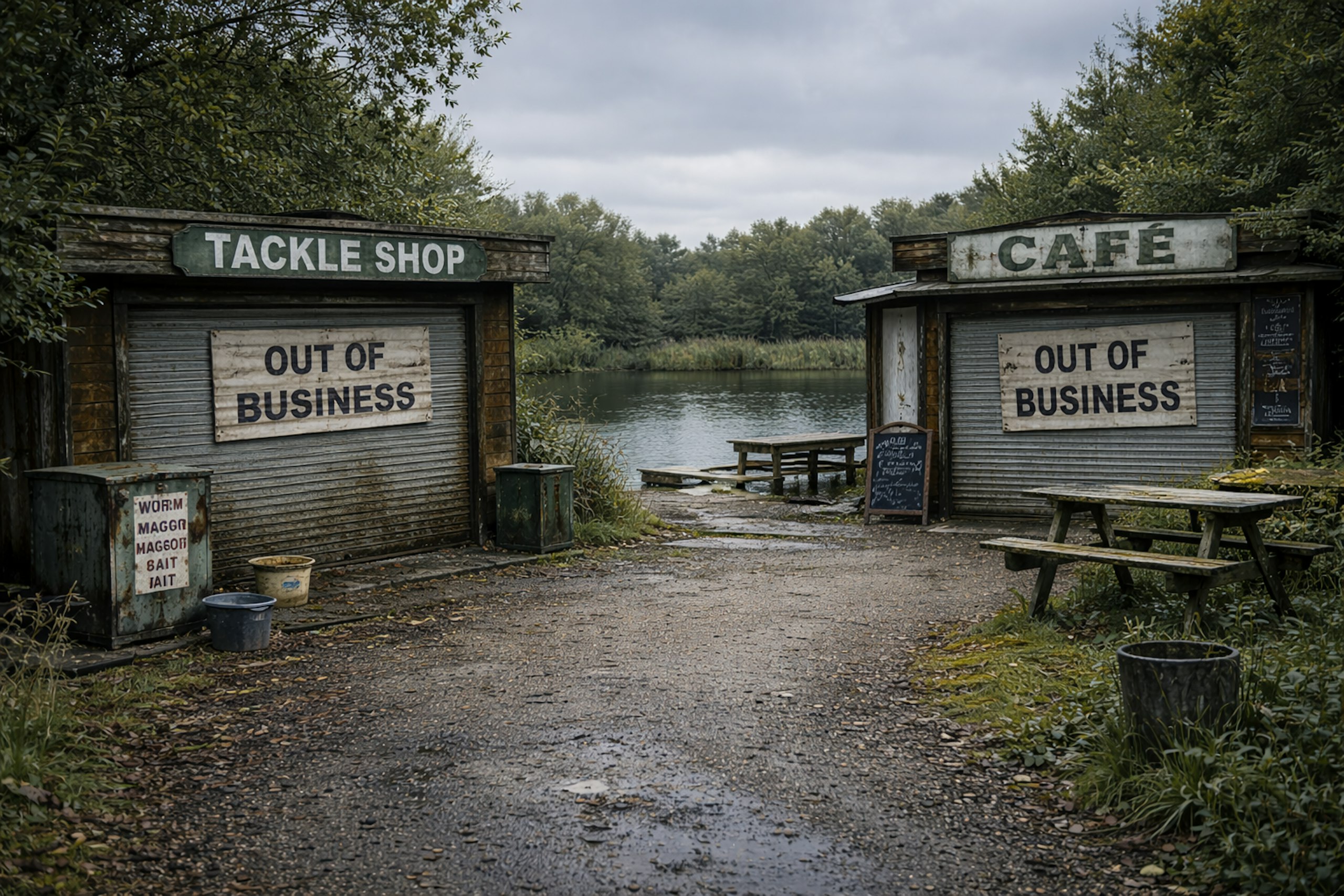
If we can't retain anglers, we don't have a sport or trade. AI generated.
Standards without the spite
None of this is an argument for pretending everything is brilliant. Standards are important and it is right that anglers care about fish welfare, rules and behaviour. The point is about tone, and about the intent.
Chapman puts it simply: “It comes down to wording and tone, especially with younger anglers. Give them some space to make mistakes and don’t try and publicly humiliate them.” Lyons agrees, and frames it in a way any angler can recognise.
“Supportive correction is about education, respect and timing. It’s never about embarrassment or superiority.” he said.
We should congratulate more, because a simple “well done” costs nothing and it matters more than we realise. And when someone does need putting right, do it privately where you can, with the aim of helping them improve rather than embarrassing them in front of an audience. As Lyons puts it, “A simple ‘Can I show you an easier way?’ or ‘Here’s a little tip that might help’ makes all the difference.”
Most anglers aren’t doing things wrong out of malice. They’re learning, they’re excited, or they’re simply proud of a moment they’ve earned. If we assume good intent first, the tone changes immediately. If we keep one thing in mind, it should be this: whether it’s on the bank or online, how we act doesn’t just reflect on us, it shapes how fishing is perceived. For a sport that relies on people wanting to be part of it, that really matters.
FISHING IS A GREAT SPORT IN THIS ARTICLE WE EXPLAIN WHY.
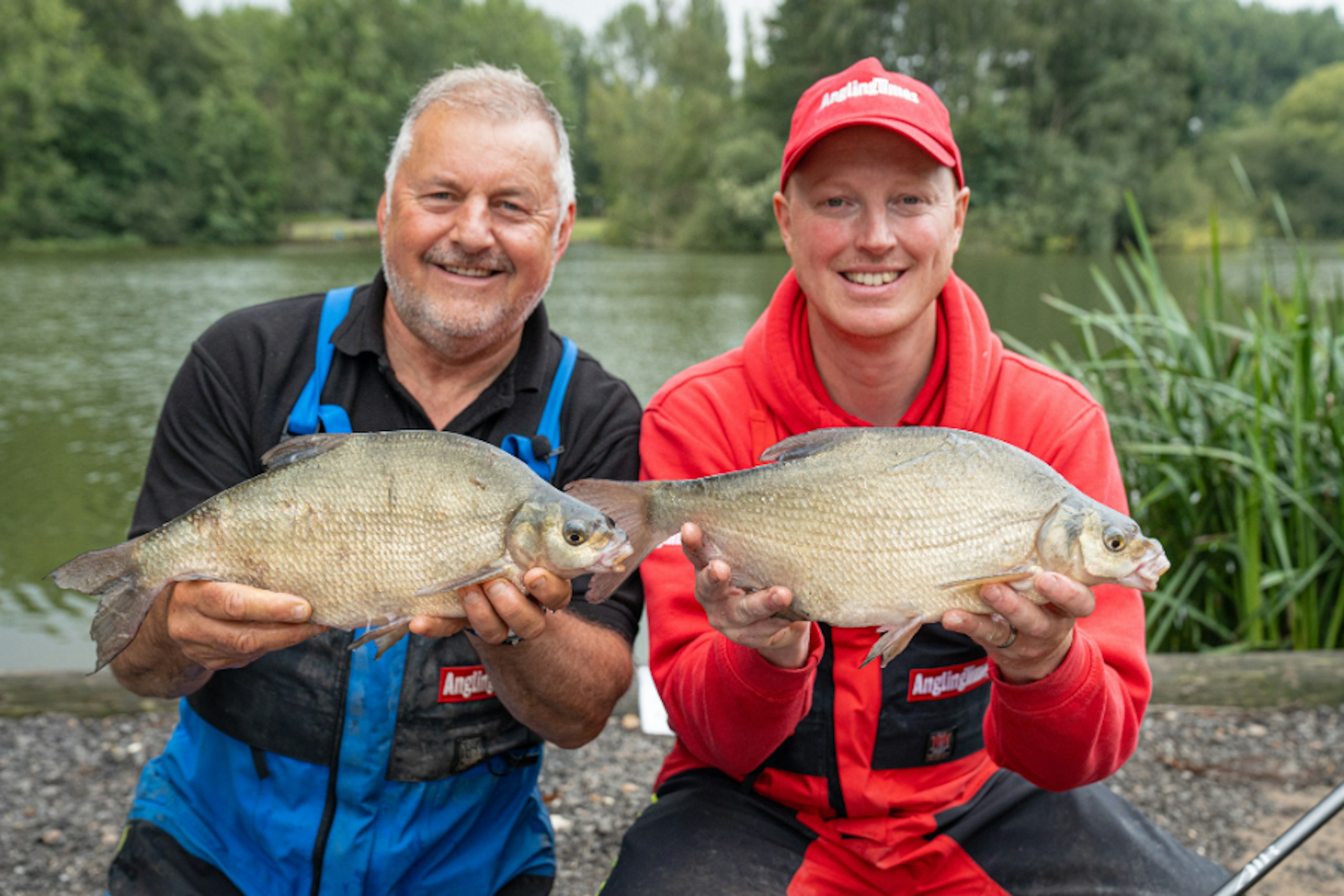
If we can't enjoy our sport, why do we think others will want to partake?
Just so you know, we may receive a commission or other compensation from the links on this website - read why you should trust us