- Home|
- News|
- News Stories
The hidden work funded by your rod licence
These are questions anglers often ask... Why should I buy a rod licence? Where does that money go? How does it actually benefit angling and anglers? Jamie Cook discusses...
by James Furness |
Updated on15th May 2026 at 3.57pm
Follow Angling Times on Google
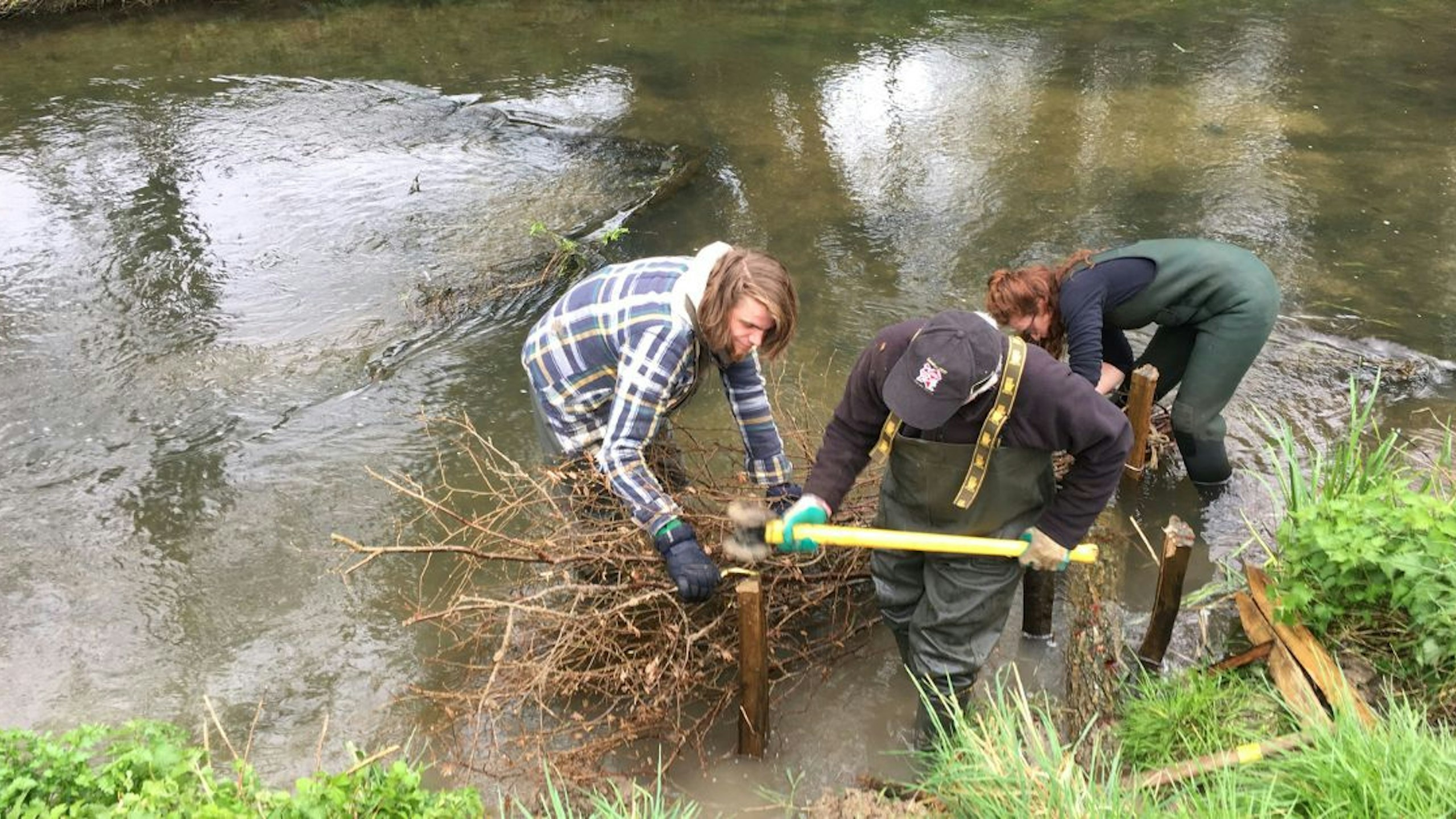
One of the clearest examples of rod licence money being turned directly into results on the bank lies in the work delivered every day through the Angling Trust’s Clubs and Fisheries Support Service.
Thousands of anglers fish waters that are open because someone, somewhere, stepped in to help with advice, machinery, volunteers and a willingness to turn up when a club needs support.
Crucially, that support is free at the point of delivery to clubs and fisheries because it is funded through income generated from rod licence sales.
That funding, delivered back to grassroots support through our partnership with the Environment Agency, provides the hands-on help that keeps fisheries improving and waters fishable.
Last year alone, the team delivered 2,627 interventions supporting clubs and fisheries.
At the same time, Fisheries Management Advisors provided a further 1,317 interventions helping fisheries manage challenges from predators such as cormorants, goosanders, otters and seals.
One of the clearest strengths of the Clubs and Fisheries Support Service is that it meets clubs where the problems are. Sometimes that means helping with invasive species. Sometimes it means advice on fishery management, predation, access, litter, biosecurity or dealing with local agencies.
For many clubs, especially those run entirely by volunteers, that support can make the difference between a problem being overwhelming and a problem becoming manageable. That is why rod licence funding matters. It helps turn national investment back into direct support for the waters anglers actually fish.
One of the most common calls for help involves invasive species. Plants like floating pennywort spread quickly, choking waterways, blocking access and turning fishable waters into weed-filled channels. Unmanaged, they can render a fishery unusable.
That was the situation at Mossops Creek, off the River Lee Navigation, where the water had become heavily overgrown. Tackling the problem required specialist equipment and sustained effort. In total, 80 to 100 tonnes of vegetation were removed and the water became fishable again.
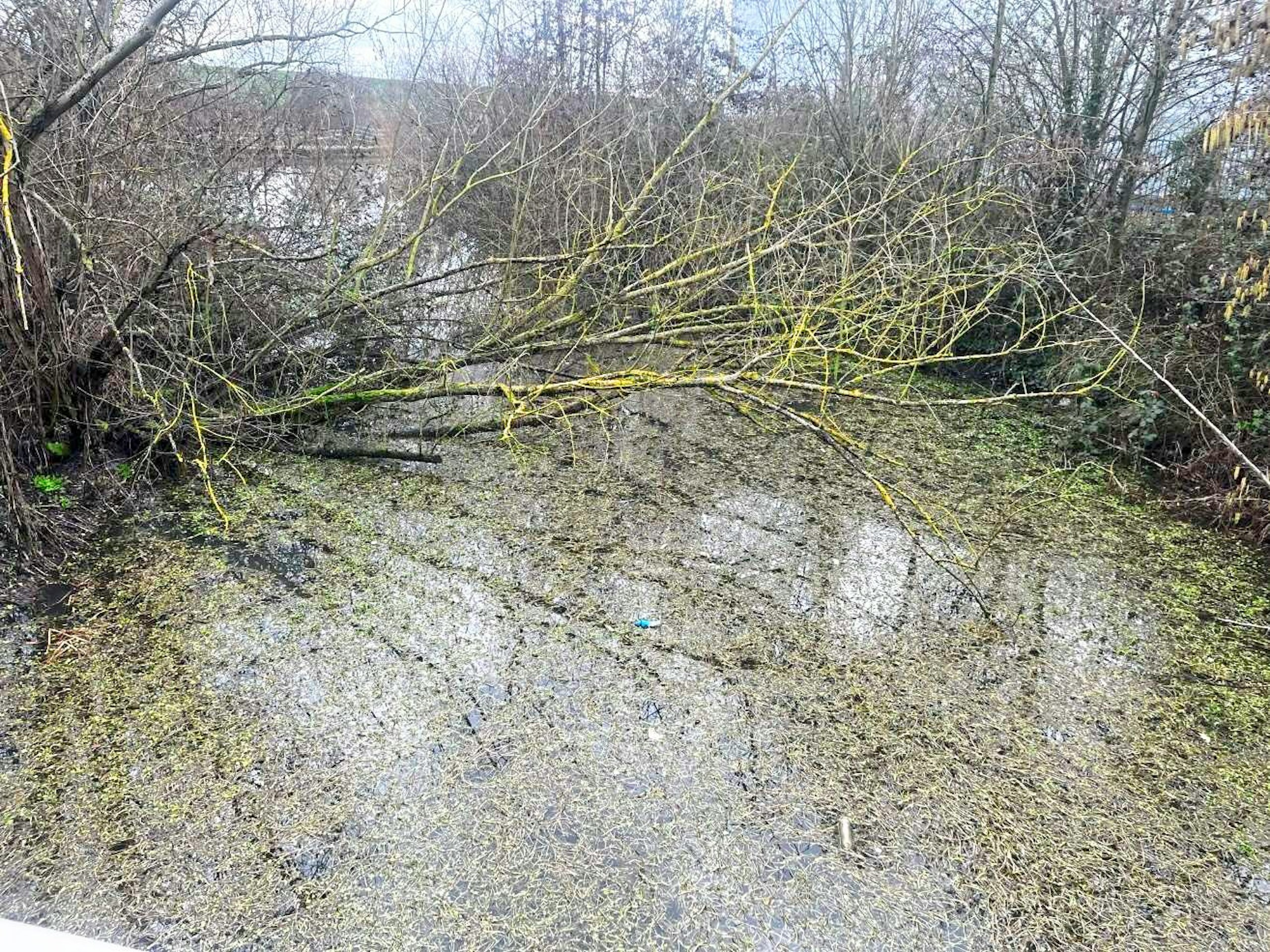
Mossops creek
That is exactly the kind of intervention anglers expect their rod licence to support. Not every problem is environmental. Sometimes a fishery begins to decline because of antisocial behaviour, poaching or the exhaustion of volunteers trying to hold things together. Not every intervention is about solving a crisis. Some are about long-term improvement.
At Plymouth and District Coarse Angling Association, volunteers recently planted 420 native tree saplings around their fishery to improve habitat, create shelter and strengthen biodiversity. It is the kind of work that will not fully show its value for years. But those trees will stabilise banks, support wildlife and improve the fishery for the next generation of anglers.
Behind each of these stories is the same simple principle. Clubs are not left to face challenges alone.
Across the country, Angling Trust Fisheries Support Officers help with invasive species control, club development and governance, volunteer safety, funding and project planning, risk assessments and work party organisation, communications and community engagement.
Where specialist expertise is needed, clubs are connected to the right people quickly.
Many anglers may never meet a Fisheries Support Officer. But they might unknowingly benefit from their work when they fish a clean, well-managed and fishable water. They benefit when invasive species are controlled, volunteers receive support, habitats are improved and fisheries are protected.
That is the real value of the Angling Trust’s Clubs and Fisheries Support Service. Quiet, practical work that collectively has national impact... all made possible because anglers continue to invest in the sport every time they buy a rod licence.
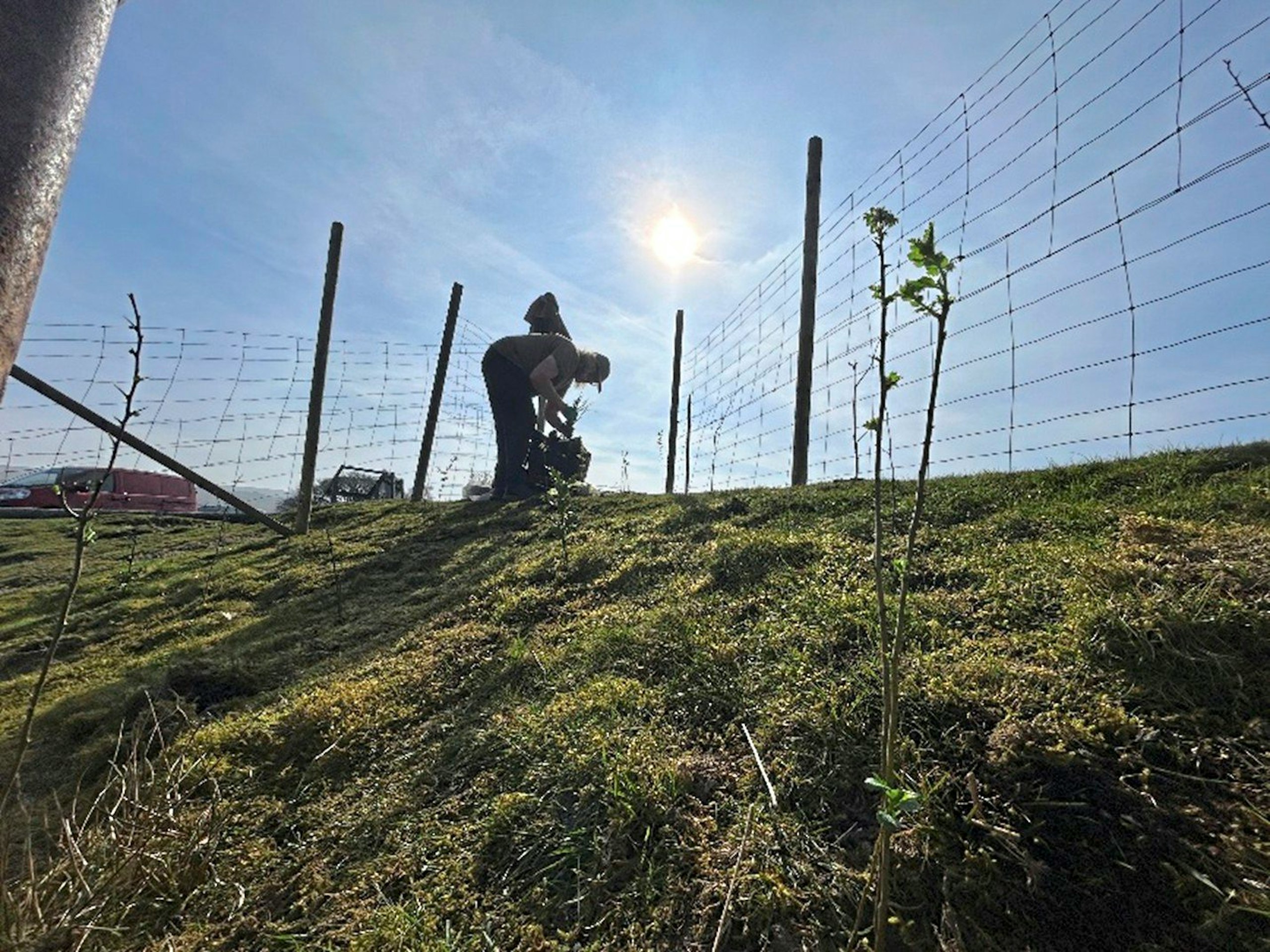
Plymouth and District tree planting
Just so you know, we may receive a commission or other compensation from the links on this website - read why you should trust us