- Home|
- News|
- News Stories
The bargain boom that could reshape the fishing tackle trade
As ultra cheap Chinese tackle from sites like Temu floods into the UK, Jonathan Longden asks whether it is hurting brands and tackle shops or just offering anglers another way to save money.

by Jonathan Longden |
Updated on21st January 2026 at 8.37am
Follow Angling Times on Google
Cheap tackle isn’t new, what is new is the way it reaches us. For decades, bargain hunting was part of angling’s DNA.
For most it would have been rummaging through sales bins at bargain tackle roadshows where you could fill a carrier bag with gear for the cost of a takeaway.
The gear might have been basic, but it was sold by people who understood fishing in the UK. Shipping was cheap, and you could benefit by picking up a half-decent rod, reel, chair, or any piece of tackle without thinking twice.
TAKE A LOOK AT OUT BUYERS GUIDE TO DISCOVER THE BEST CARP FEEDER RODS.
Show halls to smartphones
If you scroll these marketplaces for long enough you will find everything from bite alarms to bedchairs, hooklength boxes to rod rests. With the adverts full of algorithm friendly words that explain very little about what you are buying.
“If you’re into fishing, it’s going to pop up” said Guru’s Matt Godfrey. “It’s appearing on our feeds because they have clearly got the algorithm working for them, spending money to ensure that it lands in front of the right people.”
For many anglers, the pull is simple. Price. The sense that some of these products look familiar. The belief that they come from the same factories anyway. One angler I spoke to was blunt about what pushed him in that direction.
“Price is the main driver. A lot of it looks like it’s made in the same factories, it resembles the branded product and it suits my budget better, especially for things like clothing.”
If it looks similar, costs a fraction of the price and arrives in a few days, the temptation to try it becomes hard to ignore.
HERE ARE 10 OF THE BEST FISHING APPS TO IMPROVE YOUR FISHING.
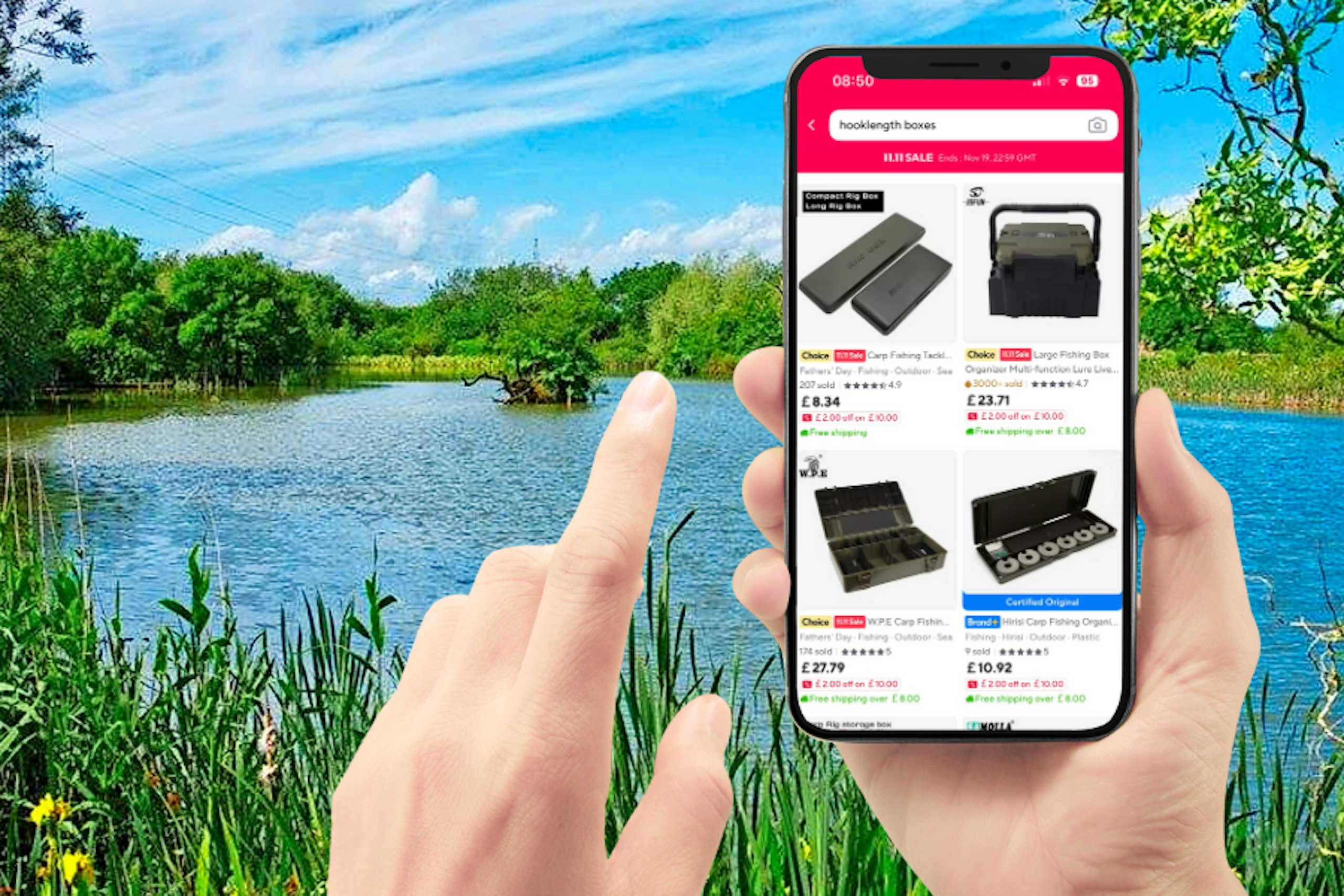
The pressure on UK shops and brands
A UK retailer cannot compete with a marketplace that sidesteps VAT, warranty obligations and the consumer protections British businesses must build into their prices. Add in rising bait, fuel and day ticket costs and anglers are left weighing up saving money against cutting corners.
For brands, the frustration runs deeper than lost sales. “You do all the hard work on a product,” Godfrey said, “the concept, the usability, the marketing, and then you see it just slapped out there globally. It’s frustrating. It makes you feel like you’ve done all the graft and then it’s just been stolen and put out for the masses.”
He is realistic about the commercial impact. “Will people buy it because it’s cheap and it looks all right? Yes,” he said. “Will it nick a little bit of market share and stop a sale on our part? Probably yes, it will.”
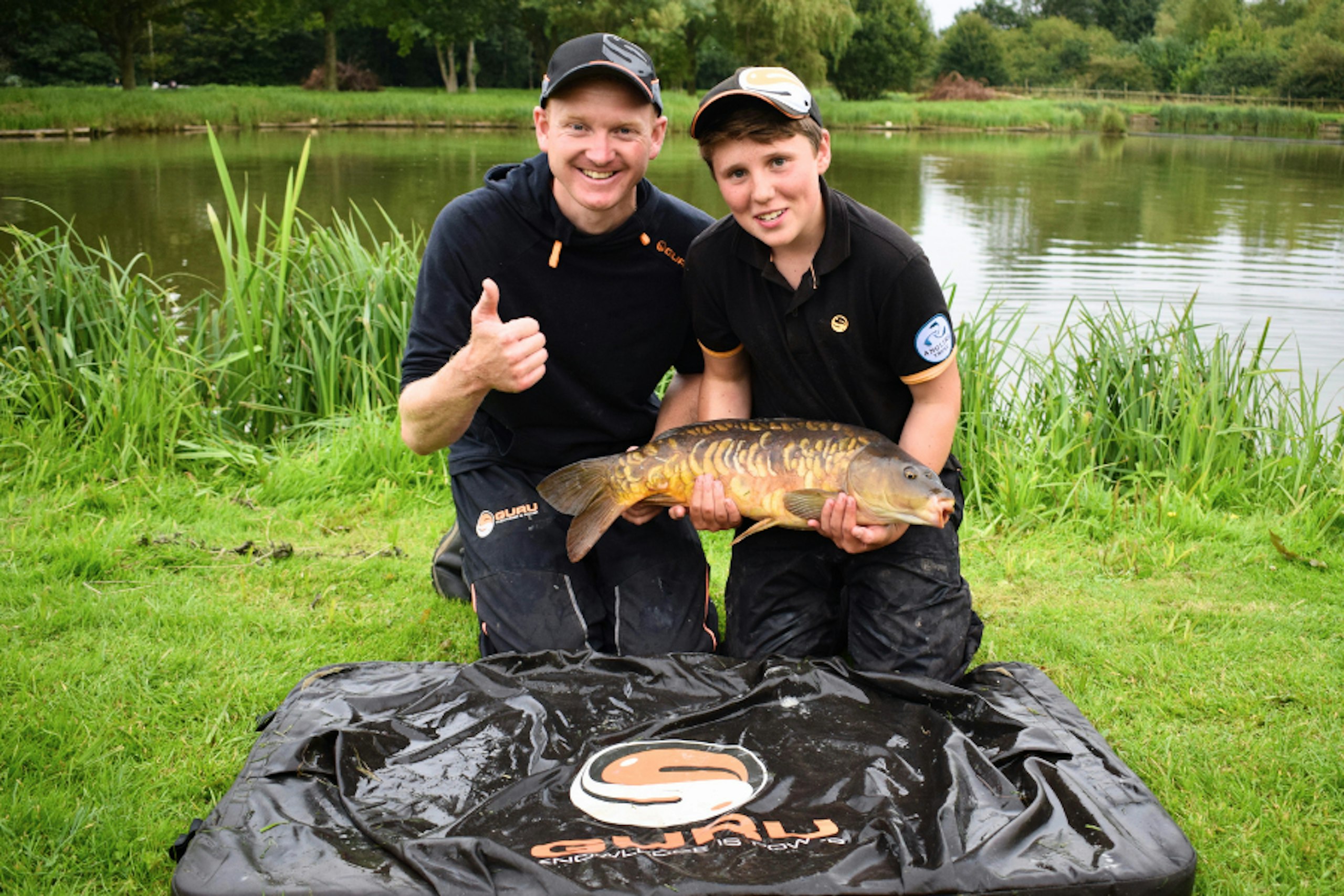
Matt Godfrey works hard to nurture young talent.
YouTube normalising cheap tackle
YouTube has added another layer to this shift. A creator buys a complete Temu carp setup, fishes for a day, lands a carp and suddenly thousands of people see cheap tackle “working”. A gamble becomes reassurance.
Godfrey accepts that this can normalise behaviour. “They probably will,” he said when asked whether anglers may now default to these platforms after seeing them work on camera. However, he believes the wider fishing ecosystem still holds strong appeal through shops, fisheries and community.
“The whole fishing experience starts with getting some kit together and going into a tackle shop,” he said. “It’s a warm, friendly place. You meet people, you get advice, you get pointed toward a venue. That whole chain of positive experiences just doesn’t exist when it all comes from an app.”
THE ANGLING TIMES YOUTUBE CHANNEL IS FULL OF USEFUL VIDEOS.
Typical YouTube thumbnail
The hidden problem with plastics and copies
If you want to understand how deep this runs, look at the plastics. Hooklength boxes, tackle organisers, rod rests and roosts. UK brands have spent years refining these. Spending money on tooling, considering the finer details and investing in long-term testing.
Once all that work is done and the moulds exist, copies become inevitable.
These marketplaces are full of items that resemble UK products. To an untrained eye, they look identical. To a tackle shop, that is another sale gone.
Speaking to an angler on the bank he told me “I did buy a Guru Reaper copy and the quality was poor. My line kept catching on it, so it went straight in the bin.”
Clothing is following the same pattern. Hoodies and T-shirts carrying brand logos, often off centred and will fade after a handful of washes. Produced without any link to the brands.
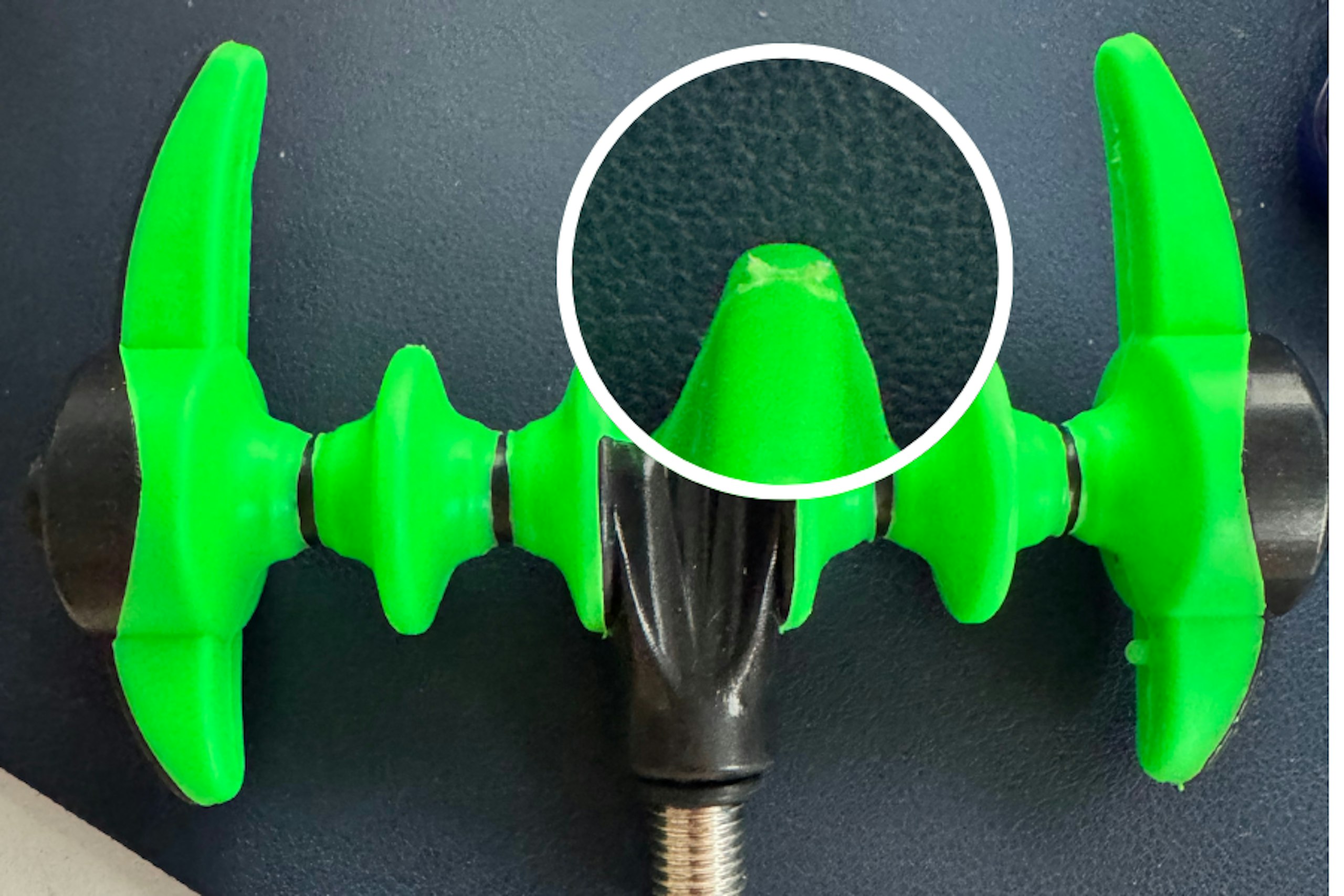
Rod rest that resembles a Guru Reaper Stealth rest
Safety, after-sales and waste
One of the most important parts of product development that is lost on the consumer is safety considerations. Some bite alarms lack moisture protection, bedchairs may have weak welds that can fail, line may break far below its stated breaking strain. None of that is visible at checkout.
Break something and there is no returns department, spares or warranty. It goes straight in the bin. Buy cheap, buy twice has never felt more relevant. Cheap gear fails faster, is replaced faster and ends up discarded faster.
IN THIS BUYERS GUIDE WE HAVE SELECTED THE BEST FISHING CHAIRS.
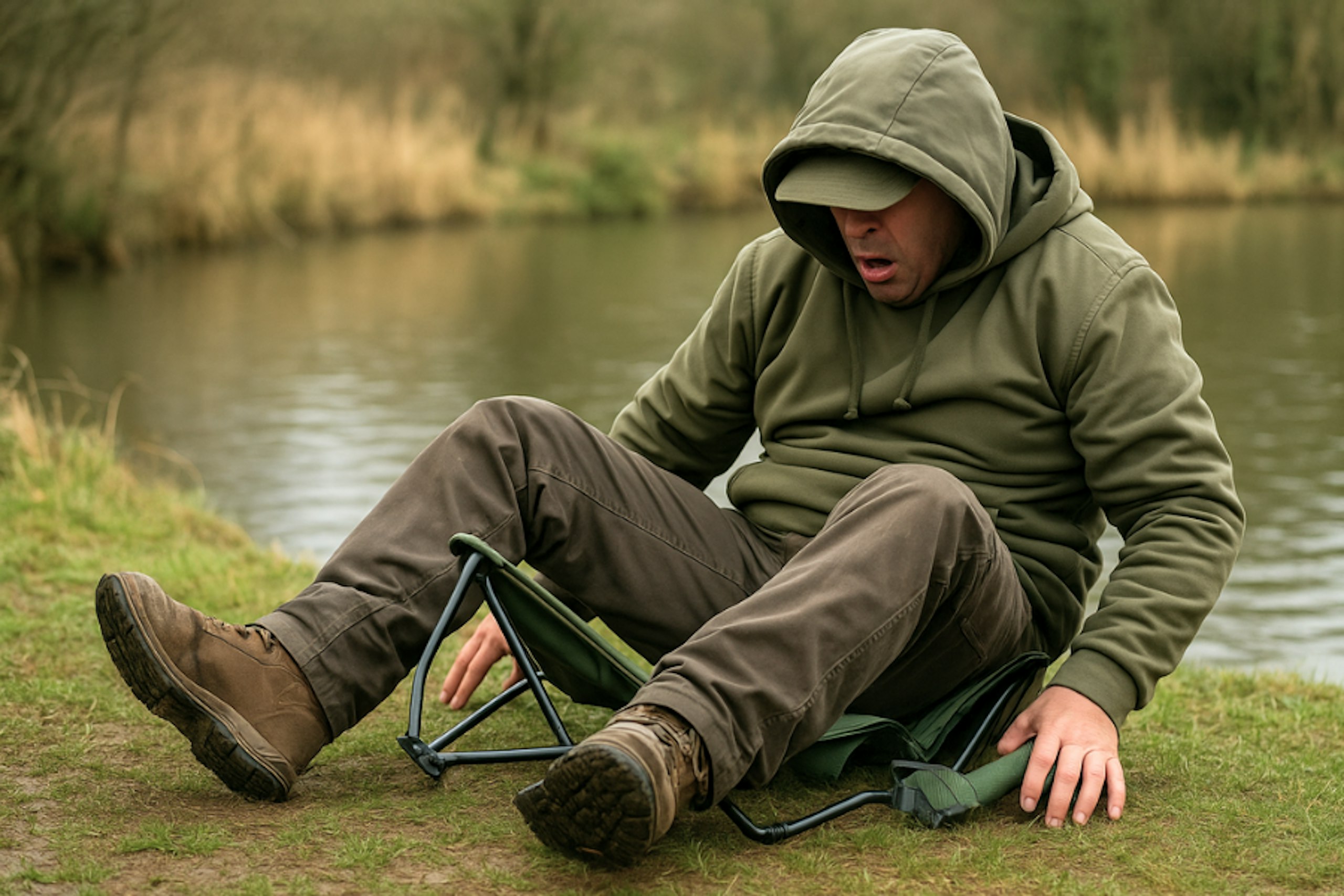
Chairs may have weak welds (AI Generated)
The junior impact
Entry-level tackle never made shops much money, but it built anglers and relationships. A child walked in with a parent and left with more than a rod and reel. They left with advice, encouragement and someone showing them how to set it up properly.
Now parents face rising costs everywhere. A £20 online starter kit looks like a lifeline. If mum or dad does not fish, they have no reference point.
A junior who builds kit through a tackle shop also builds relationships. Remove that link and you risk losing more than a sale, you risk losing anglers.
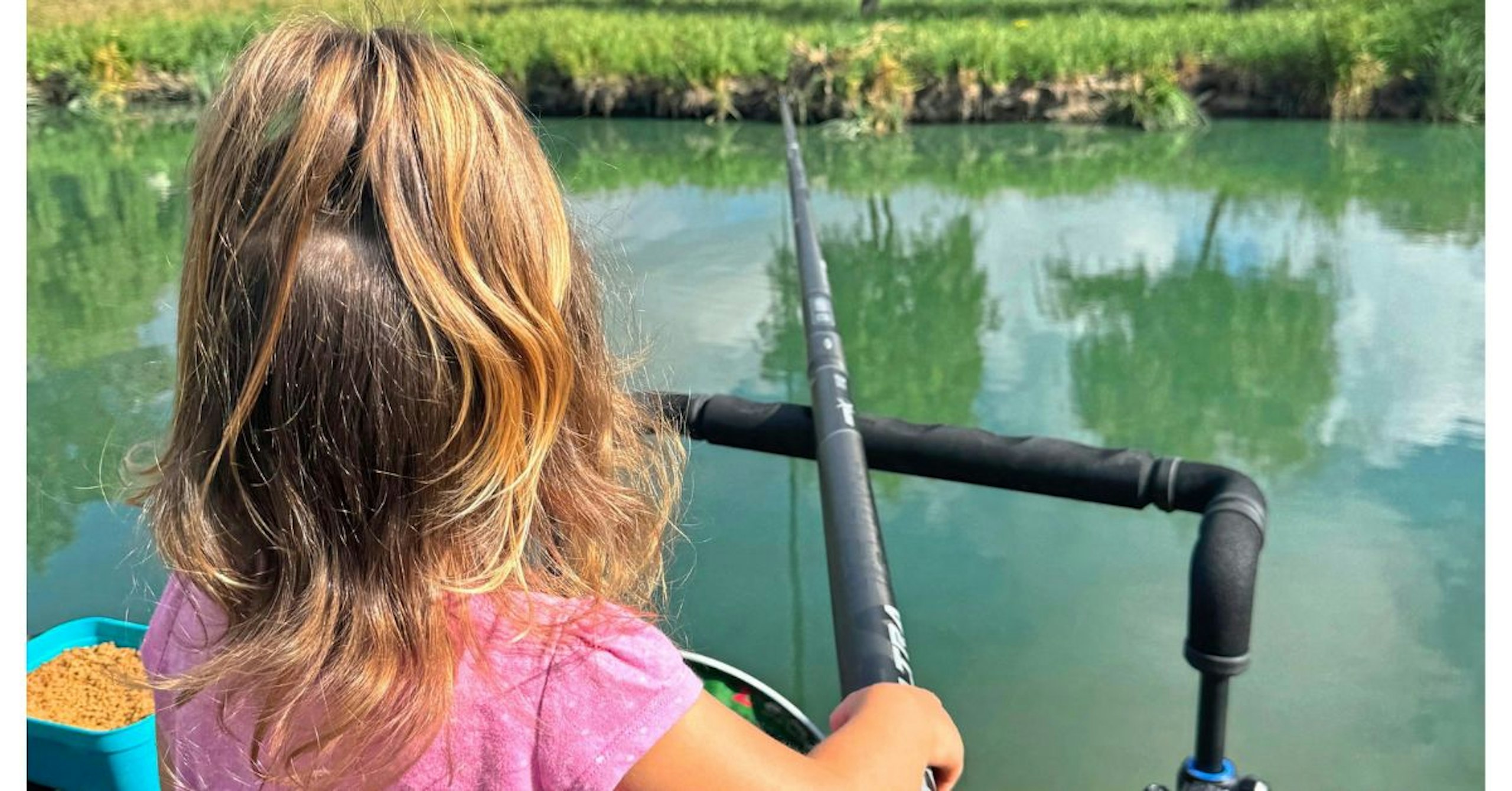
Will it impact juniors coming into angling?
What happens next?
Interestingly, even those who use online marketplaces tend to draw a clear line between what they will and will not buy. For most, it is not about replacing everything with cheap gear. It is about targeting specific items where the perceived risk feels lower.
“It’s the small consumable items I’ll buy in bulk at a big discount, things like quick-change beads and line stops, but I wouldn’t buy rods and reels that way.”
That distinction shows that even among anglers who actively buy from these platforms, there is still an understanding that some parts of the sport demand trust, testing and long-term reliability.
Whats next is unclear. Brands may double down on innovation or lean harder into after-sales support. Shops may focus even more on what apps cannot offer like trusted advice, demo days and genuine conversations.
While he does not believe the impact is yet severe, Godfrey accepts that some sales are undoubtedly being diverted. “It must be having some impact,” he said. “Those people would probably have bought that tackle somewhere else.”
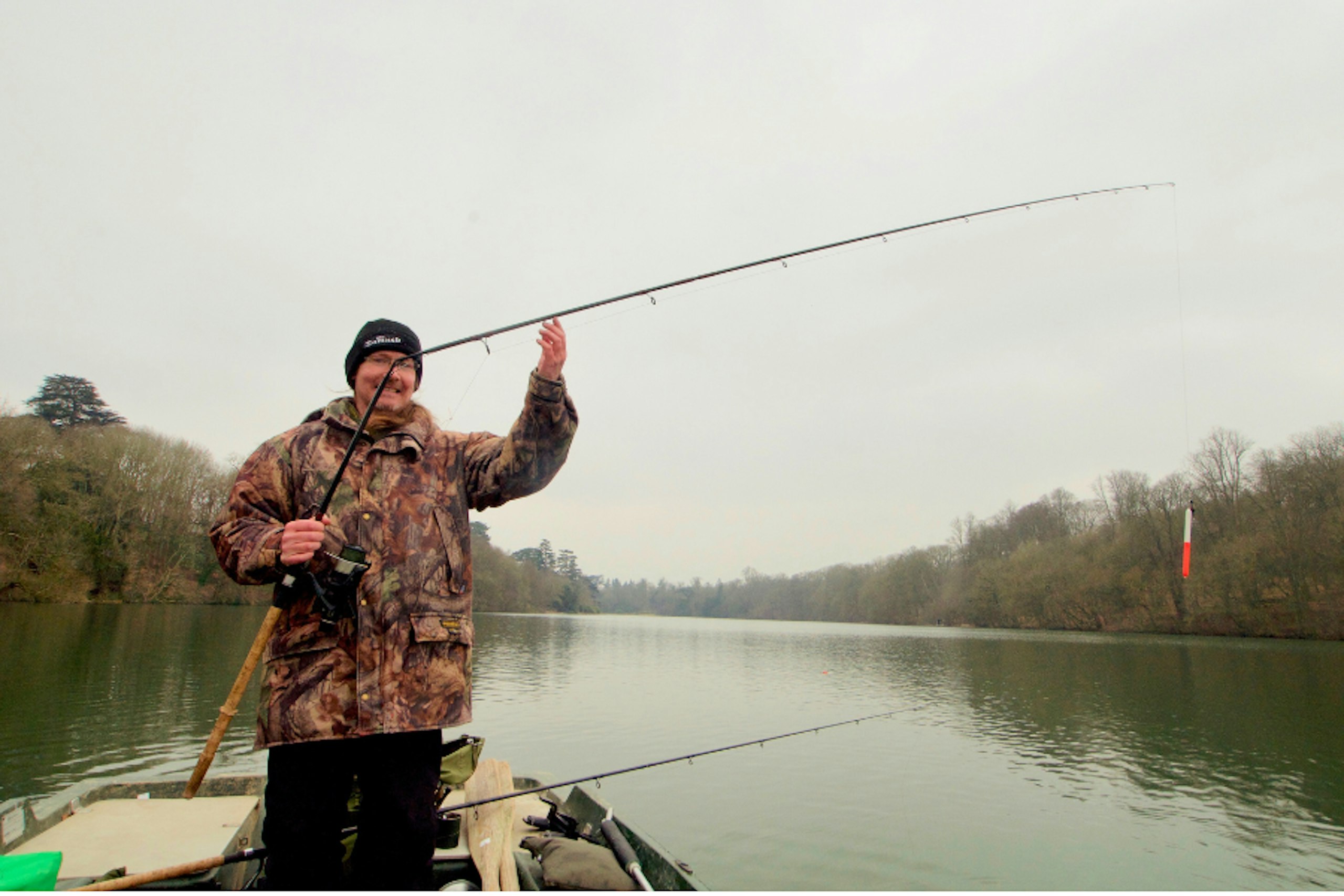
Anglers recognise that certain items require testing and need to offer long-term reliability.
A culture worth protecting
In the end, this is not about cheap gear. It's about preservation. I grew up looking forward to every visit to the tackle shop, browsing magazines and catalogues, looking at the kit I aspired to own.
I was lucky enough to spend two decades owning a tackle shop. Dealing with anglers new and old, imparting advice, debating the form of a local fishery. Those moments shaped me as a person and as an angler.
If we trade conversations for thumbnails and genuine experience for algorithms, we will not just lose a bit of business. We risk losing the culture that brings people in, keeps them hooked and gives angling its heart.
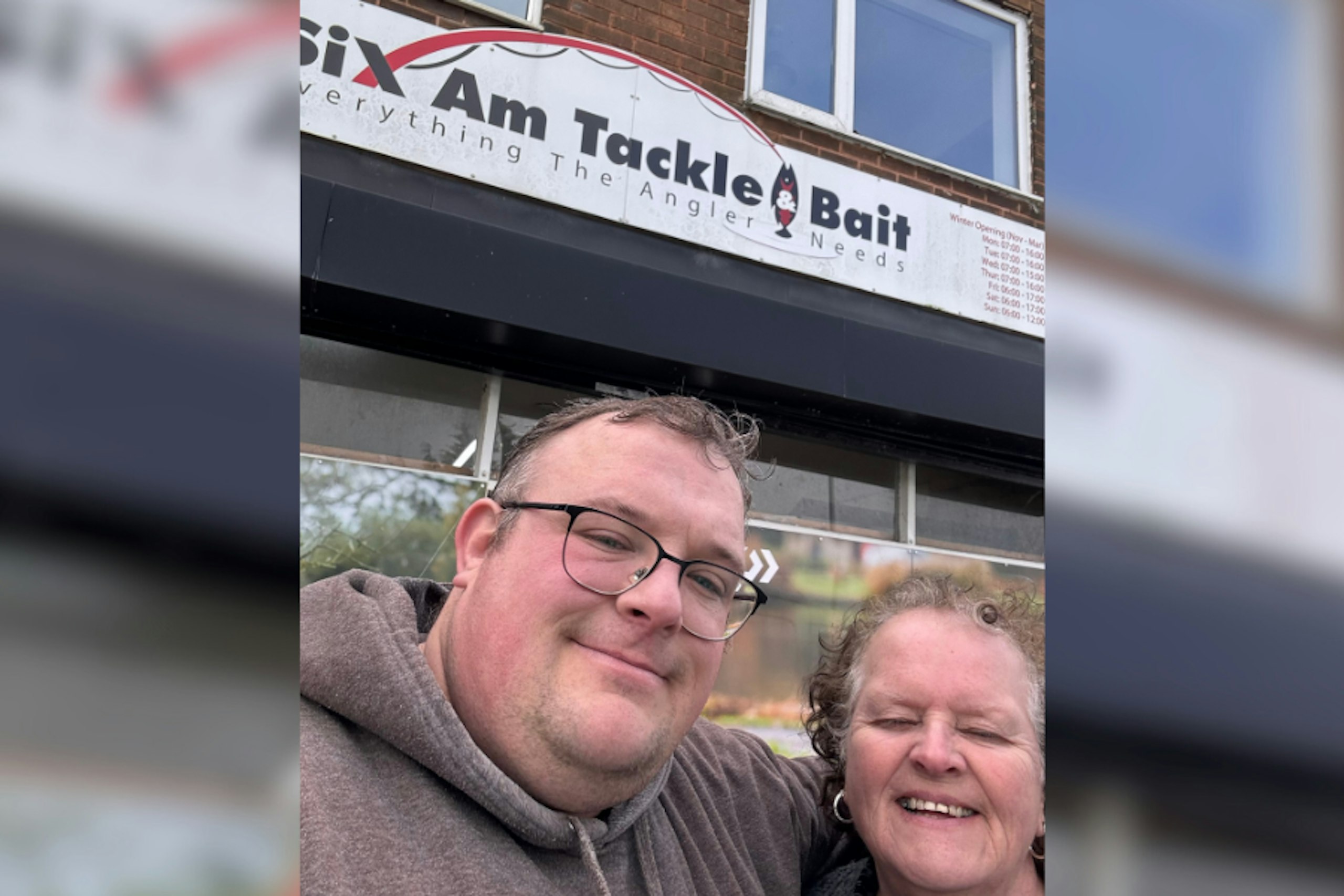
Local family run tackle shops are the back bone of the industry and may not survive
Just so you know, we may receive a commission or other compensation from the links on this website - read why you should trust us