- Home|
- News|
- News Stories
Would pole and bait limits make match fishing fairer?
As podcasts and social media debate pole and bait limits, we question whether it would be of benefit or detriment to match fishing.
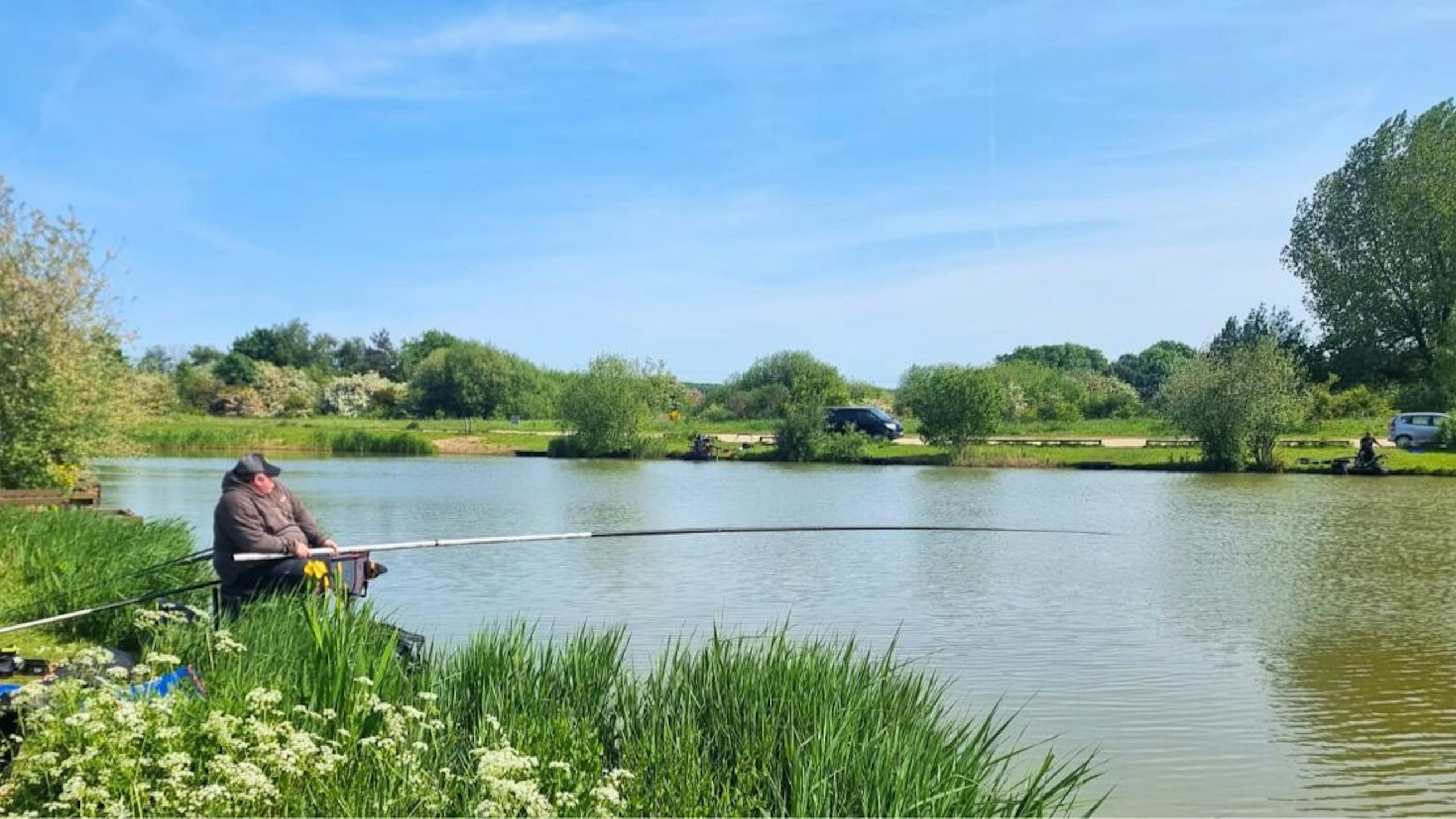
by Jonathan Longden |
Updated on20th January 2026 at 12.47pm
Follow Angling Times on Google
Match fishing has always evolved it's one of its strengths. New venues appear, tactics move on, and tackle keeps pushing forward. From canals, rivers and reservoirs to the rise of commercials and the variety of opens, festivals and big-money competitions, the sport has never stood still.
Yet the core appeal is exactly the same. You sit down with the same water in front of you as everyone else, you leverage your knowledge and skills and you try to work it out better than the next angler.
Lately there’s been another idea doing the rounds, aimed at increasing participation. On social media and across podcasts, anglers have been discussing pole length limits and strict bait limits as a way of levelling the playing field and making matches feel less intimidating to people looking in from the outside.
It’s a fair question, because it goes right to the heart of what match fishing is. Does the sport become more accessible when you put restrictions in place, or does it lose something important when you take away the ability to respond to what the fish are doing in real time?
THE BEST FISHING POLES IN THIS BUYERS GUIDE REALLY PERFORM AT 13M.
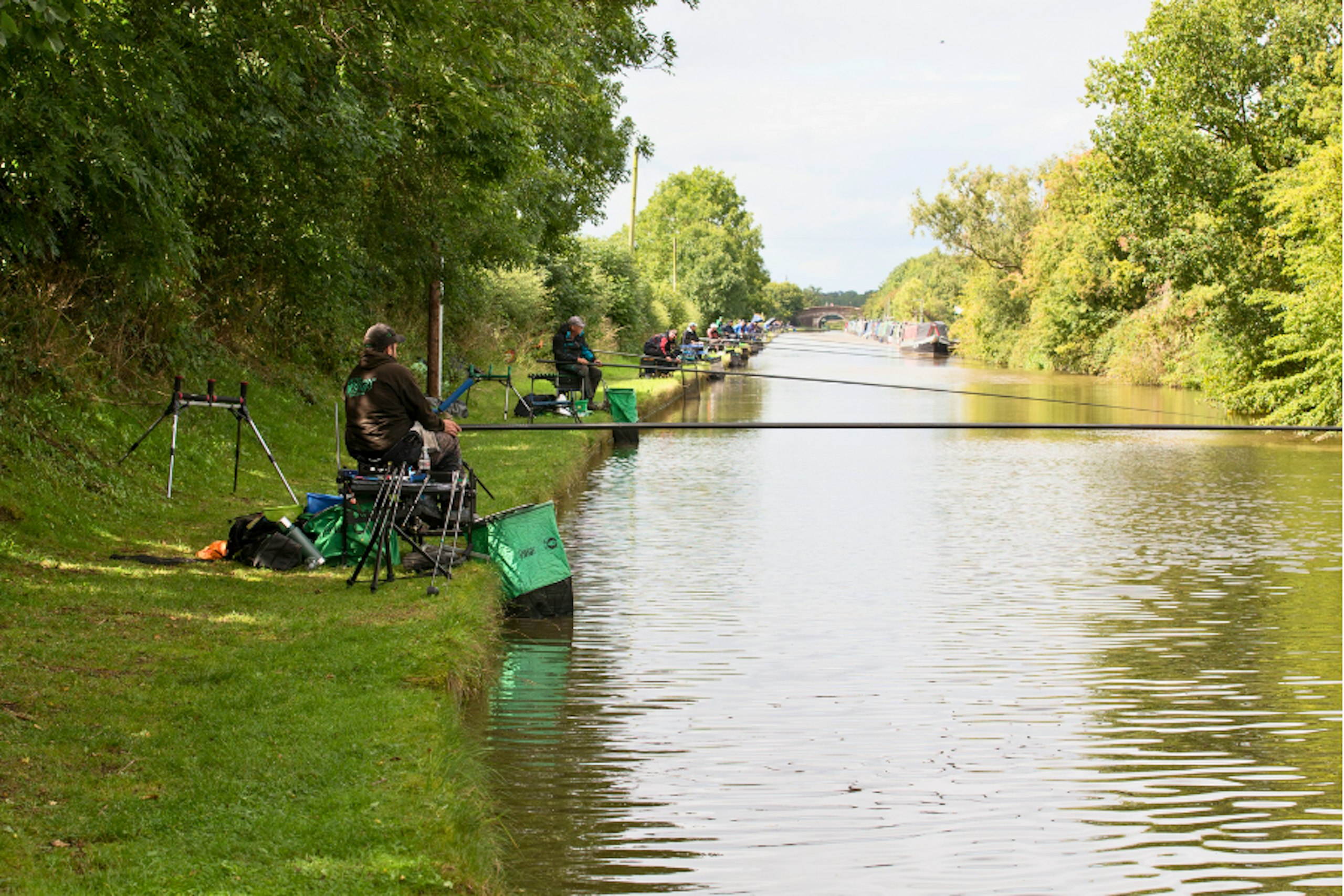
Does match fishing need fixing?
What problem are we trying to solve?
Most match anglers want the same thing. Good match attendances, competitive fishing and new faces enjoying the sport rather than feeling like they’re walking into something they don’t understand.
But it’s worth being honest about what holds people back. For some it’s cost others it’s confidence. There can be a fear of not fitting in, finishing last, or struggling for bites while everyone else seems to know what’s going on, and for others it’s simply time. Matches are a commitment, and not everyone wants their fishing measured in pounds and ounces or finish positions.
Pole and bait limits might help on the cost side of the argument, but I’m not convinced they solve the bigger barriers, though. If anything, more rules can add another layer of worry for the less experienced angler, more enforcement and effort from the fishery and organisers while the same top names still operate comfortably within whatever format is put in front of them.
CHECK OUT OUR PICK OF THE BEST FISHING POLES UNDER £1000.
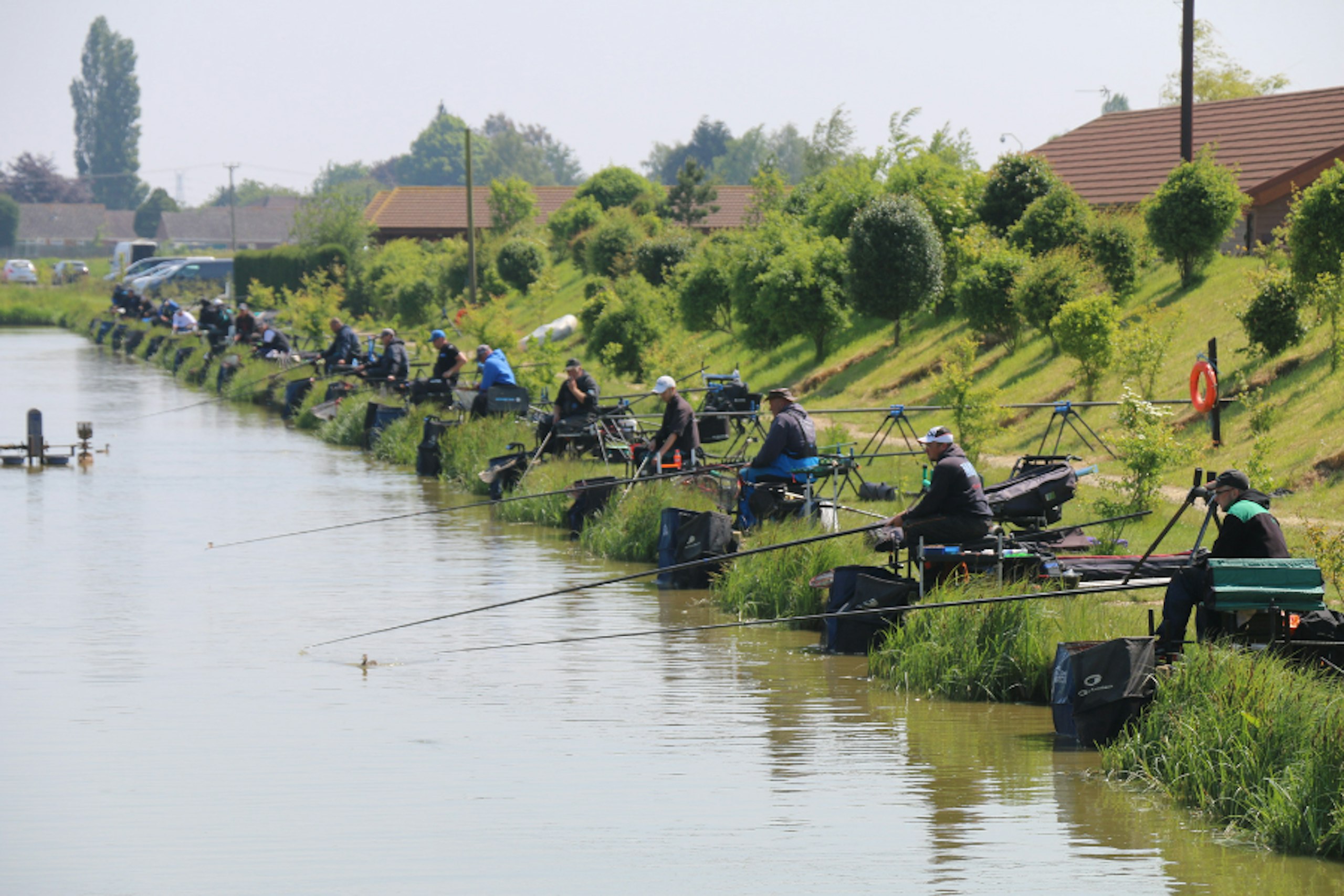
Will pole and bait limits increase participation?
Conditions are already the leveller
One thing that sometimes gets missed in these debates is that match fishing already has a leveller – the conditions.
Wind, light, air pressure, temperature, how fish react to noise, how they back off under pressure, how one swim turns on while the other one dies. Even on a fair-looking commercial, you can do a lot right and still feel a step behind and that you didn’t get it quite right.
The skill is making the right decisions more often and at the right time. That’s also why match fishing can feel daunting if you’re new. You’re meant to be thinking, adjusting rigs, adapting techniques.
This is where limits can feel like they’re aiming at the wrong target as they don’t remove the unpredictability, they just remove some of the tools you’d normally use to deal with it.
THE BEST FISHING UMBRELLAS WILL KEEP THE RAIN OFF YOUR HEAD AND TACKLE.
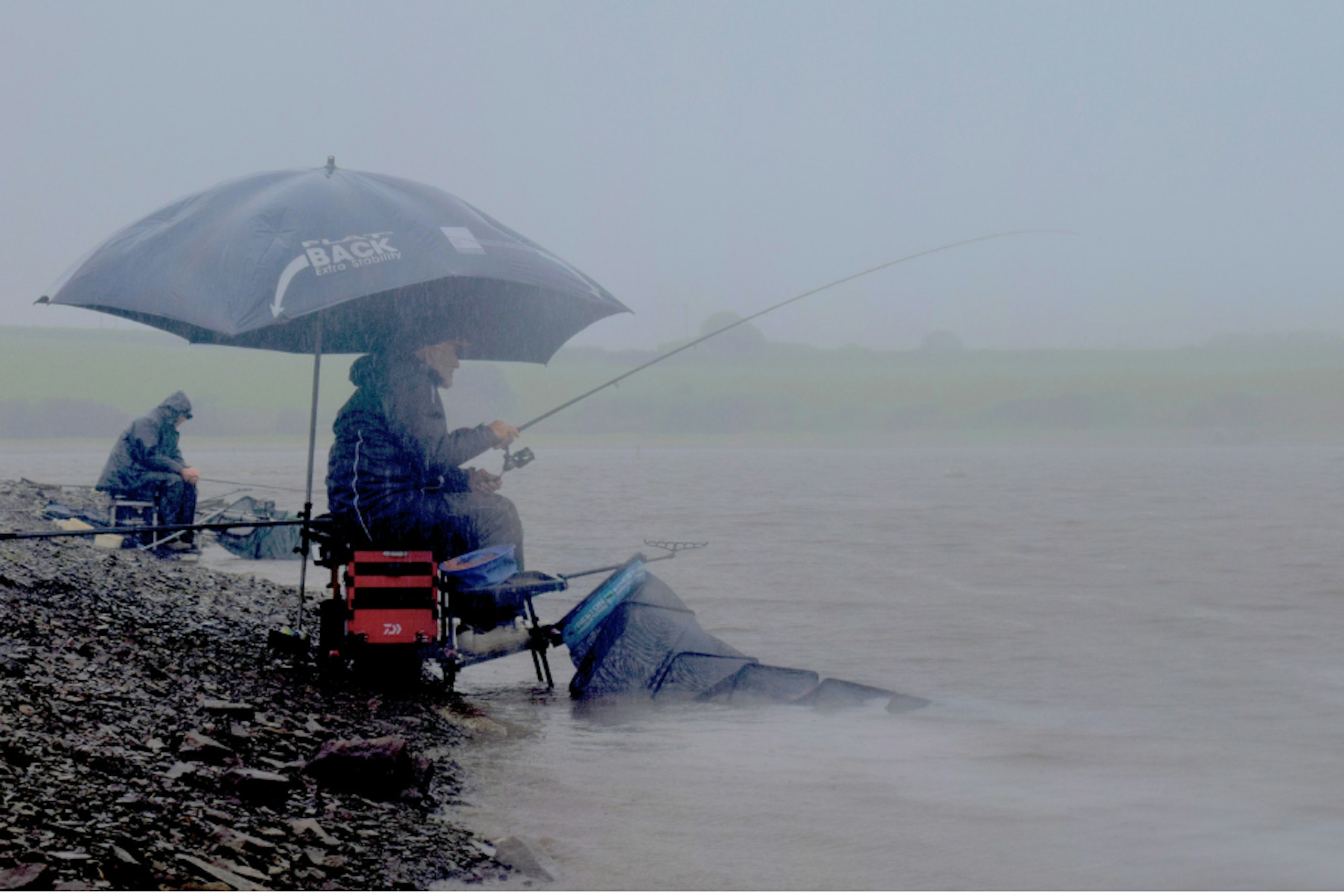
The conditions have a massive impact on the outcome of a match.
The bait limit question
A strict bait cap can sound sensible if the concern is excessive feeding, and on some waters that is a valid welfare discussion. Across match fishing, though, it risks creating a different issue as a limit can become a problem just as the match starts to go your way.
Anyone who fishes open matches knows that daunting moment when you’ve been nicking the odd fish, then the carp arrive, or the F1s settle, and suddenly you need to keep them interested. Sometimes that means feeding more, not for the sake of piling bait in, but to hold a group of fish and keep the swim ticking over.
If you misjudge your early feed, or the match unfolds differently to what you expected, a bait limit can leave you stuck when things finally improve. A match can be lost simply because your bait quantities didn’t match what the peg demanded. Yes, you can ration bait and plan carefully. But part of the sport is reading that turning point and responding. If the rules stop you responding, the contest becomes less about watercraft and more about whether your decisions on bait quantities match how the day played out.
It also ignores the reality that different anglers fish different ways. Some are naturally more aggressive with their feeding, whereas others are more measured and feed more frugally. There are days when each approach is right, and the results reflect that.
I’ve often judged how a lake is fishing by watching what a known heavy feeder or a more cautious angler is doing. If the heavy feeder is catching, it usually tells you to up the feed, and if the cautious angler is ticking away nicely, it often pays to hold off. A strict limit restricts those options and nudges everyone towards the same middle ground.
DO YOU WANT TO GET INTO MATCH FISHING? THIS ARTICLE WILL HELP GET YOU STARTED.

Are bait limits going to level the playing field?
The pole limit question
Pole limits raise an even bigger issue, because they interfere with one of the most common situations on commercials. Fish will often back off the feed.
It might be noise, angling pressure, or fish moving with light and temperature changes. Whatever the reason, you can feel it happening as bites dry up, or you see fish showing beyond your pole line.
On a normal day, you add a section and stay in touch, not to outgun anyone, but because you’ve recognised what’s happening and you’re trying to keep catching. That ability to adapt is a huge part of match fishing, and it’s often the difference between framing and finishing nowhere.
Yes, you can pick up a rod and follow them, yet it is rarely the same, as the presentation, control and speed all change. You might still catch, but you also know you could probably catch quicker on the pole if you were allowed.
If you miss the frame by ounces because you were stuck at 13m while fish sat at 13.5m or 14m, it doesn’t feel like the sport has become more welcoming. It can feel like part of the competition has been removed.
FISH THE POLE MORE EFFECTIVELY SITTING ON THE BEST FISHING SEATBOXES.
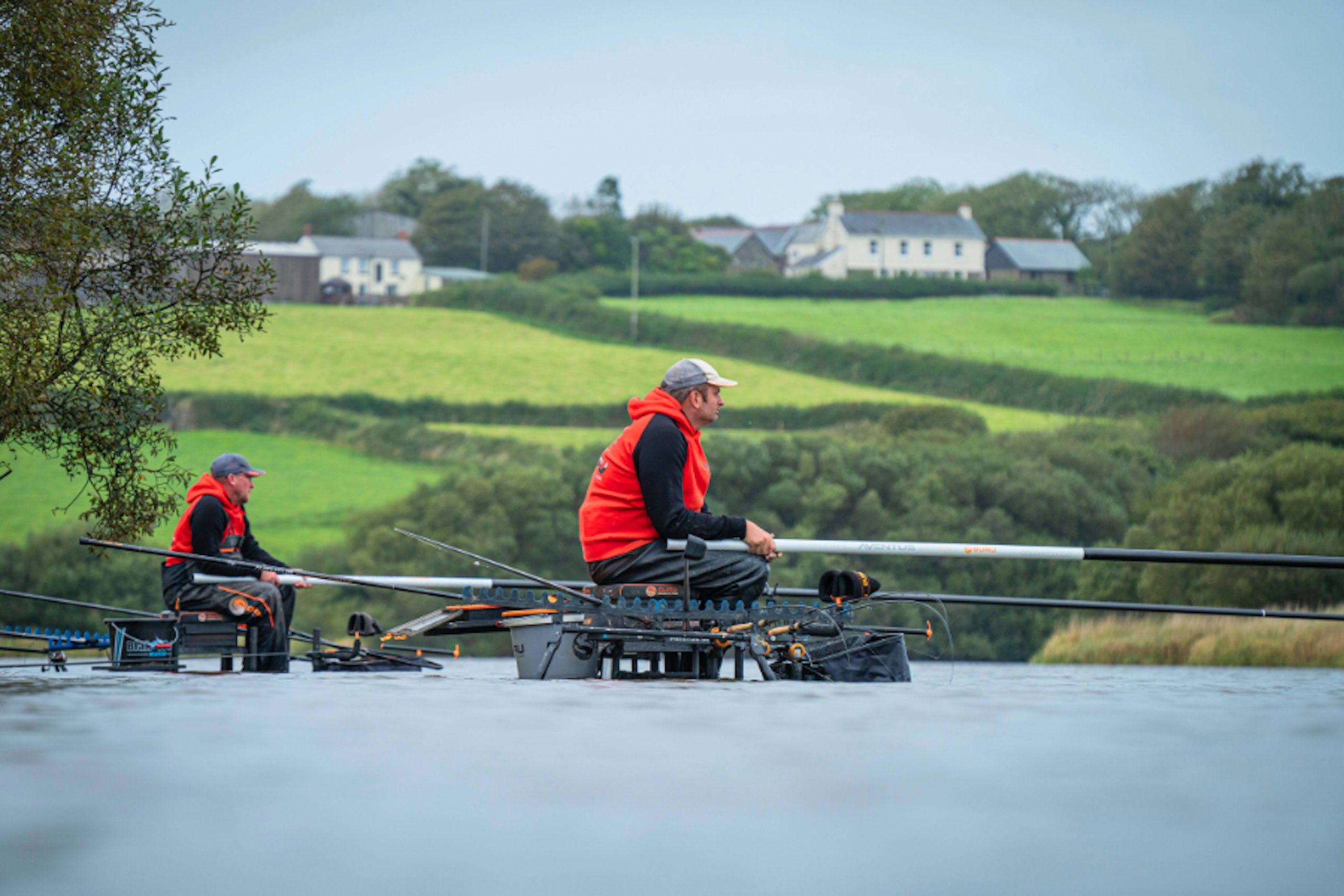
So pole limits make sense?
Do limits make the draw more important?
This is where the “levelling” argument can backfire.
If everyone is restricted to a narrower range and a tighter bait allowance, the better areas of a venue can become even more powerful. Flyers become even stronger because the rest of the field has fewer tools to get the best out of a poorer draw.
Normally you have options, like changing feed rate, rotating lines, chasing fish out, drawing them in. Limits reduce those options, which means you’re more at the mercy of the draw. That doesn’t level the playing field it makes it more about the luck of the draw.
IN THIS ARTICLE WE LIST THE BEST FISHING BAITS.
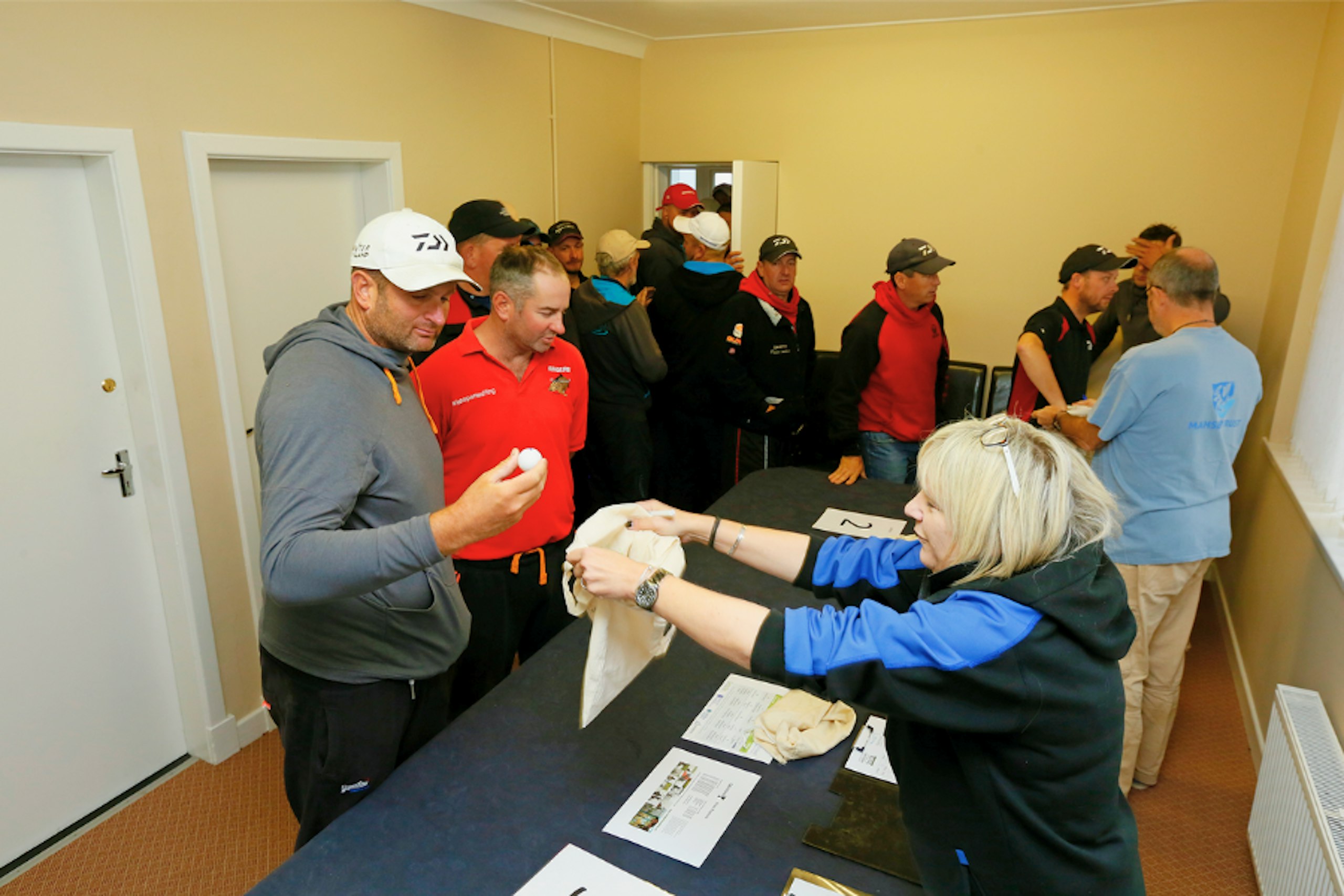
Matches will be won and lost at the draw.
A useful comparison
You would see similar effects in other sports if organisers try to simplify competition with one neat rule. For example in Formula 1, if every team was forced onto one tyre compound and strategy was restricted, qualifying and grid position would matter more, not less. The clever teams would still find gains, but the opportunity to recover through decision-making would diminish.
The best anglers will still be the best anglers. They’ll just learn the new restrictions faster than everyone else.
IN THIS ARTICLE WE DISCUSS HOW TO QUALIFY FOR A BIG MONEY FINAL.
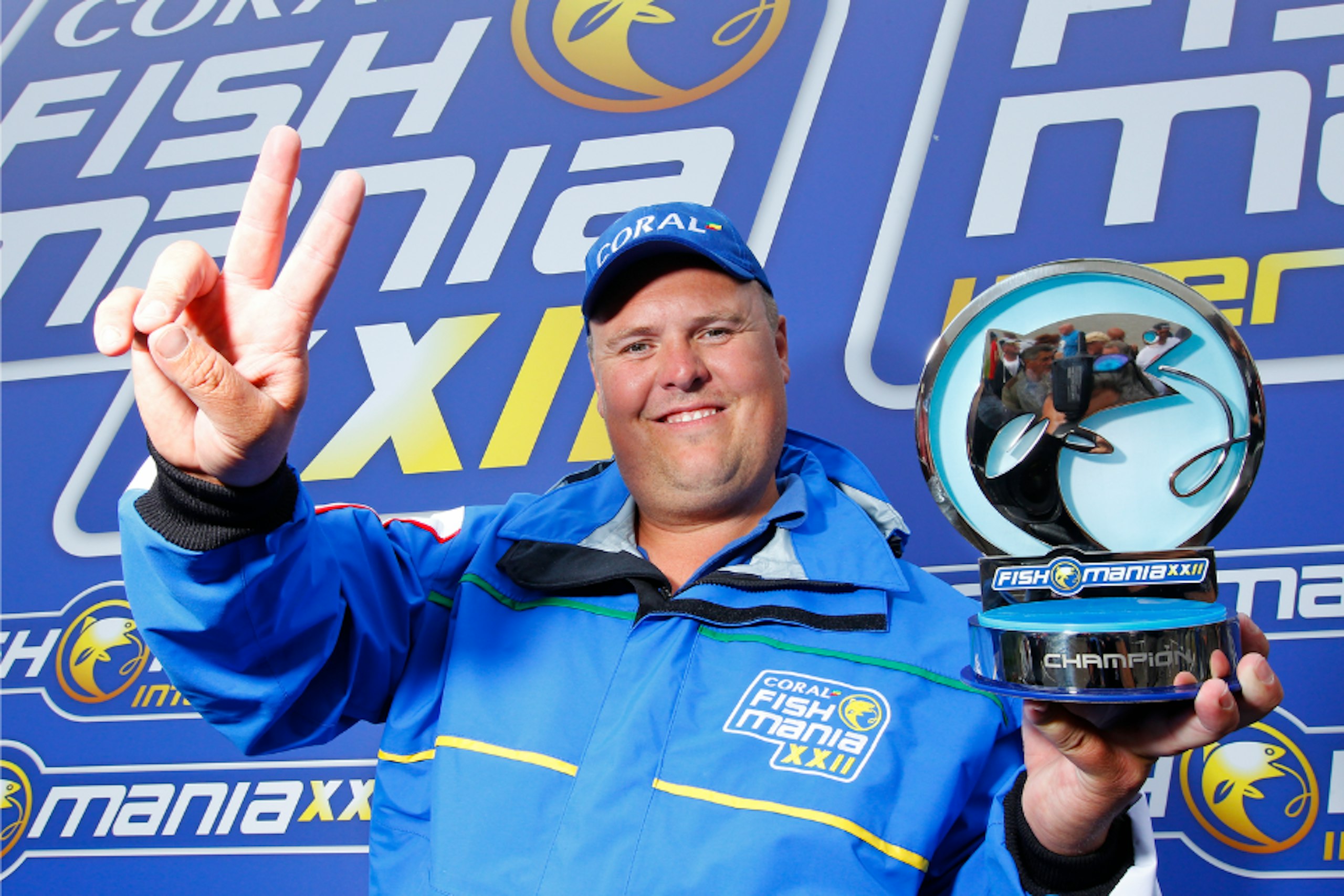
Winners will always keep on winning.
What will help participation?
If the goal is getting more people into match fishing, the best solutions tend to be social, not technical.
Beginner-friendly formats, supportive atmospheres, emphasising a more “have a go” attitude where the expectations are realistic with things like sensible pools, if any at all. Clubs and venues work to make it easy to turn up without feeling like you’re stepping into a clique.
And where restrictions are genuinely needed, they’re probably best handled on a venue-by-venue basis rather than as blanket rules.
THE BEST FISHING BARROWSWILL HELP GET YOU KIT TO YOUR PEG.
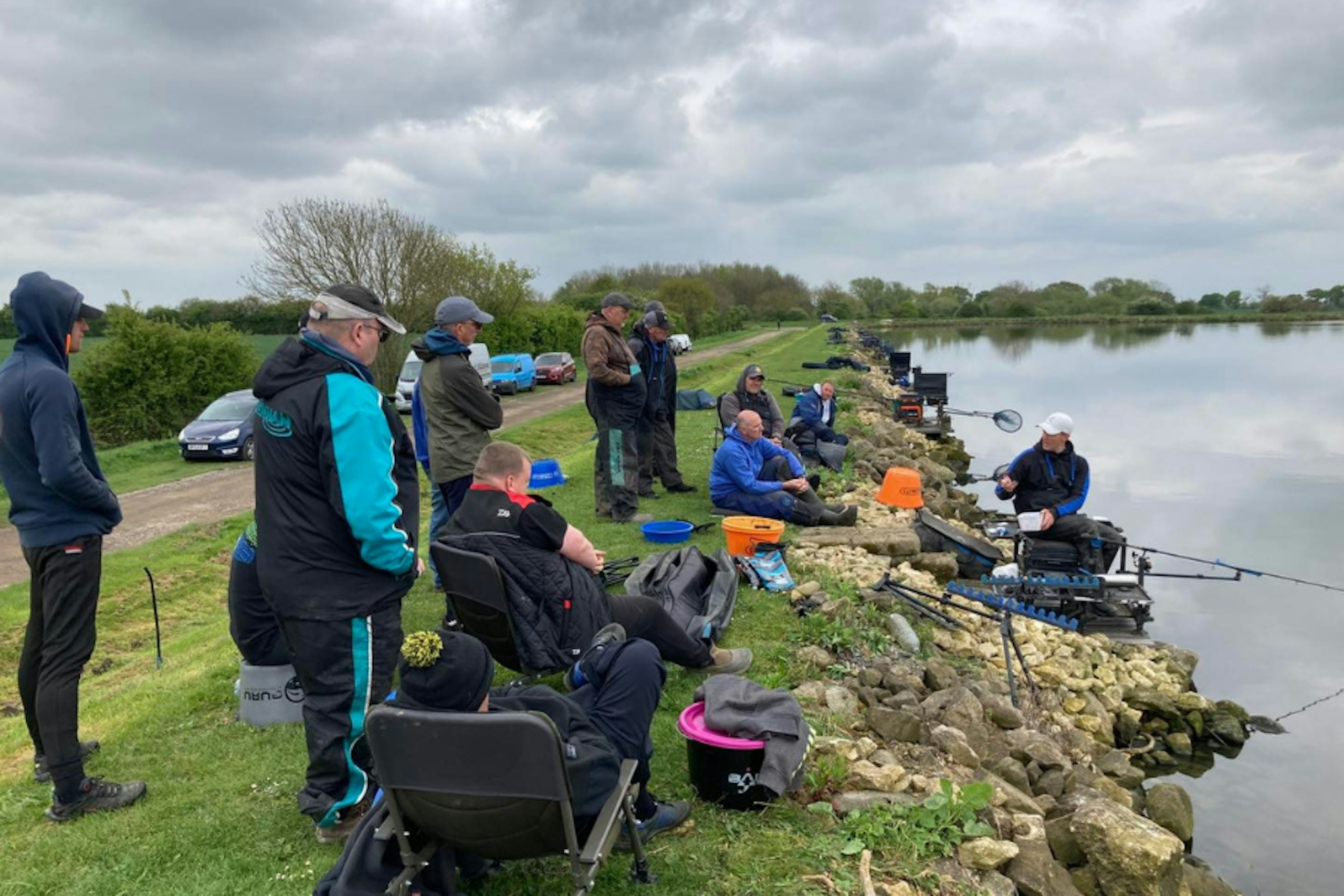
More social interaction can encourage anglers to give match fishing a go.
Match fishing is unpredictable, and that’s the point
At its best, match fishing rewards watercraft and the best anglers are able to recognise what’s happening, before making the correct decisions and acting at the right time. Sometimes that means feeding heavier to keep fish competing, other times it means adding a section to stay in touch. It could be as drastic as abandoning a line that was good an hour ago to start a new one.
Those decisions are the sport it's what makes it enjoyable and addictive.
There is a debate worth having here, and it’s good that people are talking about participation. I’m just not convinced set pole and bait limits are the answer. If anything, they risk restricting the match and making the draw even more important and I’d be surprised if that made matches feel more welcoming as I fear it could promote the opposite.
THE BEST FISHING KEEPNETS WILL SAFELY RETAIN YOUR CATCH READY FOR THE WEIGH IN.
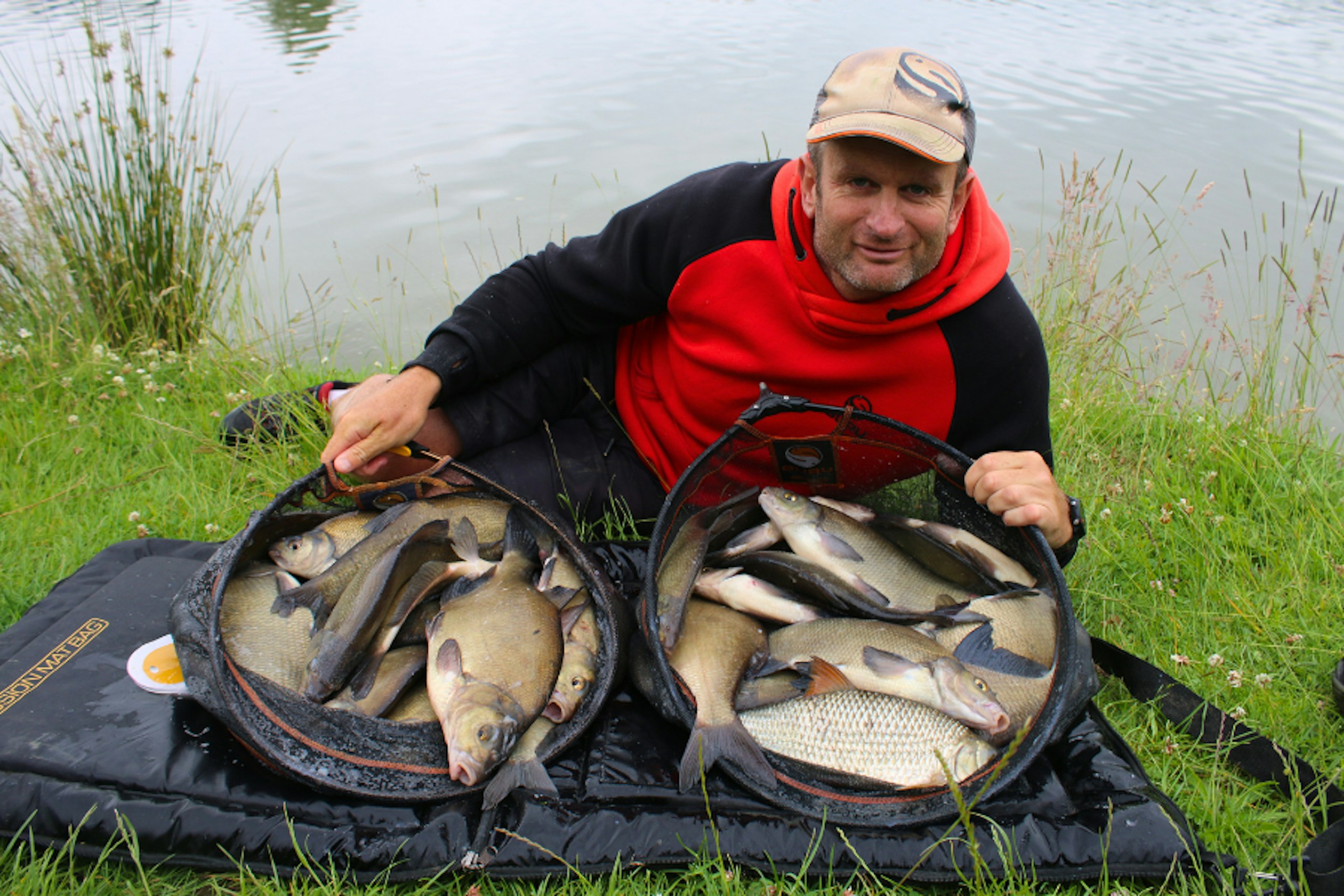
Watercraft will catch you more fish than having the most bait.
Enjoying this article?
Subscribe to Angling Times for expert fishing tips, tackle reviews, and the latest angling news delivered straight to your door. Whether you're into coarse, carp, or match fishing, we’ve got the stories, advice and inspiration to keep you hooked.
Click here to see our latest subscription offers!
Just so you know, we may receive a commission or other compensation from the links on this website - read why you should trust us